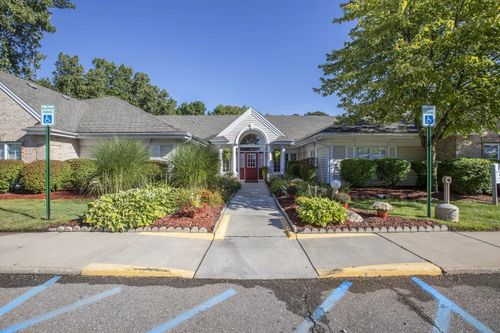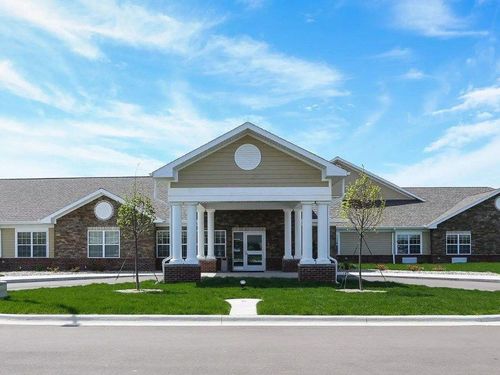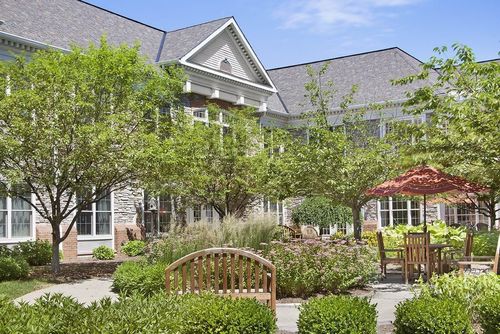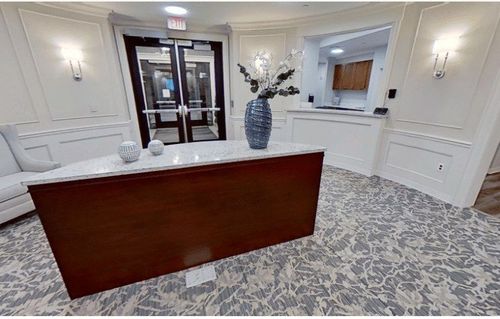
Nearly every pet policy in senior living is written around a single animal, and a great many households have two. A pair of cats that have lived together for a decade, or a dog and a cat that tolerate each other on their own terms, are treated by most buildings as one permitted animal and one problem. Westwood Inn, at $4,200 a month, is the Macomb Township address welcoming pets, and the number question is worth asking before anything else.
None of that makes it an unreasonable rule in itself. A building limiting each apartment to one animal is managing noise, cleaning, allergies among other residents and its own insurance, and the limit exists for reasons that have nothing to do with any particular pet.
When There Are Two Animals
Ask directly whether the cap is firm and what would move it. Some buildings will take two small animals in a larger apartment, some will consider a pair that have always lived together, and some are held to a single animal by an insurance position they cannot alter. The answers differ, and none of them can be guessed from a brochure.
Where the cap genuinely will not move, a household is making a decision it should make deliberately rather than under time pressure in the week of a move. Separating two animals that have lived together is a real cost, and a family that knows about the limit three months out has options that a family discovering it three days out does not. This is the single strongest argument for asking about the animals at the very start of a search rather than at the end.
What Exists Alongside a Resident's Own Pet
Where an animal cannot come, or cannot come yet, most communities have something in between, and it is worth asking what. Rules on visiting animals are the useful ones: whether family may bring a dog in, where it may go, and whether it needs the same vaccination paperwork a resident's pet would. Some buildings run visiting therapy animal sessions, and some keep a resident cat that belongs to the building rather than to anybody in particular.
None of that replaces a household's own animal and it should not be presented as though it does. It does mean a resident who cannot keep a pet is not necessarily cut off from animals altogether, which matters to somebody for whom that contact has been part of every day for fifty years.
What the Building Asks and What It Charges
Vaccination records come first and have to be current before an animal arrives. Money follows in two parts, something at the start and something recurring monthly for each animal kept, on terms the building sets for itself rather than to any standard. A dog additionally needs a current Michigan license, obtained through Macomb County against an up-to-date rabies record.
Size and breed rules sit alongside all of that, generally inherited from whatever the building's insurance will underwrite, which is why they seldom bend for an individual animal however placid it happens to be.
Getting the Macomb Terms Confirmed
Worth establishing in one conversation: whether the animal cap is firm and what would move it, the current size and breed rules, what is charged at the start and monthly, the rules on visiting animals, and what happens if a resident becomes unable to manage the care. Put with the actual animals in mind rather than in the abstract, those questions get useful answers, and an advisor covering Macomb County can ask them.
If a Macomb Township household is weighing a move with two animals, talk it through early enough that the answer is still a choice.
Our Macomb directory keeps expanding as we evaluate providers for quality and alignment in 2026. Reach out for a conversation about pet friendly in Macomb, or look through the communities we have vetted at your own pace.