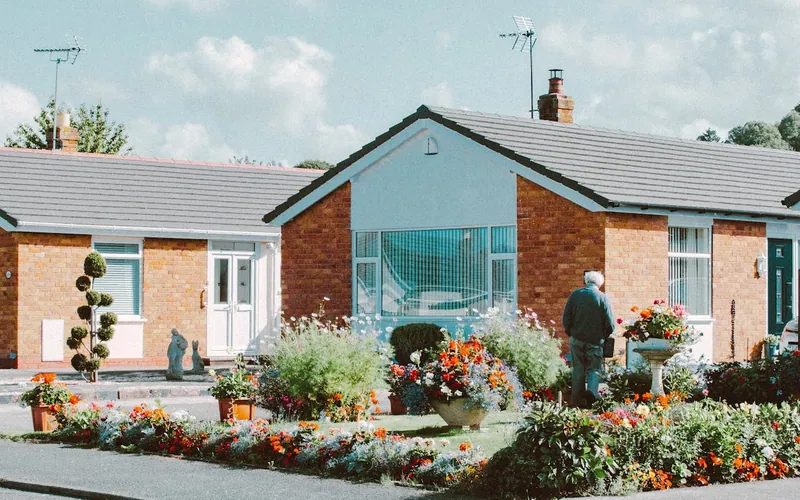

Milford is a village where people know the pharmacist, the barista, and often the neighbor who brings soup when someone is ill. That small-town texture shapes how families here look at senior care, so the choice is rarely between dozens of glossy campuses. Only a small number of communities in Milford are listed on this site, and OakBrook Senior Living at Milford is the one a family will meet first when searching close to home.
For many Milford households, the real question is not which brand to pick but which size of setting suits the person moving. A home-style setting with a handful of residents feels very different from a larger community with a dining room, activity calendar, and dozens of neighbors down the hall, and both can be excellent because each rewards a different personality.
What residential care in Milford really looks like
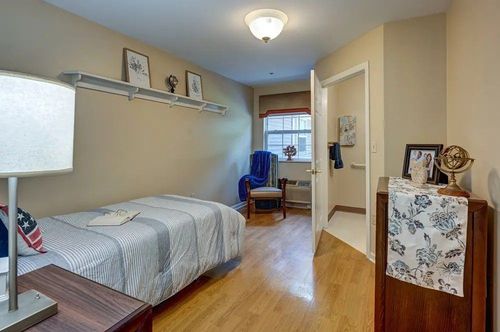
Residential care usually means a converted or purpose-built house in which just a few residents share one kitchen and one living room, cared for by a team that learns every routine. Meals are cooked in one kitchen, often to a resident's taste. A caregiver notices when someone skips toast or walks a little slower, because there are only a few people to watch.
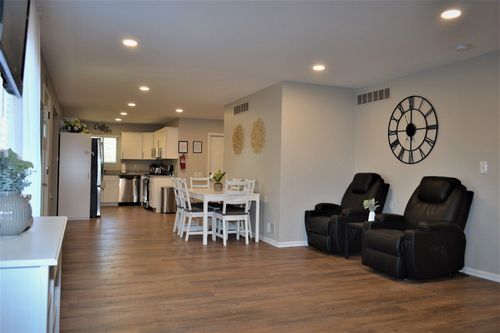
Larger communities trade some of that intimacy for range. Staff are organized in shifts and roles, with separate people for care, dining, and activities. A resident who enjoys a crowd, a choice of daily events, and a short walk to a neighbor's apartment often thrives there. Someone who is easily overwhelmed by noise, or who gets lost in long hallways, may do better in a quieter house.
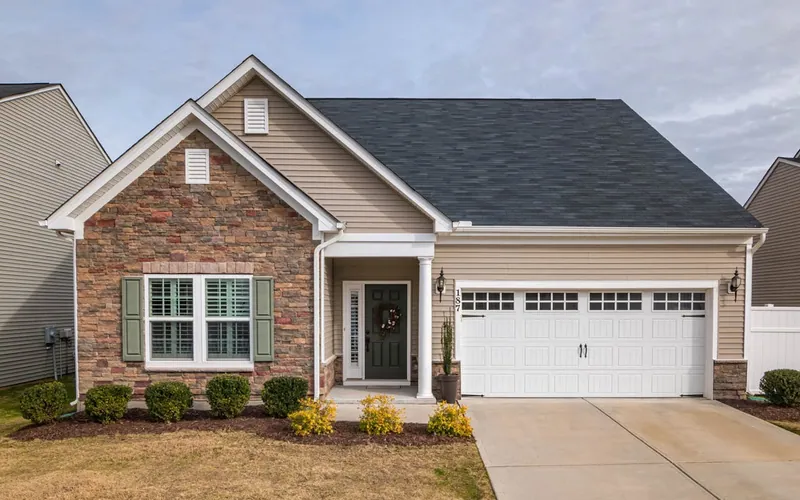
In Milford, OakBrook Senior Living at Milford gives families a concrete local example of the community-style setting to compare against any home-style option they find. Seeing both in person, at the hour of the day when the resident is most active, tells you more than any brochure.
Residential care costs around Milford
Home-style care is often assumed to be cheaper simply because it is smaller, but that is not a safe assumption because price depends on the level of help a resident needs, whether bathing and medication support are bundled or billed separately, and how the home handles overnight coverage. Two houses on the same street can quote very different totals for the same person.
As a rough reference for Milford, the typical starting rate across listed communities is $4,500 per month. Treat that as a starting point rather than a final bill, since care level adjustments are common once an assessment is done. Ask every provider to put the full monthly figure in writing, including what triggers an increase.
Families also do well to ask what happens when needs change. A house that cannot support a two-person transfer may ask a resident to move, and a second move in a short span is costly in every sense. A community with several levels of support under one roof can sometimes absorb that change without a relocation.
Shortlisting among Milford communities
Before calling anyone in Milford, jot down a typical day for the person who will be moving: when they wake, whether they like company at meals, how steady they are on their feet, and what they do when they feel anxious. Then compare each Milford option against that list rather than against each other.
Visit at least twice, once by appointment and once at an off hour such as late afternoon. Watch how staff speak to residents when no one is giving a tour. Notice whether people look comfortable in common rooms, and whether caregivers use residents' names without checking a badge or a chart.
Ask about staffing in plain terms: who is awake overnight, who covers when a caregiver calls out, and how quickly a family member hears about a fall or a change in appetite. In a small home these answers are usually direct. In a larger community they are usually organized and documented. Neither is wrong, but you should know which you are choosing.
It also helps to ask how far the setting is from the family members who will visit most. In a village like Milford, a ten-minute drive means a resident sees a daughter or son several times a week, and that rhythm often matters more to a resident than any feature on a floor plan.
How a local advisor helps with the residential decision in Milford
Choosing between a house with a few residents and a larger community is hard to do from a spreadsheet. A local advisor knows which settings have a reputation for steady staff, which ones handle memory changes gracefully, and which ones tend to have a room open when a hospital discharge is days away.
That guidance costs families nothing, and it saves hours of phone calls placed to places that were never a fit. If weighing home-style care against a larger Milford community feels like too much to sort out alone, feel free to reach out for a short conversation about the needs involved and what the family can manage.
Our Milford directory keeps expanding as we evaluate providers for quality and alignment in 2026. Reach out for a conversation about residential care homes in Milford, or look through the communities we have vetted at your own pace.