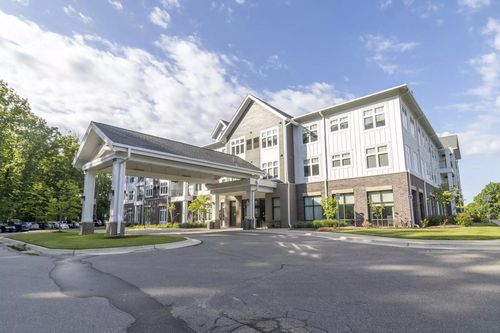
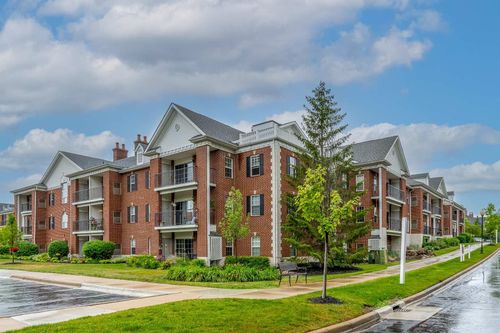
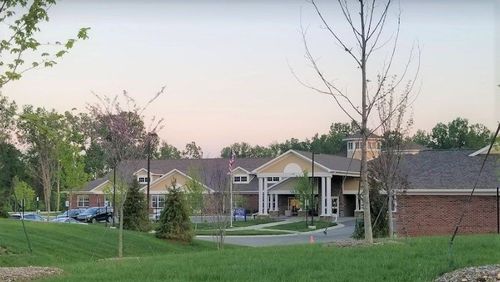
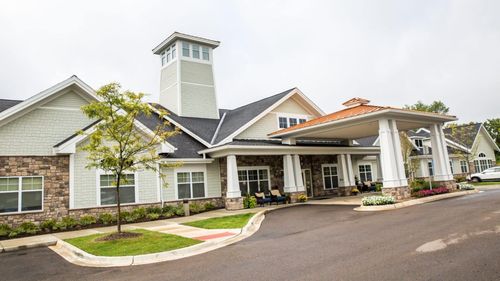
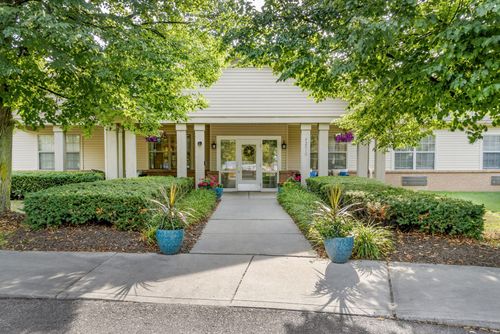
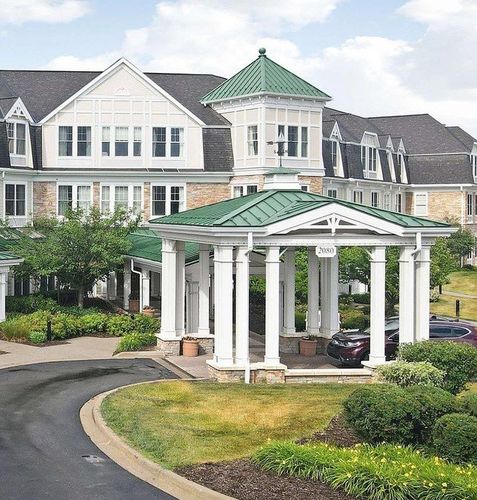
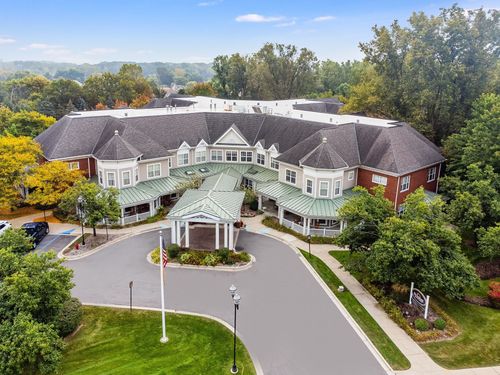
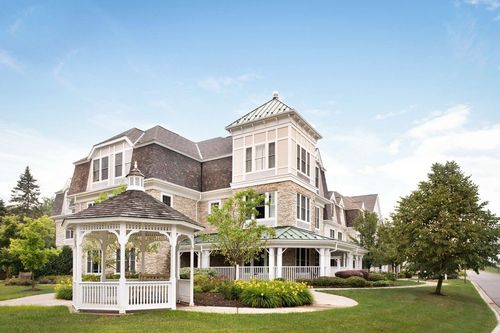
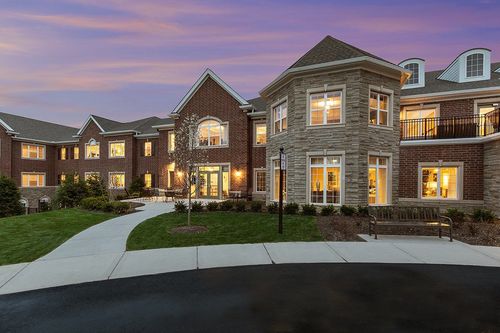
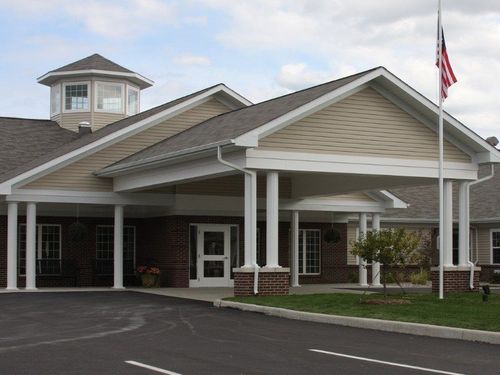
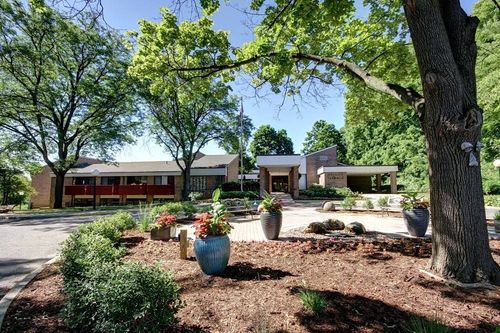
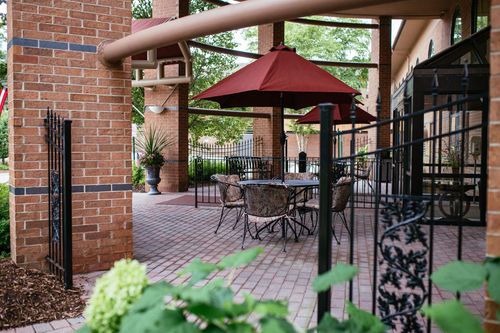
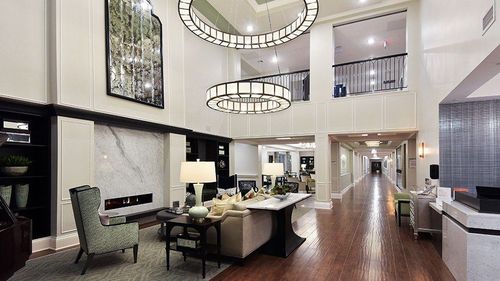
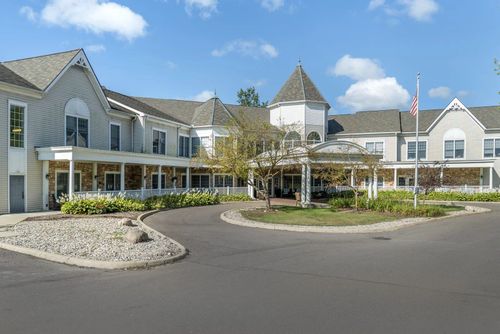
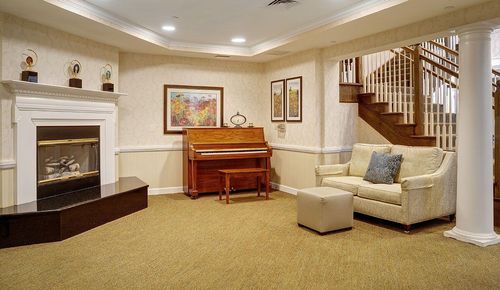
A fortnight in a community does something a fortnight of visits cannot, which is why some Milford families book a short stay for reasons that have nothing to do with a caregiver going away. Somebody living alone has stopped cooking properly, stopped answering the telephone in the evenings, and stopped seeing anybody between Sunday visits. Cranberry Park Of Milford on Whitlow Drive takes short-term guests into a community of around sixty residents, where permanent residency begins at $5,200 a month.
The more familiar reasons apply here too: a caregiver facing their own operation, a family finally taking the holiday they have deferred twice, a discharge that leaves somebody safe on their feet but not safe alone in a house with stairs.
What a Short Stay Provides
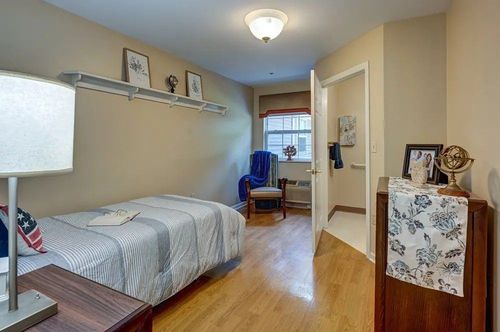
The room is furnished, so the packing runs to clothes, toiletries and medication rather than furniture. From the first day a guest is treated as a resident: meals in the dining room, assistance with washing, dressing and medication at whatever level the assessment establishes, the day's activities, and staff on duty overnight.
Two things are fixed before a booking is agreed. Communities of this kind set a floor on the length of a stay, usually a matter of weeks, and an assessment determines what support the guest needs, which shapes both the staffing and the rate. Since a secured memory care setting operates within the same building, somebody living with dementia can frequently be accommodated, though those rooms are the fewest and go soonest.
Paying for the Fortnight
The $5,200 monthly figure describes permanent residency and misleads if it is read as two weeks of cost. Short stays are quoted per day, and a day generally works out above the equivalent portion of a month, since preparing a room for one guest after another consumes staff time that a settled apartment does not.
The expense falls to the household in nearly every case. Medicare purchases no supportive stay in a senior living community, and what it labels respite belongs to hospice and amounts to a handful of inpatient days. Waiver money from the state is set aside for residents with continuing care needs whose finances sit inside its limits. A long-term care policy sometimes carries a respite clause, and certain veterans' benefits contribute, so both documents deserve reading before anything is assumed.
When the Stay Is Really a Trial
Where isolation is the reason for the booking, judge the fortnight on the right things. Whether the person is eating three meals rather than picking at one. Whether they have started sitting in a communal room instead of staying behind a closed door. Whether staff have learned what they like to talk about by the end of the first week.
Those are the signals worth watching, rather than whether the room is bigger than the bedroom at home. Where the stay works, the community can convert it to permanent residency on its usual terms; where it does not, a household has learned something important without giving up a house or signing anything long.
Three Answers That Keep Moving
Three answers decide these bookings and every one of them shifts: the availability of a room across the dates wanted, the current daily figure, and whether an assessment supports somebody with these particular needs.
Someone covering this part of Oakland County can put all three to the community at once, and can say frankly when a request is unlikely to work as it stands. If a trip or an operation is already booked, or if a household simply wants to test whether company helps, reach out while the dates are still movable.
We keep expanding our Milford coverage as we evaluate providers for quality and alignment in 2026. Start the conversation about respite care in Milford, or look through the buildings we cover at your own pace.