Memory care is the level Monroe is best supplied for. Most of the city's senior-living rooms sit behind a secured door, which inverts the usual picture, so a household searching for a dementia setting here is looking at the well-stocked end of the local market rather than the scarce one.
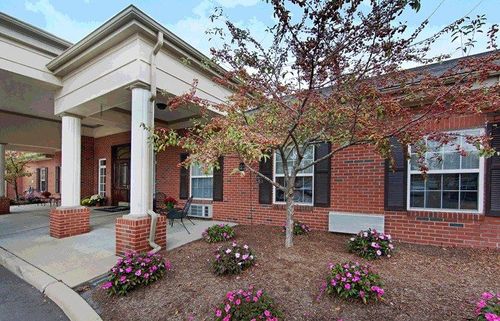
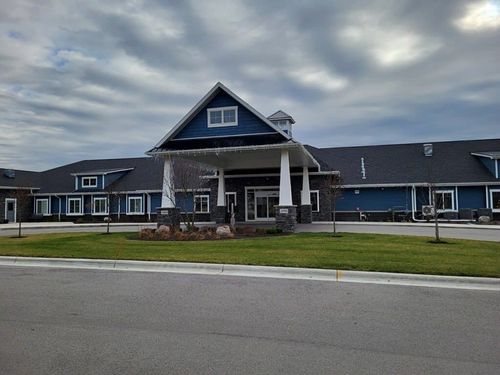
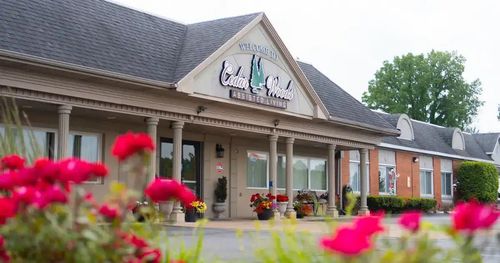
The 2 addresses providing it, Alice Lorraine Care Center and Brookdale Monroe, are not variations on a theme. One of them is a residential home that keeps part of its rooms secured, while the other is secured from the front door inward, with every resident living at the same stage from the day they arrive.
Two Buildings, Two Different Ideas of a Day
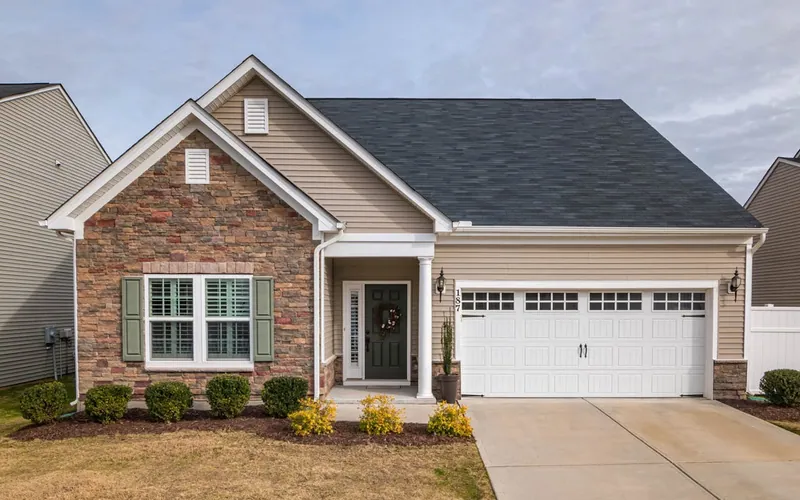
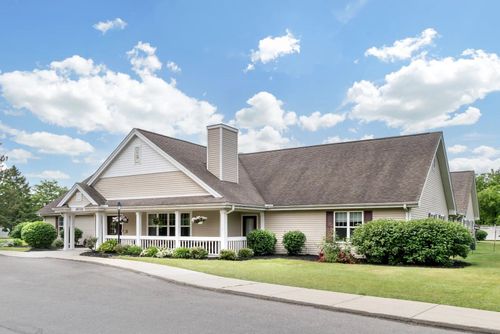
Inside a residential home the secured part of the building is a handful of rooms rather than a wing, and a resident's world is correspondingly small: the same few staff through the week, meals around a table, and the ordinary noises of a house rather than an institution. Some residents settle far better in that, particularly anyone who finds corridors and crowds disorienting.
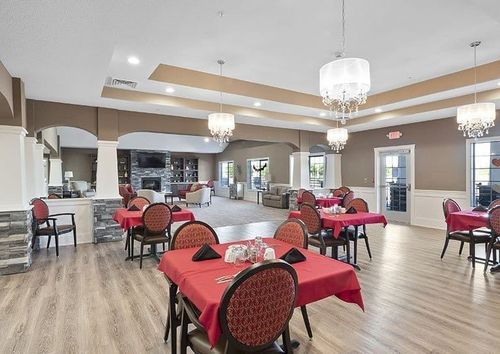
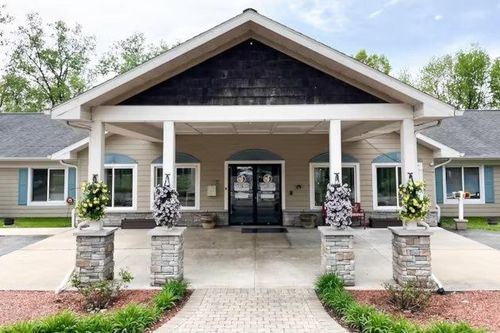
A community secured throughout works on a different principle. Everybody living there is at a similar stage, so the whole building runs at one pace and nobody is being asked to keep up with neighbours who are sharper. Staff are not dividing their attention between two populations, and the activities, the mealtimes and the way an evening is handled are all built around dementia rather than adapted for it. What a resident gives up is the mixed social world of a general building.
Two Starting Points and Why They Differ
The published starting figures are $4,200 a month at Alice Lorraine Care Center and $5,200 at Brookdale Monroe in 2026, and the gap between them is structural rather than a judgement on either. A residential home's entry rate reflects a room in a house where only some of the rooms are secured, while a building secured throughout has no lighter tier for anyone to start in, so its opening figure is already a dementia rate.
Reading the two as cheap and expensive therefore misses what is happening. Neither participates in Medicaid, and Michigan's MI Choice waiver pays toward the supervision and personal care a resident is assessed as needing rather than toward the monthly charge for the room, so both are carried by a private plan. An entry fee and any respite day rate are quoted apart from the monthly figure at each.
What a Secured Majority Says About Demand
Monroe County holds a substantial older population for its size, and the shape of the city's inventory says something specific about it, because the buildings here have been fitted out for dementia rather than for general daily care.
The practical read for a family is reassuring and narrow at the same time. A secured room in Monroe is more findable than in most cities of this size, but there are still only two addresses and they are unalike enough that a room being available and the right room being available are different statements.
Why Families Keep a Parent in Monroe
Dementia is managed across years rather than weeks, which makes continuity of clinicians worth more than a shorter drive to a bigger city. A resident who stays in Monroe keeps the primary care practice that has been tracking the diagnosis from the beginning, and ProMedica Monroe Regional, which holds the records and takes part in the state stroke and heart attack systems, sits a short drive from either address.
The support around the household counts as much as the clinical side. Monroe County falls under the regional agency on aging covering this corner of south-east Michigan, which is where caregiver support, respite funding and the MI Choice assessment all run, so staying inside the county keeps a family inside one system instead of starting again with another.
What a Local Advisor Brings to Monroe
The scarce knowledge in Monroe is not which building has space but which kind of building a person should be in. A Local Senior Advisor working the county can say how each of the two handles a resident whose dementia is early enough that a fully secured community might be more than they need yet, and how each handles one whose needs have gone well past a general household.
That question usually settles the search on its own, because there are only two answers and they are genuinely different from one another. Add what a private plan has to carry where neither address takes Medicaid, and a household has everything it needs to choose, which is generally worth twenty minutes to talk it through before booking a single tour.
The Monroe directory continues to grow as we evaluate providers for quality and alignment in 2026. Reach out for a conversation about memory care in Monroe, or look through the communities we have vetted at your own pace.