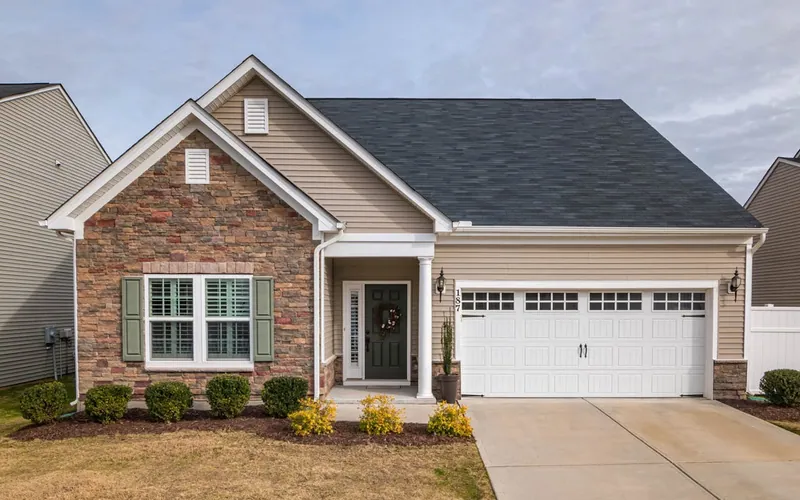
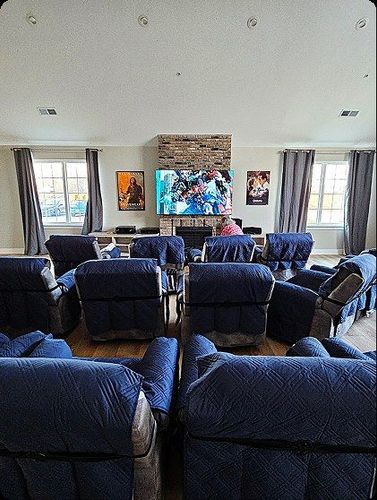
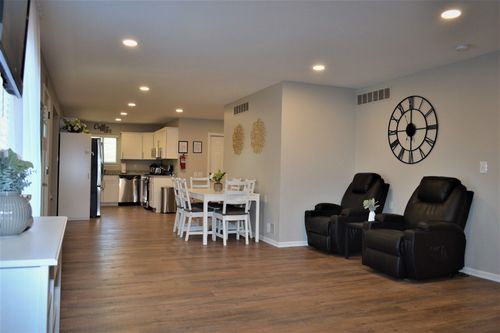
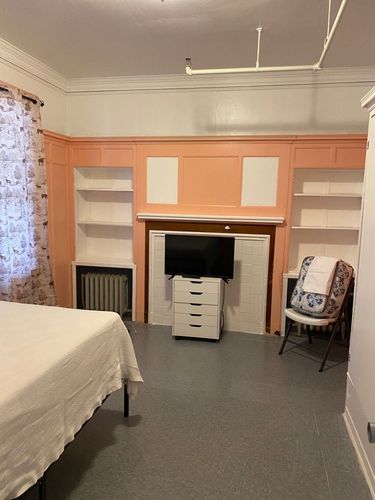
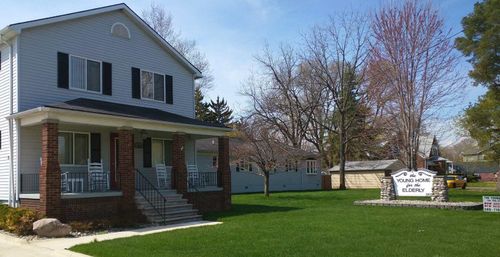
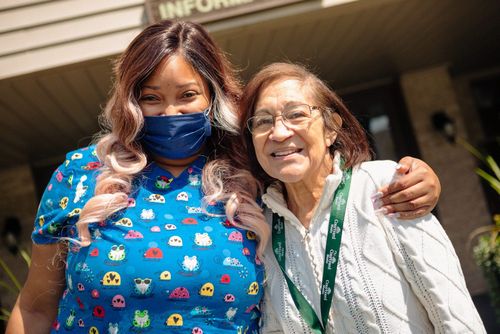
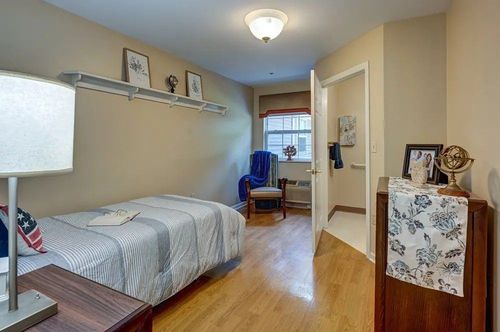
A question almost nobody asks a small care home is what happens to it when the person running it stops. Licensed homes at this scale are frequently owner-operated, sometimes by one family across two generations, and the whole arrangement, the staffing, the atmosphere, the standard, tends to rest on an individual rather than on a management structure. Alice Lorraine Care Center is the licensed home-style setting in Monroe, sitting among the ordinary streets of a River Raisin town rather than on a campus, and a household planning for a parent to be somewhere for five or six years has a legitimate interest in whether the place is likely to still be there and still be itself.
Why Succession Is a Fair Question
A large community changes managers without a resident noticing much, because the systems outlast the people running them. A house of a few bedrooms works the other way: the licensee sets the tone, hires everybody, often cooks, and holds all the accumulated knowledge about who sleeps badly and who will not eat fish. When that person retires, sells or becomes unwell, the home either transfers to somebody who continues it or closes and the residents move.
Asking about it is neither rude nor morbid, and it is routinely asked. Reasonable versions of the question are how long the current licensee has run the home, whether anybody else is involved in running it, and what would happen to residents if the license changed hands. A well-run home has thought about this and will say so. One that has not is not necessarily badly run, but a family now knows something worth knowing, and can weigh it against everything else.
What Living There Involves
What the house provides is custodial help, meaning assistance with washing and dressing, a steadying hand between rooms, medications given correctly and on time, laundry done, a room kept clean, and somebody present all night. Clinical treatment falls outside what a Michigan license permits, so a resident who has begun needing daily nursing has moved past what this kind of setting may lawfully provide.
The counterweight belongs here as plainly as it belongs anywhere else. A large community in Monroe County runs a fuller week, seats more people at dinner and keeps more staff on duty at once, and a resident who leaves a busy room feeling better rather than drained is genuinely served better there. The small house suits the other kind of person, and choosing between them is a matter of temperament rather than of quality.
What It Costs in Monroe
The figure published locally as a starting point is $4,200 a month. Quotes land on both sides of it, since what a house of this size charges follows the person rather than the address. Hours dominate the cost of a small house, and one resident needing two people at every transfer, or waking repeatedly, can account for more of a week's staffing than several residents who need only prompting. A private bedroom costs more than a shared one, and any number given before an assessment is an opening position.
The money is overwhelmingly private, from a pension, savings or a house sold in Monroe County. A long-term-care policy, where one exists, will often cover a licensed home on the same footing as a larger community, though it is the policy schedule that decides that rather than the home. It is worth establishing early which extras sit outside the monthly figure, transport to appointments being the one that most often surprises people.
What an Advisor Adds
A house of this size leaves almost no trace on the internet. Nothing is advertised, no vacancy is posted, and one resident arriving or leaving reverses the position entirely, so any impression of availability formed from a website is likely to be weeks out of date.
An advisor covering Monroe County holds a current answer, raises the licensing question early, and will ask about succession on a household's behalf, which is easier coming from somebody who asks it routinely than from a family worried about giving offense. Where anything about the fit or the timing does not work, hearing it now beats finding out after a visit, and it is worth a short conversation before anything else gets arranged.
We keep expanding our Monroe coverage as we evaluate providers for quality and alignment in 2026. Start the conversation about residential care homes in Monroe, or scan the buildings we cover at your own pace.