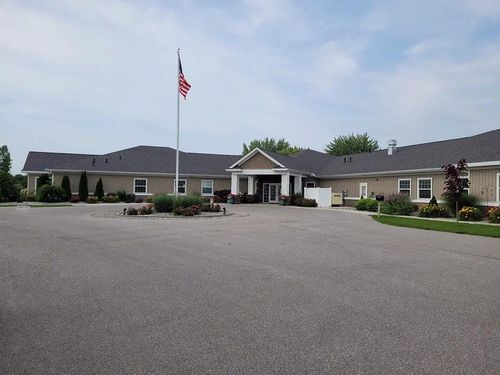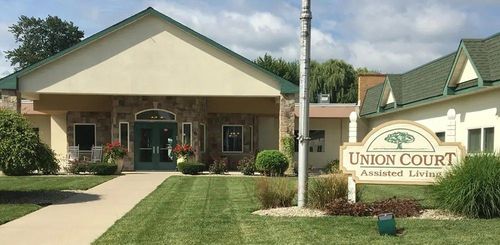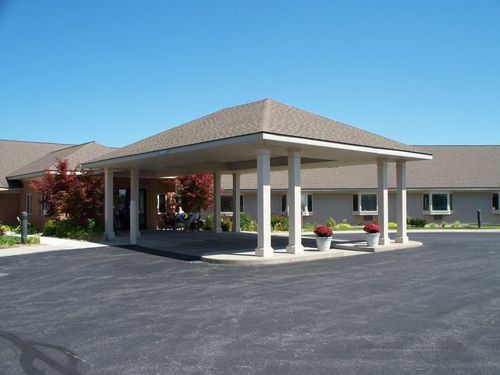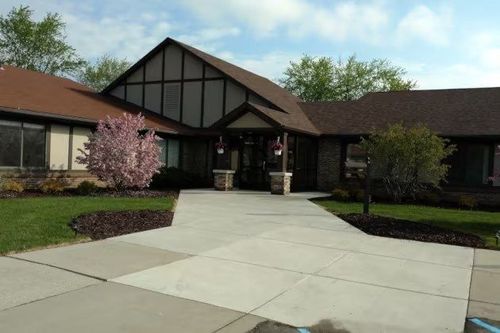
Montrose offers short stays at one address, and it is a specialist one. Hampton Manor of Montrose on Vienna Road is a small home-style setting given over to memory care alongside assisted living, which means a temporary booking here is not the general-purpose fortnight it would be in a larger town. It is a secured household, and that shapes who it fits before any question of dates or money arises.
For a caregiver looking after somebody with dementia, that specialism is the point rather than a limitation. Two weeks of respite in a building set up for general assisted living can go badly for a resident who wanders or becomes agitated in the late afternoon, and a household built for exactly that is a better temporary home than a bigger, busier one. Genesee County holds around 80,000 residents past sixty-five, and its northern villages carry very little senior living, so what Montrose does have is worth understanding precisely.
What a Short Stay in a Secured Household Involves
A guest is admitted as a resident with an agreed finish date, and everything the permanent residents get applies equally: a room already furnished, food from the same kitchen, prescriptions handled, and somebody awake overnight. Because the setting is a household rather than a building, the guest joins one table and one routine, and the same small group of caregivers is present across the shifts, which is generally easier on somebody with memory loss than a rotating roster would be.
The assessment before admission carries more weight here than at a general address. It establishes what the guest needs day to day and whether the household can meet it safely, and the honest answer is sometimes no, particularly where behaviour is unpredictable or physical needs are high. That is a legitimate answer rather than an obstacle, and getting it early is better than getting it late.
What a Short Stay Costs in Montrose
Hampton Manor of Montrose publishes $5,014 a month, a figure attached to a permanent place rather than a temporary one. Short bookings are billed by the day, and a daily rate typically comes to more than a monthly one divided across thirty, because the room is prepared and released again inside a short window. Most settings apply a minimum booking length too, and in a house that constraint is firmer than in a large building.
None of the cost of any of it is publicly funded. Medicare provides respite only within the hospice benefit and only for somebody already enrolled, and its therapy coverage sits inside skilled nursing after a hospital admission that qualifies, so an ordinary custodial stay falls outside both. Michigan Medicaid supports continuing care for residents who satisfy its financial and functional tests rather than temporary arrangements. Private funds carry a booking, occasionally with a long-term care insurance policy meeting part of it.
Getting a Booking to Work in a Village
Capacity is the single fact that governs everything else here. A household holds few rooms, so one temporary booking occupies the whole of what is available, and with a single address in the village there is nowhere local to try when the dates are taken. That argues for opening the conversation weeks ahead of a planned absence rather than days, and for treating a confirmed room as the thing that fixes the calendar rather than the other way round.
Suitability is the second consideration and it runs in the guest's favour more often than families expect. Somebody with dementia who is easily overwhelmed usually settles better into a household of a few people than into a large secured wing, and the trial value is real: a family weighing a permanent move gets a genuine look at how their relative responds to this particular setting rather than to the idea of one.
What a Local Advisor Brings to a Montrose Booking
Three answers decide a stay and none of them are published anywhere: whether the room is free across the dates, what minimum booking the home will accept, and what the daily figure becomes once the assessment is done. In a village with one address those answers matter more than they would in a city with alternatives.
The suitability judgement is the second half, and in a secured household it is the one worth getting outside help with, because a guest placed where the setting cannot meet their needs has a difficult fortnight and the family learns nothing useful. With Montrose dates coming up, a few minutes to talk it through before anything is fixed is time well spent.
Our directory for Montrose continues to grow as we evaluate providers for quality and alignment in 2026. Start the conversation about respite care in Montrose, or scan the buildings we cover at your own pace.