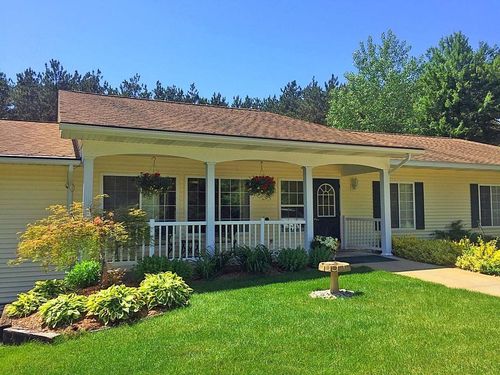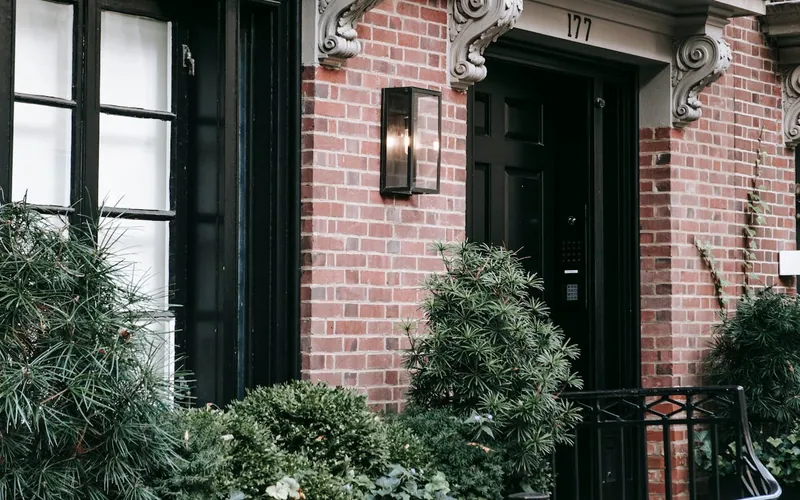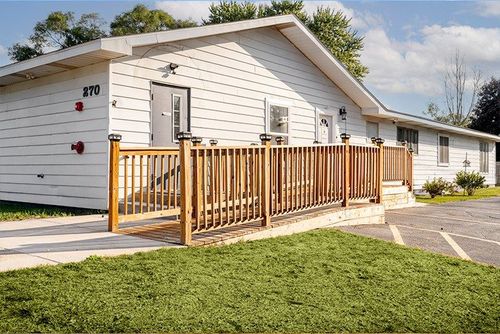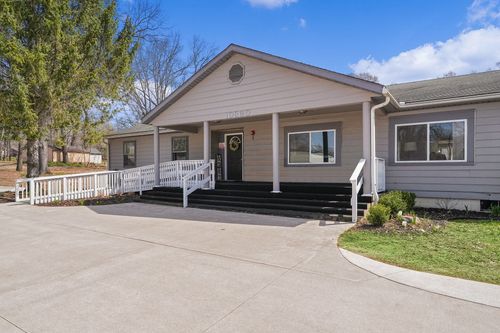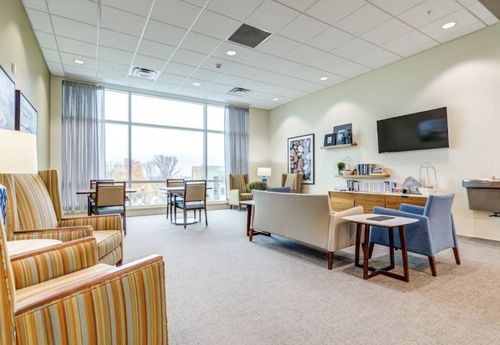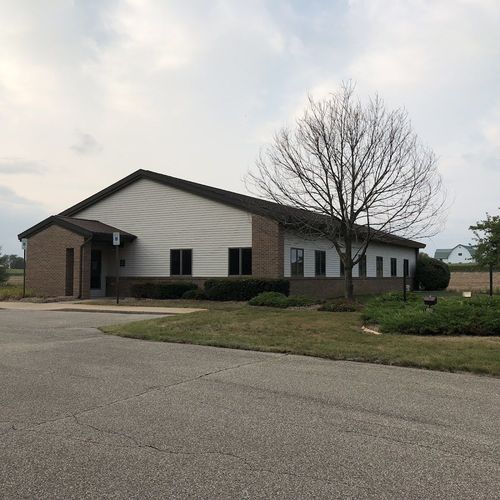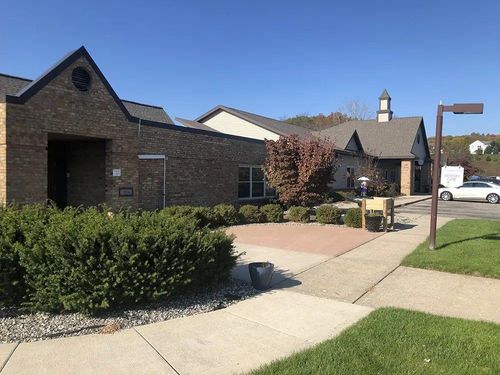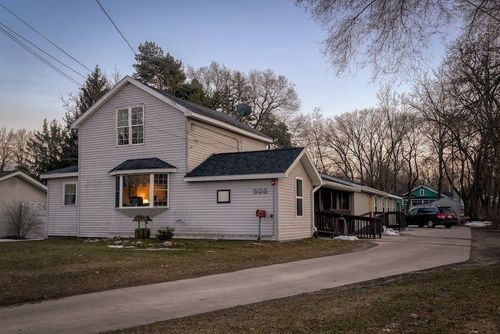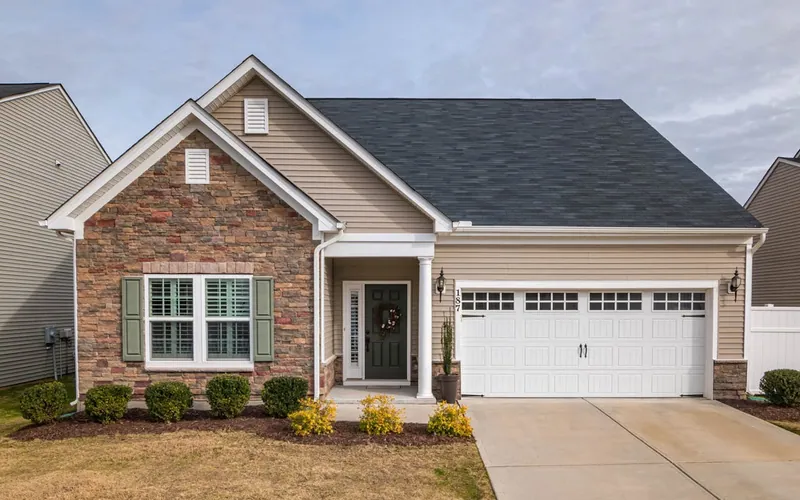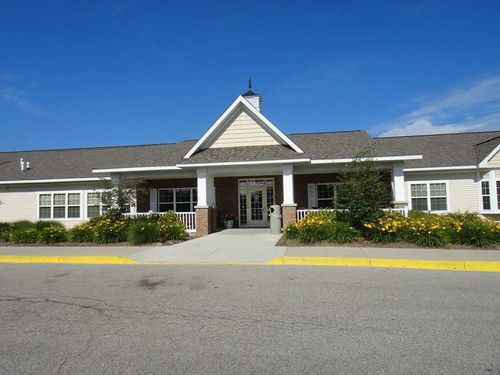

There is a particular resident for whom a small licensed home is not a compromise but the obviously right answer, and recognizing them is most of what this page is for. Someone who finds a room with forty people in it exhausting rather than sociable. Someone whose dementia has reached the stage where too many faces produce agitation. Someone who spent fifty years in a house on a quiet street and would find an apartment corridor genuinely disorienting. Harbor Homes Assisted Living is the licensed home-style setting in Norton Shores, sitting among the residential streets of this stretch of Muskegon County rather than on a campus, which is precisely the point for the households it suits.
The Shape of the Day in a Licensed Home
Michigan licenses these settings as adult foster care homes, which is a category distinct from the homes for the aged license the larger buildings carry, and the label appears throughout local listings well before the phrase assisted living does. What it covers in practice is a household: bedrooms rather than apartments, one kitchen cooking for everybody, and caregivers present in the room rather than summoned to it.
The assistance provided is custodial, meaning bathing, dressing, grooming, moving from room to room, medication support, laundry, housekeeping and cover through the night. Clinical treatment falls outside it, so a resident requiring daily nursing has passed what the state permits a home to do. The counterweight deserves stating honestly, because a larger community elsewhere along the lakeshore offers a fuller week of activities, more people to share a table with and more staff on duty at any hour, and for a resident who thrives on that, the larger building is genuinely the better home rather than the second choice.
What Norton Shores Charges
The monthly starting figure at the local licensed home is $4,200, and a family should expect the number they are eventually quoted to differ from it in either direction. Rates in a house of this size follow the resident more closely than the address, because a person needing two caregivers for transfers or frequent attention through the night consumes a far larger share of a small rota than the same person would in a building with sixty apartments. Whether a bedroom is private or shared moves the figure as well.
Funding is mostly private, from income, savings, a pension or the proceeds of a house. Where a long-term-care insurance policy exists it will often treat a licensed home the same way it treats assisted living, and the policy schedule decides that rather than the community. Michigan contributes through the MI Choice waiver for residents whose assessed needs reach nursing-home level, covering the care while the housing share continues to come from the resident, and through a state addition to the federal disability payment that residents of licensed homes receive each month.
What to Establish Before a Move
Begin with what the state has approved this home to do, because it governs how long an arrangement can last and it is not visible on a visit. Michigan writes each license for named categories of resident need, and the ceiling on how advanced a dementia a house may keep serving sits there rather than in a conversation at the door. A family that raises it at the start avoids arranging a second move at the moment a resident can least withstand one.
The remaining questions are quick to ask and quick to answer. Is the free bedroom private or is it shared. Is there a caregiver awake through the night, or one sleeping on the premises. Will a walker or a wheelchair pass through the bathroom door without a struggle. And what does the house do at three in the morning with someone who is dressed and heading for the front door, which is the question that most reliably separates homes that look similar in daylight.
Reading a Market That Publishes Nothing
Small licensed homes barely exist as far as the internet is concerned, since they do not advertise, they never post a vacancy, and a single resident moving in or out changes the entire picture, so anything a family finds online about availability may have been out of date for weeks by the time they read it.
An advisor covering Muskegon County carries the current answer and raises the approval question at the outset, so a household learns early what degree of need this house is permitted to serve and whether a bedroom has in fact opened up. Where the answer to either is no, learning it in conversation beats discovering it after two visits and a raised hope, so it is worth setting aside a few minutes to talk it through at the start.
The Norton Shores directory continues to grow as we evaluate providers for quality and alignment in 2026. Start the conversation about residential care homes in Norton Shores, or scan the buildings we cover at your own pace.