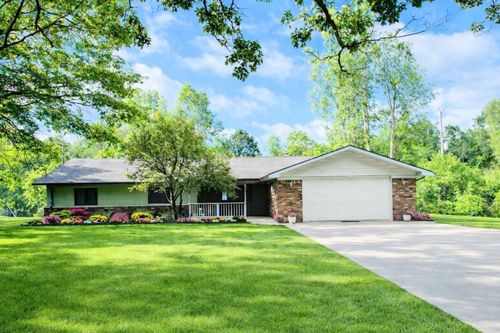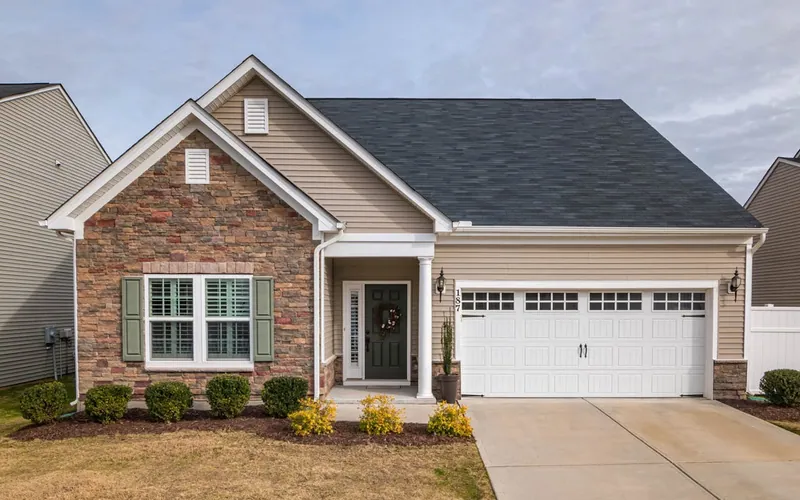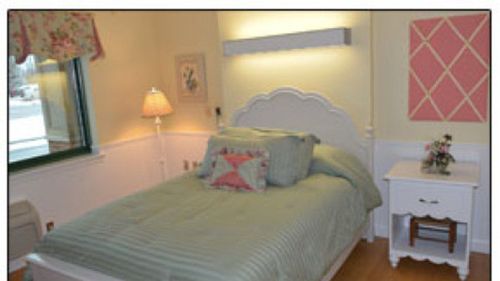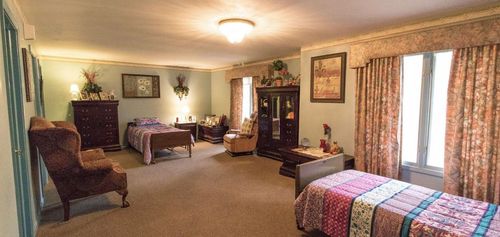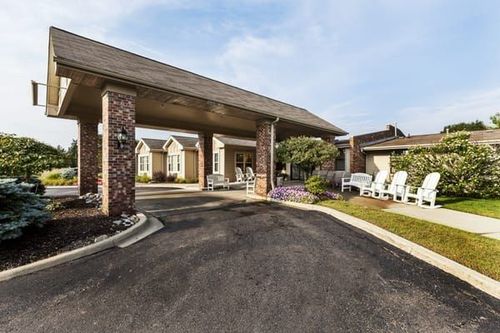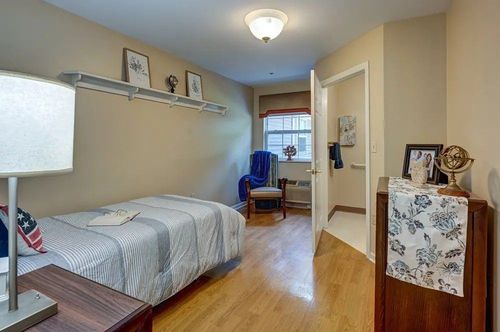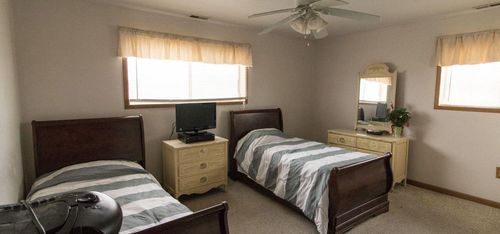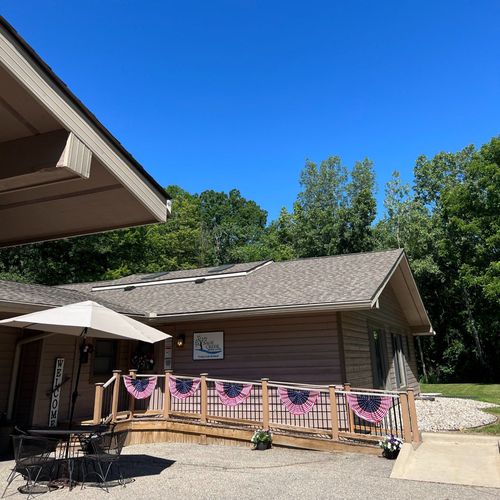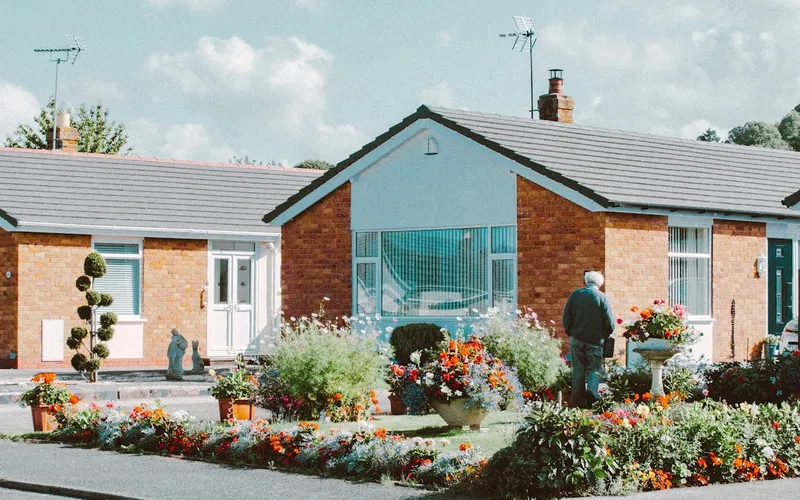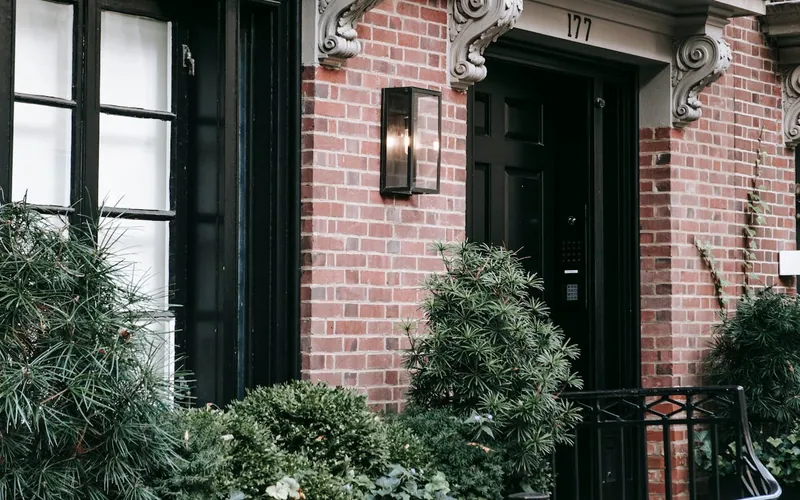
At $4,990 a month, Beehive Homes of Oxford is not the cheapest way to arrange care in this part of Oakland County, and understanding what the figure buys is the whole point of looking at a small licensed home rather than a large building. The house sits on Beehive Drive and holds a small group of residents, which means the arithmetic behind the rate is simple: round-the-clock staffing divided among a handful of people rather than spread across dozens of apartments.
What that produces day to day is a caregiver who is in the room rather than down a corridor, meals cooked where residents can smell them, and staff who notice a change in somebody before it reaches a chart. Families who choose this setting are generally buying attention rather than facilities, and it is worth being clear-eyed that those are different things.
Where the Licence Draws the Line
Michigan regulates these houses through adult foster care licensing, with classes set by how many residents a home may serve and duties attached to each covering staffing, medication handling, food safety, fire precautions and residents' rights. Inspection sits behind the whole framework, which makes one of these houses a regulated care setting that happens to look domestic from the street.
Memory care sits on this home's licence next to assisted living, which matters to a household thinking past the first year, though what any house can genuinely manage depends on its licence class and on how it staffs the small hours. Put both of those questions directly, and ask as well what the home does when a resident becomes resistant during personal care, and at what point it would tell a family that a different setting has become necessary.
What Sits Inside the Rate
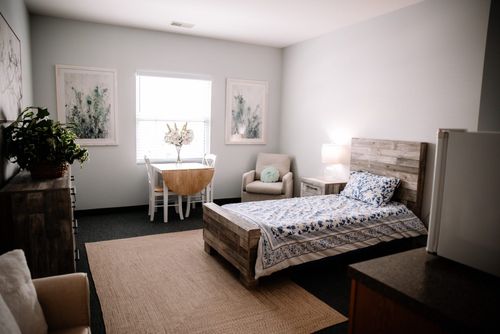
In a house the quoted figure usually behaves as one bundled amount: the bedroom, every meal, personal care, the medication round, laundry and cleaning together. Apartment communities more often name a rent and then add a care charge produced by an assessment, so two numbers that look far apart at first can converge once each is broken out properly.
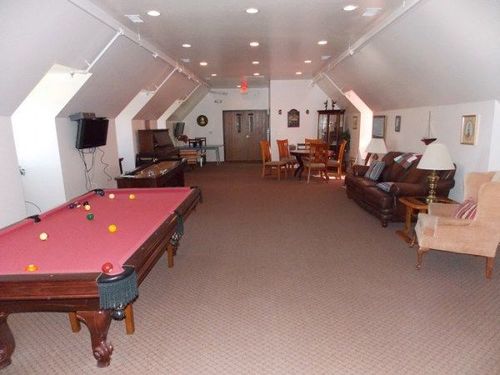
The variables inside the house come down to two. A private bedroom costs more than a shared one, and somebody needing two people for transfers costs more than somebody who mainly needs prompting. A larger community offers what a house has no room to provide, a fuller calendar, more neighbors and space for visiting therapy, and for a sociable resident that may well be the better environment, which is why neither setting deserves to be called the compromise.
What to Look at on a Visit
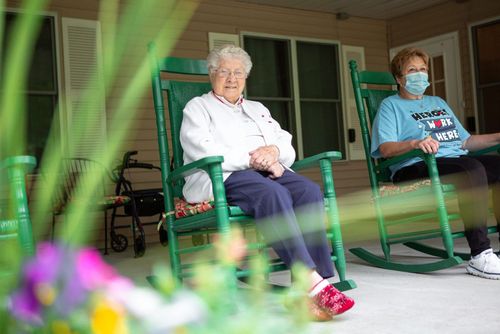
Come by at an unremarkable hour instead of only for the scheduled visit, and pay attention to the middle of the afternoon, which is when a house either has life in it or does not. Notice whether residents are dressed and out of their rooms, whether anything is being cooked, and how a caregiver answers somebody asking the same question for the fifth time.
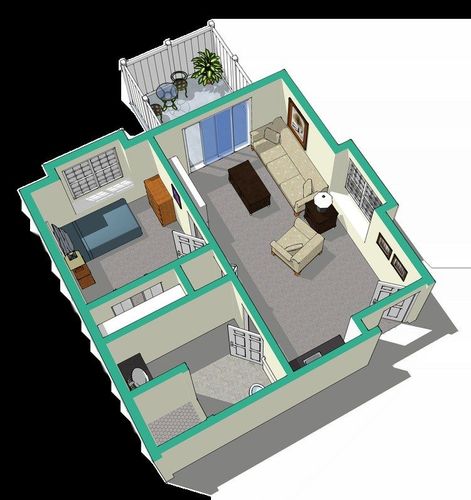
Then ask the structural questions: how many staff are in the house on a Sunday evening, what happens when two residents need help simultaneously, and whether the building was designed for this purpose or adapted to it, since bathroom access and doorway widths shape daily life more than décor does.
Finding the Opening Before It Goes
Licensed homes at this scale seldom advertise, a free bedroom is frequently spoken for inside a week, and a family working the telephone across northern Oakland County usually ends up holding information that has already aged.
Someone covering the area can say whether Beehive Homes of Oxford has a room now, what its licence permits as needs increase, and how it handles the situations families find hardest to raise. For a household that has already ruled out the apartment-style option, a short conversation gets further than a fortnight of calls.
Our directory for Oxford continues to grow as we evaluate providers for quality and alignment in 2026. Reach out for a conversation about residential care homes in Oxford, or browse the communities we have vetted at your own pace.