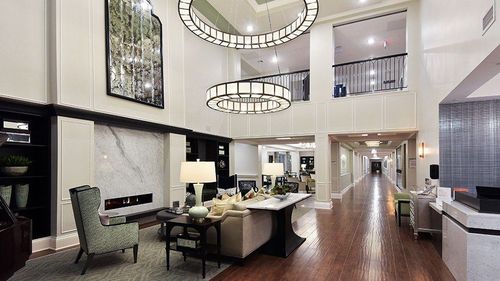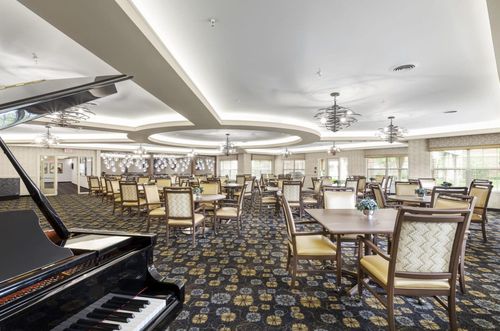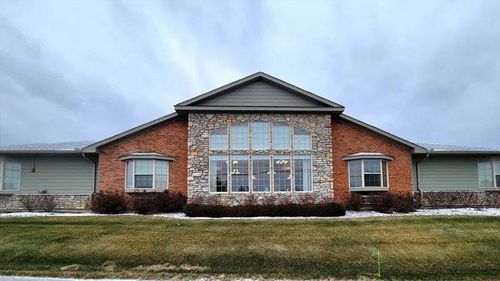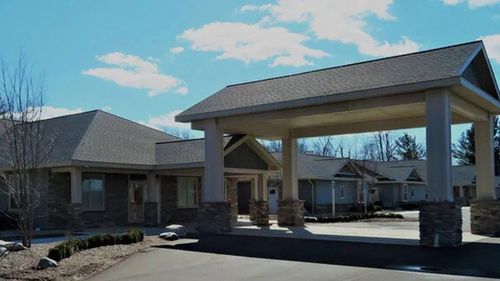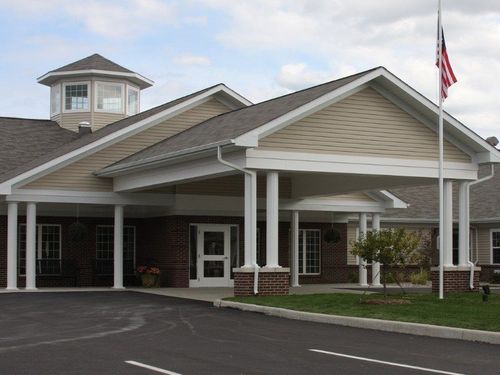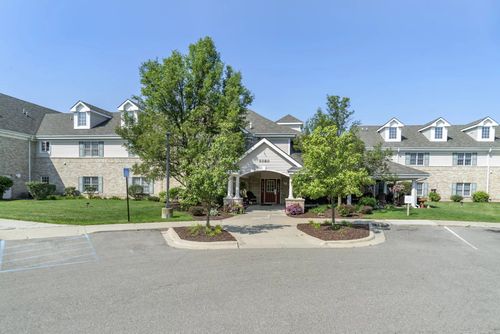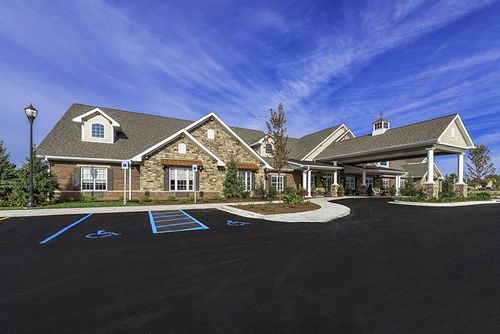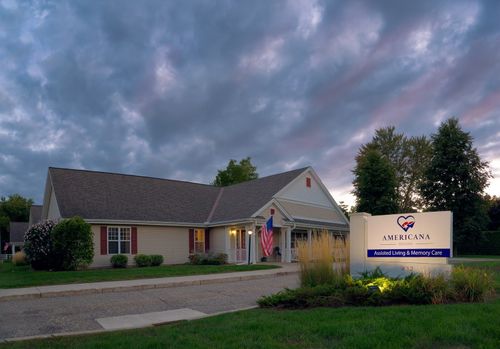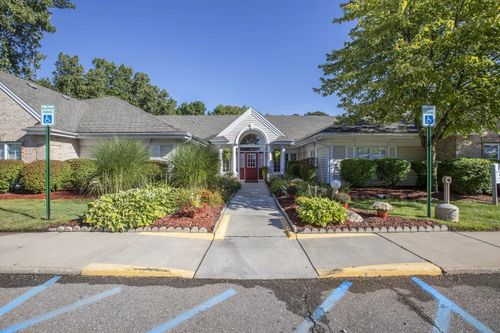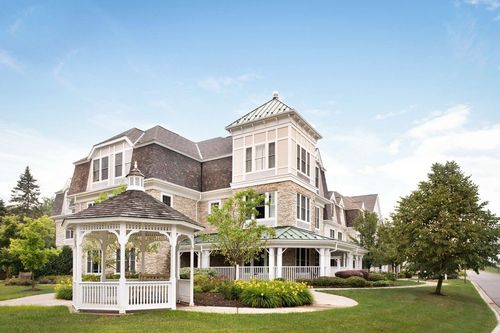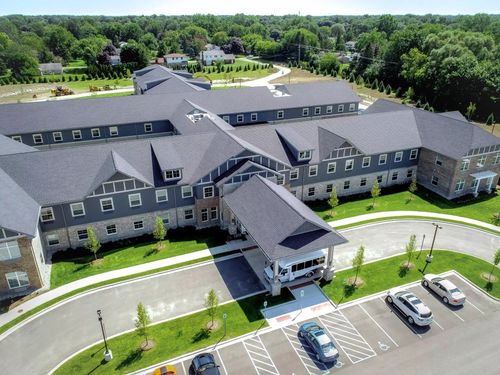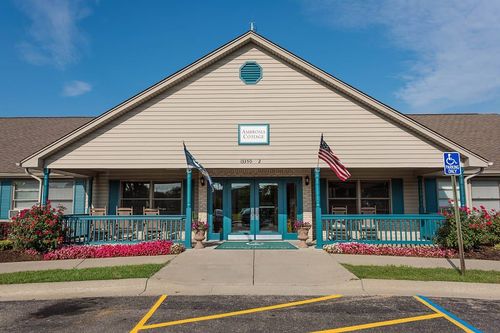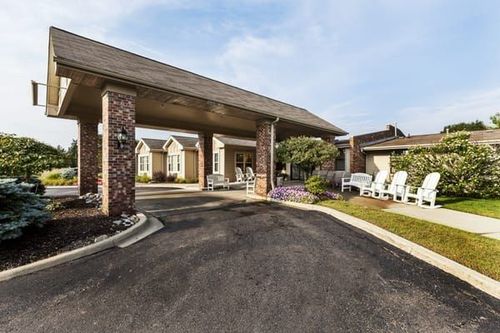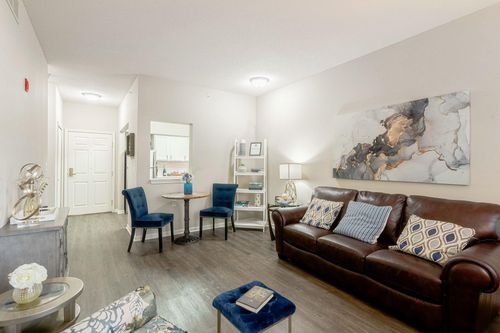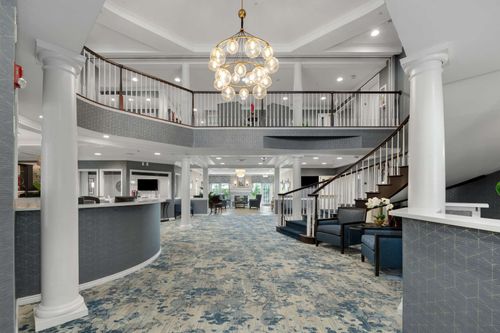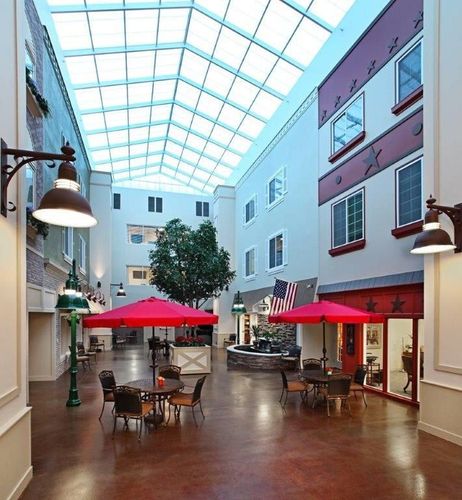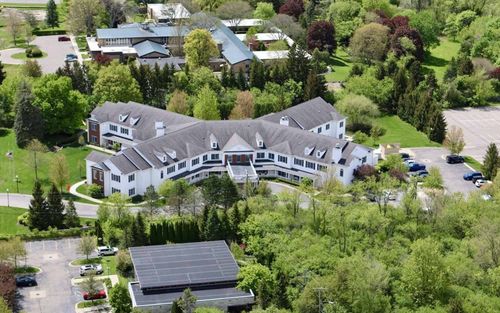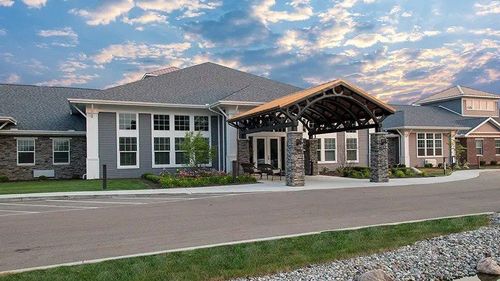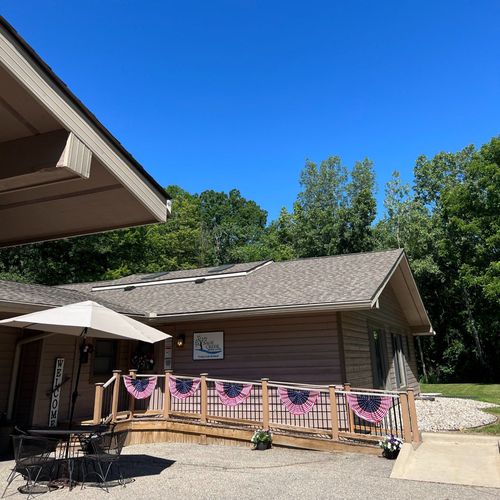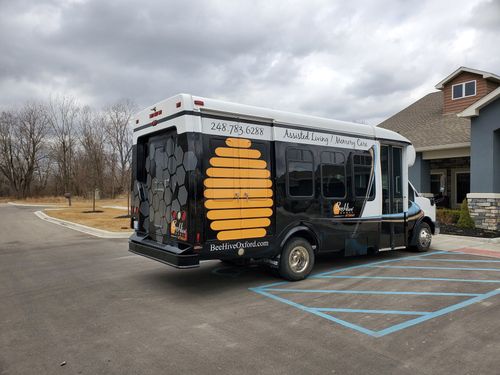
Oxford's dementia care amounts to a single secured household, since Beehive Homes of Oxford on Beehive Drive runs as one secure boundary rather than a building with a wing attached, which means there is no general side and no locked door dividing residents from each other; everybody lives inside the same line.
That structure produces the most useful fact about this village, and it is a financial one. Because the house is already secured and staffed throughout, a resident whose memory needs deepen does not trigger the increase most buildings hold in reserve, and the step between the two levels here is among the narrowest anywhere in Michigan.
One Secure Boundary, Not a Wing
A house built this way removes a set of frictions that larger buildings manage rather than avoid. Nobody is moved between neighbourhoods as their needs change, no resident is the one being quietly relocated, and staff are not splitting a shift between a general floor and a secured one, so the people who know a resident in March are the people looking after them in November.
The counterweight is the same as at any small house: one lounge, one rhythm, one set of neighbours. It suits a resident who is calmed by familiarity and finds a busy building tiring, and it offers less to someone still wanting variety and a choice of company. In a village with one address, working out honestly which of those two residents is the one moving settles most of the decision.
Why the Step Between Levels Is So Small
The published figure at Beehive Homes of Oxford is $4,990 a month in 2026, with the secured level quoted a short distance above it. That gap is unusually narrow, and it is structural rather than generous: a house that is already secured and staffed for dementia throughout has very little extra to add when a resident's needs progress.
For a household expecting that progression, the effect is real. It removes the jump that turns an affordable arrangement into an unaffordable one two years in, which is the single most common way a private plan fails elsewhere. The house takes no Medicaid, and MI Choice funds the helping hands rather than the household they work in, so a stay is met privately. A charge falls due on arrival and sits apart from the monthly rate.
A Village Serving a Wider Corner of the County
Oakland County holds a very large older population, though its northern villages carry a modest share of it, which is why Oxford supports a house rather than a campus. What the village does not control is where the enquiries come from, and a secured household of this size draws from a wider corner of the county than its own population would fill.
The honest consequence is that the answer here is often about waiting. A house this size produces openings rarely, so a household that makes itself known early is in a materially different position from one that starts when a decision has become urgent.
Why Families Choose to Stay in Oxford
The downtown along Washington Street still has its nineteenth-century brick buildings in use, with shops and places to eat in them rather than empty frontages, which makes a village this size feel like somewhere rather than somewhere on the way. Seymour Lake Township Park adds a splash pad, courts and a sledding hill, which for a household whose grandchildren visit in summer beats a quiet garden.
The clinical position is a drive rather than a walk, and it is a good one. Henry Ford Rochester lies south with a stroke and neuroendovascular service and an emergency department that keeps rooms for older patients, while Trinity Health Oakland and McLaren Oakland sit together in Pontiac at the same trauma level. For a resident with dementia the reachable middle of that range is what counts, since a change in behaviour or a medication review needs a short journey rather than a long one.
What a Local Advisor Brings to Oxford
Fifteen minutes of local knowledge beats a fortnight of research when a village has one address. A Local Senior Advisor covering northern Oakland County knows whether Beehive Homes has a bed free, how often that has been true this year, and what the house has actually been quoting once a resident is assessed.
The second contribution is plain candour about the setting, because a single secured household is right for some residents and wrong for others, and an advisor who says so plainly saves a family the worst outcome available here, which is a move that has to be reversed. Both of those questions are worth a short conversation before a first visit rather than after a third.
Our Oxford directory keeps expanding as we evaluate providers for quality and alignment in 2026. Reach out for a conversation about memory care in Oxford, or look through the communities we have vetted at your own pace.