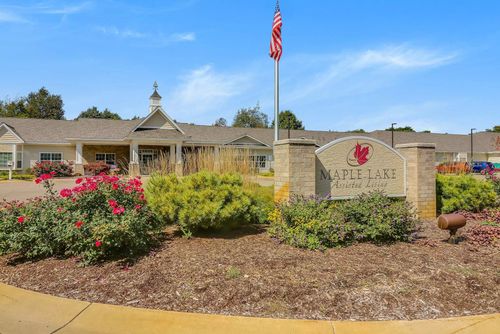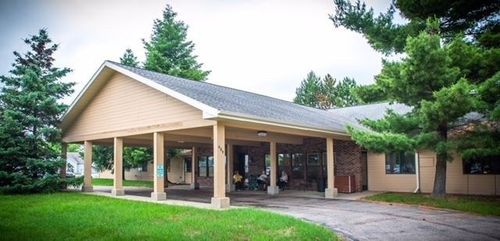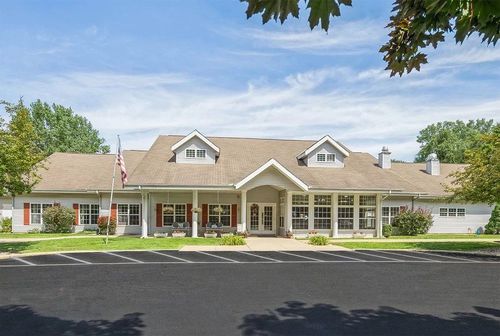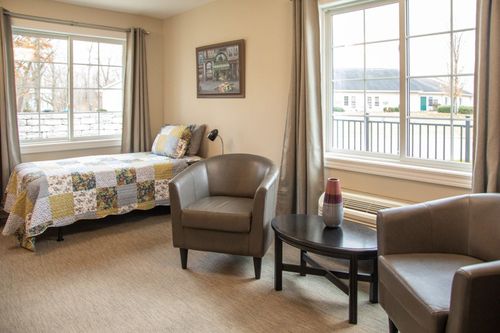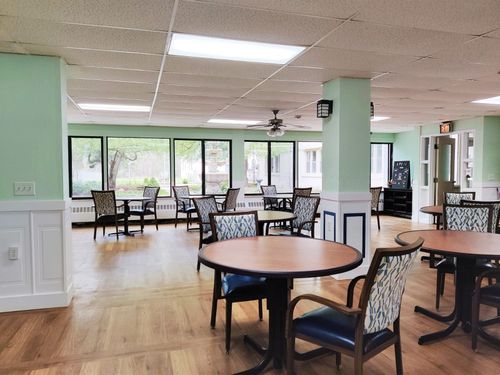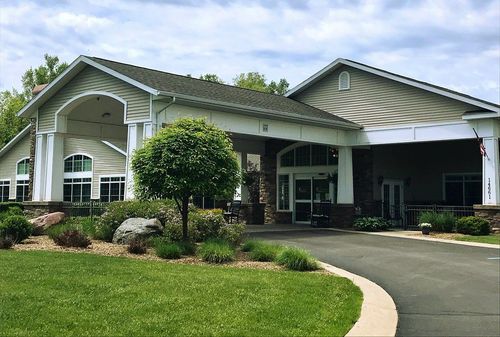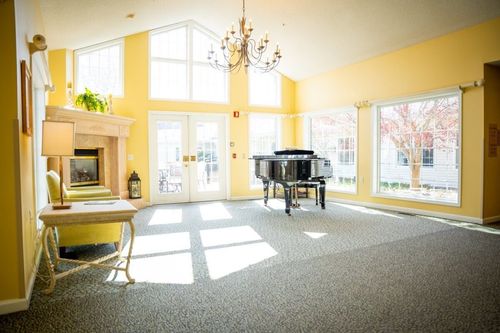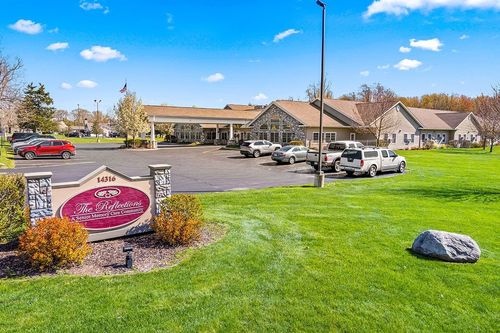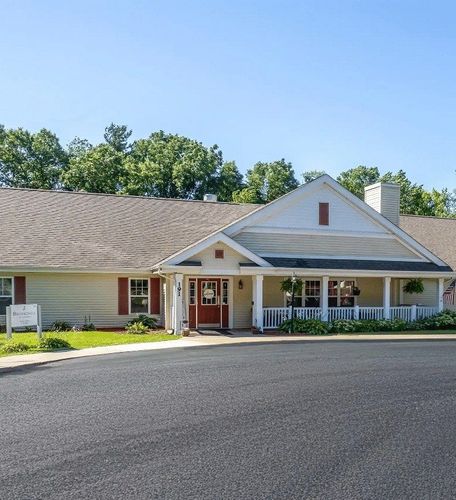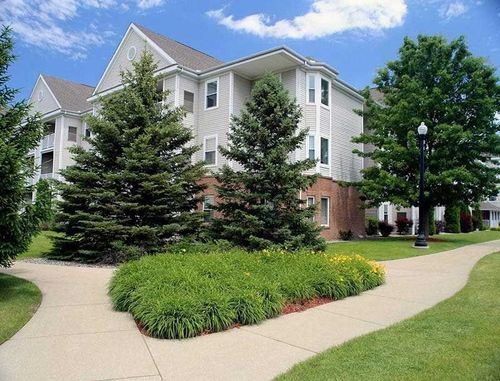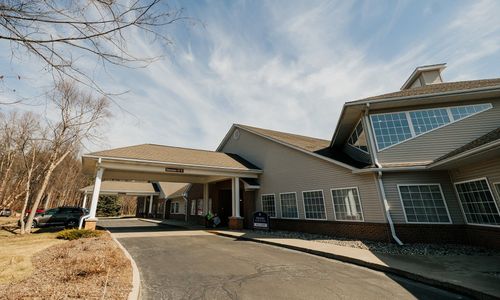
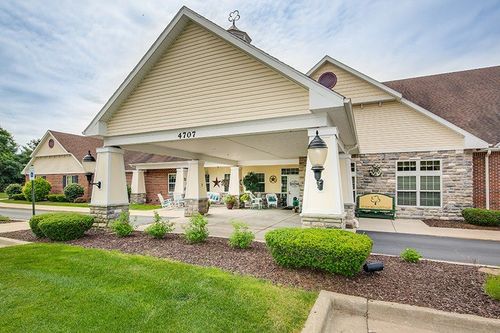
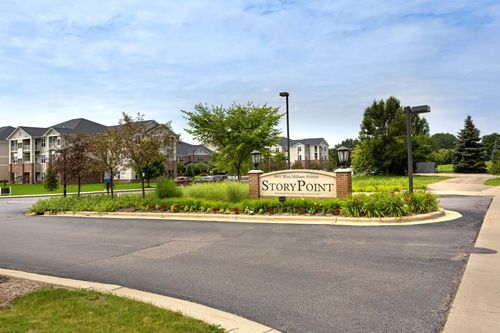

Portage is large enough to be its own city and yet its assisted living has stayed deliberately small, with nothing locally running much past fifty residents. That combination is unusual and it works in a resident's favor, because somebody can move into support without leaving the city they have lived in and without walking into something that feels like an institution.
The 3 local addresses start at a twenty-resident home, one welcomes pets, and one takes respite guests. Families generally begin looking when the ordinary machinery of a week, the cooking, the laundry, the medicines, and the driving, has quietly become a job somebody else is doing.
A Day That Still Belongs to the Resident
At this scale a building runs on relationships rather than systems. Caregivers know that a particular resident takes their tablets more reliably after breakfast than before it, that another one will join an activity if asked directly and never if it only appears on a noticeboard, and that a third has not come out of their room since Tuesday.
The support itself is standard everywhere: staff hold and hand out the medicines, personal help arrives at the level an assessment sets, and meals, laundry, housekeeping, and appointment transport come with the rate. What a smaller building buys is response time, since a caregiver covering fifteen or twenty people spots a change well before one covering eighty. What it can lack is depth when two residents need attention at once, which is exactly the question worth pressing on a visit.
The Base Rate and Everything After It
Local figures are published between $3,450 and $4,200 a month for 2026, a fairly tight band that reflects room type more than any real difference in what the buildings do. In a field this size, price is rarely what decides the choice.
The variable that matters is the care charge, assigned after an assessment scores how much daily help a resident needs and revisited as that changes. A resident admitted needing prompting and a daily check will sit near the published figure, while the same person two years on, needing two people for a transfer, will sit meaningfully above it. None of the Portage addresses participates in Michigan's MI Choice waiver, so this is private funding, and the length of that runway is the number worth working out early.
A City That Fills Its Own Buildings
Portage has enough population to sustain its senior living from within, which is not true of every city on this list, and the residents moving in are largely people who have lived here for decades rather than parents relocated by children.
That makes demand steady rather than lumpy, though a short list of small buildings still means rooms come free irregularly. Whoever has already been assessed and made up their mind is the household that takes it, while the single respite option locally gives everybody else a way to bridge a gap or test a building first.
Everything a Week Needs, Close By
Staying in Portage keeps a resident's practical life intact, from the pharmacy that has held their prescriptions for years to the retail along Westnedge and the library, and for a resident who still gets out under their own steam that continuity is most of what independence means.
The medical picture is equally close, since two full hospital systems sit a short drive north, one at Bronson Methodist and the other at Beacon Kalamazoo, which took the former Borgess name off the building in 2025. A resident who moves into a Portage building keeps every doctor they have, which spares a family the work of transferring records and a resident the experience of explaining their history to strangers.
Fitting a Person to a Short List
When every local option is roughly the same size and price, the differences that matter are ones a tour does not show. How independent are the current residents, and would a new arrival be among peers or among people considerably further along? What does the overnight rota actually look like, and how far will a building go as somebody's needs increase before it asks the family to move?
Those questions are what an advisor is for, alongside the practical checks on where a room is genuinely free, who will take a resident needing more help than a first phone call suggested, and whether respite can be booked when a family is actually able to use it. A short conversation about the resident rather than the buildings usually settles which one to visit first, and in a field this size the first visit tends to be decisive.
Our directory for Portage continues to grow as we evaluate providers for quality and alignment in 2026. Start the conversation about assisted living in Portage, or scan the buildings we cover at your own pace.