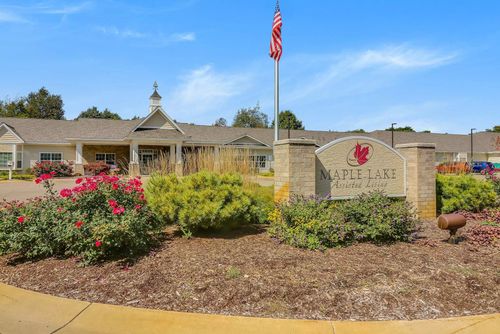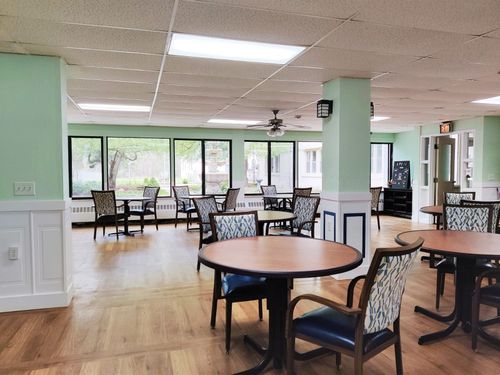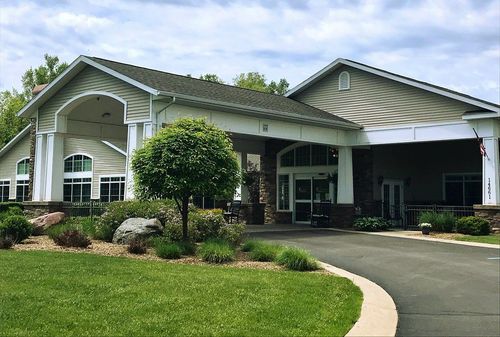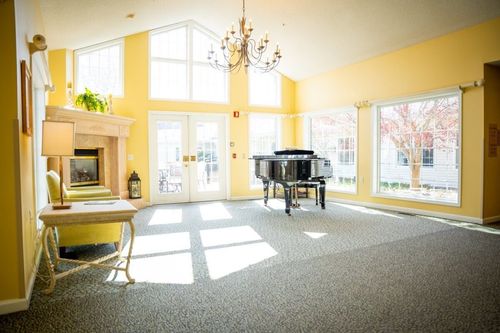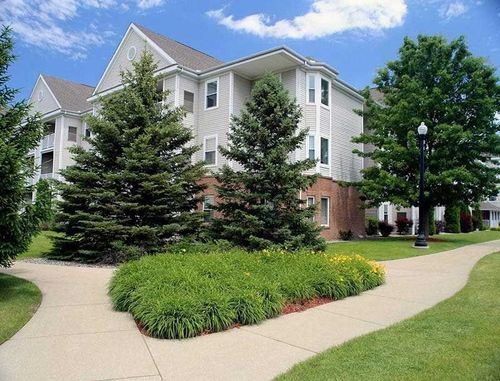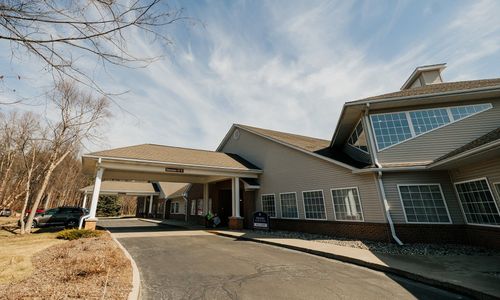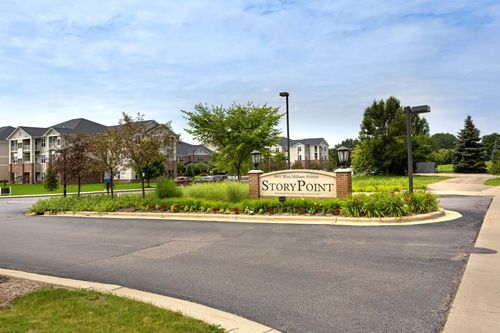

West Milham Avenue carries most of Portage's senior living, and the address on it that welcomes animals is StoryPoint of Portage. The building runs independent apartments, assisted living and a secured memory-care neighborhood, which matters here because a pet policy rarely reads the same way across three levels of care, and the tally of pet-welcoming Portage addresses stands at 1. Portage is a suburb of yards and paved trail, with the creek path threading through it, so a dog that expects a proper walk is not out of place.
The people who need this page tend to have exhausted the other conversations. A parent has agreed in principle that the house is too much, has toured somewhere they liked, and then asked what happens to the dog, and the whole discussion has stalled there for a month. Answering it properly is what lets the rest of the decision start moving again.
Living Alongside Residents Who Do Not Have Animals
The part of pet policy that gets least attention is how a building holds the balance between residents with animals and residents without them, some of whom are allergic, nervous around dogs, or simply want a quiet corridor. That balance is why the rules exist, and reading them as hostility to animals gets the situation backwards. Leashing in shared spaces, keeping animals out of the dining room, and expecting a dog not to bark through the night are ordinary conditions of communal living rather than obstacles.
Around those sit the limits families expect to find, since one animal is the usual allowance, dogs face a ceiling on weight, an insurer occasionally rules out particular breeds, and vaccination records are checked before anything is agreed. Michigan requires a county licence for any dog older than four months, renewed against a current rabies vaccination, which applies to a resident in a community exactly as it does to a homeowner in Portage.
The Cost of Bringing an Animal
Assisted living at the West Milham Avenue building is published at $3,450 a month, and pet charges are quoted separately from the base figure. A one-time deposit is the norm, sometimes partly returnable and sometimes not, and many communities add a recurring monthly amount for each animal. Neither is large against the monthly rate, but a household budgeting to the dollar should have both numbers before signing rather than after.
Those charges are written for pets and reach nothing else. Under federal fair housing rules a working dog trained around its handler's disability sits outside the pet category altogether, as does an animal carrying documentation that it answers a disability-related need, and neither can be charged a deposit or a recurring fee or held to a weight ceiling. Damage to a room is still the resident's responsibility. The documentation standards in this area have been contested lately, so the outcome in a particular case is decided under current law rather than promised in advance.
Which Level of Care Changes the Answer
Because this building spans three levels, the practical narrowing happens inside it. Independent apartments are usually the easiest setting for an animal, since a resident there manages their own day and their own dog without assistance. Assisted living sits in the middle, workable where the resident can still handle feeding and walking or has someone reliable who can. A secured memory-care neighborhood is commonly the most restricted of the three, since consistent day-to-day care of an animal may be beyond a resident living with advanced dementia, and the door itself is managed differently.
That progression is worth understanding before a first move rather than during a second. A household choosing an independent apartment now, with a parent whose needs are likely to grow, should ask what happens to the animal at each subsequent step rather than assuming the answer travels with the resident.
What a Local Advisor Adds on West Milham Avenue
Someone working Kalamazoo County can establish what the building currently permits at the specific level a parent is entering, what the deposit and monthly figure amount to this year, and how animals have actually been handled for residents moving up a level. None of that is published anywhere a family can look it up.
The same person will ask who walks the dog when the resident cannot, which is a duller question than the weight limit and decides more placements. If the animal is what has stalled a Portage decision, reach out and settle it, because the rest of the search gets considerably simpler once that answer exists.
Our directory for Portage continues to grow as we evaluate providers for quality and alignment in 2026. Start the conversation about pet friendly in Portage, or scan the buildings we cover at your own pace.