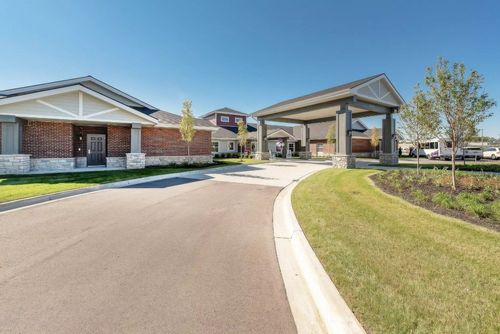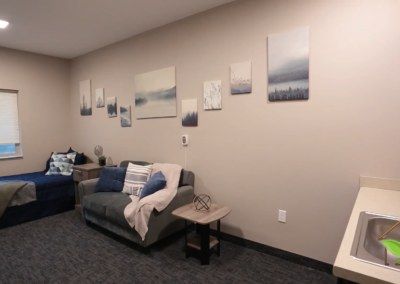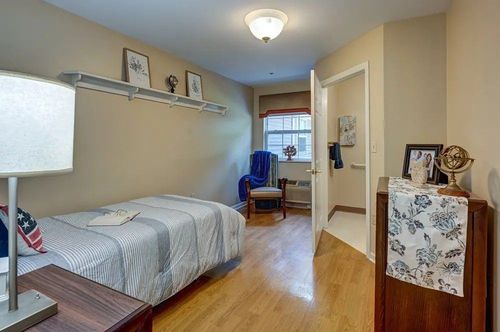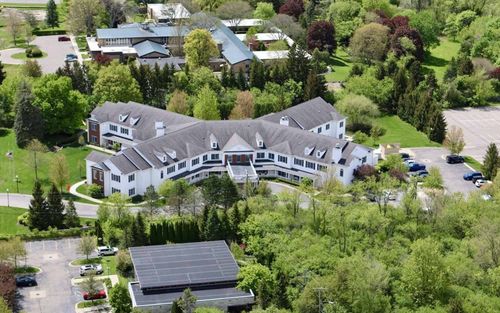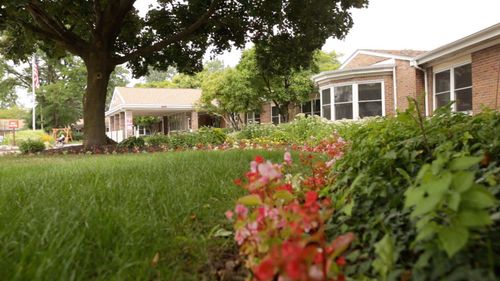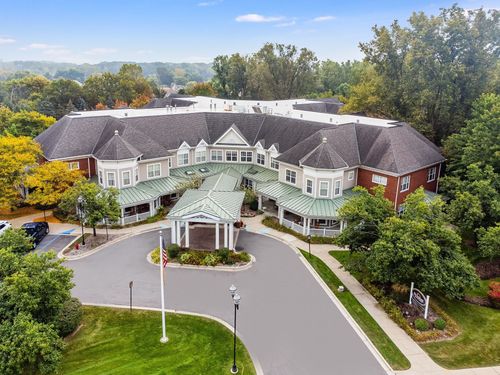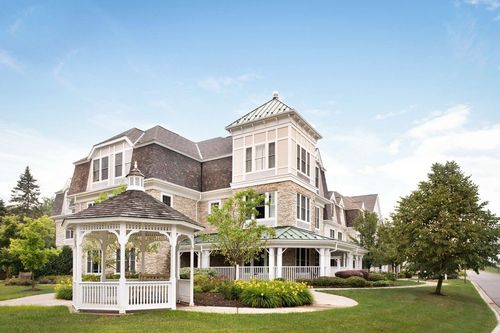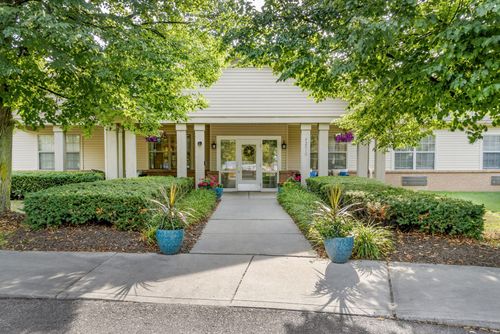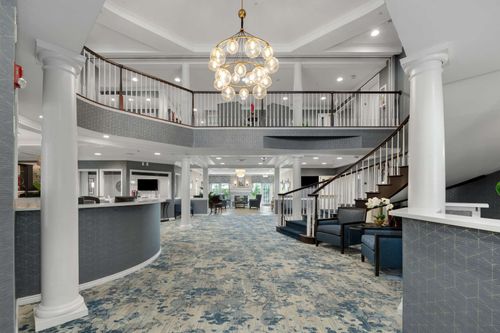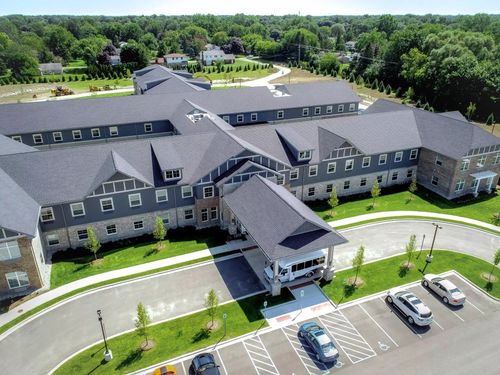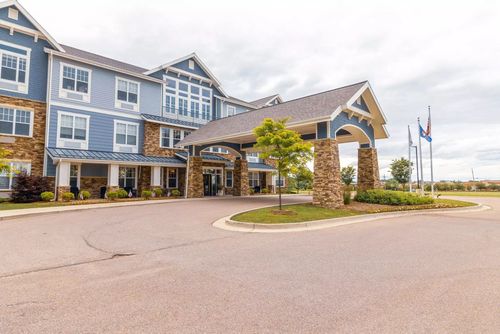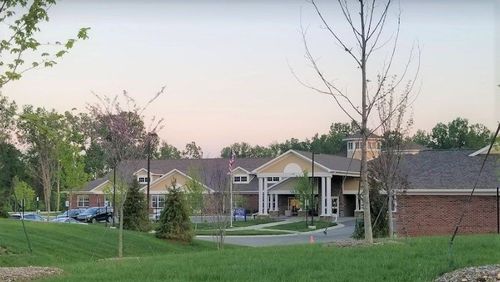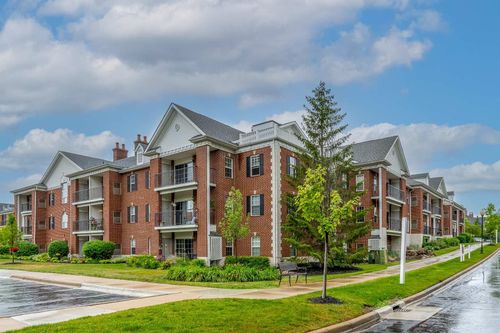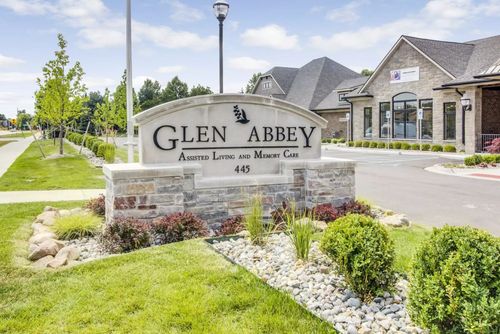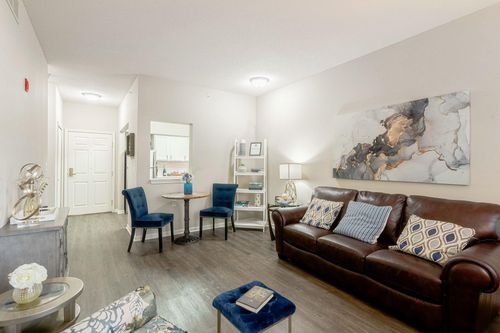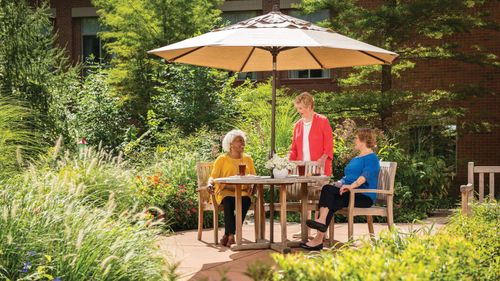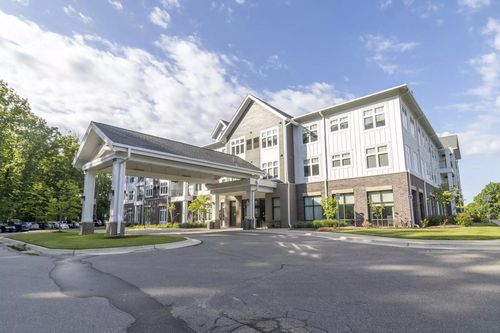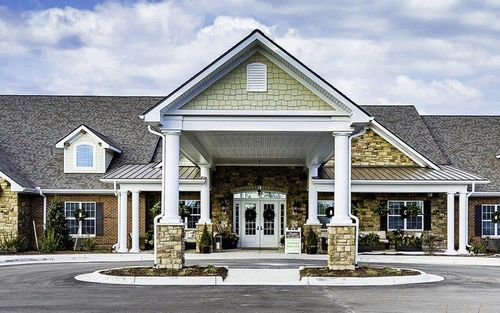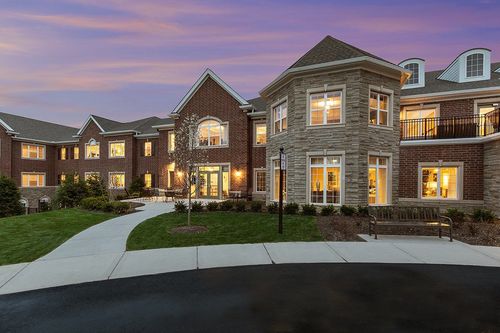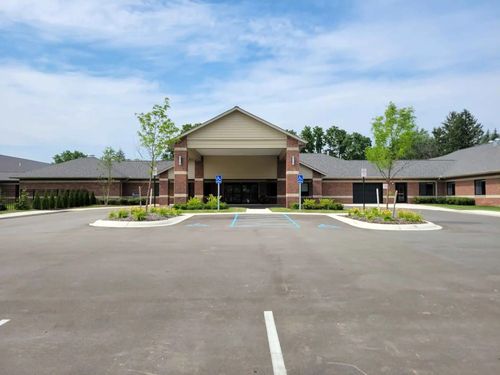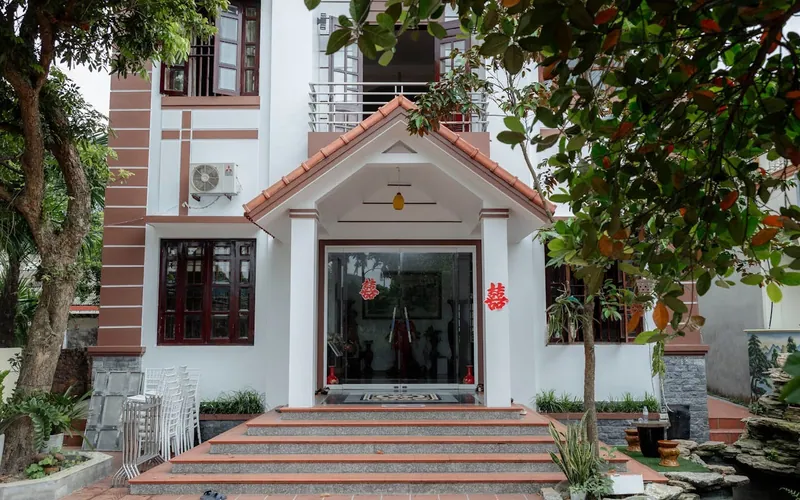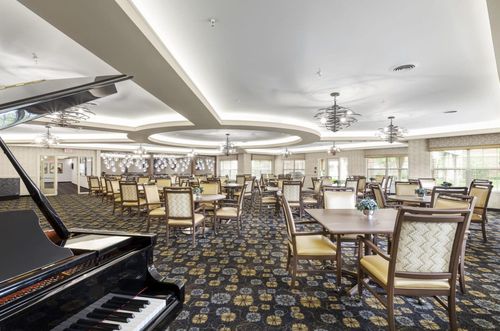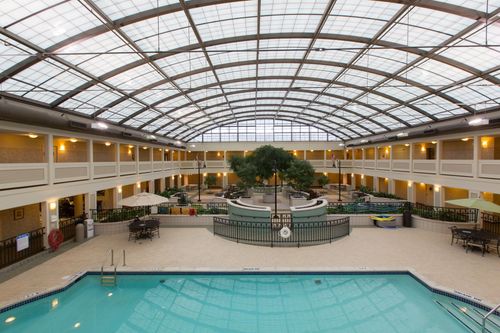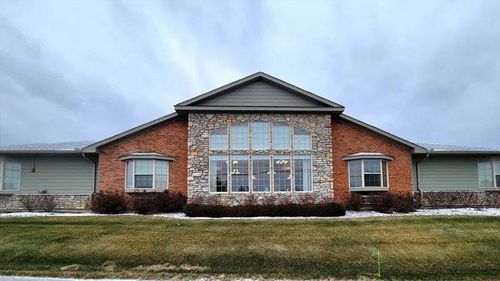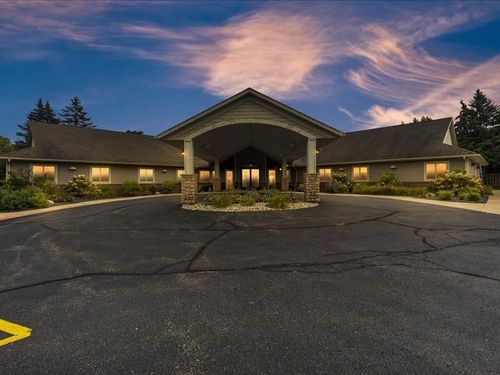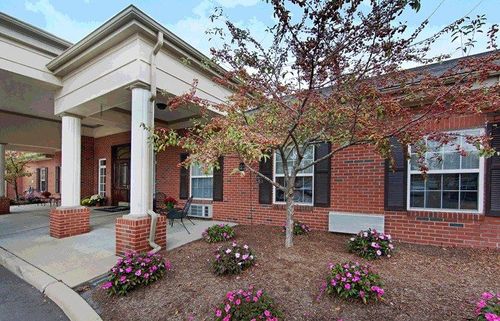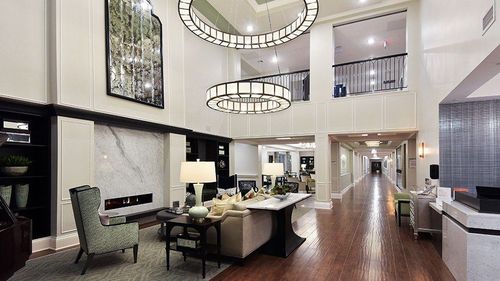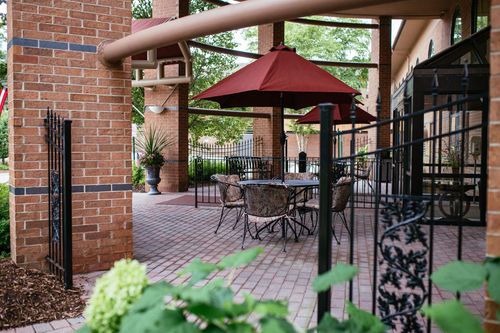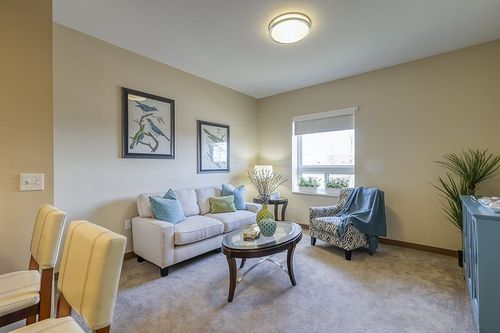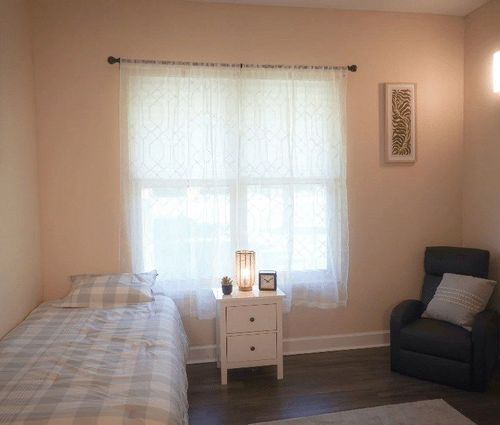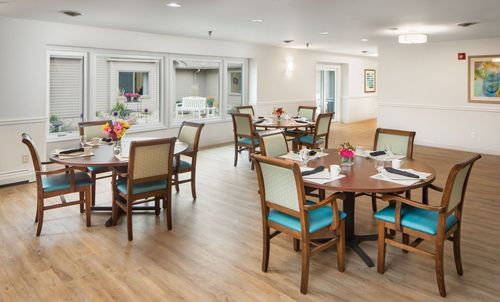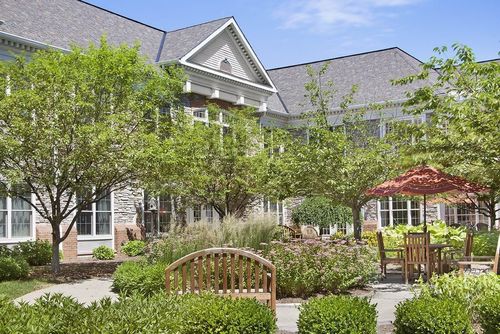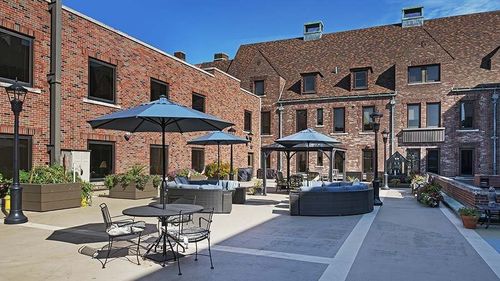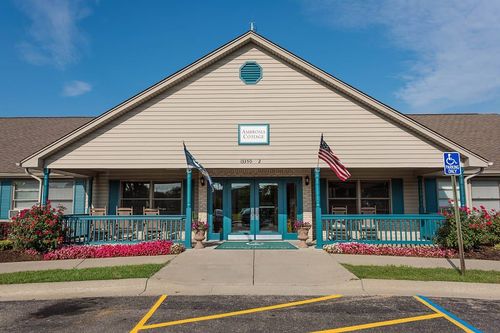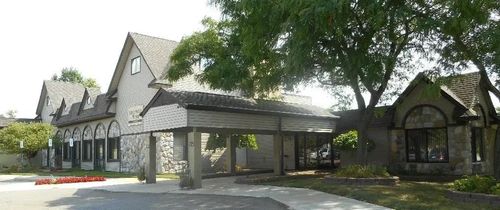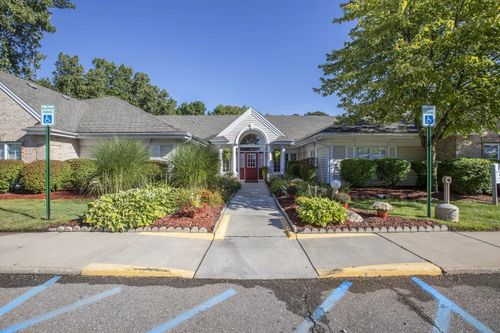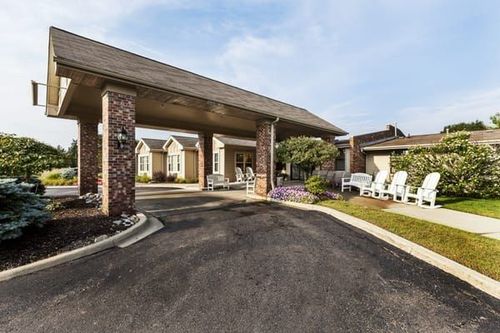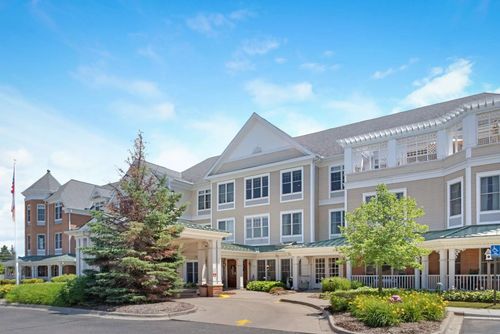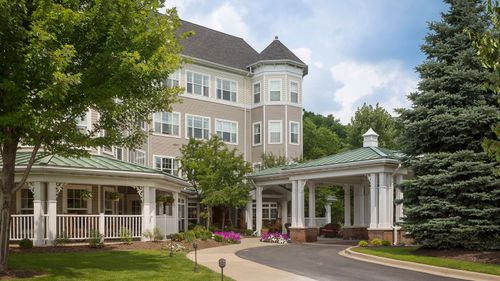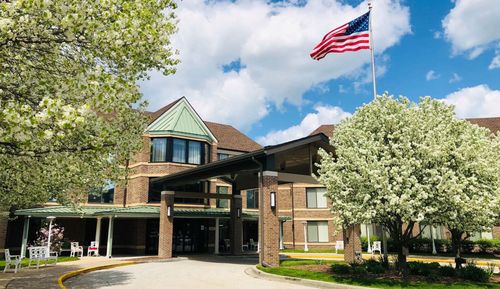
The move families dread most in a dementia arc is the last one: a transfer to nursing care arranged in a hurry, when a resident is least able to absorb a new building and a household least able to organise one. Redford Township's memory care removes it, because The Orchards at Redford Village on Six Mile Road, the 1 matching community, keeps a secured neighborhood of twenty inside a building that also carries skilled nursing, and it is a Medicaid participant too.
That pairing is rare enough to be the reason a family looks here rather than a footnote to the tour. It means a resident can enter secured care, progress, and reach nursing-level support without a change of address, and it means the money running out does not automatically force one either.
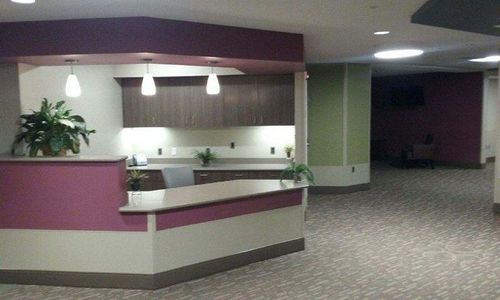
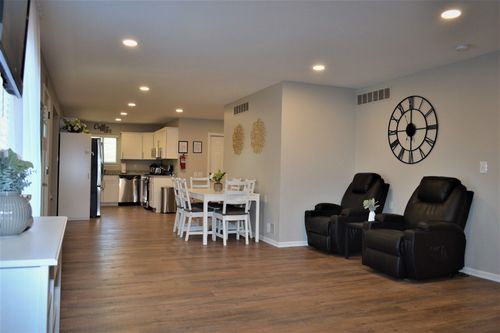
Twenty Secured Rooms Inside a Larger Building
The secured neighborhood runs on what the level requires: staff trained for dementia holding every medication, help with washing and dressing when a resident wants it, meals given the time they take, a secured perimeter and staff genuinely awake overnight.
What the wider building adds is depth behind the door. A resident who develops a wound needing daily attention, or reaches a stage where dementia is no longer the main clinical problem, can often be cared for on the same site. For someone with memory loss that continuity is clinical, because each new environment costs orientation that is harder to rebuild every time. Short respite stays are offered here as well, which gives a household either a trial or a bridge depending on what it needs.
Two Ladders, Money and Care
The community publishes an entry rate of $4,500 a month for 2026, with secured care priced above it. Ask for the secured figure directly and ask what raises it as needs deepen, because a plan built on the entry number will not survive contact with the third year.
The funding ladder is what makes this address unusual for its care type. Public funding is accepted here, so savings that will not cover a long illness do not automatically end in a forced move. Which programme applies depends on the level of care, since a nursing-facility stay and a community setting are funded through different parts of Michigan Medicaid, and only the second runs on the waiver that pays for care rather than accommodation. Working out which applies belongs at the start of a stay rather than the middle.
An Older Ring of a Very Large County
No Michigan county holds more people past sixty-five than Wayne, and Redford sits on the Detroit border in the older ring, where a house bought in the nineteen-sixties is often still the same house and leaving the township is not what anyone had in mind.
Against that settled demand, twenty secured rooms is a modest pool, and a community carrying nursing beds and Medicaid participation is known to the people who work in local discharge planning. Rooms do not sit waiting, and the households that get one are generally those who toured early and completed the paperwork before the need became urgent, with respite as the fallback when timing slips.
A Hospital Built Around Older Patients
Five miles west, Trinity Health Livonia has been rebuilt with older patients in mind: 304 beds, a Level II trauma designation, and an emergency department of 56 beds with a section laid out specifically for seniors and rooms held for resuscitation. Cancer care, heart and vascular medicine and inpatient rehabilitation sit on the same campus.
That design matters more in dementia than in almost any other context, because an emergency department is the worst possible environment for a confused older adult and one built to reduce noise, waiting and disorientation genuinely changes an evening. Beyond it, Henry Ford Hospital lies fourteen miles east with Level I trauma verification and the largest intensive care unit in the state, and Corewell Health Dearborn adds a second trauma centre twelve miles south.
What a Local Advisor Brings to Redford Township
At an address that carries three things at once, the useful knowledge is about how they interact. A Local Senior Advisor covering the western Wayne ring can say whether a secured room is free, whether a Medicaid-funded space is free, which is a separate question, and how the community handles the point at which dementia care becomes nursing care.
The funding timeline is where families lose the most ground. Applications take longer than expected, the clinical and financial reviews have to align, and a household beginning while private funds still have a year left keeps far more control than one starting at the end. Reaching out at that earlier point is usually what makes the difference between choosing and accepting.
We keep expanding our Redford Township coverage as we evaluate providers for quality and alignment in 2026. Start the conversation about memory care in Redford Township, or look through the buildings we cover at your own pace.