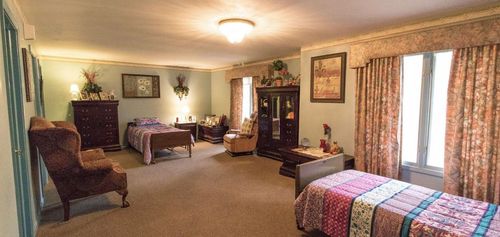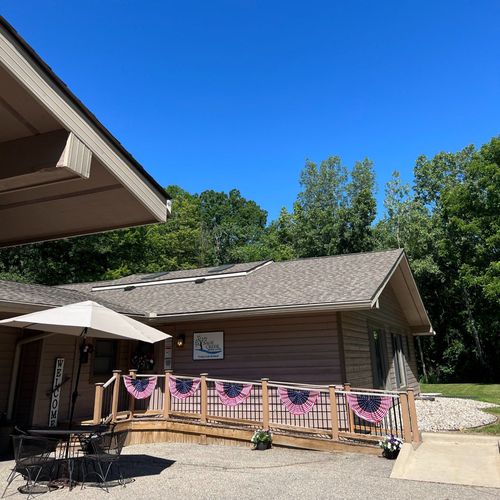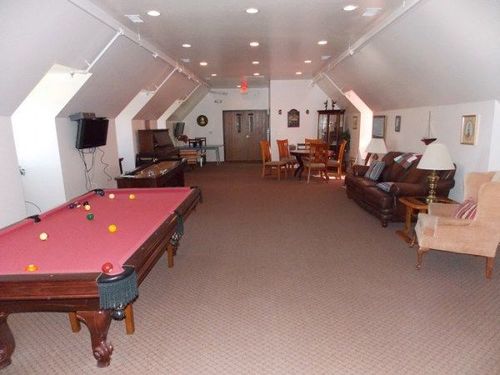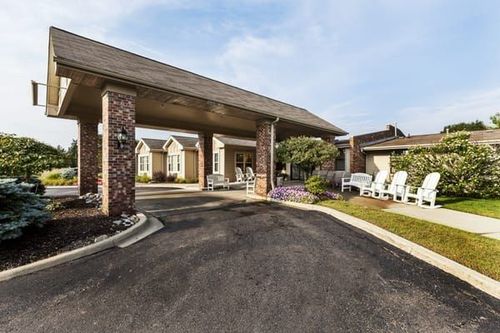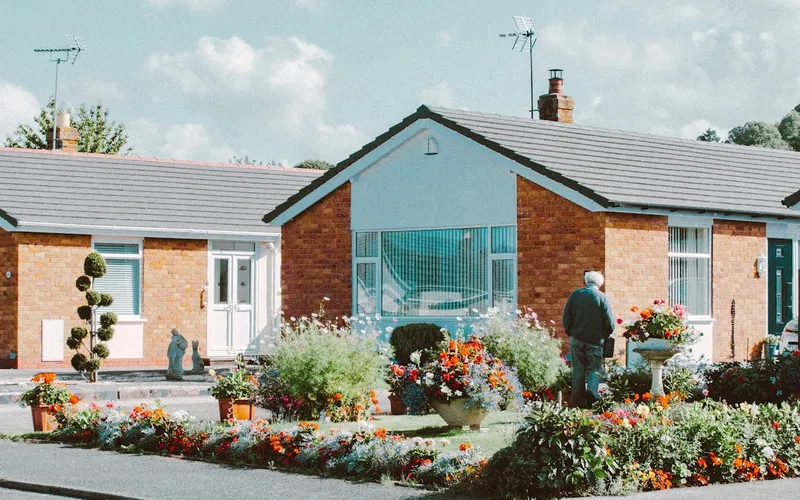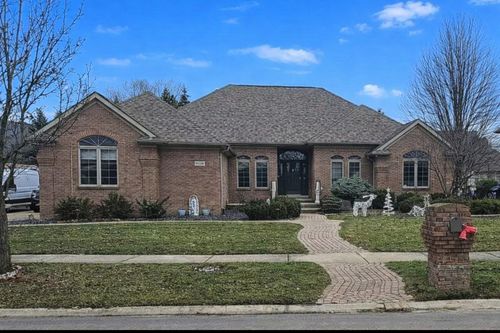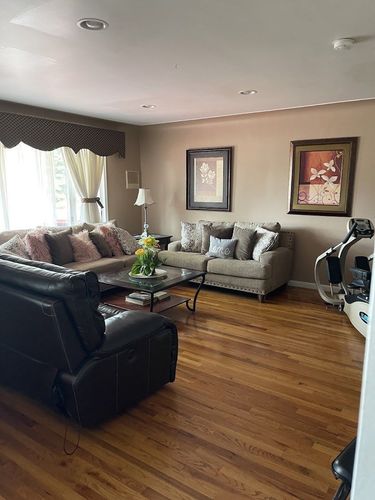
A licensed care home in Richmond is a house with a small group of residents in it, and admission works differently from the way it does in a large building. A community of eighty can absorb a resident who turns out to need more than expected. A house cannot, which is why the assessment before a move matters more here and why the questions asked are more searching than families anticipate. Ridgeway, at $4,200 a month, is the Richmond address in that category.
The assessment runs in both directions, and the half most families skip is the half they should be asking themselves.
What the House Needs to Know, and Why
Expect questions about precisely the things that nobody volunteers. Whether somebody is up in the night and what they do when they are; whether continence has become an issue and how it is being managed now; whether one person or two are needed for a transfer; how many falls there have been in the past year; and whether there is any history of shouting, of resistance during personal care, or of leaving the house alone.
None of it is intrusive for its own sake. A house with a handful of residents and one or two caregivers on shift has no reserve to draw on, so a resident who needs two people at three in the morning changes the arithmetic for everybody in the building. A home that knows in advance can staff for it or say honestly that it cannot.
The temptation to soften the picture is understandable and it is the single most damaging thing a family can do. A placement built on an incomplete account tends to fail within months, and the person who pays for that is the resident, who has to move twice instead of once. A home told the truth and willing to take somebody anyway is a far stronger foundation than one that agreed on a misunderstanding.
What $4,200 a Month Covers
Small homes generally quote one figure rather than a rent with care charges layered on as needs rise, and inside that figure sit the room, every meal, the laundry and cleaning, hands-on help through the day, medications managed by staff and somebody on duty overnight. Planning a year ahead is straightforward as a result.
The question to put back is what would move it. A resident needing two staff for transfers, or genuine attention overnight rather than somebody simply being present, may sit beyond what a house of this size is staffed to provide, and knowing where that line falls in writing is worth an awkward conversation before a move rather than after one.
What a Family Should Ask in Return
Match their questions with a set of your own. How many residents live there now, and how many caregivers cover a mid-afternoon shift as against the small hours. What the arrangement is when a caregiver falls ill and nobody is spare. What the terms of the license do and do not permit them to take on. How far the home can carry somebody whose needs increase, and what the process looks like at the point it cannot.
A home that answers all of that readily is demonstrating exactly the candour it is asking for. One that deflects is telling a family something worth hearing.
Getting the Richmond Assessment Right
An advisor covering this corner of Macomb County can help a family present an accurate picture rather than an anxious one, establish what the house is licensed and staffed to handle, and find out whether a room is genuinely free.
If a small household in Richmond is under consideration, a short conversation beforehand makes the assessment a great deal more straightforward for everybody.
Our directory for Richmond continues to grow as we evaluate providers for quality and alignment in 2026. Start the conversation about residential care homes in Richmond, or look through the buildings we cover at your own pace.