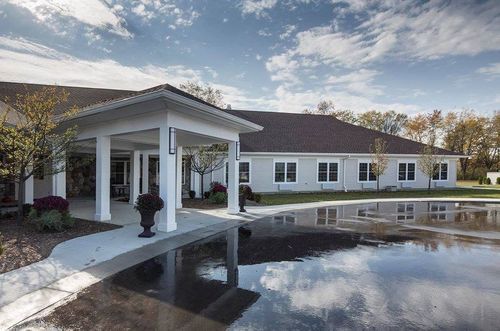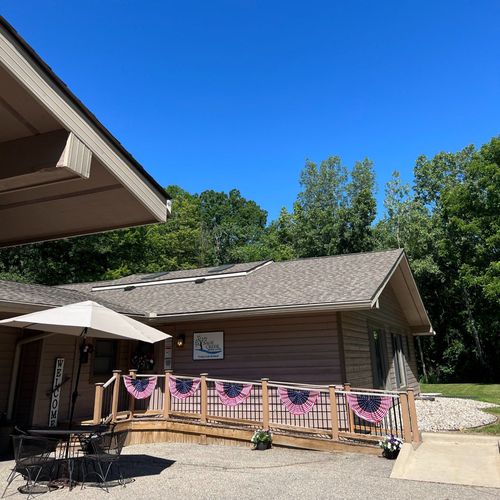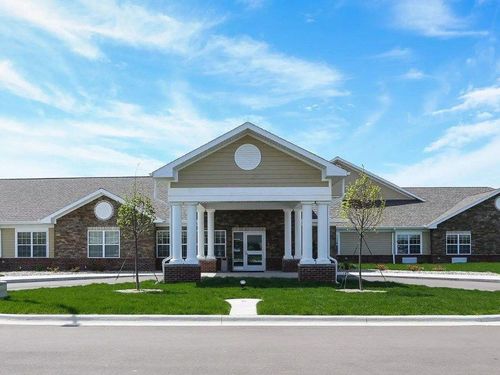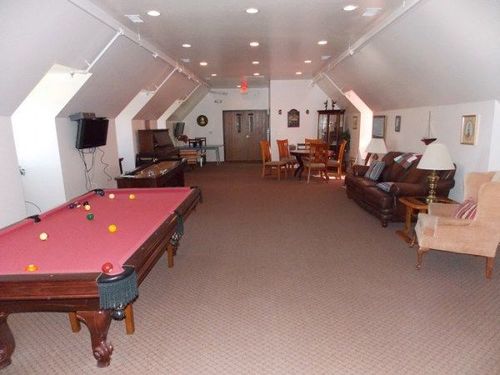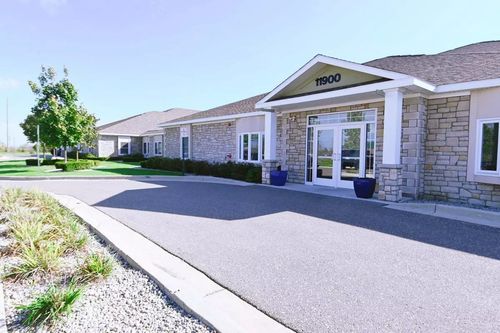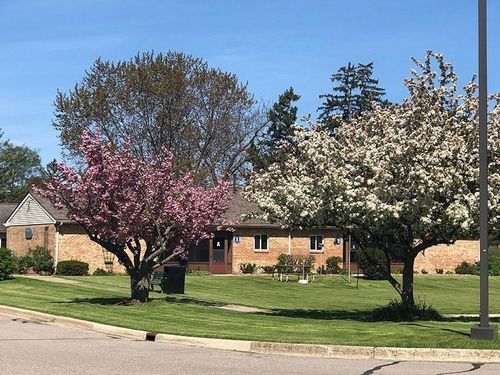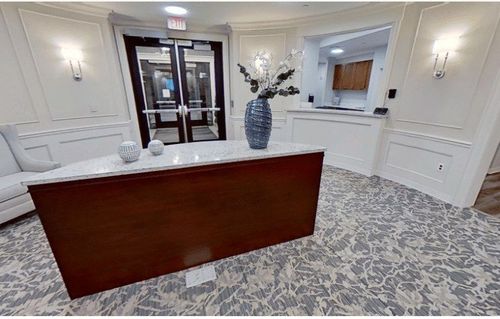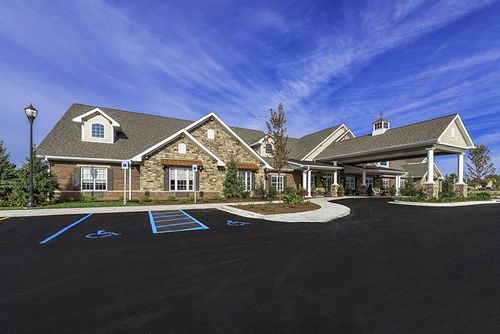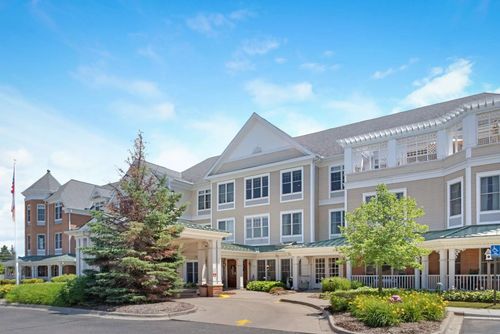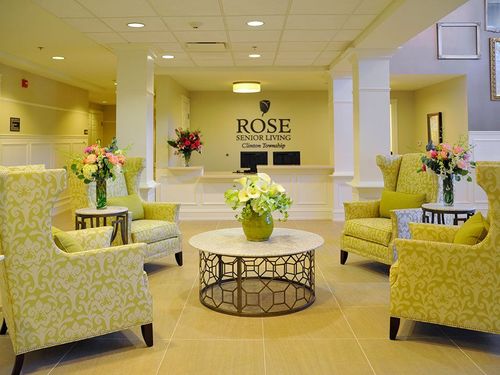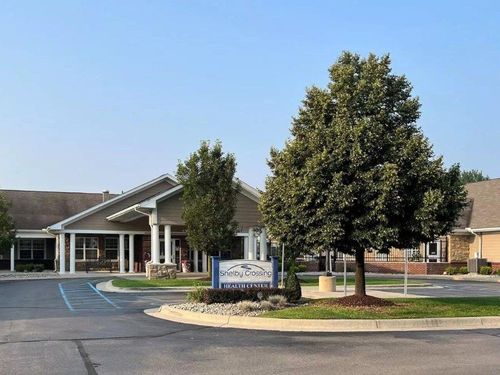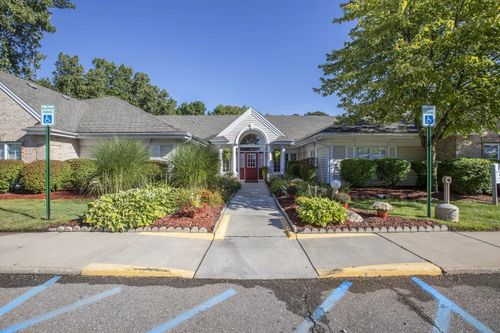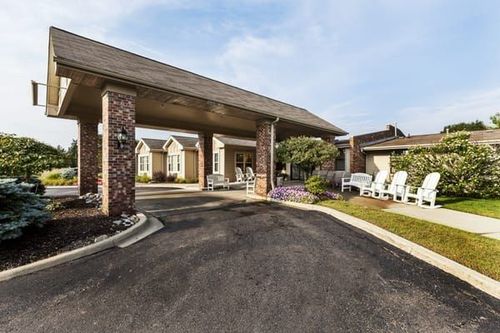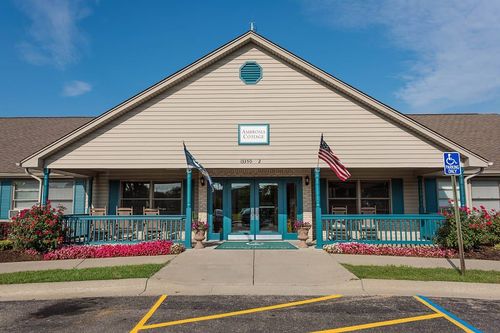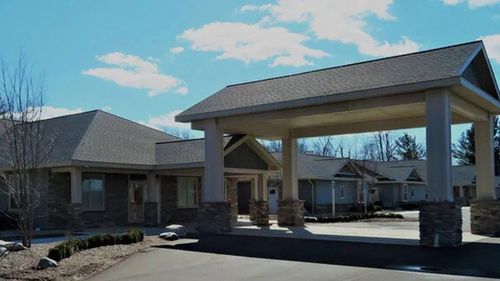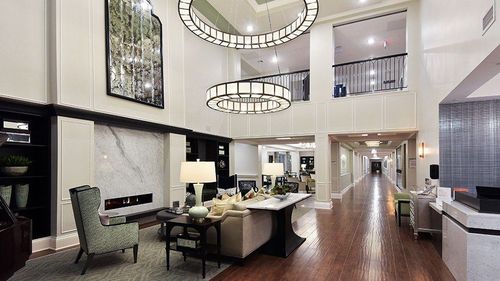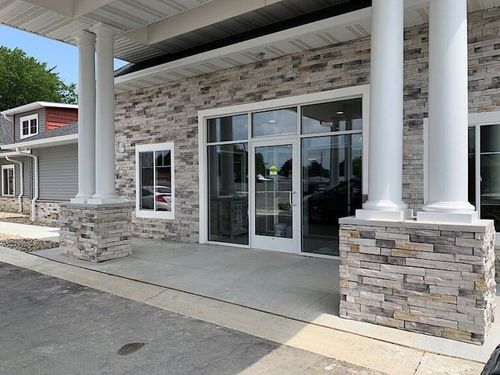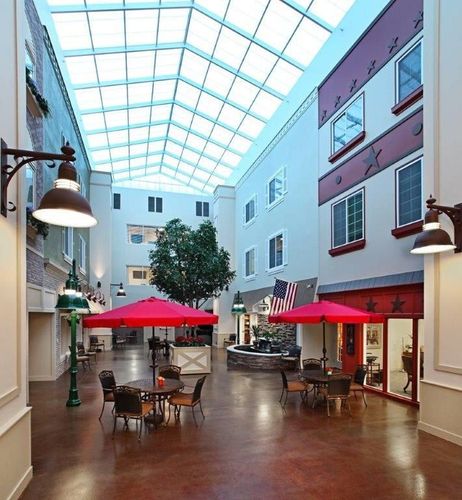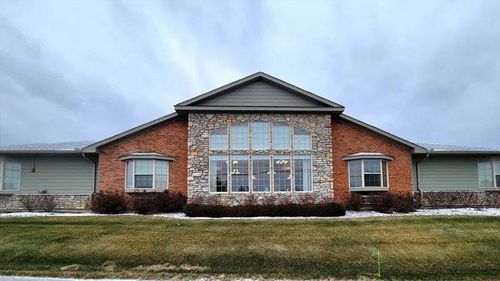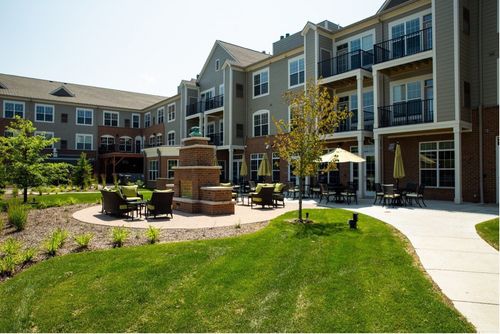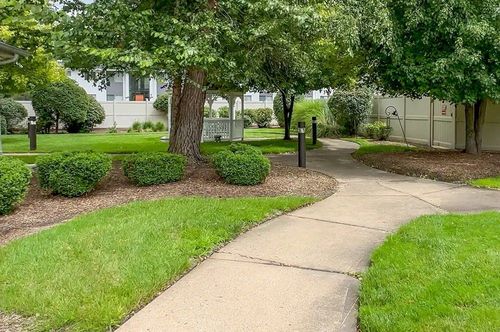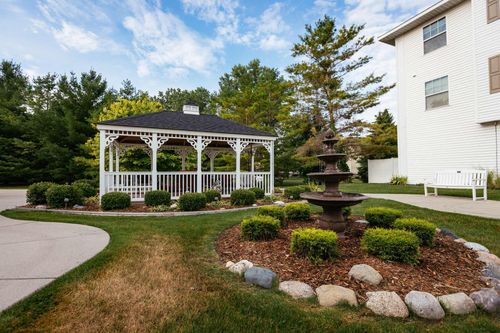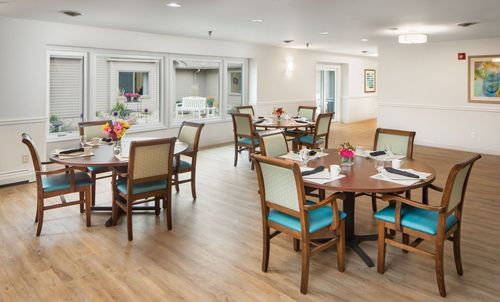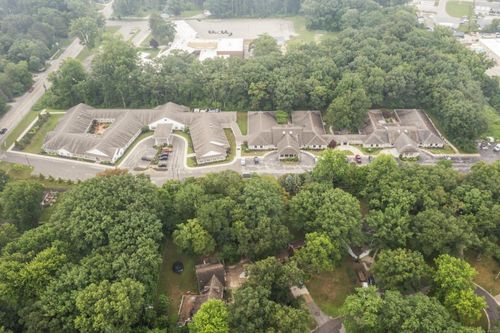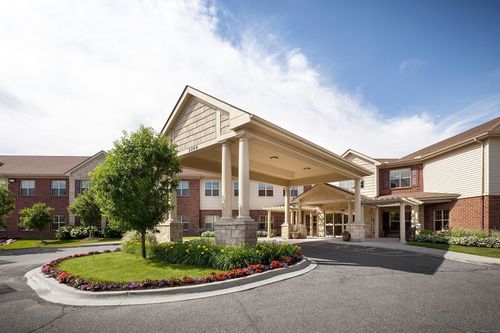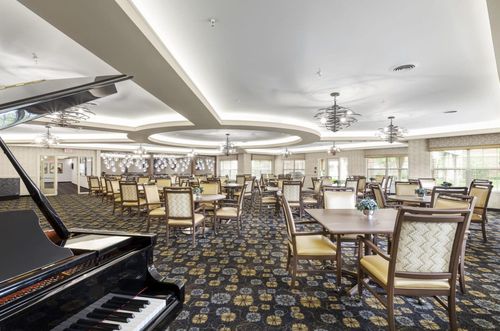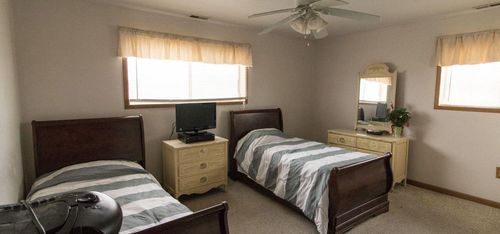
A handful of secured beds serve the whole of Richmond, and that arithmetic should shape a family's behavior more than any comparison of features would. Ridgeway on Russ Road runs at domestic scale, with staff who know a name, a routine and a preference rather than a room number, and only a small part of the building is locked.
For a certain kind of resident that scale is exactly right. Someone already bewildered by corridors and unfamiliar faces settles in a house of twenty far more readily than in a building of two hundred. The cost of that fit is supply, and any household that can see a diagnosis coming should be talking to somebody long before a move becomes necessary.
Small Enough to Notice Things
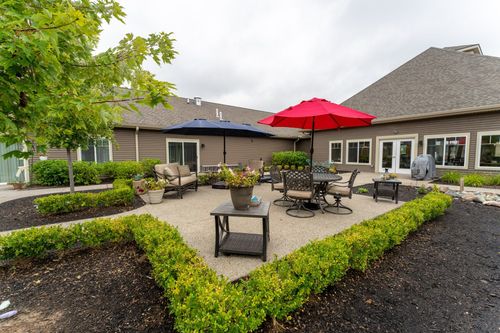
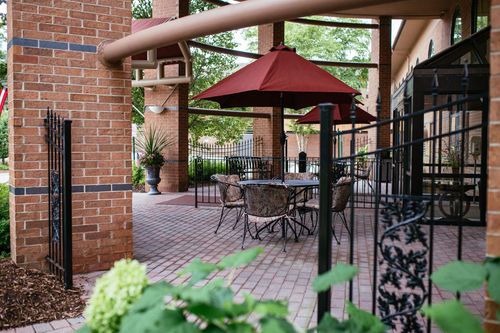
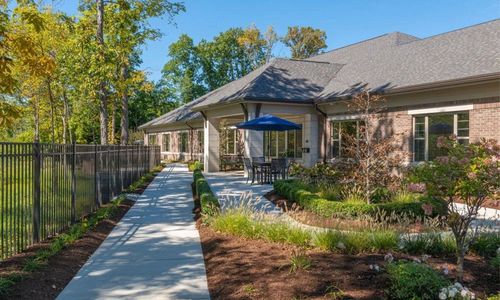
The secured side offers what secured settings do: the exits are closed and the garden is walled, dressing, washing and eating are helped with as required rather than on a round, the kitchen adjusts as chewing and appetite change, and nights are staffed by people who are awake.
What the scale changes is attention, since whoever works the secured rooms also knows the people on the open side, so nobody crosses over into a room full of strangers, and a shift in sleep or temper reaches somebody who knows what ordinary looks like for that individual. What a building this size cannot offer is spare capacity when two carers are unwell, or the reserves for a resident who cannot be moved without two people. Ask what has previously defeated the home, and treat a specific answer as reassuring rather than alarming.
A Rate, a Fee and a Nightly Charge
Ridgeway charges $4,200 monthly for assisted living in 2026, and prices a secured memory-care room above that after an assessment. Two other numbers belong in the same conversation and are easy to overlook: the home asks a one-off sum on the day a resident arrives, and short stays are billed by the night rather than the week.
Both change what a first year costs, so get the arrival charge in writing before comparing monthly figures, and understand the nightly rate if respite is a possible way in, since it makes a fortnight affordable and a season expensive. Ridgeway bills no Medicaid, so stays are privately funded, and Michigan's MI Choice waiver settles part of the care bill and no portion of what the home itself charges.
A Small City That Stayed Small
Richmond kept its small-city character while the rest of Macomb County suburbanized, and the households considering senior living here are frequently the ones who farmed or worked this corner of the county for decades. Their circle is local in a way that is no longer typical for the county.
Against that, a small number of secured beds is the binding constraint rather than a detail. There is no queue to join and no schedule for openings, so a family already known to the home is the one contacted when something frees up, and that introduction is the single most useful thing a household can arrange early.
Why Richmond Families Look Locally First
A resident who moves into Russ Road stays inside the same small circle rather than heading south into the subdivisions, and for a household that has been in this corner of the county for generations that is the entire reason to look here first. The Good Old Days festival each September is still a fixed point in a calendar these families have kept for decades, and a resident in town is still part of it.
Hospital access is straightforward, with McLaren Macomb at Mount Clemens a 288-bed teaching hospital verified at Level II for trauma, with cardiac, orthopedic, oncology and rehabilitation services alongside its emergency department, and Henry Ford Macomb Hospital at Clinton Township is the other Level II option, running a primary stroke center, a cardiac program and inpatient rehabilitation across 361 beds.
What a Local Advisor Brings to Richmond
Where the secured capacity of a whole city is this small, an advisor's contribution is early warning rather than comparison. An advisor covering northern Macomb County knows when Ridgeway expects a room, what a resident in a comparable state has been quoted, and whether the home has recently turned a similar family down.
The second contribution is the cost structure, which here is genuinely more complicated than the monthly rate suggests. An arrival charge and a nightly respite rate both change the arithmetic of a first year, and neither appears on a brochure in a form a family can plan around. If a diagnosis has arrived and nothing is urgent yet, reach out while the timing still belongs to you rather than to a hospital.
The Richmond directory continues to grow as we evaluate providers for quality and alignment in 2026. Start the conversation about memory care in Richmond, or look through the buildings we cover at your own pace.