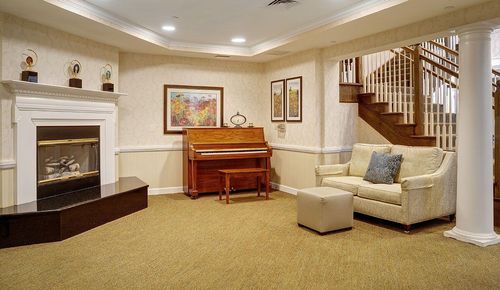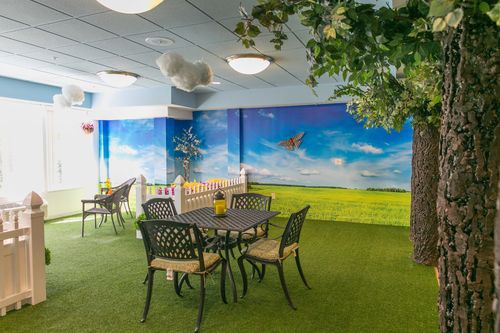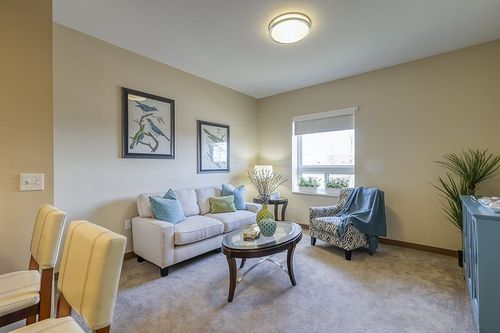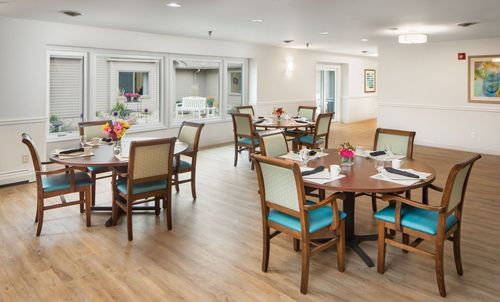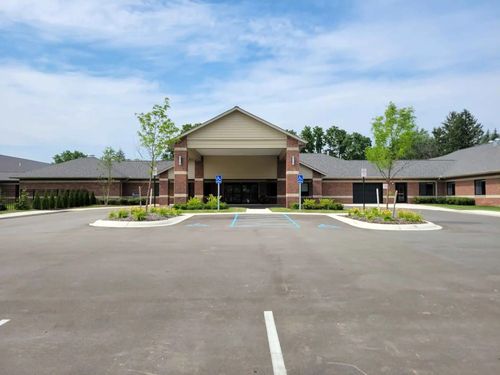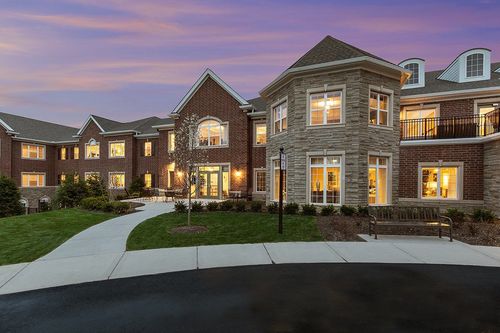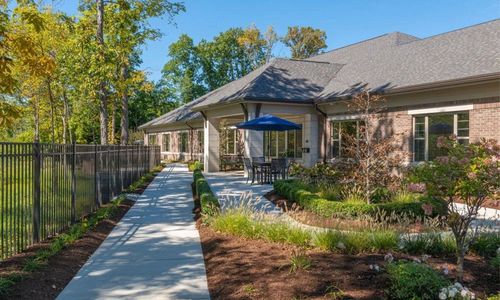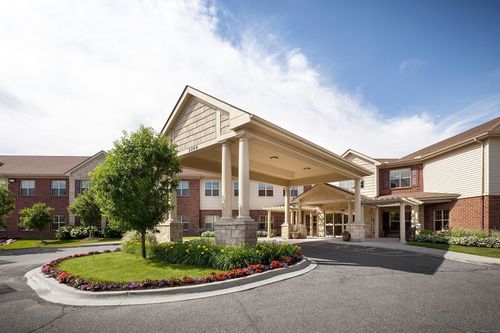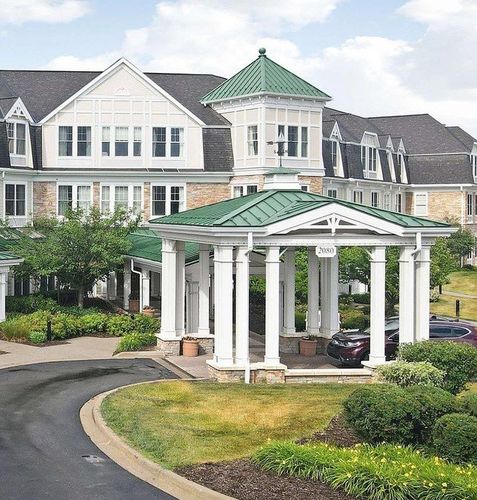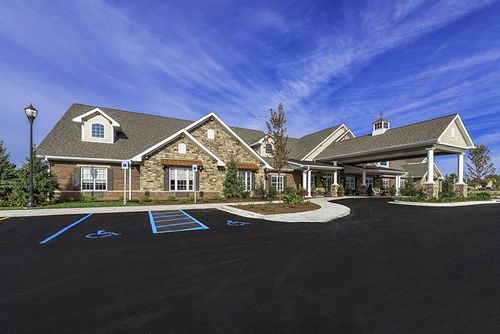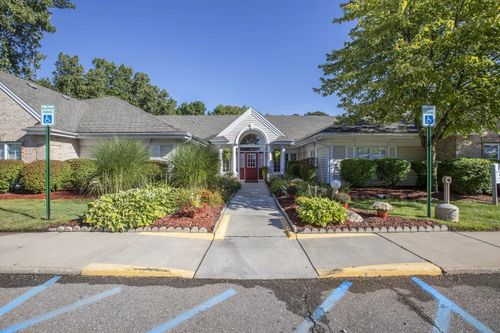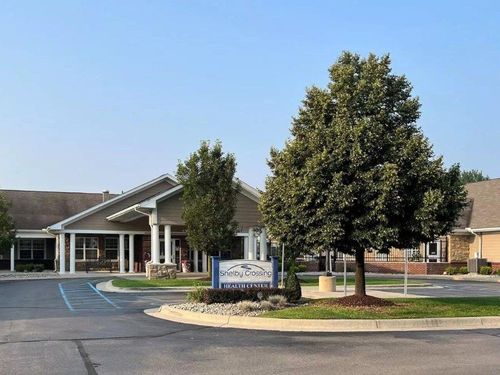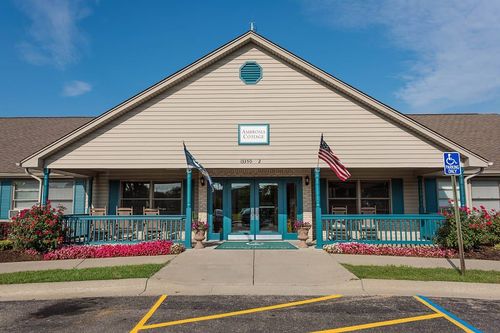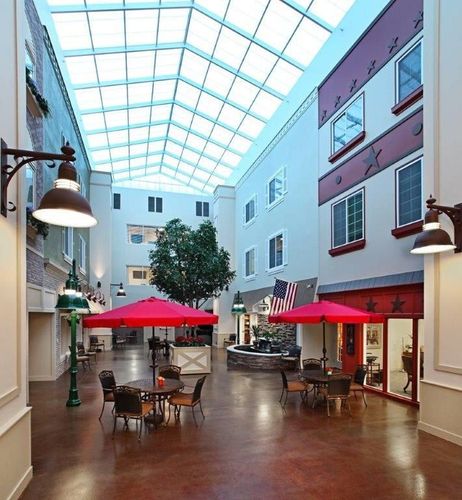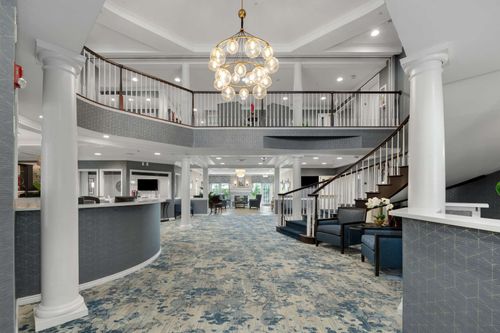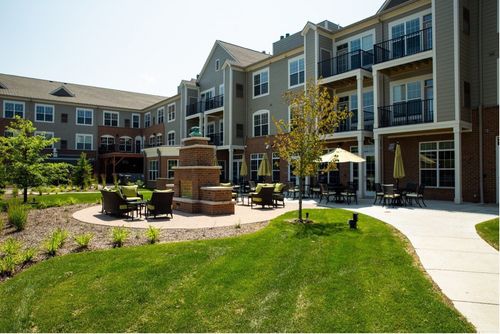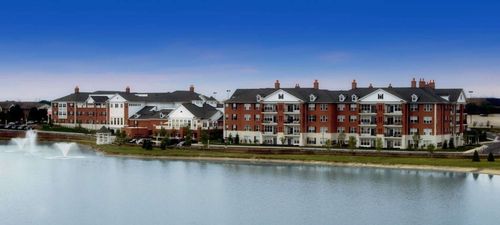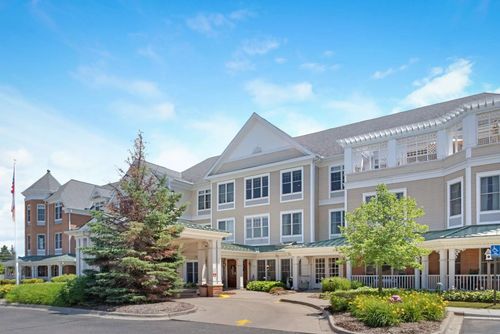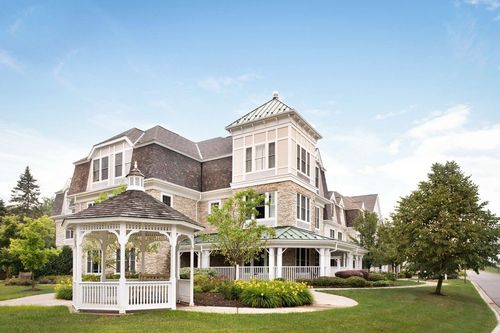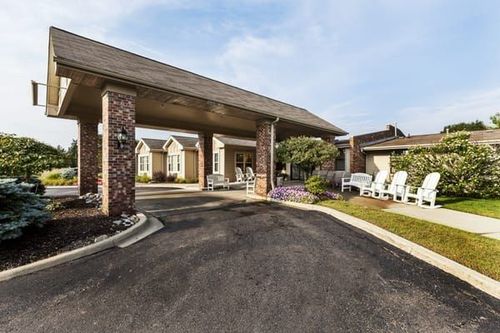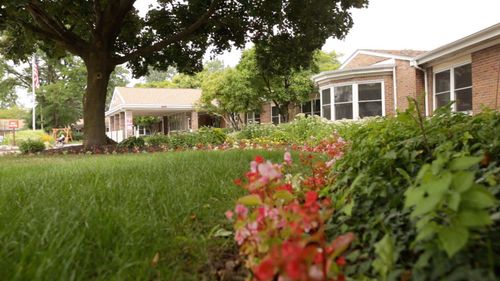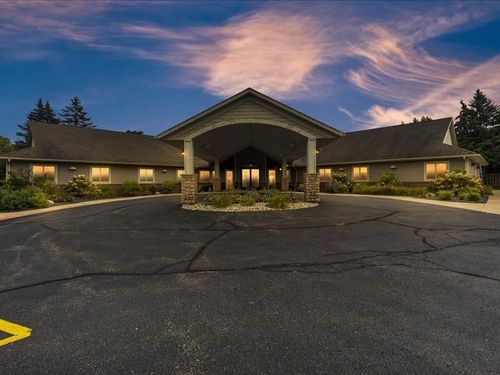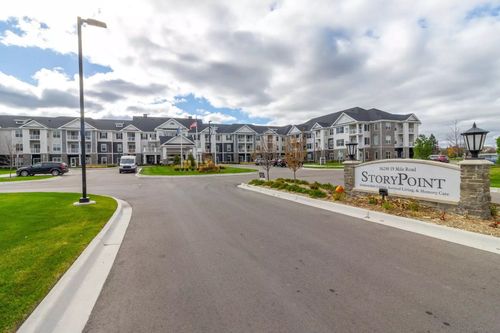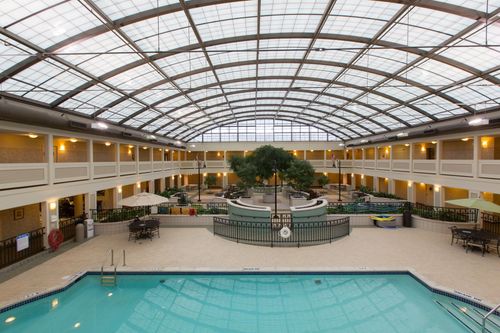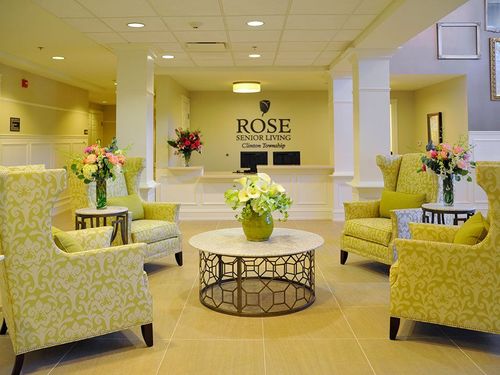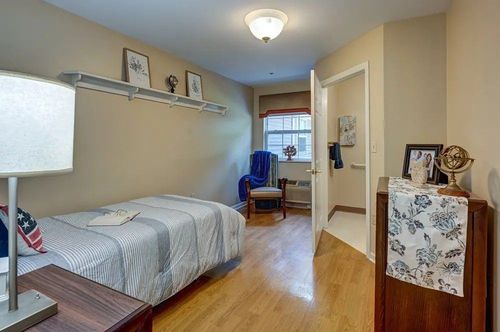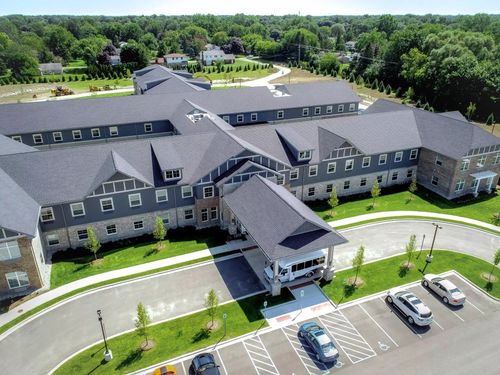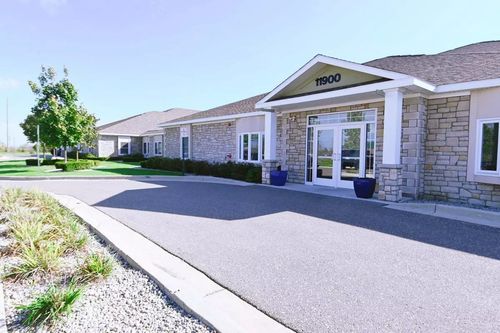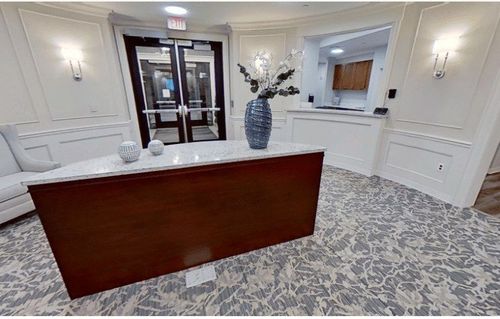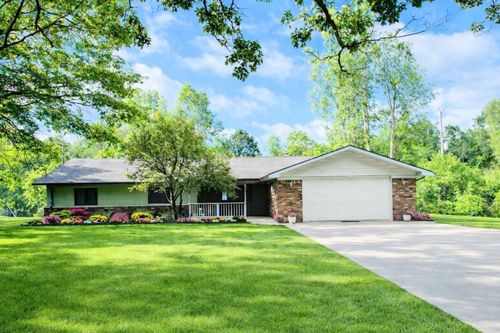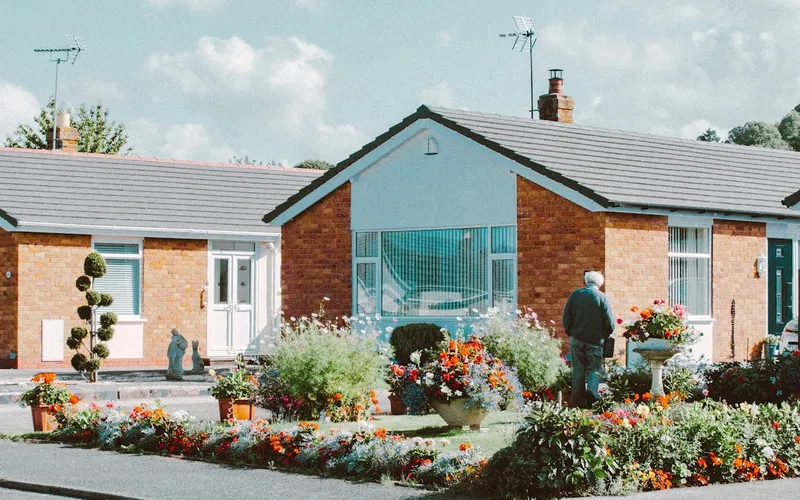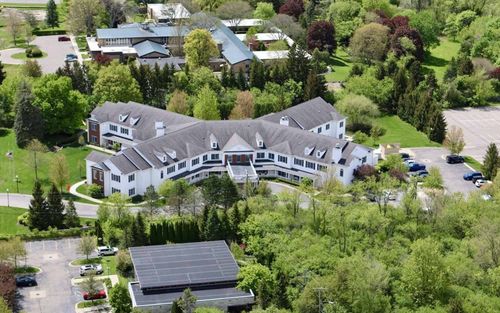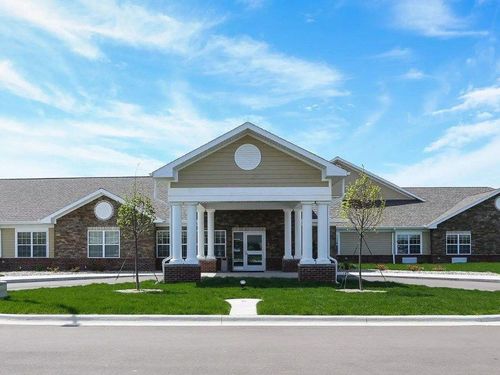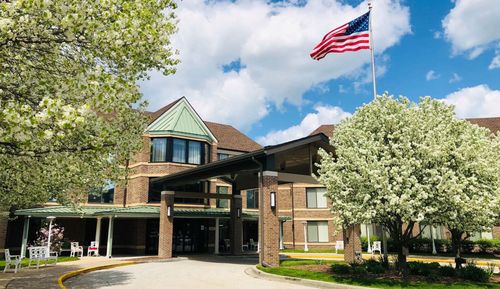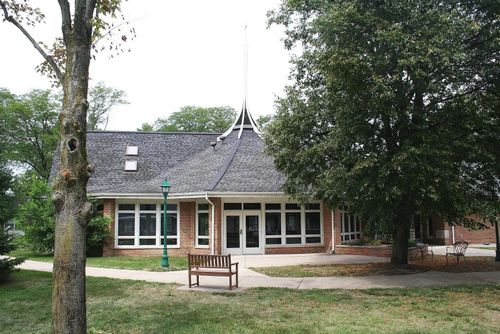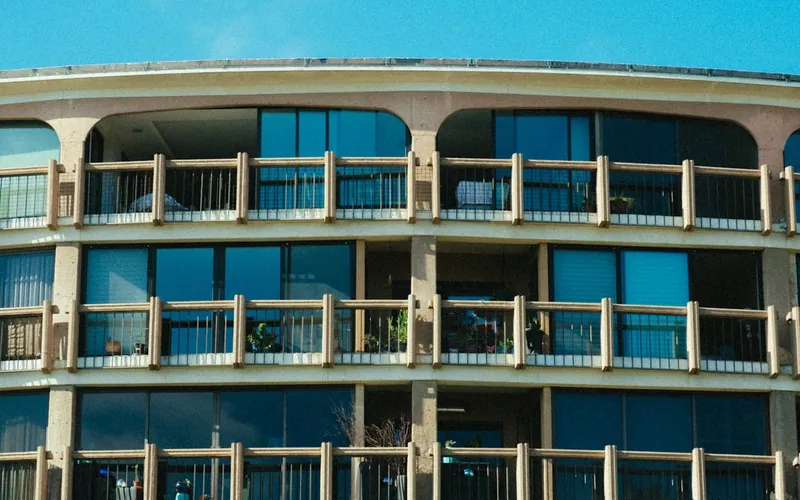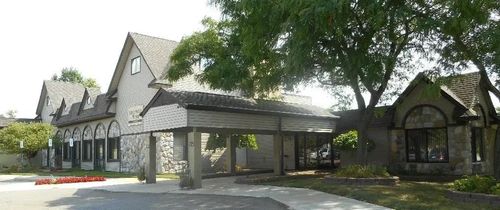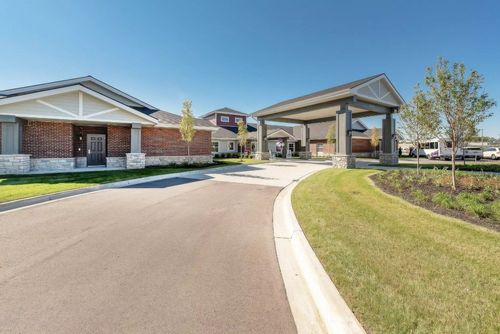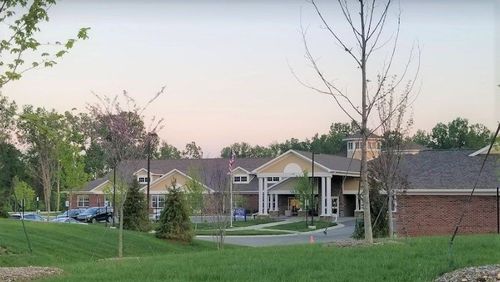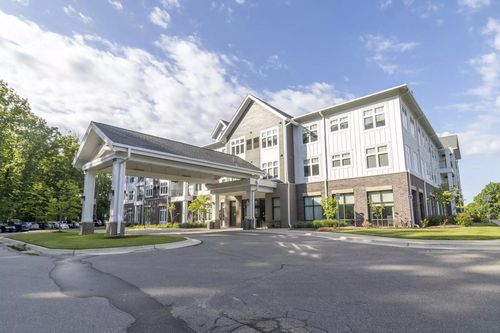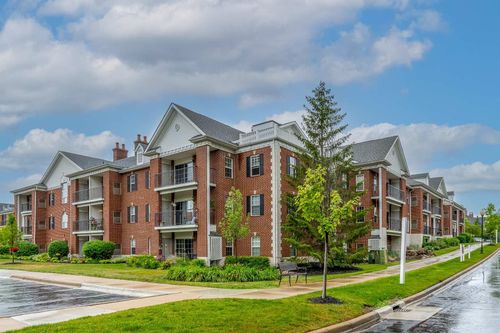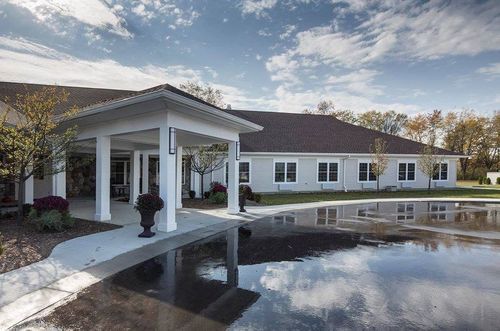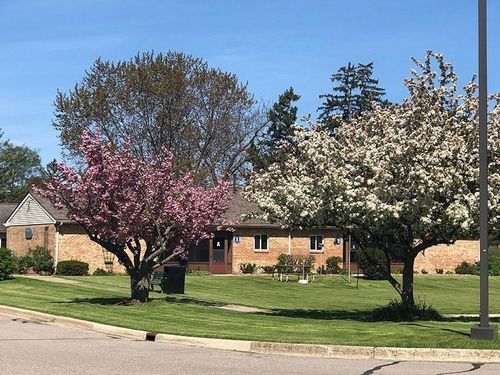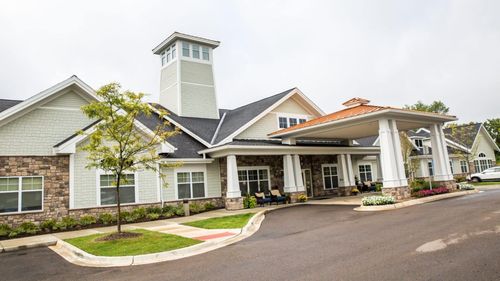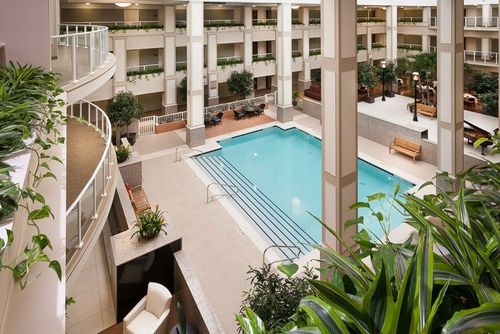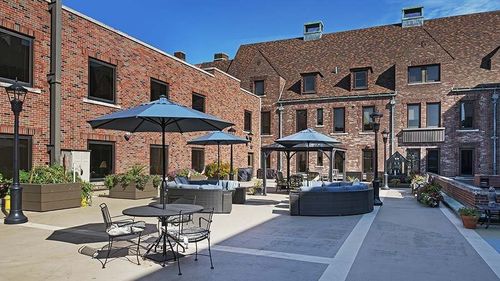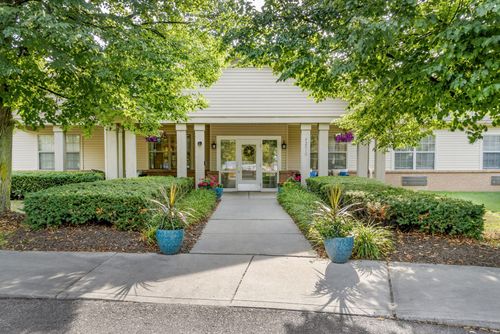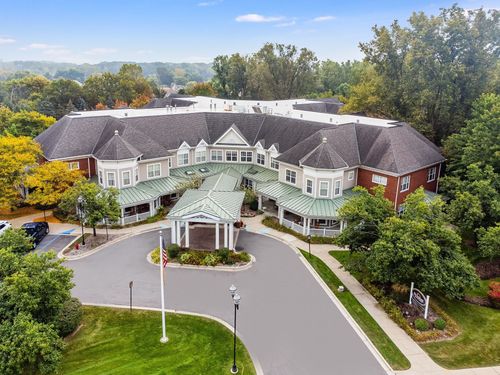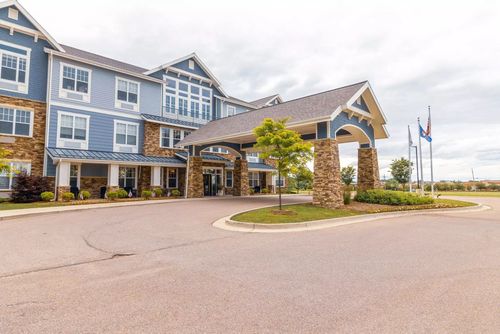
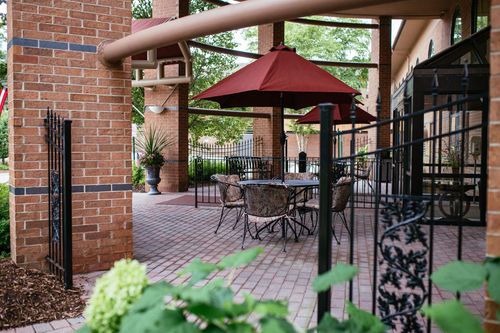
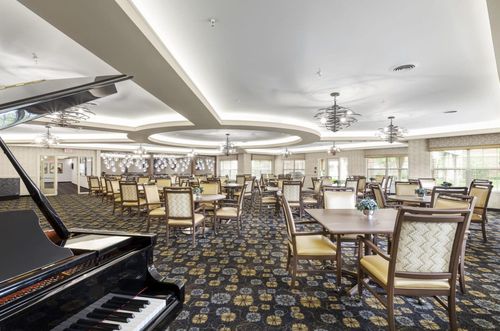
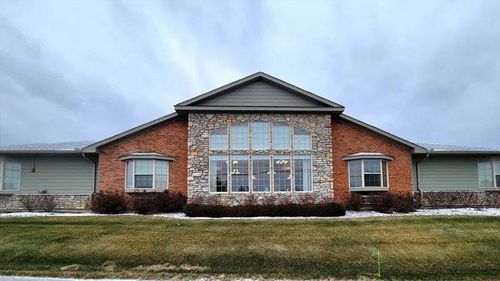
Rochester Hills operates a small number of memory care settings across this Oakland County suburb where local families navigate Alzheimer's and related cognitive changes. The municipal layout stretches along Rochester Road and Avon Road, placing specialized secured environments within suburban residential corridors rather than dense urban centers. These local options include distinct purpose-built single-story environments alongside specialized secured wings integrated into broader senior campuses.
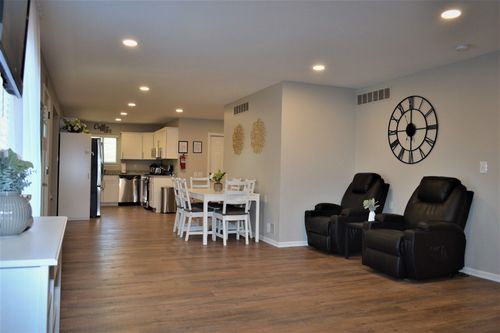
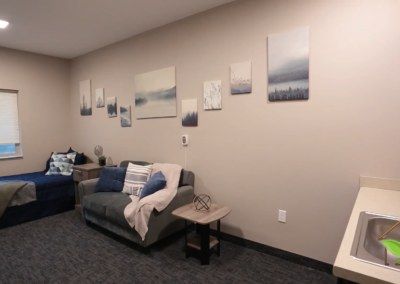
Families moving through this transition frequently weigh whether a standalone secure house or an attached specialized neighborhood better serves a relative who wanders or experiences heightened evening confusion. Local choices span settings like American House Hampton Village and Mercy Bellbrook/Frances Warde, each establishing distinct physical perimeters designed to redirect wandering impulses safely while preserving a sense of personal agency.
Daily Rhythm and Specialized Engagement Inside Secure Doors
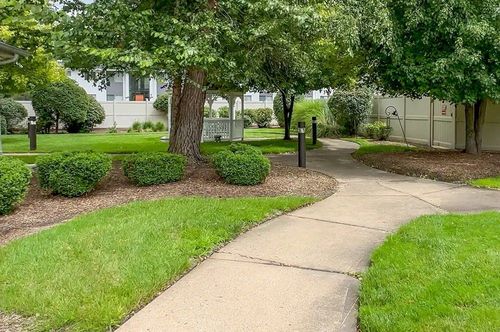
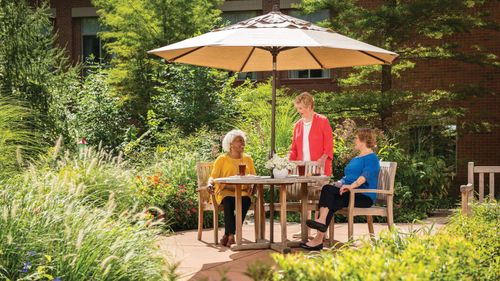
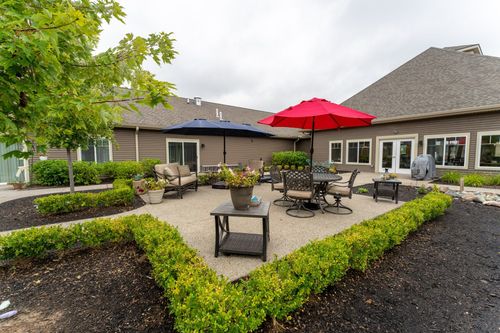
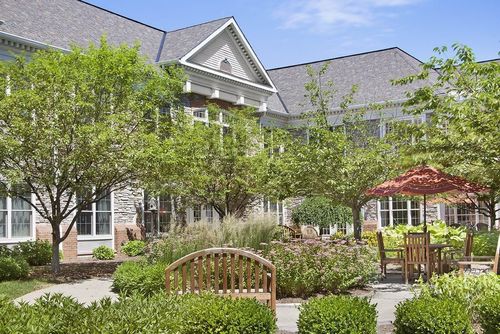
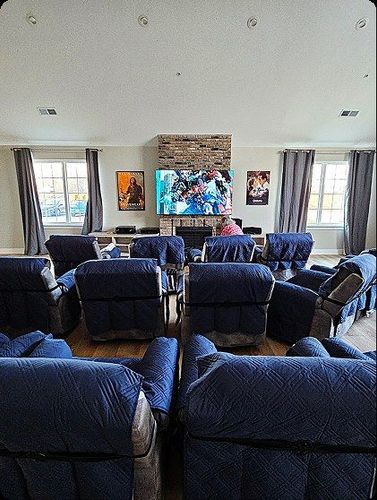
Daily life inside these local memory environments revolves around structured routines that reduce anxiety and ground residents in familiar tasks. Staff trained in cognitive redirection guide participants through morning orientation, sensory-based art projects, and supervised outdoor courtyard walks within fenced perimeter gardens.
Meals are served in smaller, calm dining rooms where staff provide gentle physical or verbal cues to encourage nutrition when appetite or utensil recognition fluctuates. The entire spatial design relies on circular walking paths and clear visual cues rather than locked institutional hallways, minimizing frustration and helping residents navigate their immediate surroundings independently.
Monthly Rates and Financial Planning Realities
Monthly costs for memory care in Rochester Hills range from $4,500 to $5,080 based on local pricing data. For instance, American House Hampton Village starts around $4,500 per month, while Serene Gardens of Rochester Hills Memory Care begins near $5,080 per month, reflecting differences in building design and staff-to-resident ratios.
Families must budget for these base community fees while accounting for tiered care charges that scale upward as personal assistance needs progress. None of the local memory environments in this immediate municipal footprint accept Medicaid waiver payments upon entry, requiring private pay resources, long-term care insurance, or veterans aid benefits to cover ongoing residency.
Local Demographic Pressures and Community Need
Suburban growth across the northern Detroit metropolitan region continues to drive steady local demand for specialized dementia housing. An aging population residing in older ranch homes and subdivisions throughout Rochester Hills often prompts adult children to seek secured local placement when solo caregiving at home becomes physically or emotionally unsustainable.
This regional concentration of older adults creates consistent inquiry for local beds, which range in scale from smaller residential layouts holding twenty residents up to larger communities accommodating eighty-five individuals. Because the local supply remains relatively tight, families frequently begin researching local floor plans and touring perimeter security features well before a crisis forces an immediate move.
Why Families Choose This Suburb for Memory Support
Proximity to established medical networks, including Ascension Providence Rochester Hospital, reassures families who want rapid access to geriatric care if acute health complications arise. The surrounding tree-lined neighborhoods and quiet local thoroughfares provide a peaceful sensory environment that avoids the overstimulation of busier commercial corridors.
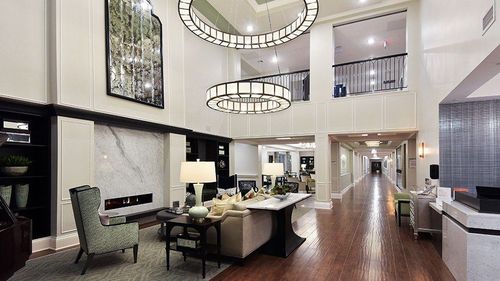
Furthermore, the physical variety among local buildings allows families to match a relative's personality to a specific setting, choosing between the intimate scale of Pomeroy Living Rochester Assisted or the broader campus life found at Mercy Bellbrook/Frances Warde. Relatives find comfort in knowing specialized care remains close to their own Oakland County homes, making routine visits a seamless part of the weekly routine.
Navigating Transitions and Finding the Right Fit
Sorting through local admission criteria, medication management protocols, and physical layout variations requires careful timing, particularly when coordinating hospital discharge dates or anticipating future cognitive decline. Understanding how a specific secured wing functions versus a standalone building ensures that a relative's transition does not trigger avoidable relocation trauma down the road.
When questions about timing or facility compatibility feel overwhelming, families can talk it through to gain clarity on local availability and next steps.
Our Rochester Hills directory keeps expanding as we evaluate providers for quality and alignment in 2026. Reach out for a conversation about memory care in Rochester Hills, or look through the communities we have vetted at your own pace.