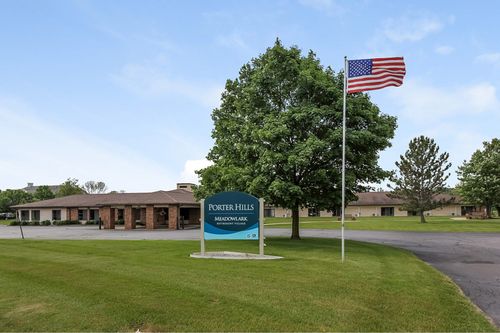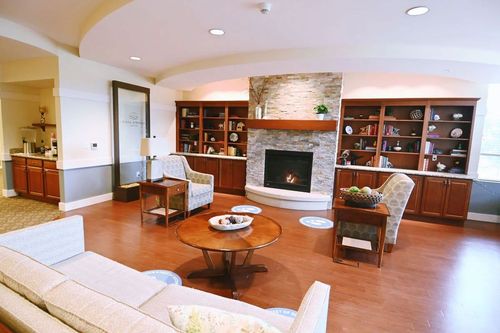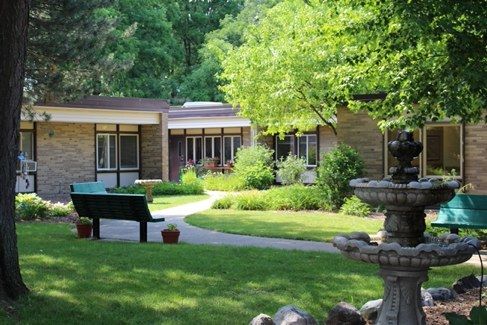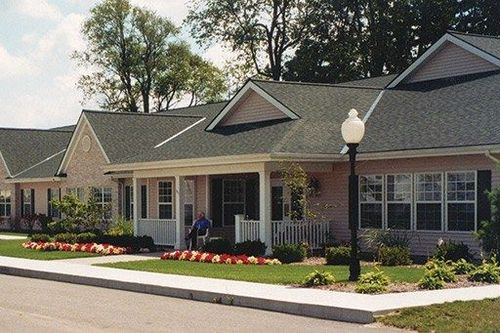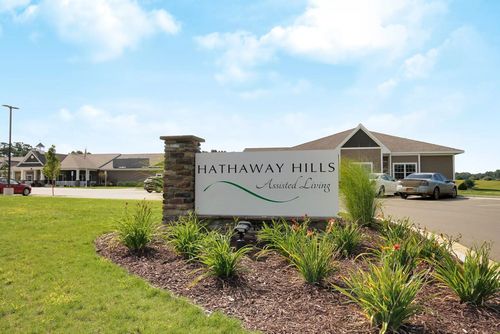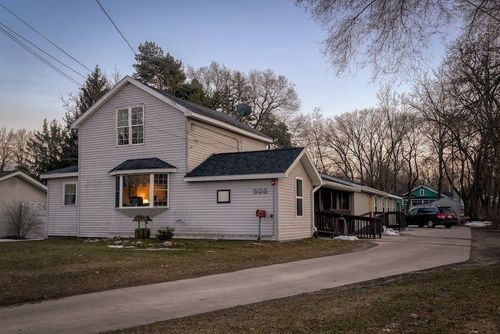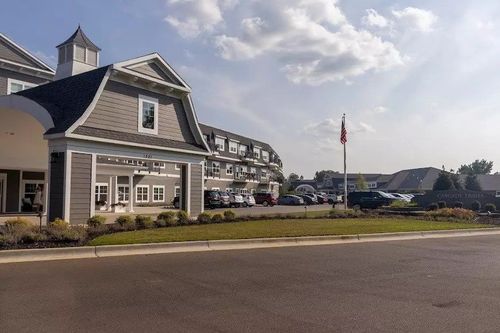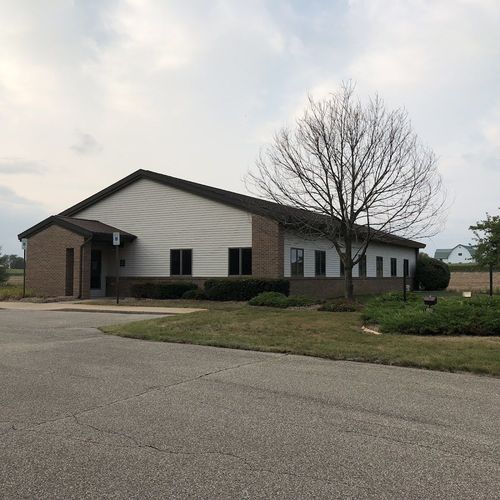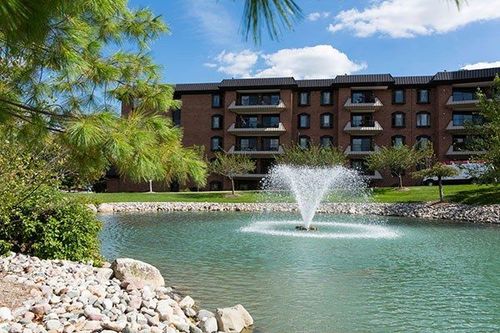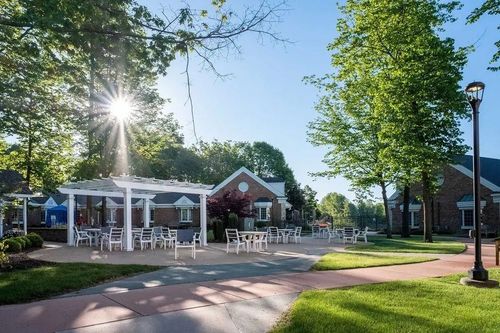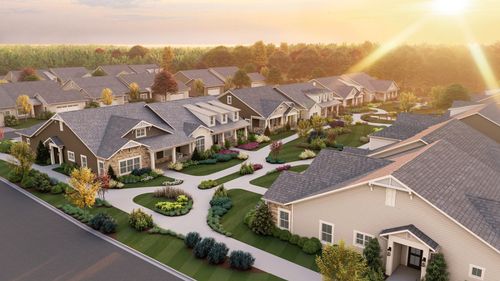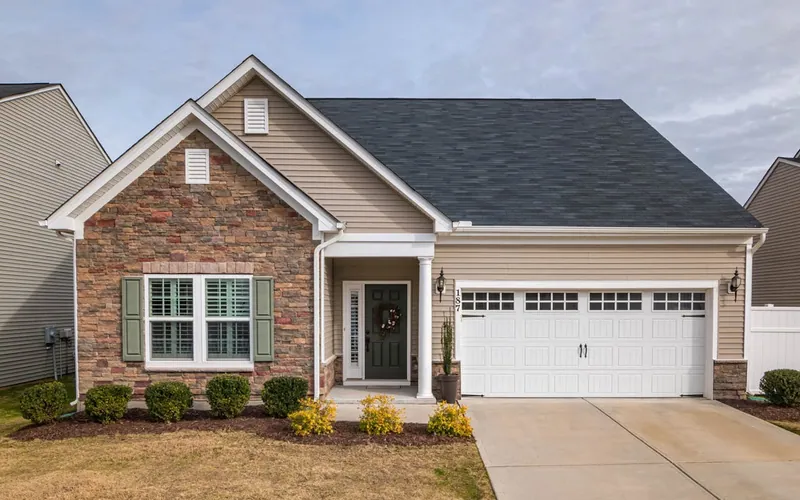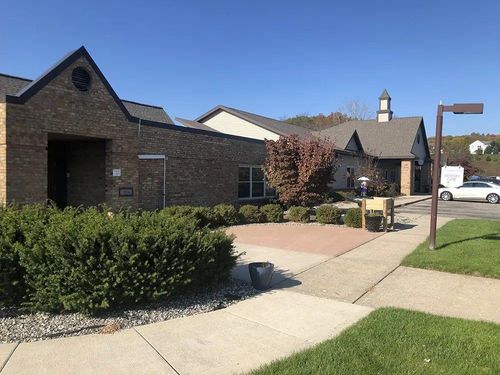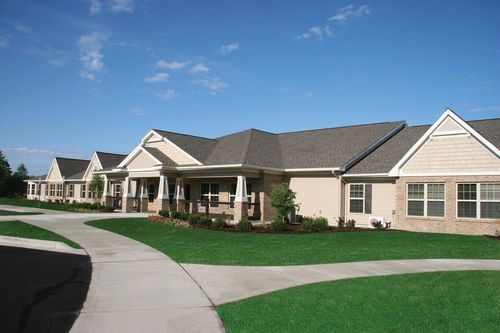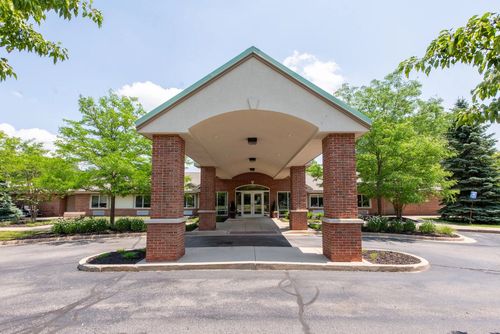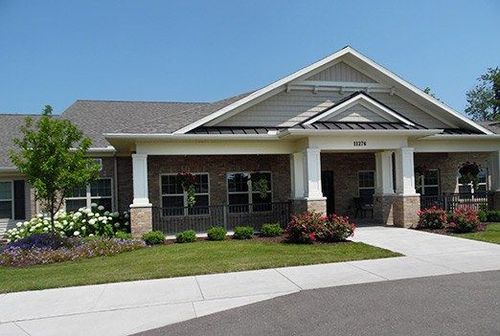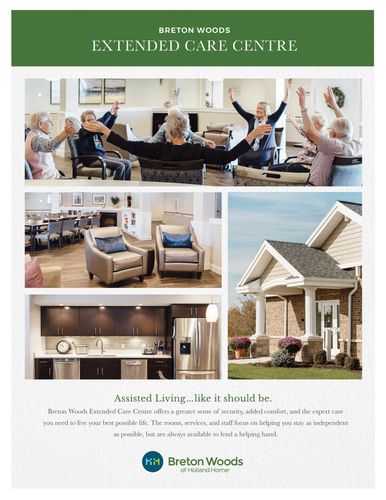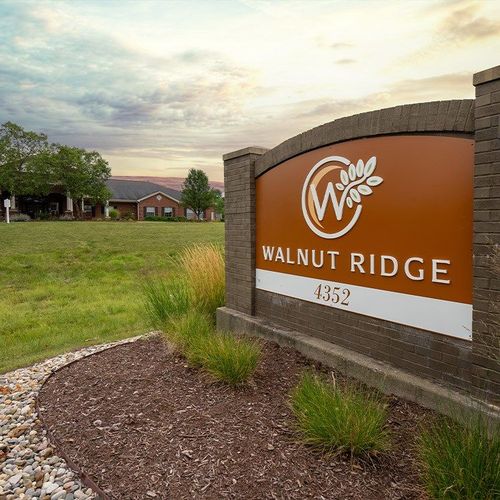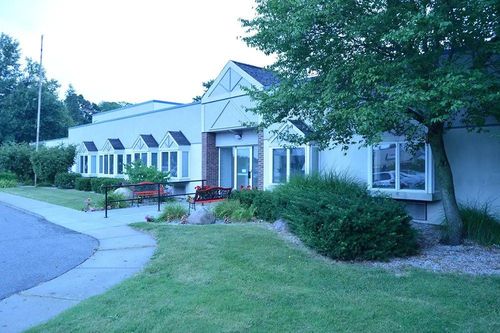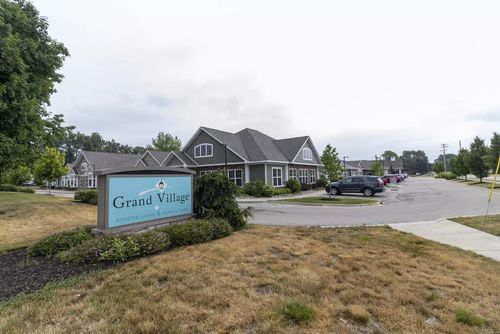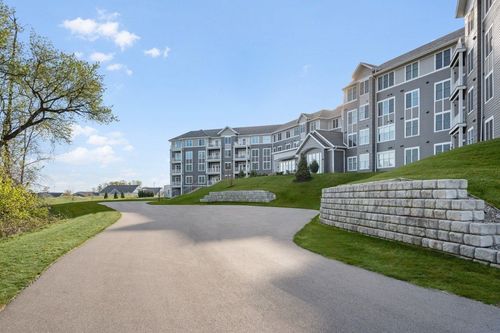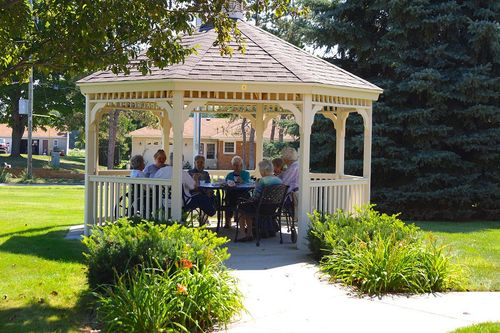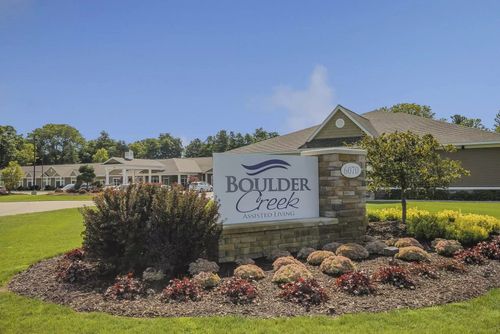
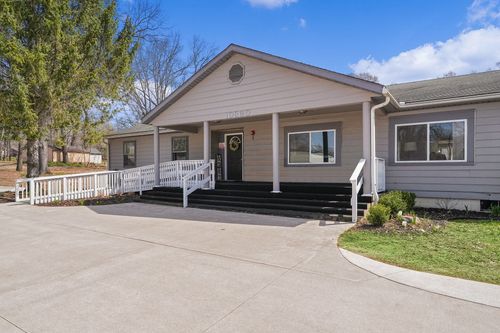
The published figures in Rockford run from $3,200 a month to $5,493, and a gap that size inside so short a list is not a pricing quirk. Michigan does not license anything called memory care, so the phrase is a description a building chooses rather than a standard it has to meet, and it can honestly cover a secured wing inside a community of a hundred and eight residents or a twenty-resident home where dementia is simply what most of the residents happen to have.
Both can be the right answer, and neither is what the other is. Working out which of the 3 local addresses is offering which is the first real task for a Rockford family, and it is a question the price tag hints at but does not settle.
What to Verify Behind the Label
The useful questions are concrete and none appear in a brochure: whether the exits are actually secured and how, whether enclosed outdoor space can be used without an escort, and whether somebody is awake and attentive overnight rather than merely on the premises.
Then ask about staff, because that is where the money in a higher figure usually goes: how many caregivers cover the secured area on an afternoon shift, what dementia training they have had, whether a nurse is present through the day, and how fast a medication change can be arranged. A building doing this well answers immediately, and one that deflects has told you something useful.
Reading a Two-Thousand-Dollar Gap
The local range, from $3,200 to $5,493 a month in 2026, mostly reflects how much is included before anyone is assessed. At the lower end a family is generally buying a room and a level of supervision, with hands-on care priced on top once needs are established. At the upper end more of that is folded in from the start, along with a fuller staffing pattern and a purpose-designed secured environment.
Neither approach is dishonest, but they compare badly on a spreadsheet, because the cheaper address can become the dearer one by the second year while the expensive one barely moves. None of the Rockford buildings holds a Michigan MI Choice waiver contract, so this is private funding throughout, drawn from retirement income, savings, a long-term care policy where one exists, and often a house sale, with VA benefits available to some who served.
A Town Without a Hospital of Its Own
Rockford has no hospital, which shapes dementia care here more than it would shape assisted living. Corewell Health runs a care center on Meadow Creek Drive covering laboratory work, physical therapy, and urgent care, but anything involving an admission means a drive south into Grand Rapids.
That distance is worth planning for rather than worrying about, so ask whether a building will send someone along with a resident who cannot give their own history, how it handles a return from hospital when somebody comes back more confused than they left, and whether it can absorb a changed care level without a second move. None of the local addresses takes respite guests either, which makes the first decision unusually important.
A Small Town That Draws People Back
Rockford has the fabric that makes staying local worthwhile, with a walkable center on the Rogue River, an identity it has kept despite Grand Rapids expanding toward it, and plenty of residents who have been here since the schools were smaller.
For a resident with dementia, familiarity like that is a form of support rather than sentiment, because recognizing a street from a car window survives long after recognizing a new address does. It also keeps visits frequent, since adult children in Belmont, Cedar Springs, or the north side of Grand Rapids are fifteen or twenty minutes out, and a resident seen three times a week is in a different situation from one seen once.
Matching the Setting to the Stage
Because the local addresses differ so fundamentally, the advisor's work in Rockford is less about availability and more about matching a resident to a category. Somebody in the earlier stages who is still sociable and physically capable often does better in a larger setting with more going on, while somebody further along, easily overwhelmed and needing constant supervision, is usually better served by a smaller and quieter one.
Getting that wrong is expensive in the way that matters, since a second move costs a person with dementia weeks they cannot spare. Knowing which building has genuinely secured space, which has held residents through the late stages, and what the bill looks like once care is fully assessed is the work that prevents it. Families who reach out before touring usually see the two addresses worth seeing rather than every one.
The Rockford directory continues to grow as we evaluate providers for quality and alignment in 2026. Reach out for a conversation about memory care in Rockford, or browse the communities we have vetted at your own pace.