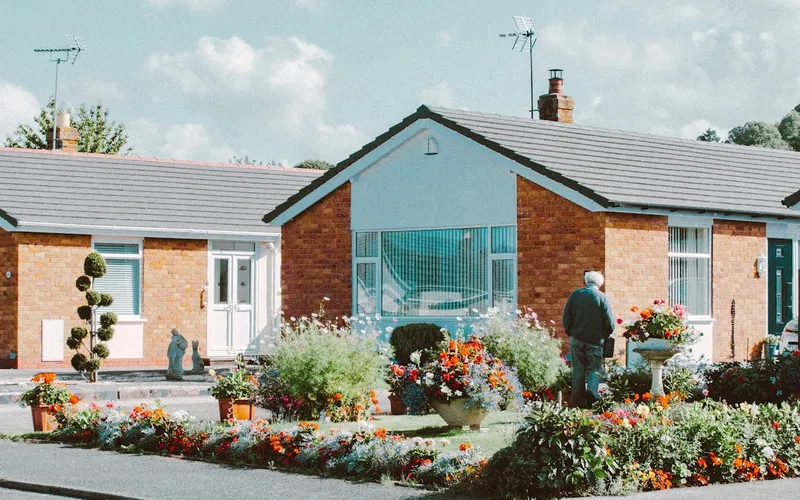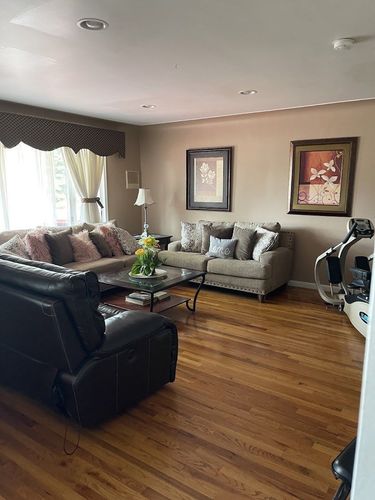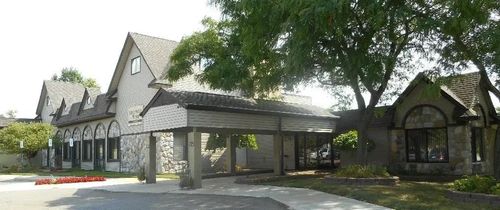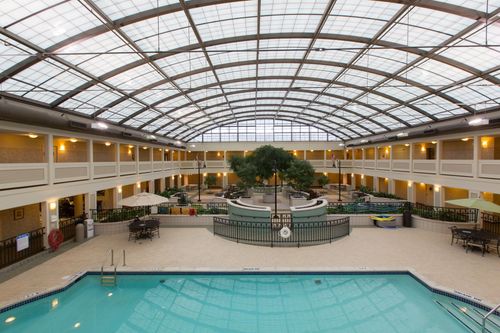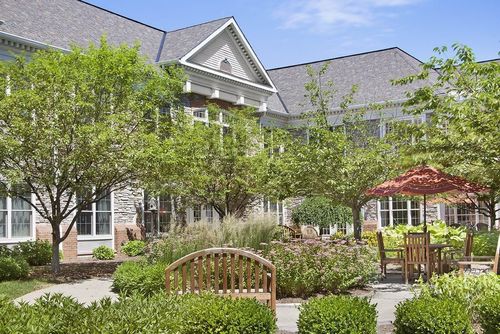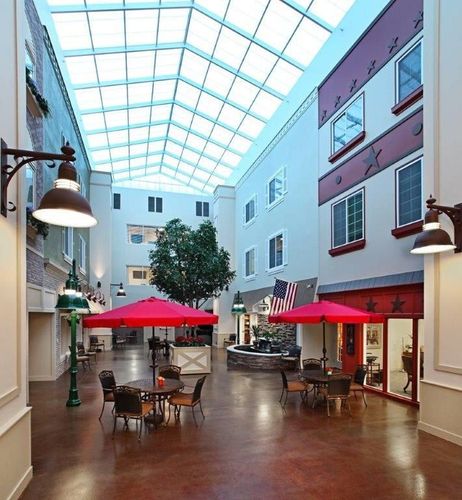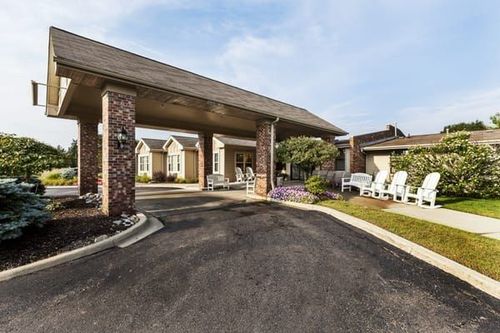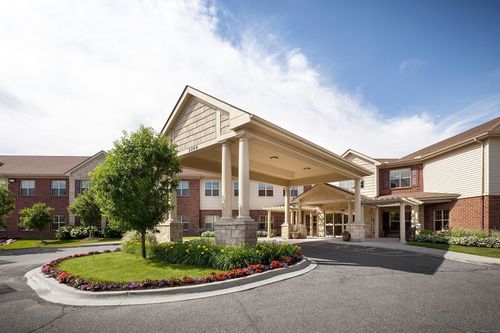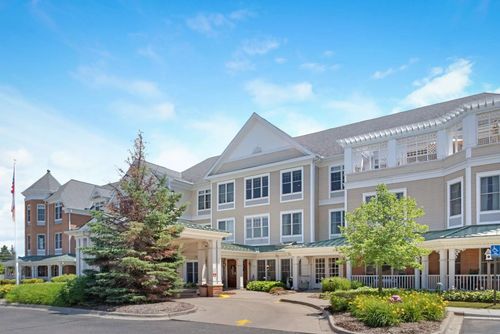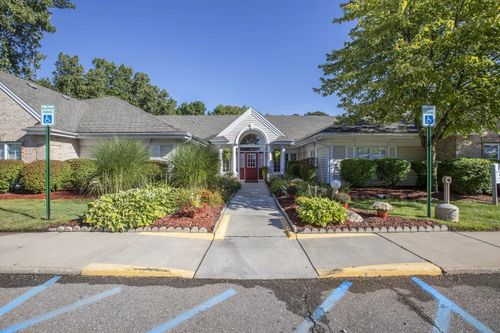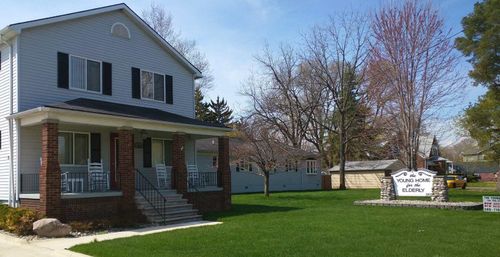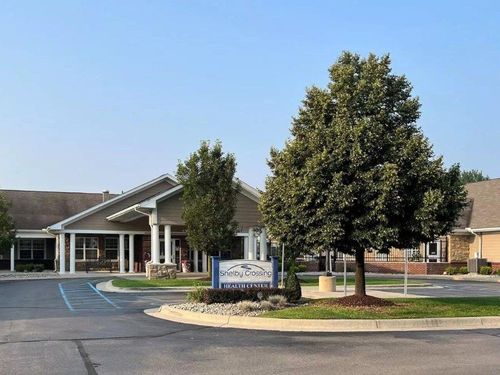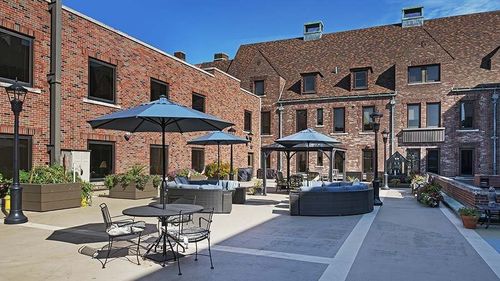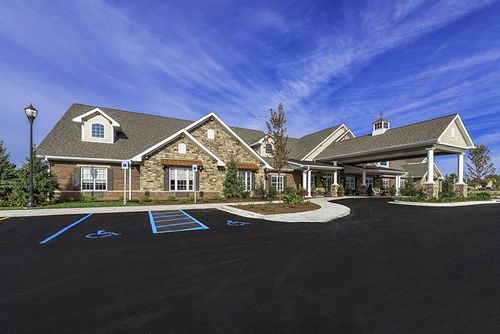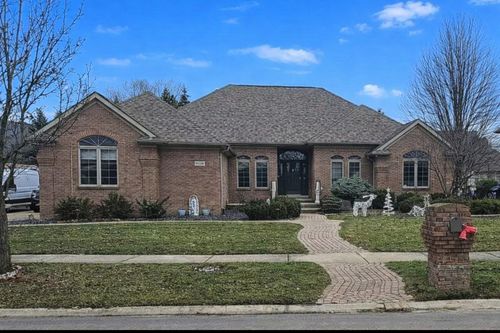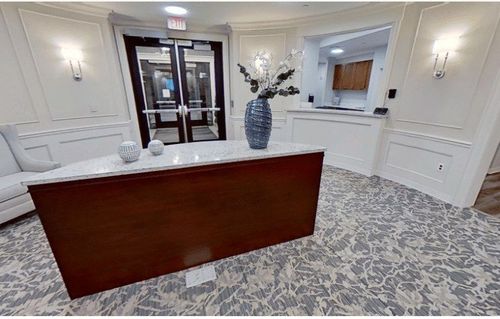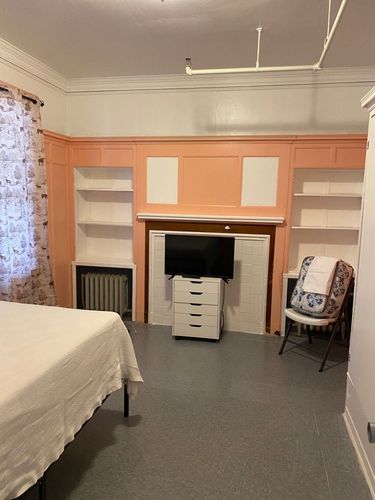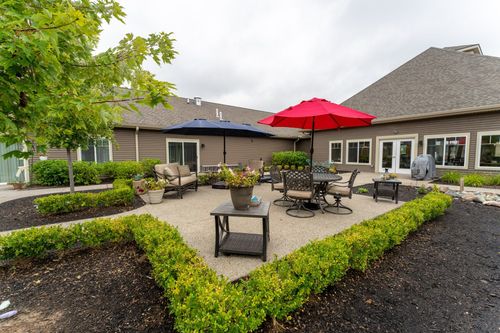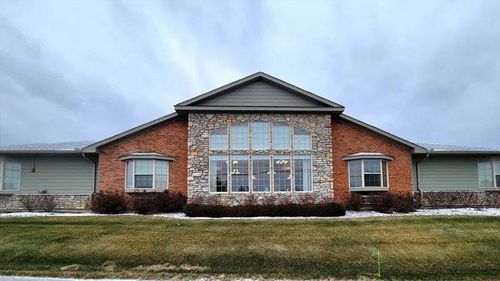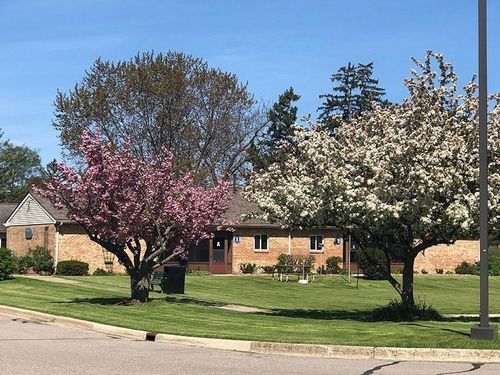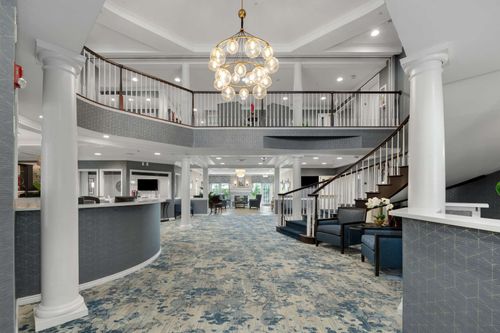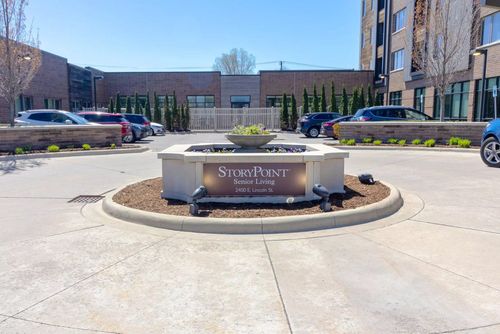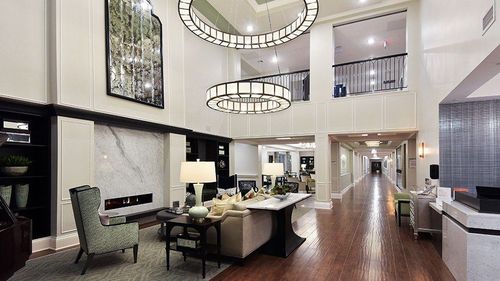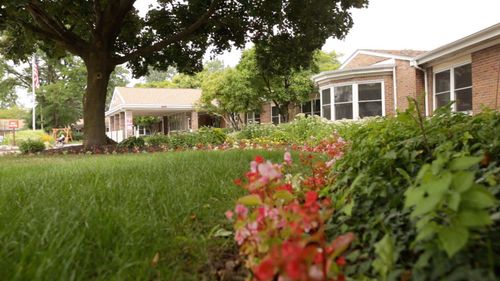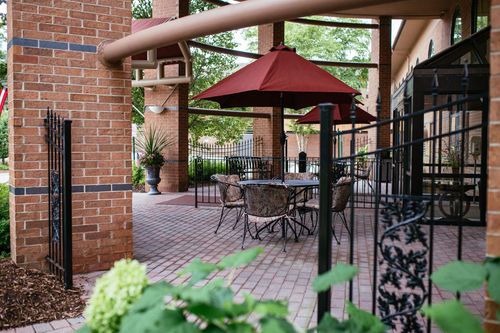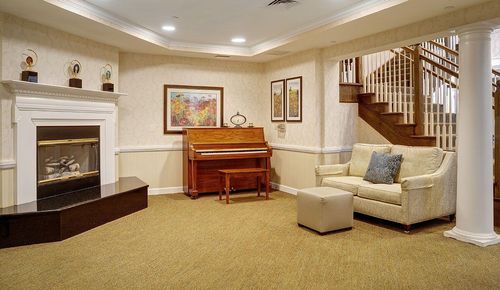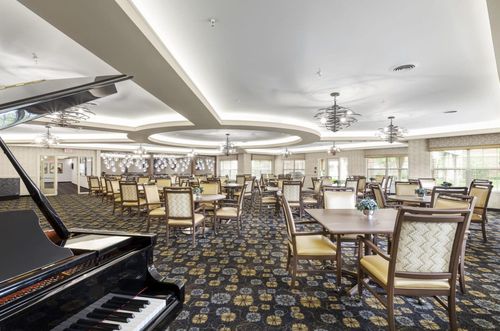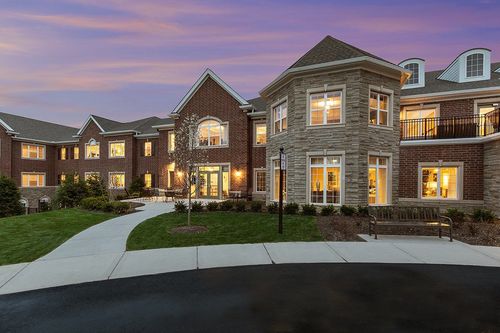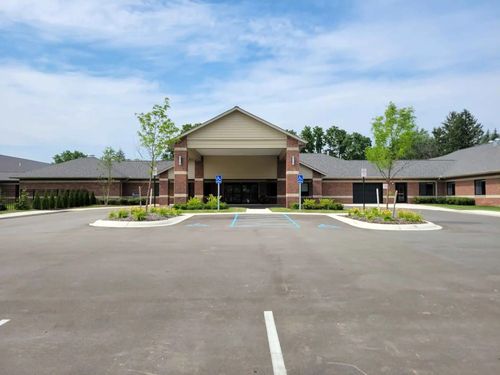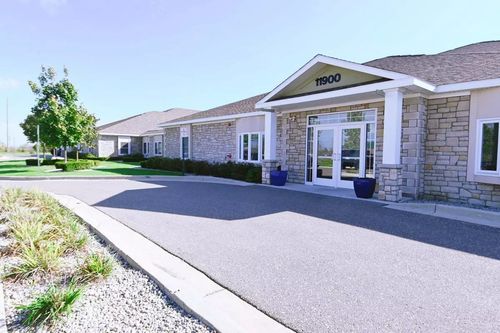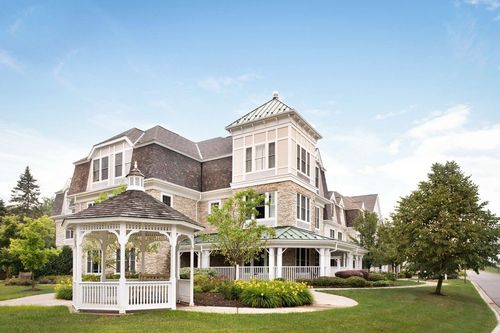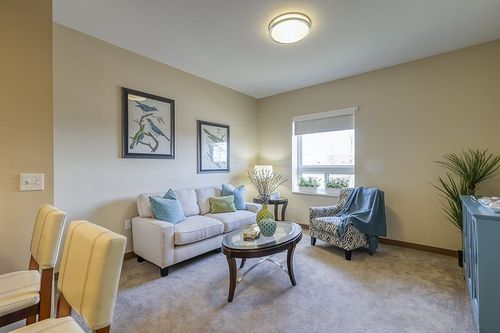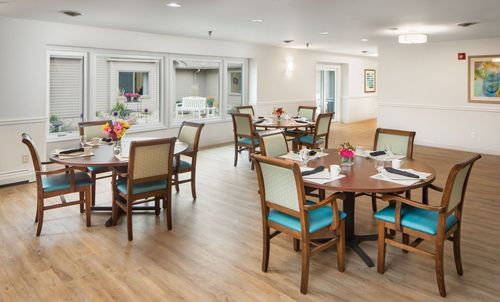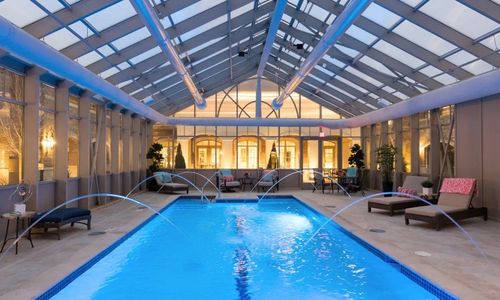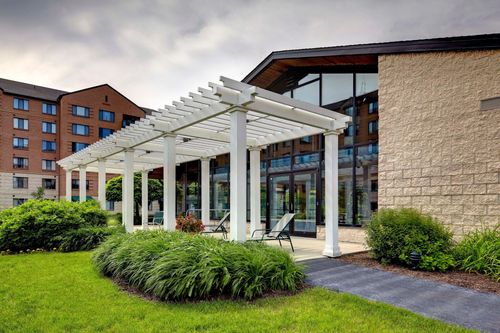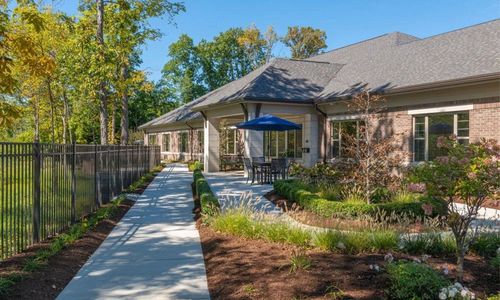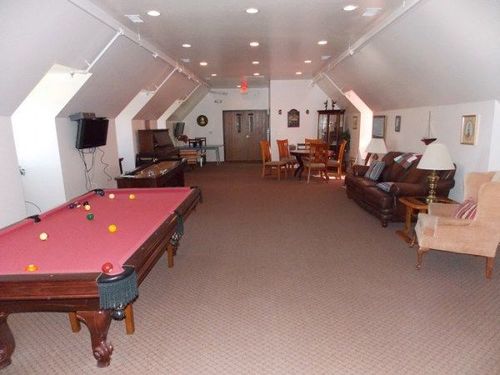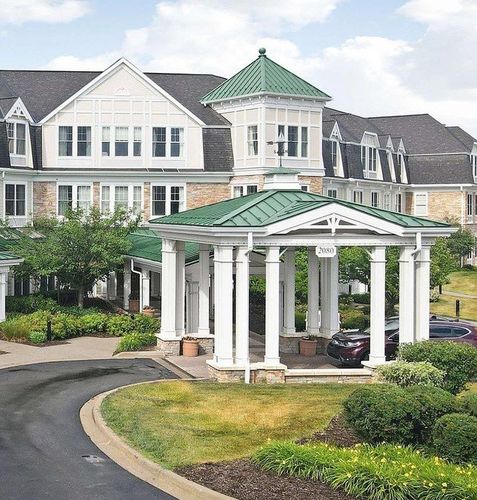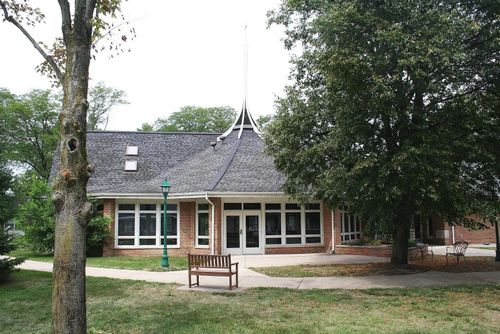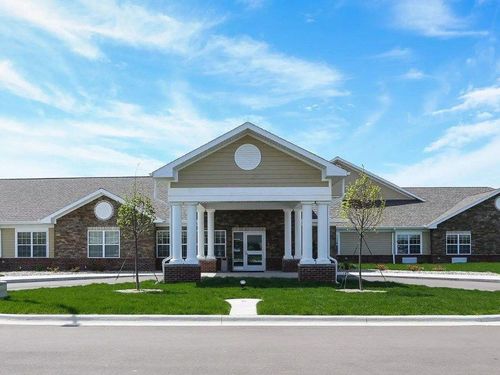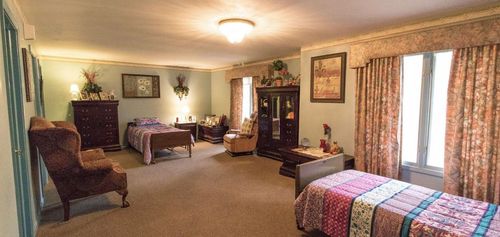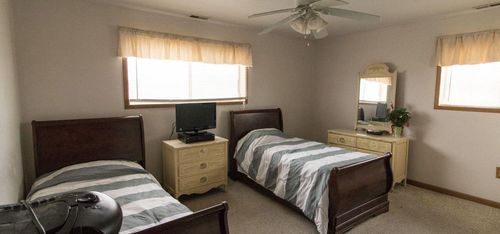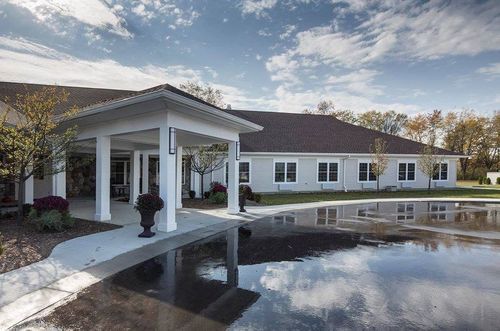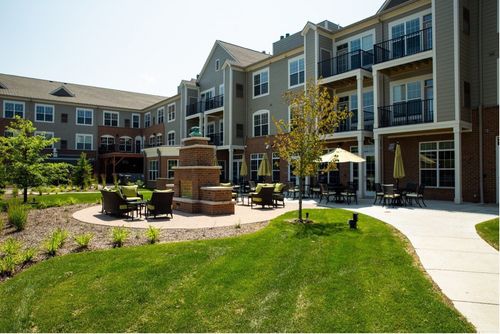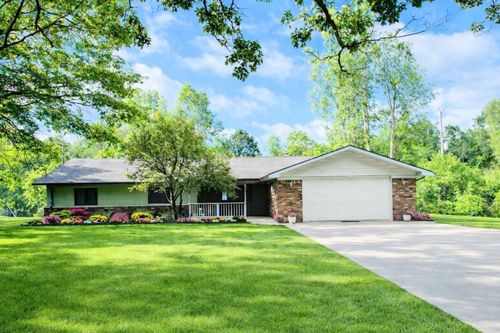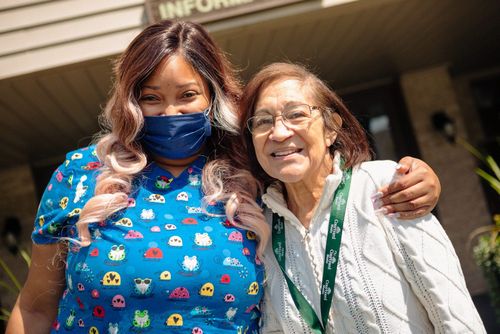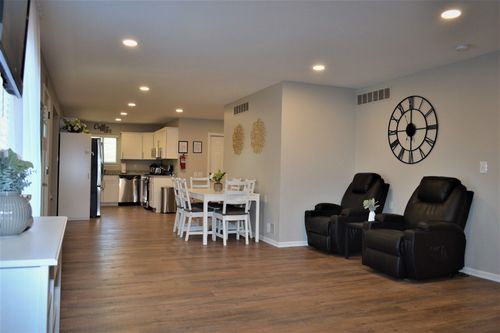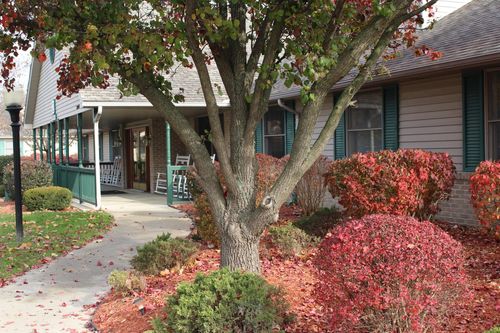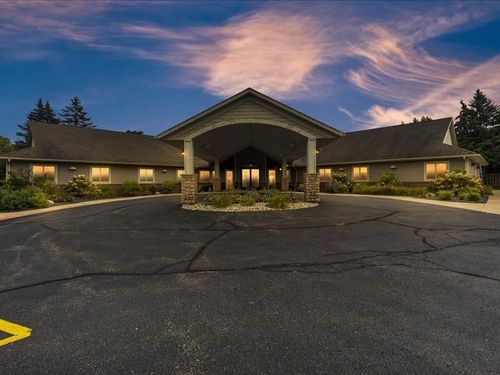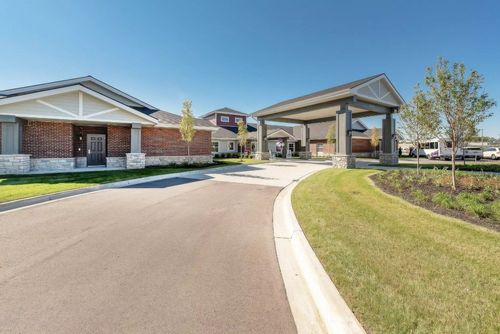
What pushes people out of their houses in Roseville is usually the house. This is a post-war suburb of small lots and modest ranches and bungalows, most of them built between 1950 and 1965, and most of them with a basement staircase, a laundry at the bottom of it and a bathroom that was never designed to be entered sideways. Hampton Manor of Roseville, published from $4,200 a month, is where that problem stops being a problem.
Families rarely frame it that way at first, since they talk about a fall, or medications, or a parent eating badly, and underneath nearly all of it is a house that stopped fitting somebody a decade ago and was never adapted.
What the Move Actually Solves
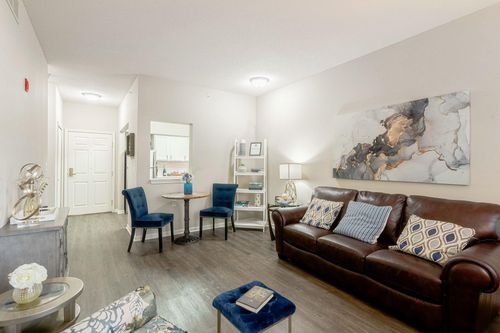
The obvious things are the services: tablets handed over and recorded, help with washing and dressing at agreed times, meals cooked and served, laundry and cleaning gone, and staff in the building all night. The less obvious thing is the architecture: everything is on one level or reachable by a lift, the bathroom was built for somebody who needs a hand, and nobody is going down a basement stair with a laundry basket.
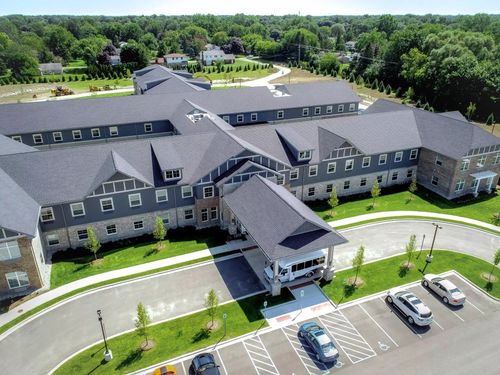
Transport is the other quiet gain, because Roseville is a driving suburb, laid out along Gratiot Avenue rather than around a walkable centre, so a resident who has given up the car has effectively given up the shops, the pharmacy and church. A building that runs scheduled trips restores all of that at once, which is worth more to most residents than any single service on the list.
Reading the Rate
The published figure covers the room and the ordinary services; what gets added to it is a care band, fixed by assessment and looked at again whenever somebody's needs move. A one-time community fee is charged at the start. Two neighbours on the same corridor can sit several hundred dollars apart on the band alone, so the number to ask for is next year's total rather than this month's.
Public money does not reach this address, and Michigan would not cover the housing half of the bill in any case, so the plan is private. Where a household can see the end of that, it is worth raising early rather than late, because every alternative in this state takes months to arrange.
Density, and Why Nobody Wants to Leave It
Macomb County holds about a fifth of its residents past sixty-five, and Roseville is one of the older suburbs inside it, built for young families in the fifties and lived in by the same households ever since. The senior population is large, the local field is short, and rooms are quietly filled rather than advertised.
The compensation is proximity, since adult children in Warren, St Clair Shores or Eastpointe are ten minutes away, which turns visiting into something that happens on the way home from work rather than an event that needs planning. Hospital care sits close too, with Henry Ford Warren Hospital, formerly Ascension Macomb-Oakland, a short drive west, so a resident's doctors and records do not move when they do.
What a Local Advisor Brings to Roseville
With one address inside the city and several similar suburbs pressing on it, the job is accuracy about availability and cost. A Local Senior Advisor knows whether that room is free or merely expected, what a care band would add for this particular resident, and where the building draws its line.
Where nothing is free, the useful reply is a plan rather than a wait: home hours over the difficult ends of the day, or a room held properly in a neighbouring suburb while this one comes free. A short conversation before the house forces the timing is what keeps a family choosing rather than reacting.
Our Roseville directory keeps expanding as we evaluate providers for quality and alignment in 2026. Reach out for a conversation about assisted living in Roseville, or look through the communities we have vetted at your own pace.