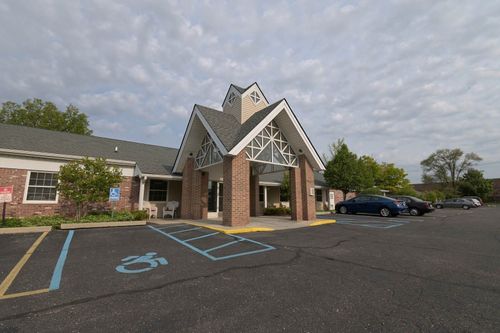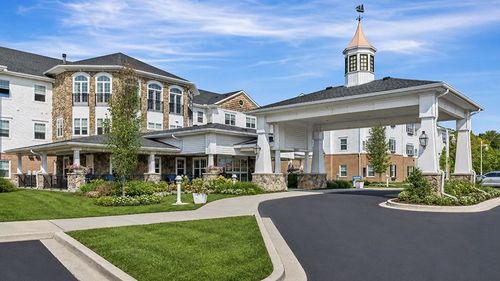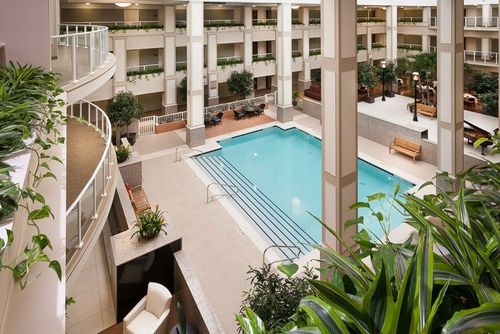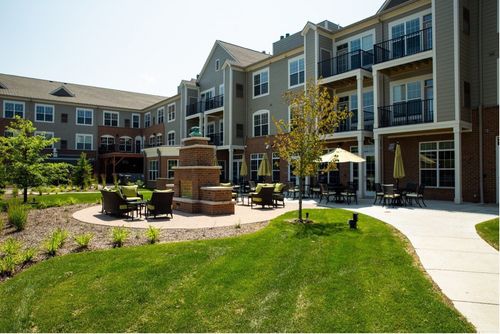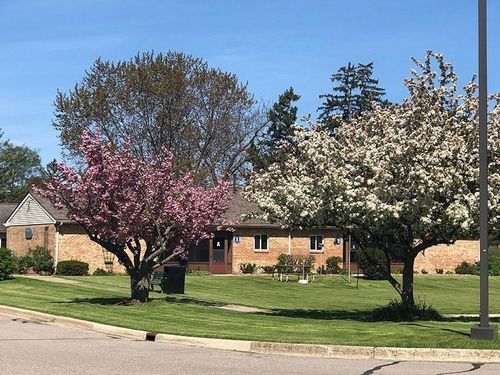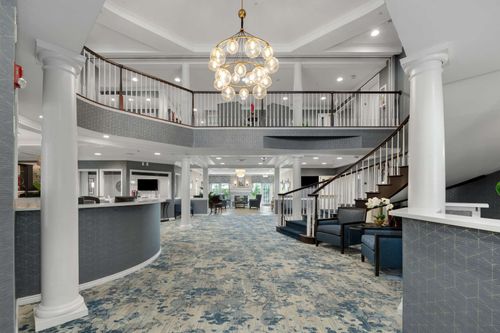
Royal Oak is the kind of suburb people move toward rather than away from, with a downtown that fills on a weeknight, a walkable grid of older streets, and one of the largest hospitals in the state inside the city limits. What it does not have is much independent living, and a household looking here will find a single address rather than a shortlist.
That is worth knowing at the outset because it reframes the search. The question is not which building to choose but whether the one that exists suits a particular person, and if it does not, what the alternatives actually are. The local option welcomes pets and takes respite guests, which at least gives a household a way to find out before committing.
What Independent Living Covers and What It Leaves Alone
Independent living is housing with a services package rather than a care setting, and getting that distinction straight early saves a great deal of confusion later. What the monthly figure carries is an apartment, meals, weekly cleaning, maintenance, scheduled transport, and a calendar of things to do, while a resident keeps charge of their own medicines, appointments, and routine exactly as before.
What it does not include is personal care of any kind, since nobody helps with bathing or dressing, and no nurse is responsible for a resident's health, so a household that has already crossed that line is looking at a different level of support. Many communities will allow an outside home care agency to visit an apartment, which extends how long somebody can stay, and that is worth asking about specifically rather than assuming either way.
Orientation on the Figure
The local address publishes a starting figure of $4,200 a month for 2026. As with any independent living community, what sits inside that number matters more than the number itself, since the depth of the meal plan, the frequency of housekeeping, and whether transport reaches beyond routine appointments vary considerably between buildings.
Two lines catch households out repeatedly, the first being that a second person sharing an apartment is charged an additional monthly fee, and a one-time community fee is normally collected at move-in. No Michigan Medicaid program funds independent living at any level, so this is private money throughout, drawn from retirement income, savings, and usually the proceeds of the house being left behind.
Why a City This Size Has So Little
Royal Oak's housing stock supplies the answer, because this is a city of well-kept older homes on small lots, where land is expensive and rarely comes free in the parcels a senior living campus needs, so the buildings that do exist tend to be assisted living and memory care rather than the larger apartment communities independent living usually occupies.
The practical effect is that a household wanting to stay in Royal Oak has one option and should treat availability as the binding constraint. Registering interest early matters far more here than in a market with several buildings, because there is no second address to fall back on when a preferred floor plan is taken.
A Suburb That Rewards Still Getting Out
For a resident who still drives or still walks, Royal Oak offers more than almost any suburb on this side of the county. The downtown is genuinely walkable, the farmers market runs year-round, and there is enough going on that a person's life does not have to shrink to the inside of a building.
Healthcare is unusually strong as well, since Corewell Health William Beaumont University Hospital sits on Thirteen Mile Road as an academic medical center with Level I adult trauma capacity, so a resident keeps access to specialists most suburbs cannot offer, and family across Berkley, Ferndale, and Clawson reach the door in ten minutes.
When There Is One Address, the Question Changes
With a single local option the advisor's work is not narrowing a list, it is establishing honestly whether this building suits the person, because the cost of getting that wrong is a move nobody wanted. That means the practical questions: what the current residents are like and whether a new arrival would find peers, what happens when somebody's needs increase, whether outside home care can come into an apartment, and how long a wait runs on the floor plans anybody actually wants.
Where the answer turns out to be no, the useful conversation is about what an alternative would need to look like rather than about a list of buildings, since a household that has thought that through decides well and one that has not tends to accept whatever is available. A short conversation early is what makes that possible, and with respite offered locally there is also the option of testing the answer for two weeks first.
The Royal Oak directory continues to grow as we evaluate providers for quality and alignment in 2026. Reach out for a conversation about independent living in Royal Oak, or browse the communities we have vetted at your own pace.