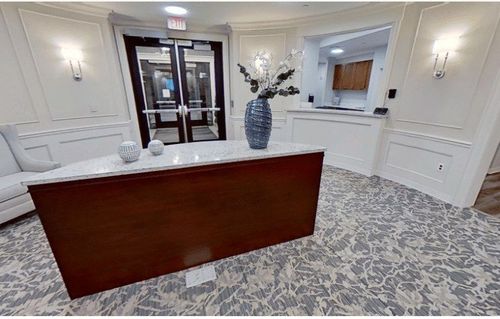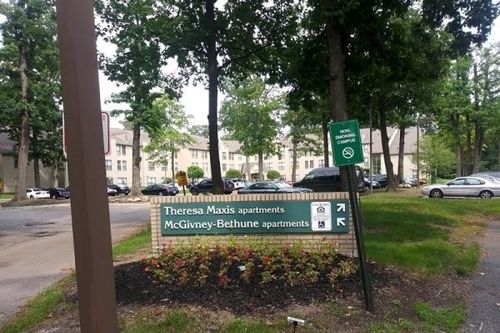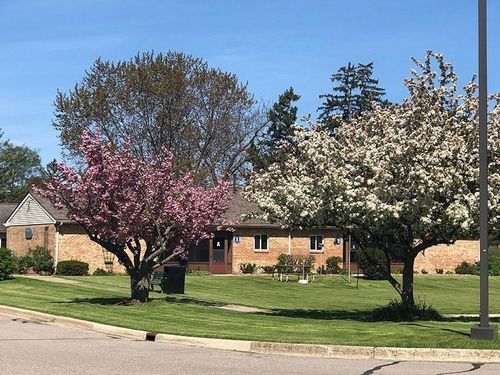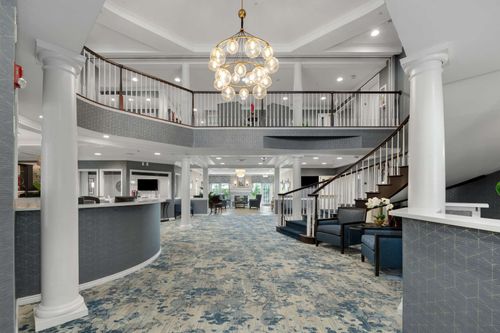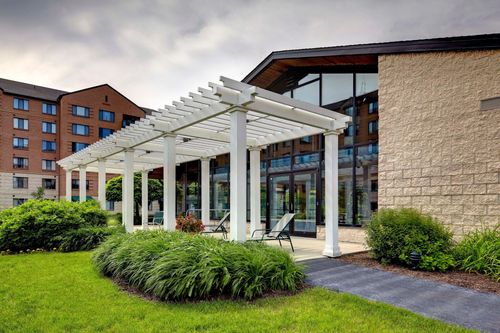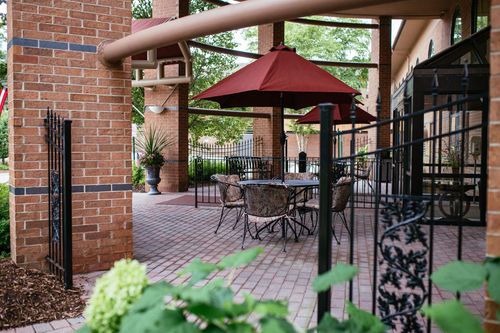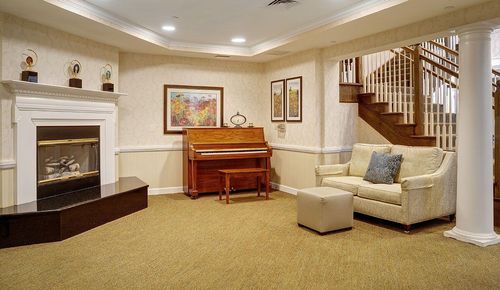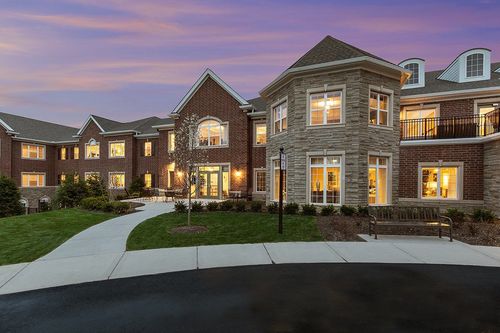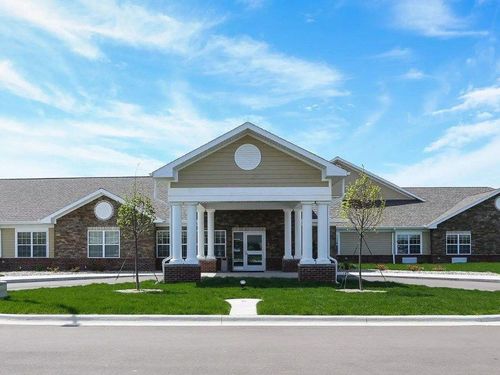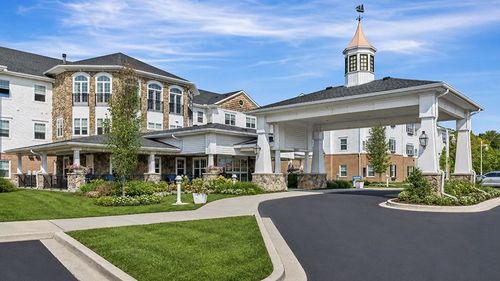
The published figure at the one independent living address in St Clair Shores is $1,100 a month for 2026, and that number tells a household a great deal before anybody picks up a phone. At that level the monthly cost is buying housing rather than a full package of meals, housekeeping, and transport, which is a legitimate and often sensible arrangement, but it is a different product from the all-inclusive communities the phrase usually calls to mind.
Knowing which one is in front of you is the whole task here. A senior apartment suits somebody still cooking, still driving, and wanting nothing more than a smaller place with fewer stairs and neighbors their own age. Somebody looking for a dining room and a daily calendar is looking at something else, and the sooner that is settled the less time gets wasted.
The Questions That Establish What Is Included
Ask about meals first, because it is the fastest way to identify what kind of community this is. Is a dining room included daily, available as an option, or absent altogether? Then ask about housekeeping and laundry, whether they come with the apartment or are arranged privately, and whether any transport exists for appointments or shopping.
Ask about the building itself as well, meaning whether there is an elevator, whether the bathrooms are adapted, and whether a resident who later needs a walker could still manage the layout. Ask what age restriction applies, if any, and ask directly whether outside home care can visit an apartment, because in a housing-first arrangement that is the mechanism by which somebody stays put as needs change, and it is worth confirming rather than assuming.
Reading the Figure Honestly
At $1,100 a month a household should expect to be paying separately for the things a fuller community bundles, which is not a drawback so much as an unbundling. Cooking, groceries, cleaning, and getting to appointments stay a resident's own responsibility or become a separate cost, and adding them up honestly is the only way to compare this against anything else.
No Michigan Medicaid program funds independent living in any form, and some senior housing operates under income-based programs with their own eligibility rules and waiting lists, so it is worth asking which arrangement applies before assuming either. What the figure does buy, for a household on a modest fixed income, is the ability to stay in this city at all, and that is not a small thing on a lakeshore where property has run away from a lot of people.
A Lakeshore Suburb That Aged in Place
St Clair Shores filled in through the post-war decades and largely kept the people who arrived then, which is why its older population is substantial and heavily rooted. Households here are often in the same house they bought in the 1960s, a few streets from the water, with children who settled nearby.
That produces steady demand for anything letting somebody stay in the city without a house to maintain, and very little supply. Availability rather than choice is therefore the constraint, and registering interest early matters more than comparing options.
Why Nobody Wants to Move Inland
The lake is not decoration here, it is the reason people live in this city, and a resident who has spent fifty years a few blocks from Lake St Clair will not thank anybody for a building on a service drive twenty minutes west. Nautical Mile, the parks along the shore, and the ordinary business of watching the water are what a person's week is made of.
Care access is straightforward as well, since Henry Ford St. John Hospital, which carried the Ascension name until 2024, sits a short drive south, with Henry Ford Macomb in Clinton Township covering the other direction, so a resident keeps their existing doctors without anybody rearranging a single relationship.
Making a Short List of One Work
With a single address in the city, an advisor's job is establishing quickly whether it genuinely fits and, where it does not, working out what a household actually needs so the search stays purposeful rather than becoming a list of buildings in other suburbs. The questions that decide it are whether meals and housekeeping are required or optional, whether home care can be brought in later, and what the wait looks like.
Where a resident needs more support than a housing-first arrangement provides, that is worth knowing now rather than after a move, because the wrong fit here means relocating an older adult twice. A short conversation about what a week actually looks like at home is usually enough to establish which of those two situations a family is in, and that single distinction saves more time than any amount of touring.
We keep expanding our St Clair Shores coverage as we evaluate providers for quality and alignment in 2026. Start the conversation about independent living in St Clair Shores, or look through the buildings we cover at your own pace.