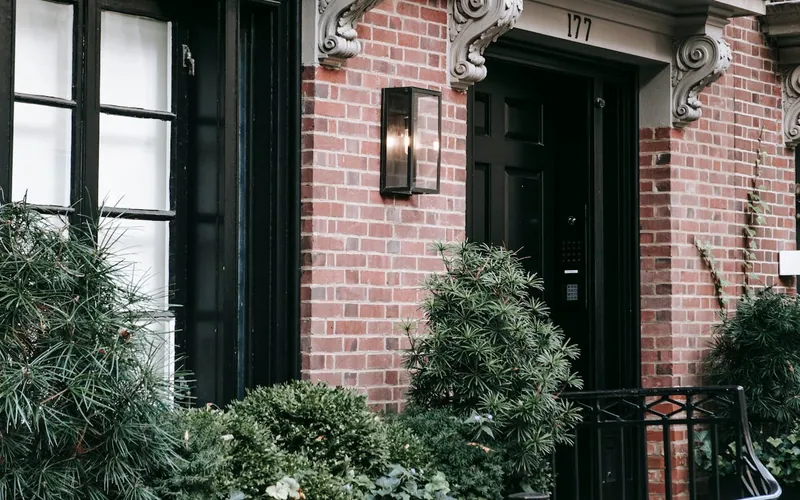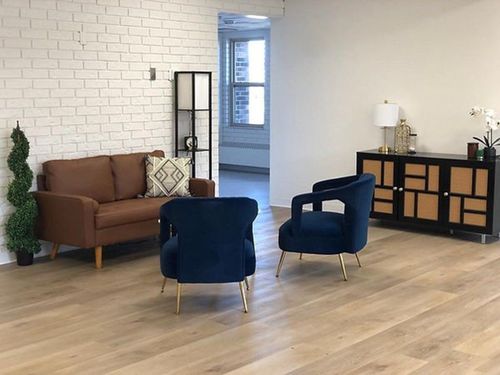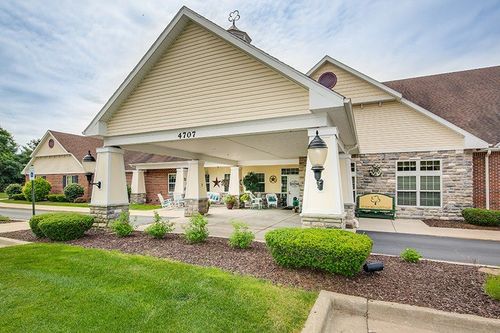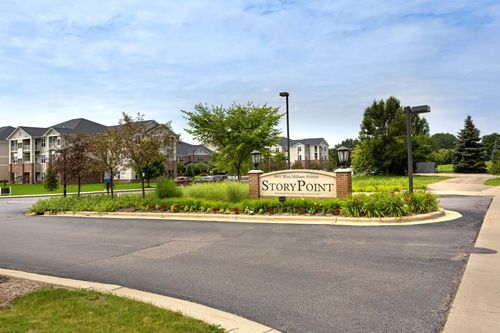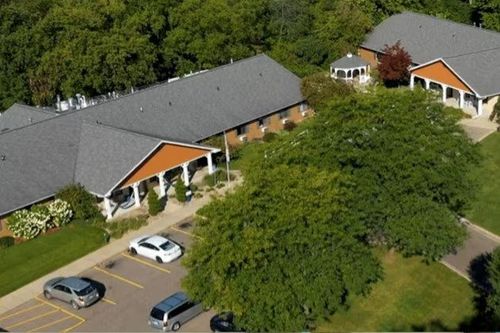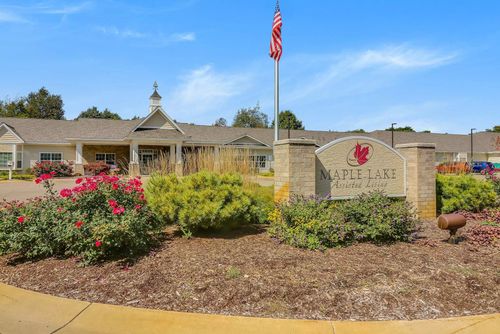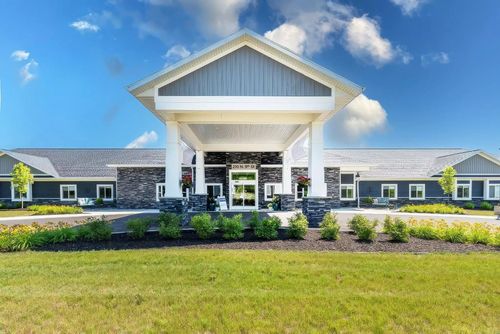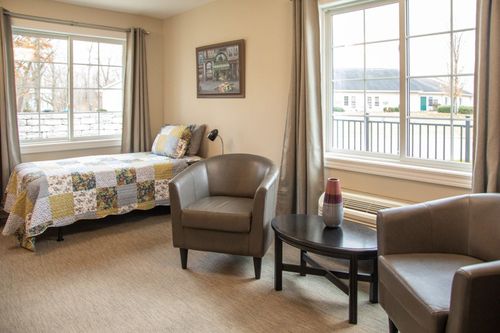
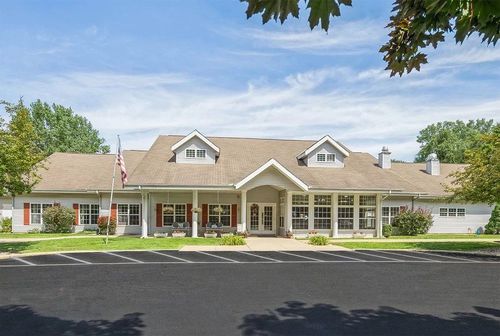
Two very different models of assisted living sit within a few minutes of each other in Three Rivers. Birch Meadows AFC on North Douglas Avenue runs the adult foster care model, a house-scale setting where a small group of residents shares one household routine. LakeHouse Three Rivers on Elm Street is the larger community version, with a dining room, an activity calendar and the staffing depth that comes with size. Across the two, buildings run from twenty beds up to forty-two.
That is the actual choice here, and it is about scale rather than towns. Both addresses share a ZIP code, so the usual small-county question of which end of the map to live on does not arise.
Twenty Beds and Forty-Two Beds Are Different Jobs
At the house end, a resident eats what the household eats and the same two or three caregivers cover most of the week, so somebody notices on day one when a resident stops finishing breakfast. The trade is a thinner social life: twenty residents cannot sustain a card game every afternoon, and a person who wants a busy calendar will feel the quiet.
At the larger end the arithmetic reverses. There are enough residents for the dining room to feel like a room rather than a table, enough staff for someone to be alert at three in the morning without it being remarkable, and enough structure that a new resident can find a routine rather than have one built for them. What the bigger building asks in return is that a family be deliberate about care levels, since a resident needing a lot of attention is competing for it with more people.
What the Eleven-Hundred-Dollar Difference Buys
LakeHouse Three Rivers opens at $3,932 a month and Birch Meadows AFC at $5,091. Reading that gap as a quality ranking is the standard mistake, because the two figures are pricing different things: the smaller setting is spreading fixed costs across fewer residents, which is why household-scale care often lands above community-scale care rather than below it.
Both figures are also starting rates, and a care assessment adds to whichever one applies. The harder constraint is that no assisted living address in St. Joseph County participates in Medicaid, so a stay here is funded privately from the first month to the last. For a household whose savings would run out in three or four years, that is a fact to build the plan around at the beginning, not a discovery to make in year three.
Who Is Aging Here
About 11,400 of St. Joseph County's roughly 61,000 residents are past 65, which puts it almost exactly on the Michigan average. There is no retirement-migration story here and no unusual concentration of older households; this is a working county whose seniors mostly aged in place in the towns they worked in.
What is unusual is where the senior living sits. Sturgis is the county's largest city, with around eleven thousand people, and it has no assisted living address in the directory at all. Everything routes to Three Rivers, which means a Sturgis family is planning a move across the county rather than across town.
The Hospital Question Changed in June
Sturgis Hospital closed on 19 June 2026 after a hundred and one years, having converted in 2023 into the first rural emergency hospital in Michigan and closed anyway. Emergency runs that once covered two miles now cover closer to twenty-five.
For an assisted living decision that changes the arithmetic in one direction only. Three Rivers Health Hospital on South Health Parkway is now the county's only full-service hospital, carrying an emergency department, an intensive care unit and inpatient rehabilitation, and both assisted living addresses sit minutes from it. A resident with a heart condition or a fall history is better placed in Three Rivers than anywhere else here, and that was less true a year ago.
Getting a Straight Read on Two Buildings
With two addresses and two models, the useful work is not building a shortlist. It is establishing which model actually suits the resident, what each quotes once care level is assessed, and which has a room at the moment the family needs one. An advisor covering the corridor holds the current version of all three answers, and none of them appear on a website.
The other half is the funding conversation, which in a county with no Medicaid participation is more consequential than families expect. Working out how many years the money covers, before choosing between a $3,932 door and a $5,091 one, is the difference between one move and two. None of that costs a family anything, and a short conversation before the tours usually settles which of the two models is even in play.
The St. Joseph County directory continues to grow as we evaluate providers for quality and alignment in 2026. Start the conversation about assisted living in St. Joseph County, or look through the buildings we cover at your own pace.