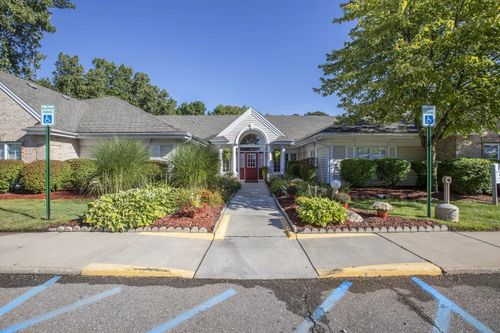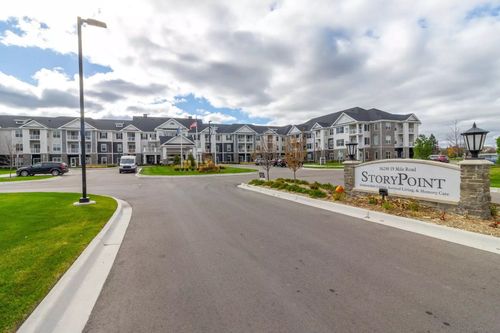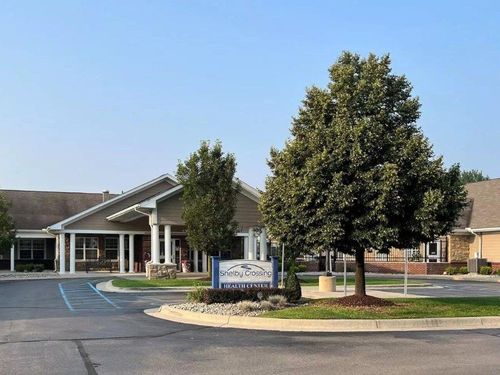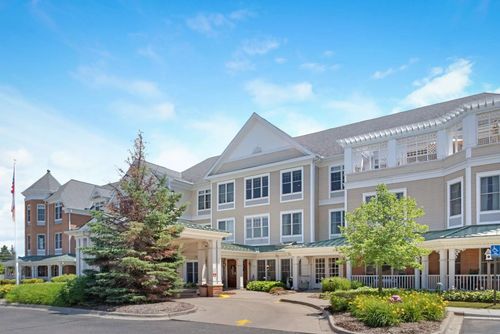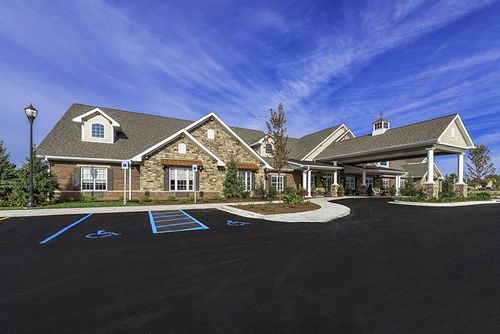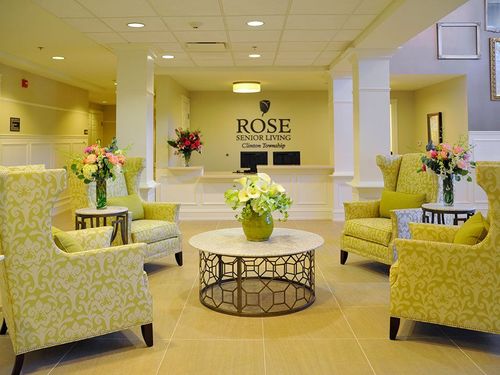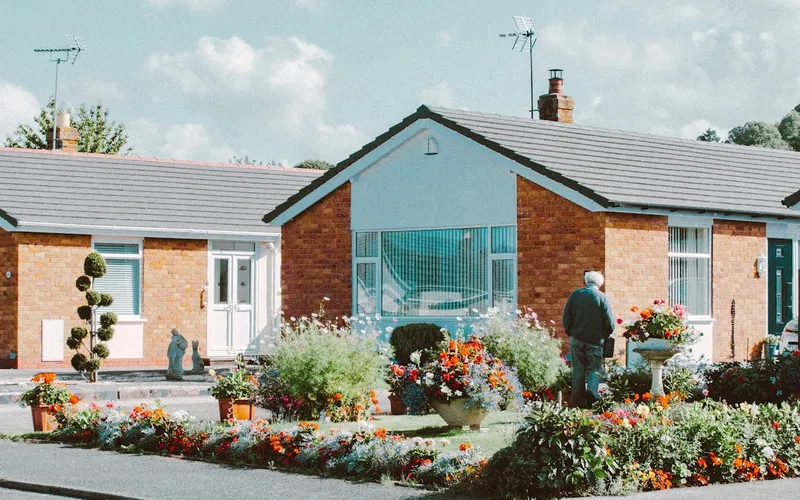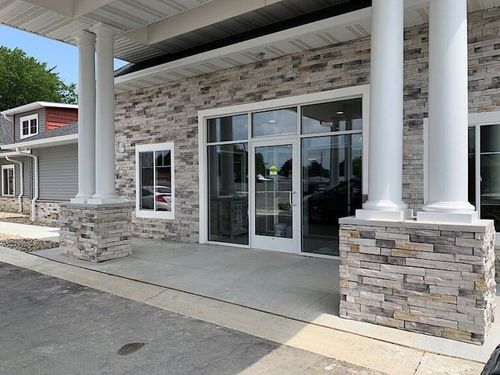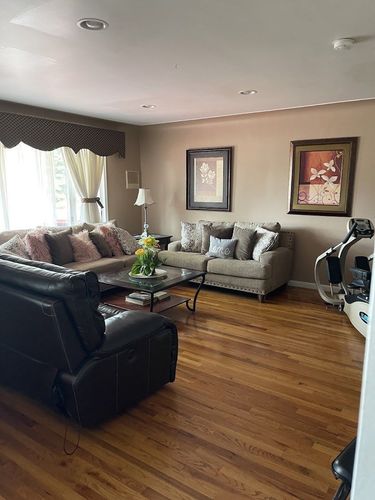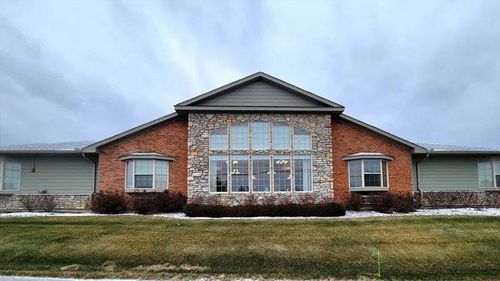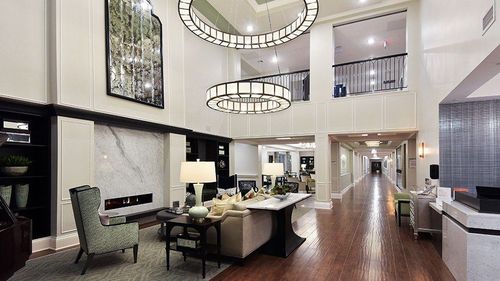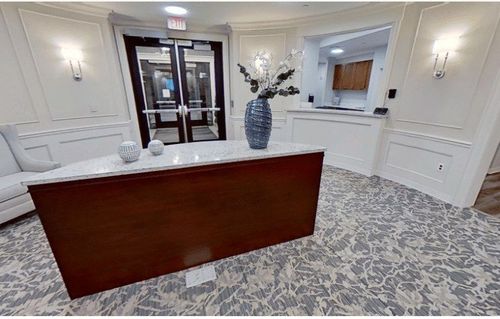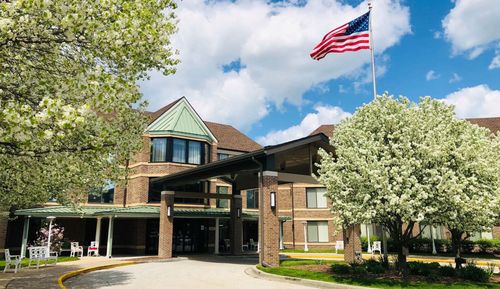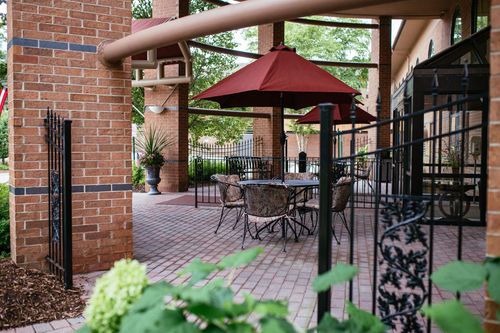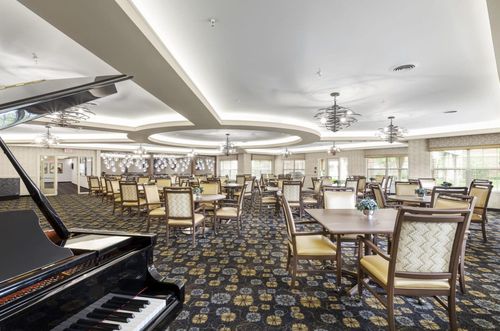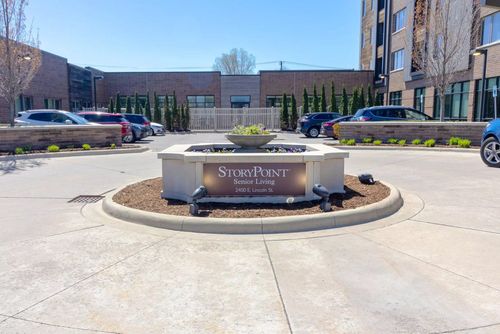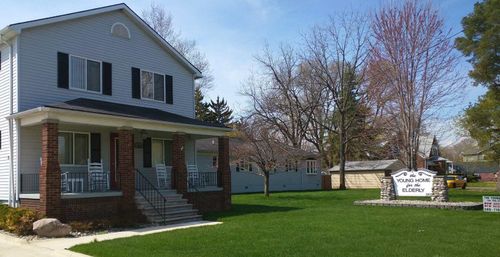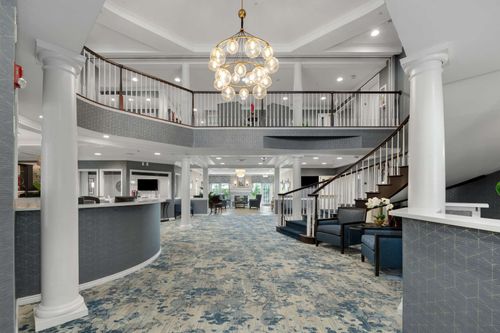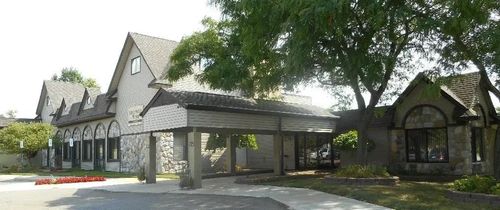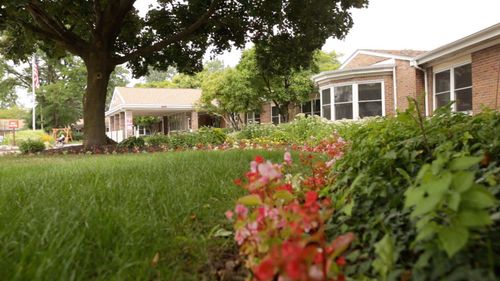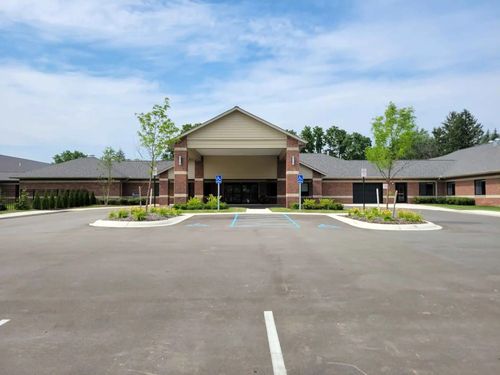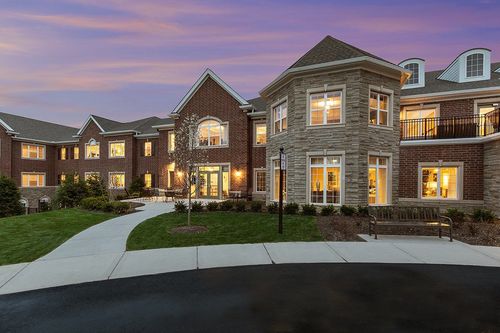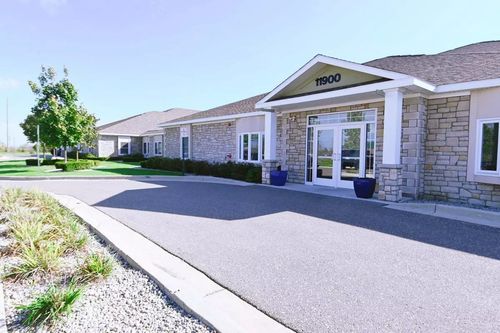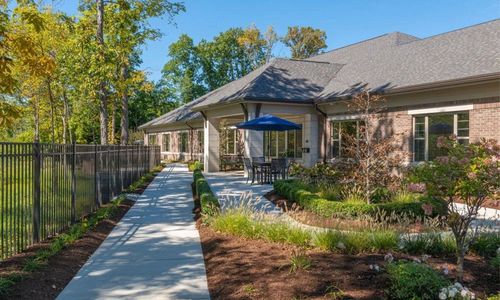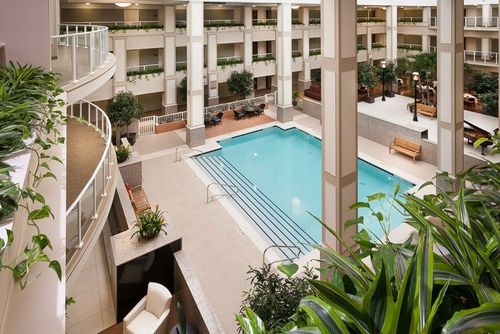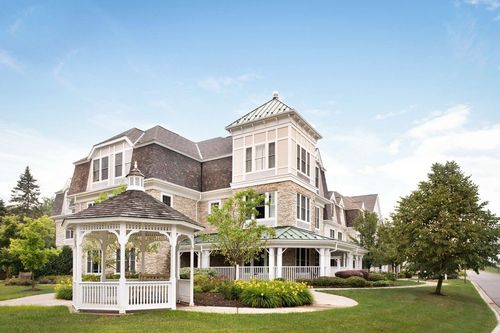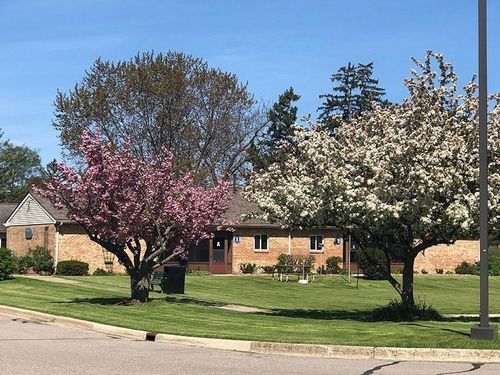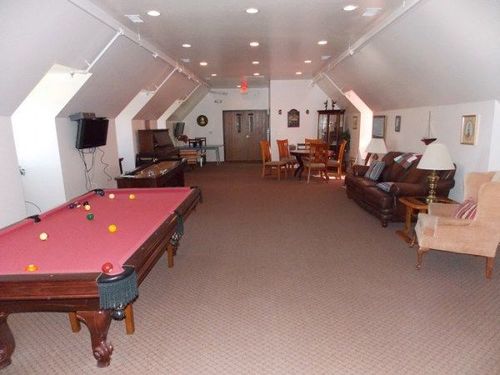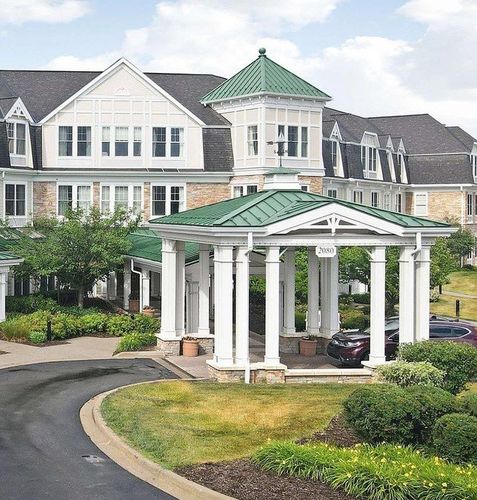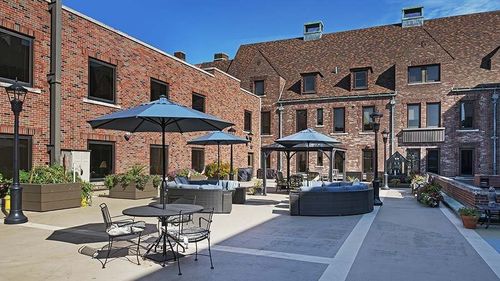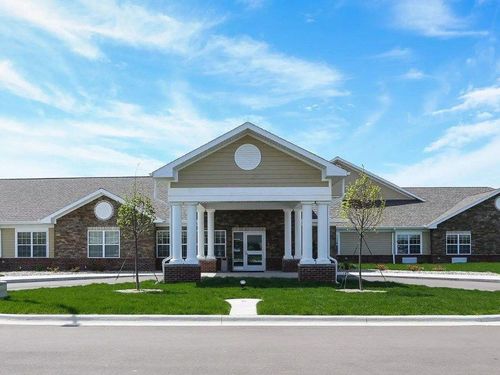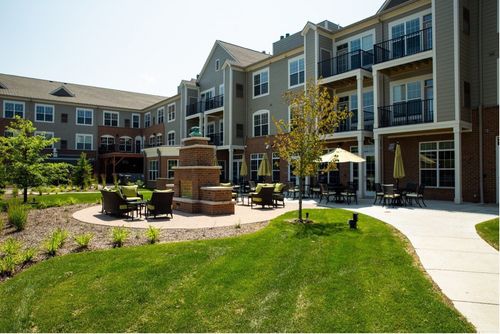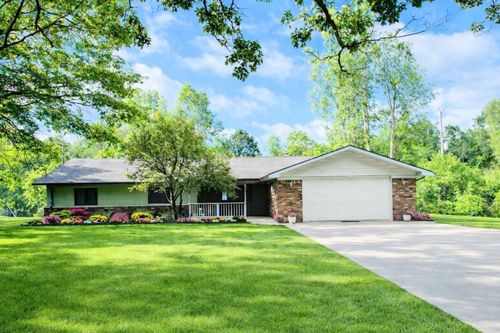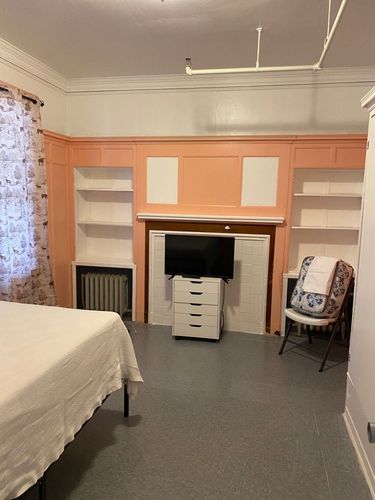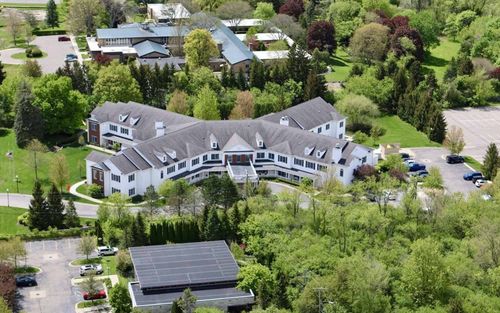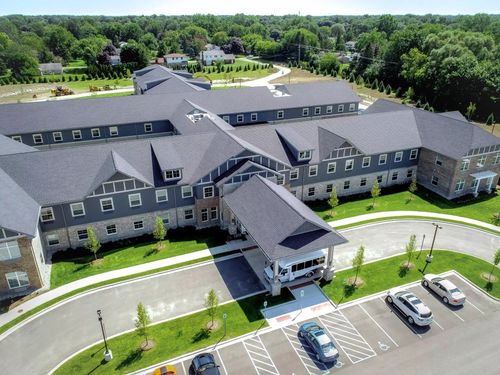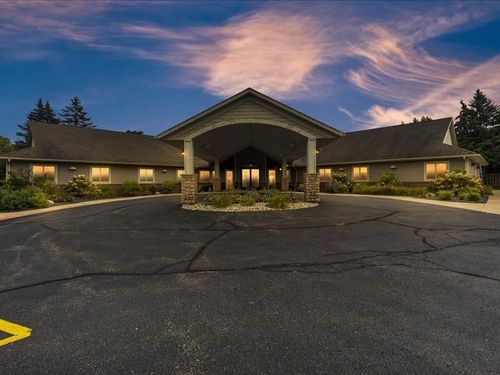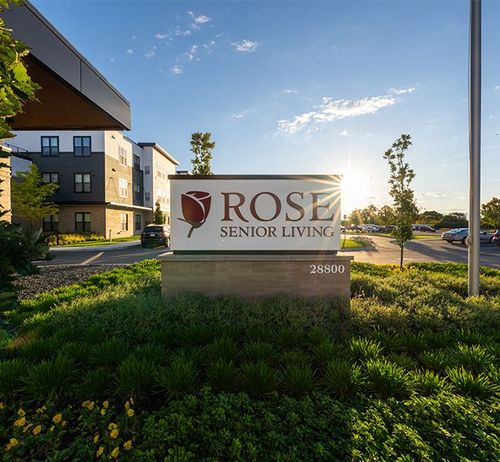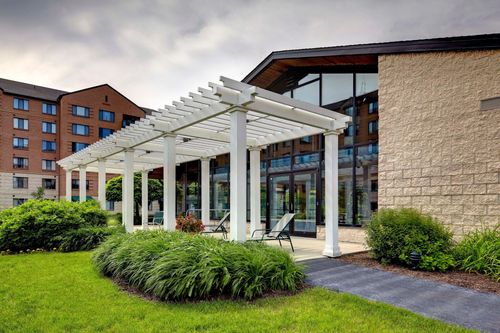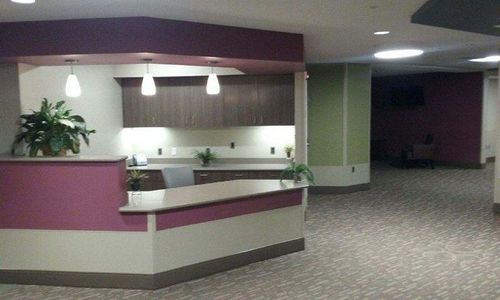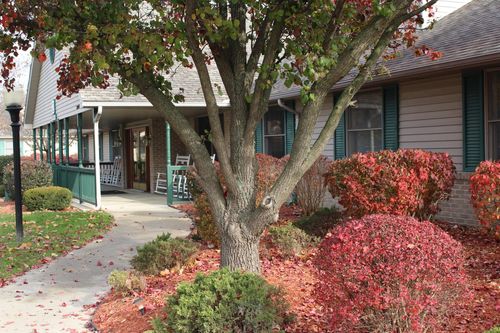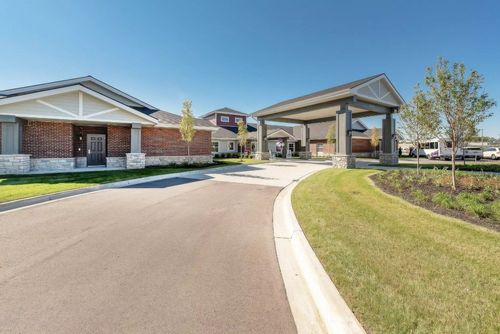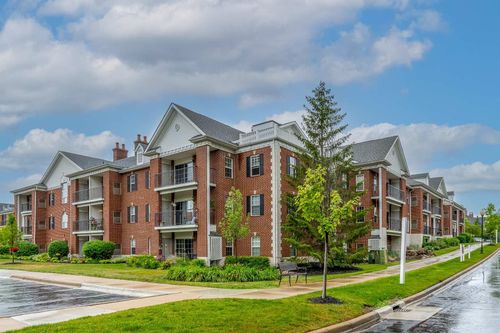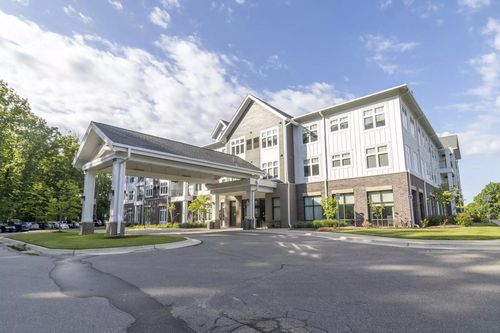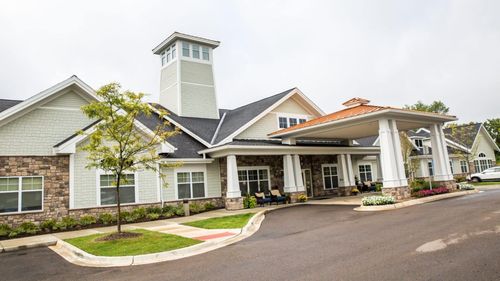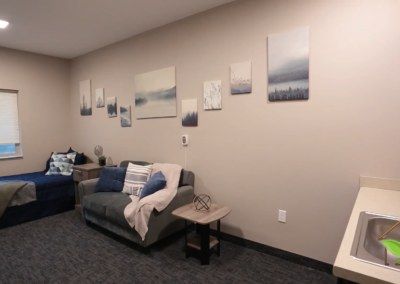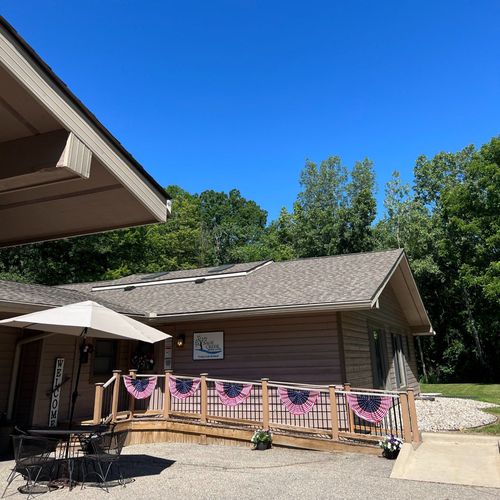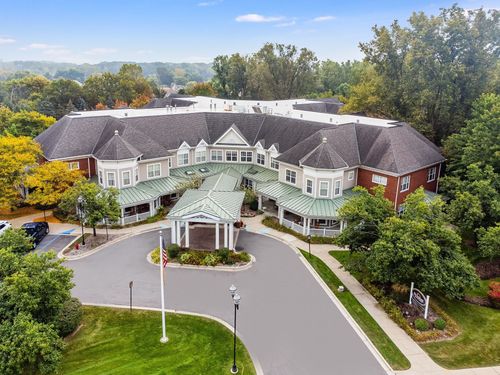
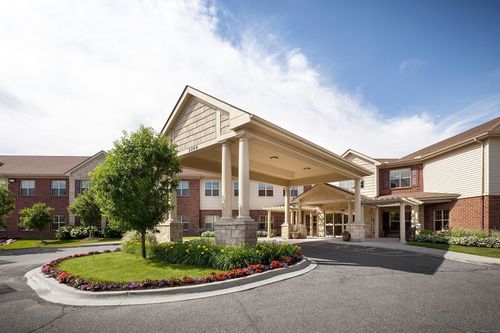
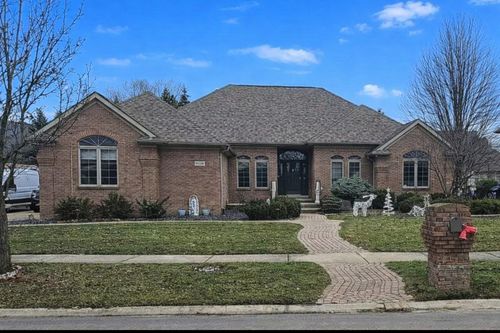
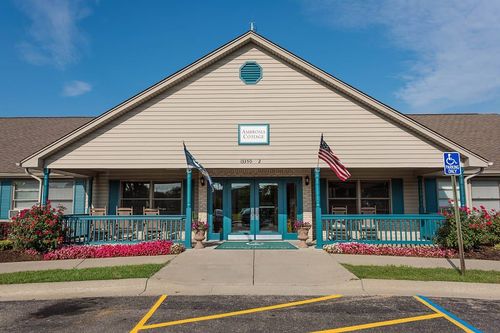
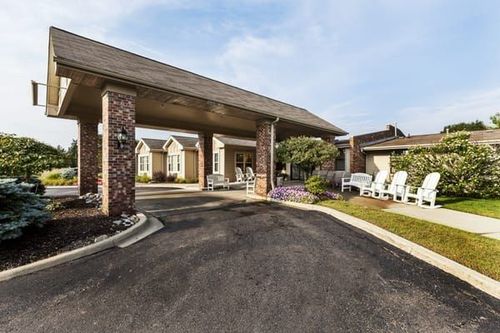

Sterling Heights maintains a handful of licensed residential settings across its suburban corridors for older adults needing daily oversight. Families navigating this Macomb County municipality find choices ranging from intimate six-bed residential houses to larger complexes holding up to 110 residents. No local facilities in this specific municipal footprint currently accept Medicaid payments upon entry, and only one location accommodates household pets within the current setup. Navigating these regional parameters requires understanding how physical scale alters the daily rhythm of care.
Daily Support and Routine
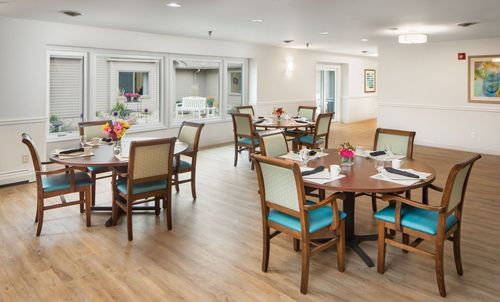
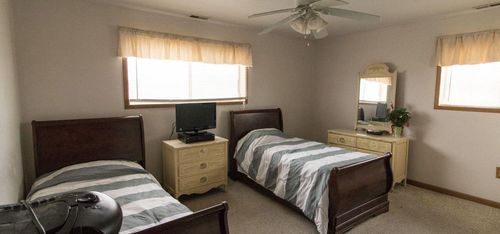
Morning routines across these neighborhoods typically begin around conventional hours with medication reminders and personal hygiene assistance delivered directly in private or shared quarters. Staff members coordinate scheduled meals in central dining rooms while accommodating individual dietary requirements or modified textures as prescribed.
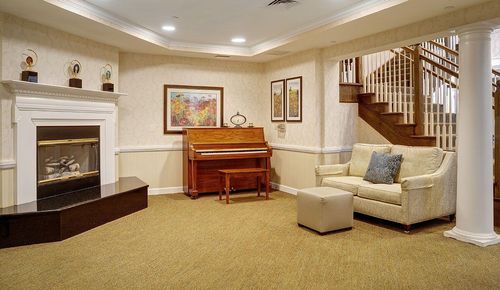
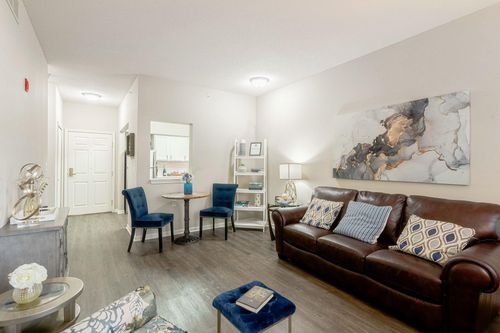
Afternoon hours transition into light social gatherings, shared television viewing, or small group activities inside common sitting rooms. Evening support refocuses on winding down, securing rooms, and ensuring overnight call systems remain functional for any sudden late-night needs.
Monthly Rates and Financial Realities
Local monthly service fees generally span from $3,800 up to $5,000 depending on the specific tier of physical assistance required by the resident. For instance, Pomeroy Living Sterling Assisted charges $4,200 per month, matching the baseline rate found at The Courtyard At Sterling Heights.
Meanwhile, Serenity Adult Foster Care lists rates reaching $5,000 monthly, reflecting more tailored oversight within its residential environment. Other locations like My Doctors Inn structure their financial agreements through direct discussions based on individual assessments rather than fixed baseline numbers.
Growing Need in the Suburbs
An expanding demographic of aging residents throughout this region continues to drive steady local interest in supportive residential settings. Adult children frequently look for alternatives when managing home maintenance or medication schedules becomes overwhelming for a parent living alone.
Proximity to major medical hubs along Metro Parkway and Van Dyke Avenue makes this municipality a logical landing spot for retirees wanting local healthcare access. Neighborhood stability allows families to keep aging relatives close without relocating across county lines.
Reasons Families Choose Local Options
Relocating a relative into a supervised environment often resolves chronic family stress regarding missed medication doses or kitchen safety concerns. Familiar surroundings keep seniors tethered to familiar grocery stores, medical providers, and religious congregations within the township.
Moving into a structured residence eliminates the isolation that frequently creeps in when older adults remain alone in multi-story suburban homes. Daily human contact and prepared meals restore nutritional health and general vitality.
Navigating Local Decisions
Finding available openings requires tracking local turnover, as smaller homes fill up quickly when vacancies arise. Understanding payment timelines and discharge rules prevents unexpected financial gaps during transitions from independent living or rehabilitation facilities.
Matching the physical size of a residence to a parent's social personality ensures a comfortable long-term fit. Families who want clarity on these local nuances can talk it through during a short conversation.
Our Sterling Heights directory keeps expanding as we evaluate providers for quality and alignment in 2026. Reach out for a conversation about assisted living in Sterling Heights, or browse the communities we have vetted at your own pace.