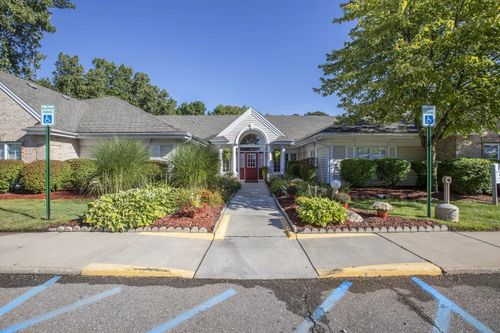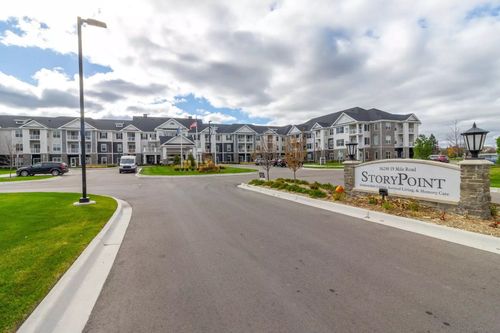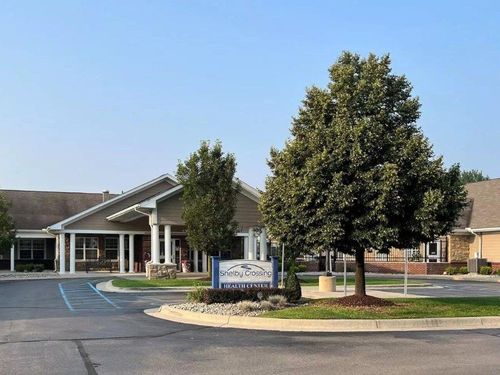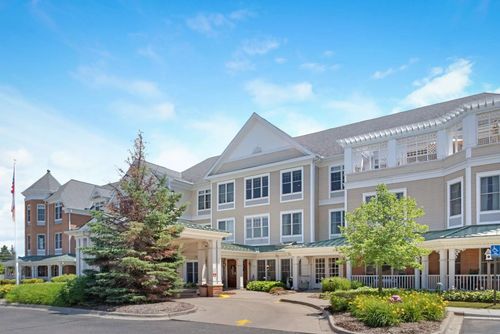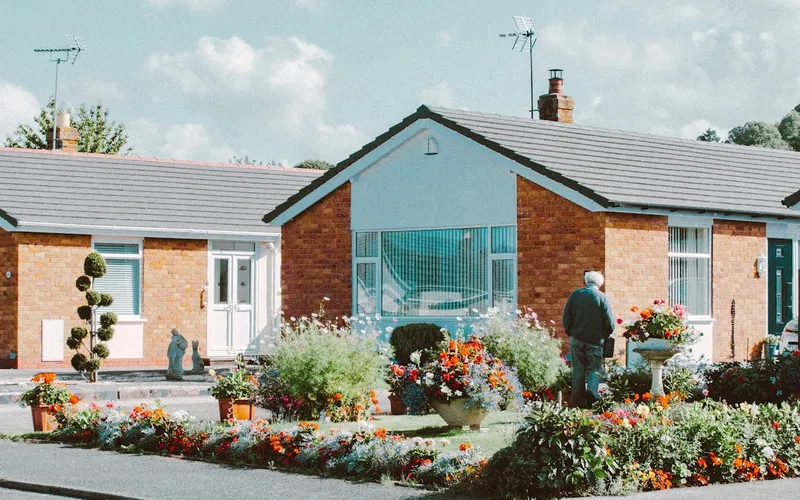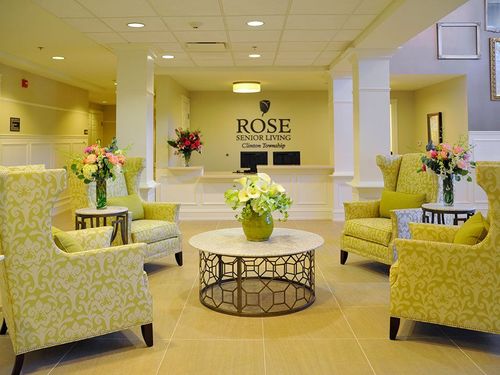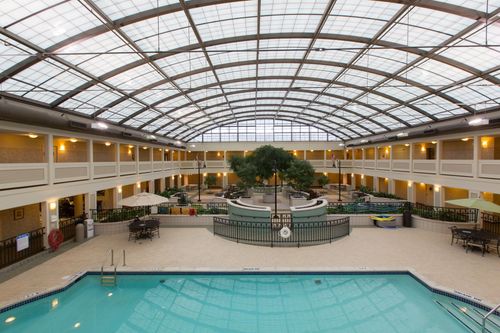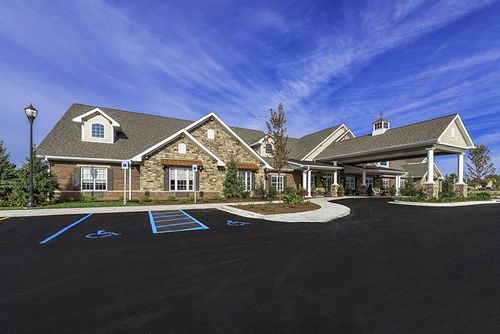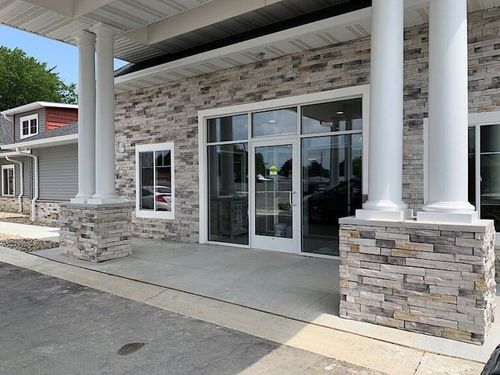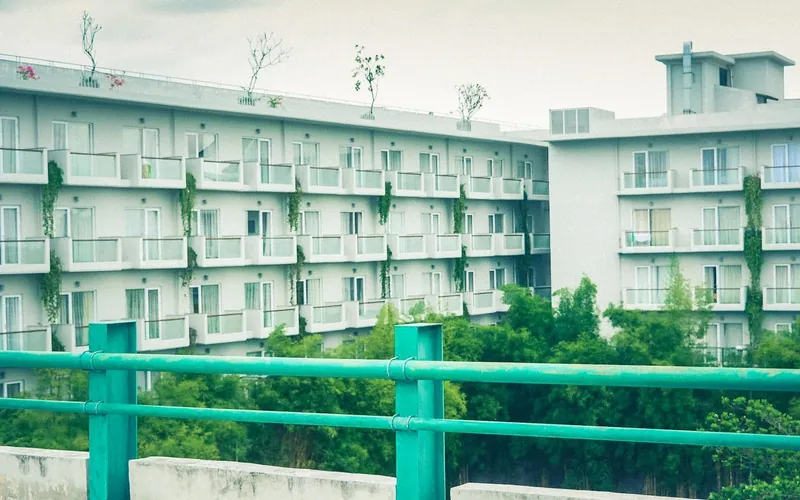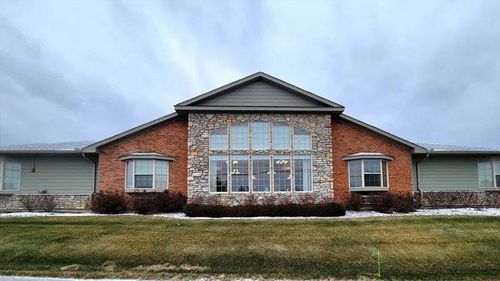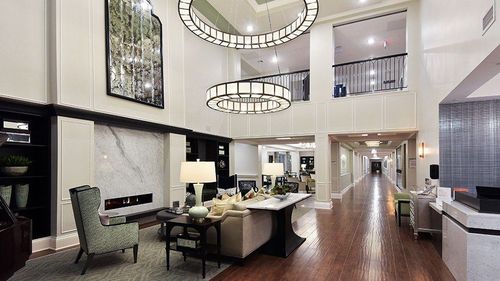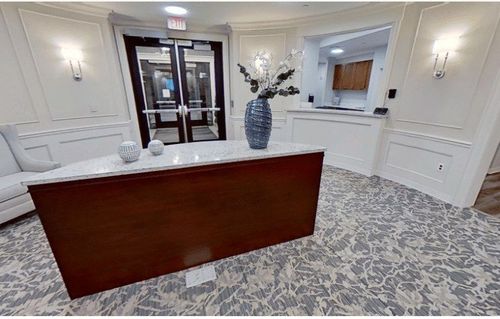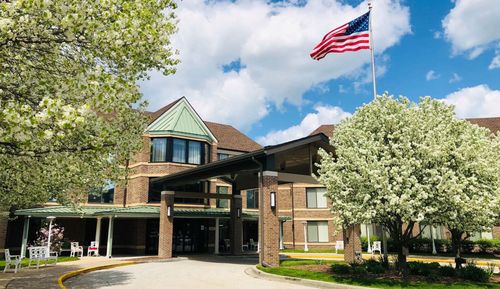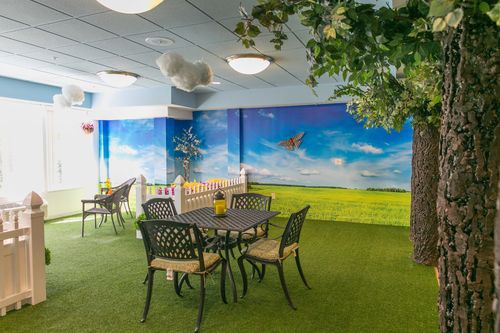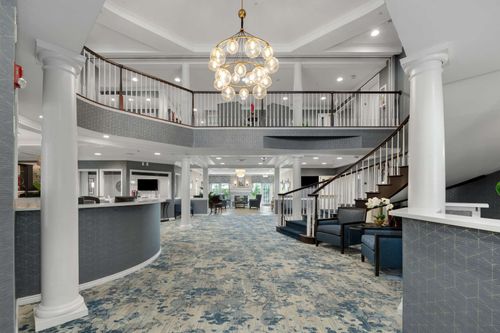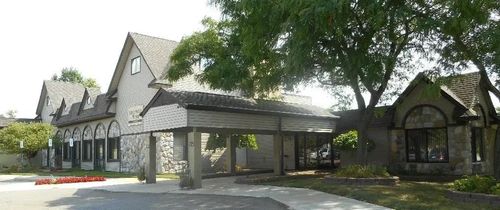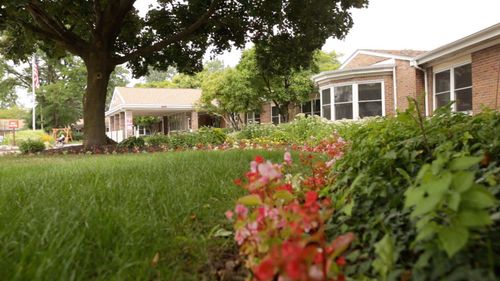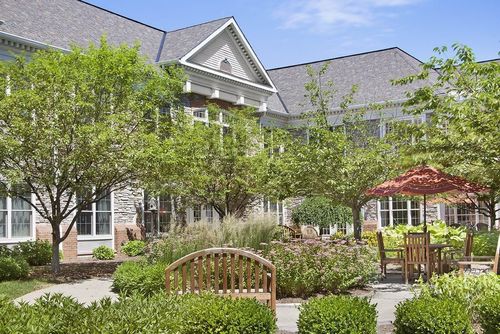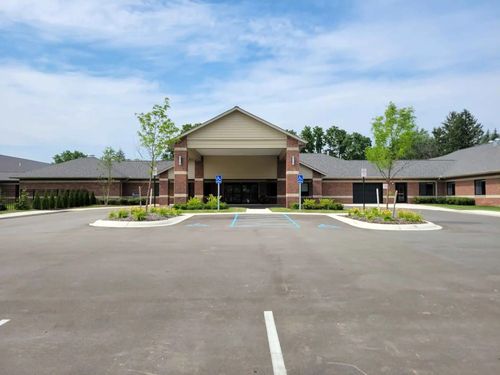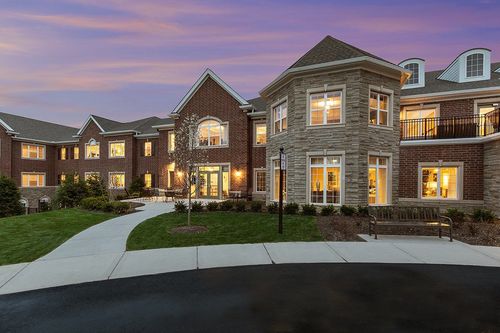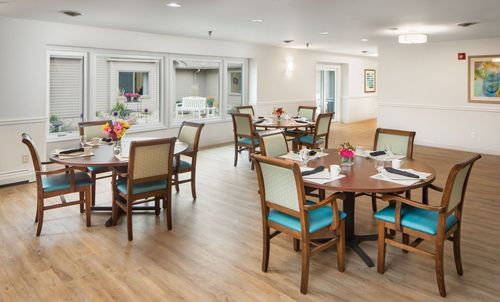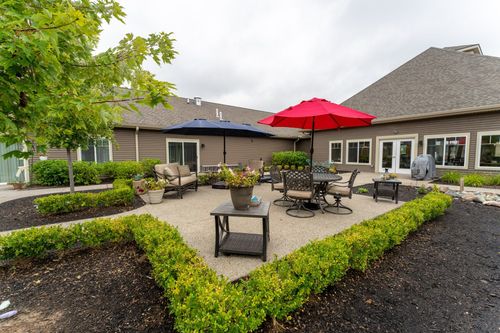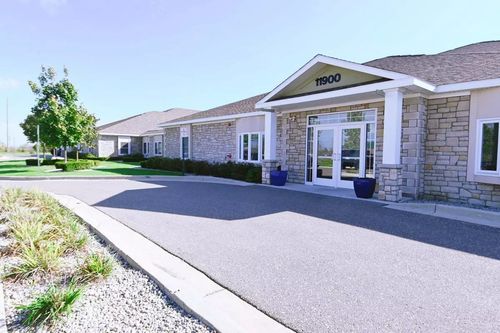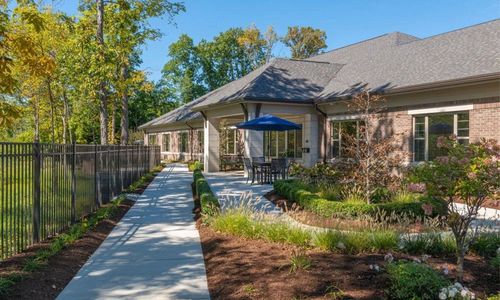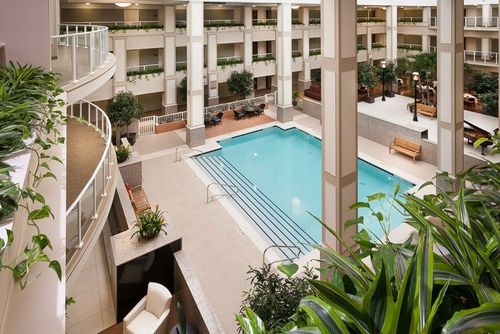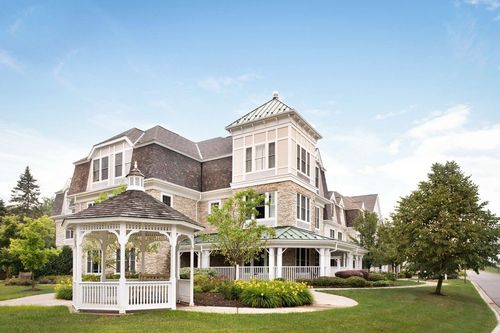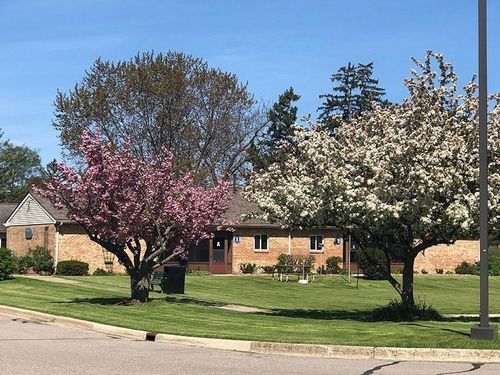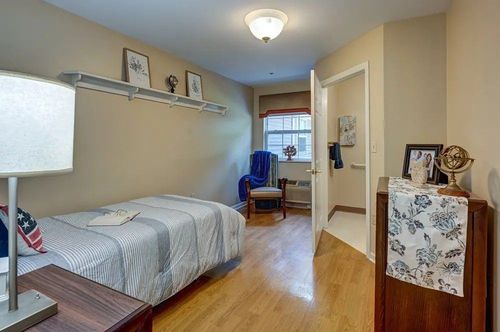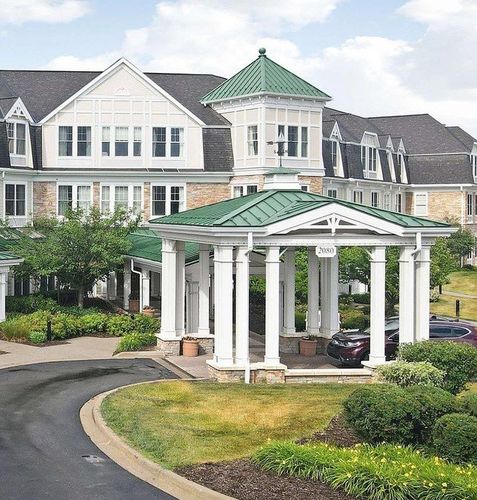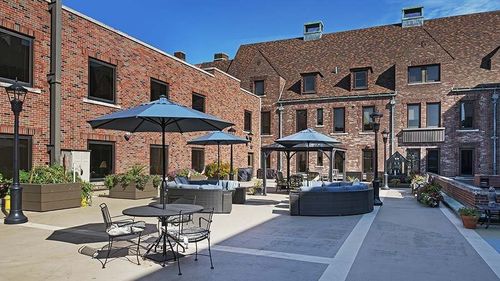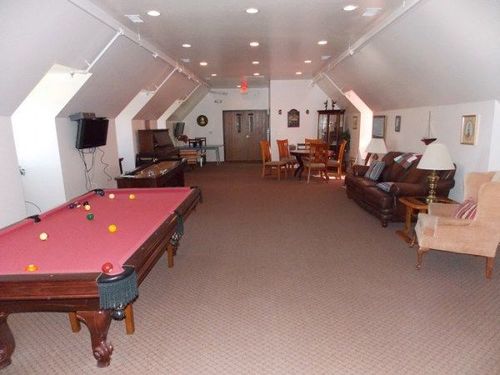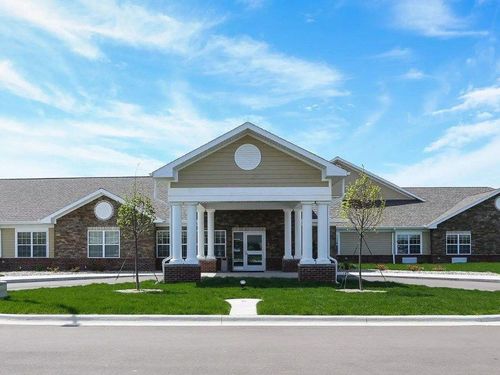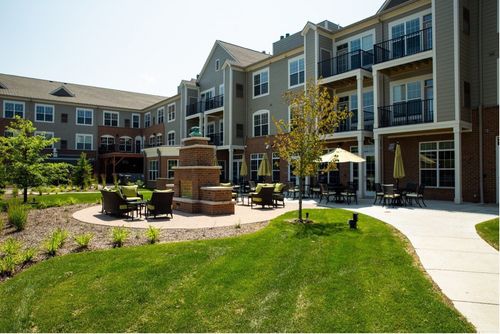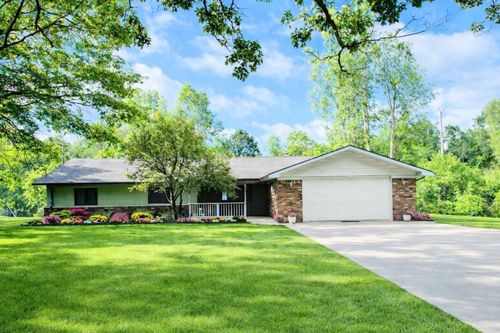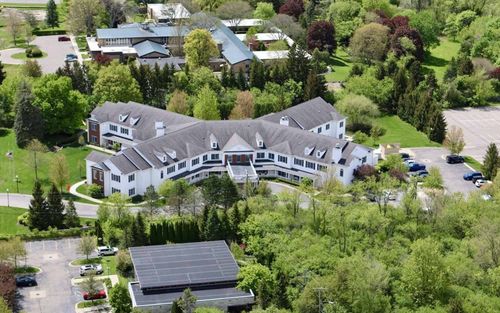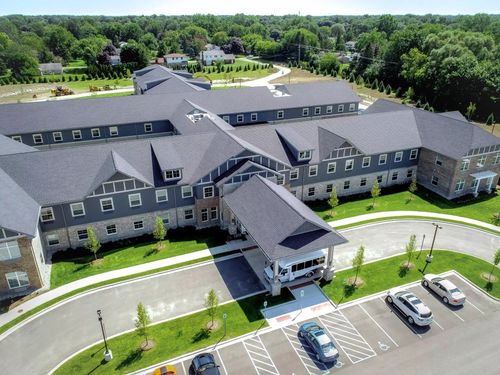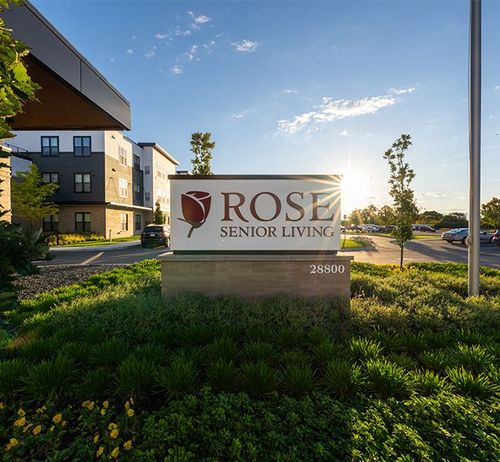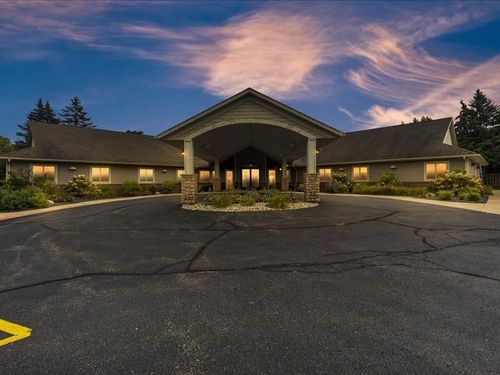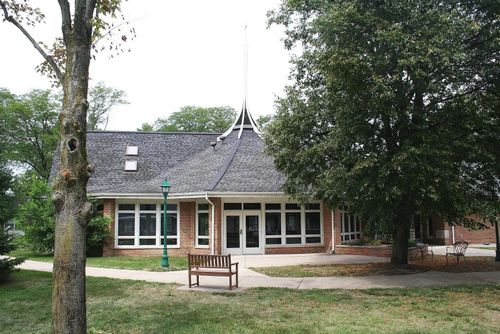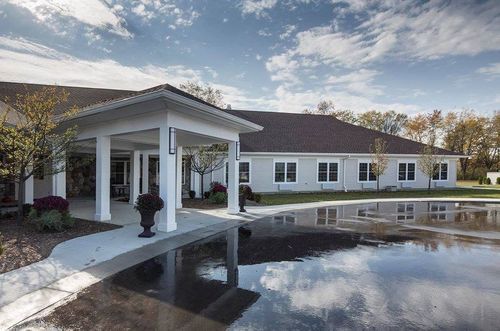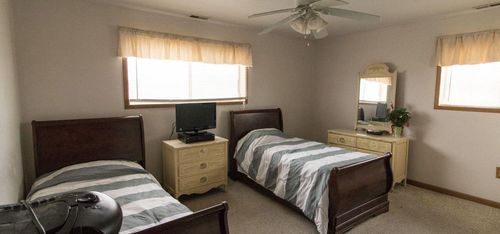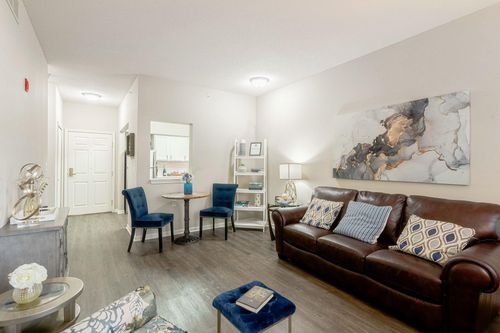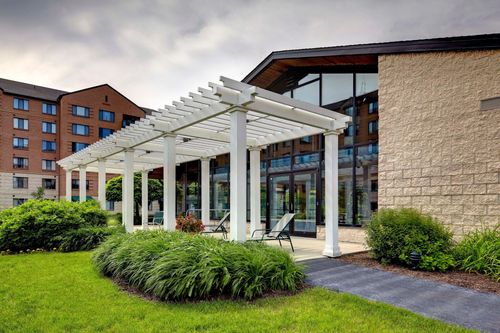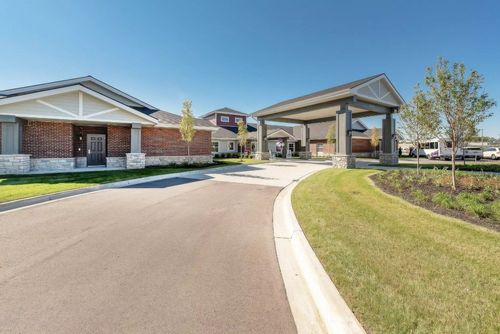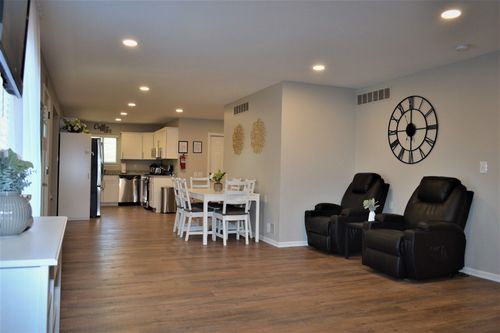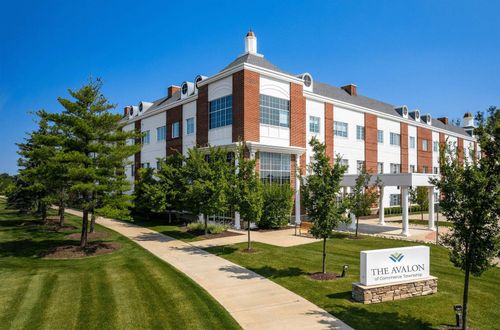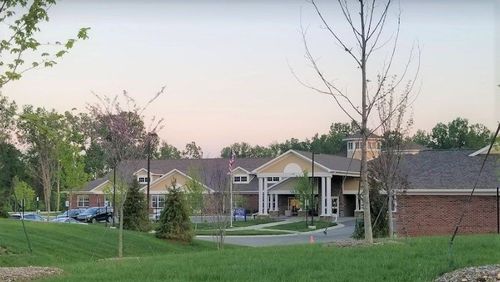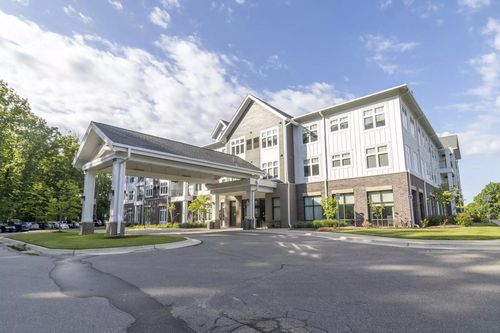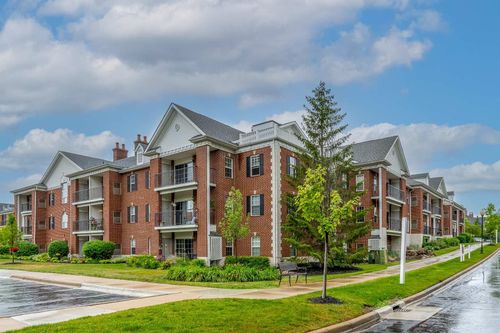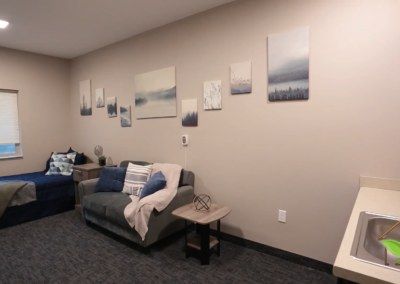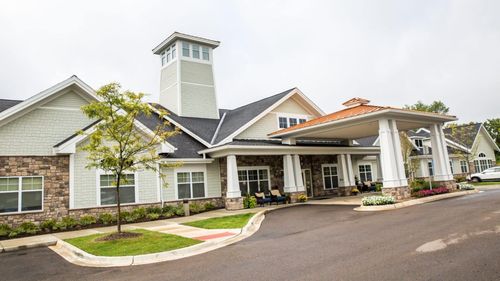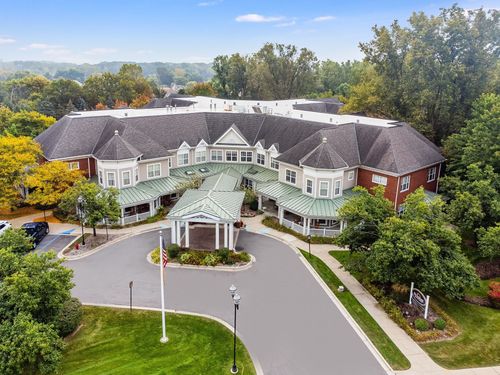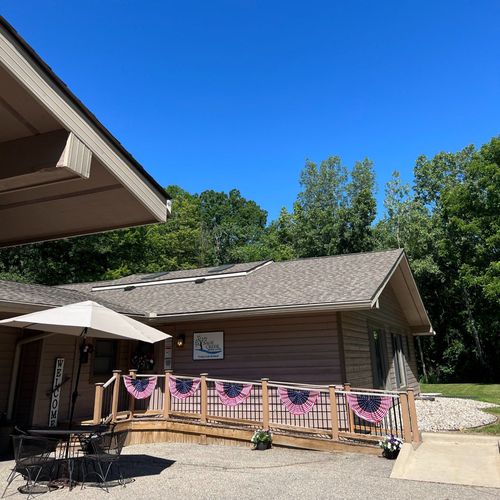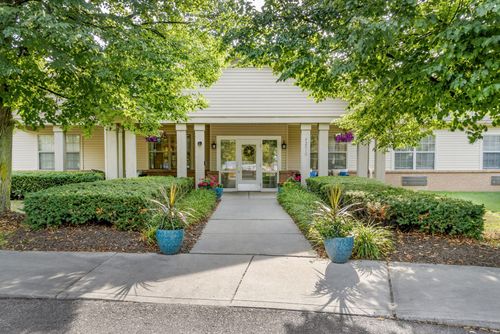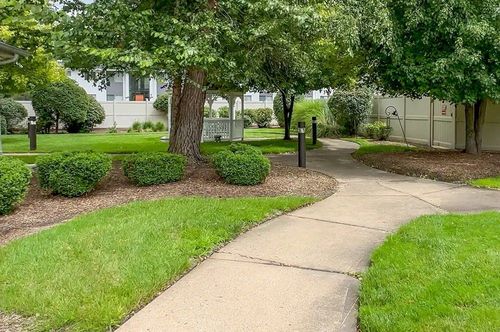
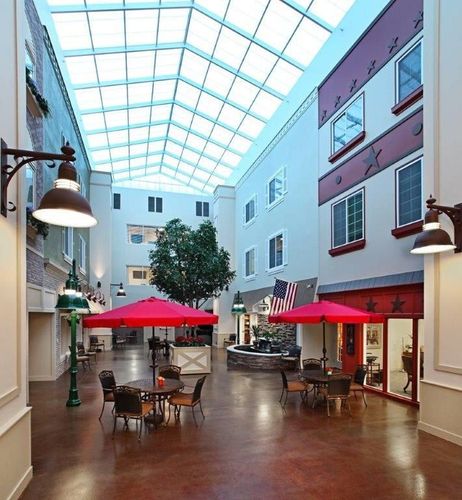
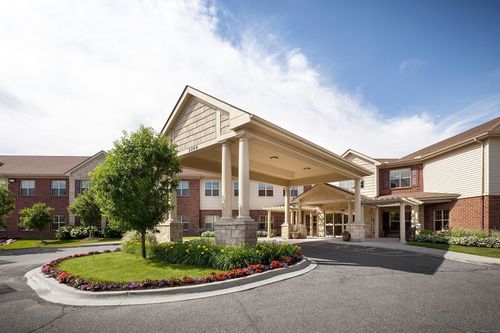
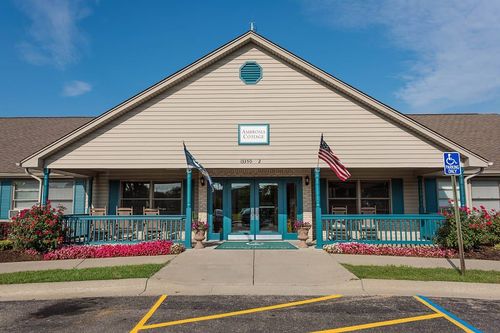
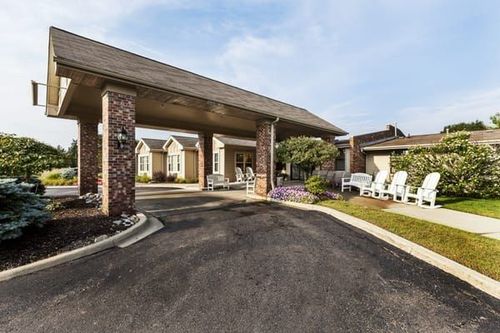
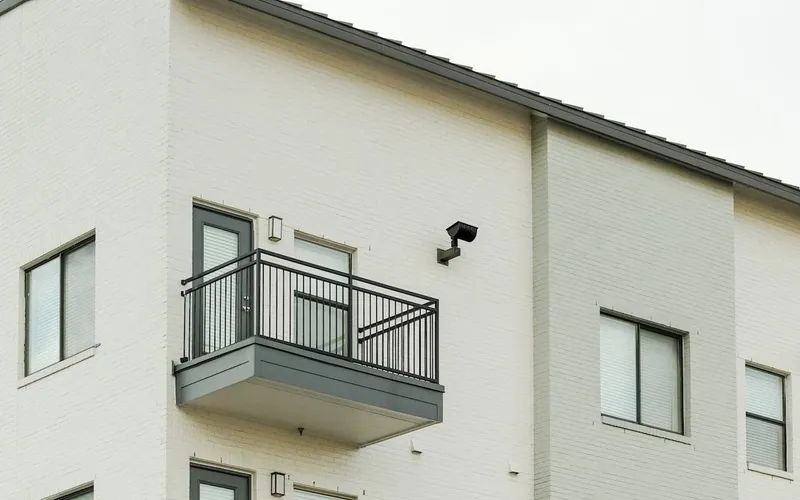

Macomb County supports a growing demographic across Sterling Heights, where families navigating progressive cognitive decline encounter a specialized local setting comprising a handful of distinct memory care providers. This suburban landscape features options ranging from intimate residential settings housing twenty residents to larger purpose-built complexes accommodating up to one hundred ten individuals. Local environments prioritize safety through secure perimeters and intentional architectural designs that reduce wandering while encouraging gentle movement.
Navigating Daily Support and Structured Routines
Care models within these Macomb County environments focus heavily on predictability and familiarity to reduce anxiety for residents living with Alzheimer or related dementias. Staff members assist with medication management, personal hygiene, and mobility support while integrating structured sensory activities throughout the day.
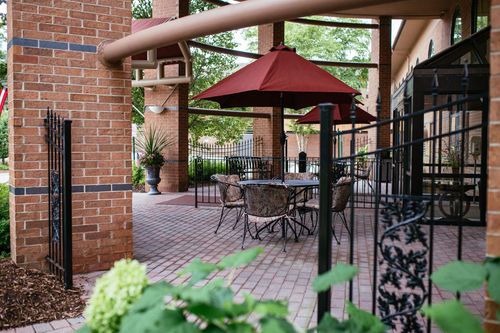
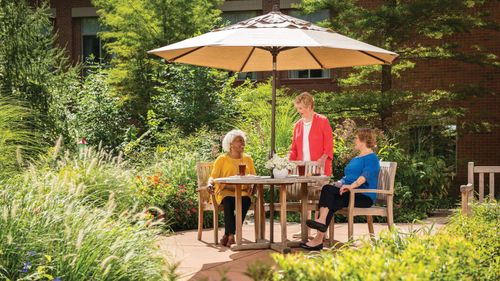
Daily schedules incorporate music therapy, cognitive stimulation exercises, and supervised outdoor walks within enclosed courtyards. These routines help maintain remaining functional abilities and provide a comforting rhythm for individuals experiencing memory loss.
Understanding Local Financial Investment
Monthly costs for specialized memory support in this region generally span from $3,800 to $6,300 per month depending on the level of physical assistance required and the specific architectural layout chosen. Individual facility pricing reflects different structural models, such as Pomeroy Living Sterling Assisted starting at $4,200 per month and Arden Courts beginning at $6,300 per month.
Financial planning requires families to evaluate private pay resources, long-term care insurance policies, and veteran benefits. Local communities do not accept Medicaid upon entry, meaning financial strategies must account for sustained private funding over the duration of a stay.
Evaluating Local Senior Population Pressures
Suburban Macomb County experiences steady demand for specialized senior services as the regional population ages and local families seek professional support for aging relatives. The local infrastructure continues to adapt to an increasing volume of inquiries regarding specialized cognitive support.
Families often look outward from neighboring communities to find appropriate residential environments within Sterling Heights. This regional demand means availability across the local field shifts frequently as care needs evolve.
Why Families Choose Suburban Memory Support
Choosing a dedicated memory care setting in Sterling Heights allows relatives to remain close to established family networks while receiving round-the-clock professional supervision. Dedicated environments offer specialized staff training focused entirely on behavioral expression and redirection techniques.
Purpose-built spaces reduce the confusion often experienced in traditional assisted living wings by utilizing clear visual cues and simplified floor plans. Relatives find reassurance in knowing that environmental safety is embedded directly into the physical design of the residence.
Perspectives on Timing and Professional Guidance
Navigating the transition into a secured memory environment involves careful timing regarding disease progression, safety considerations, and family caregiving capacity. Local advisory perspectives help families evaluate when home support is no longer sufficient and how to align care choices with realistic financial boundaries.
Understanding discharge protocols, building layouts, and transition milestones ensures that families select a setting appropriate for their relative current functional level. When questions arise about navigating these structural choices, families can talk it through during a short conversation.
We keep expanding our Sterling Heights coverage as we evaluate providers for quality and alignment in 2026. Reach out for a conversation about memory care in Sterling Heights, or browse the communities we have vetted at your own pace.