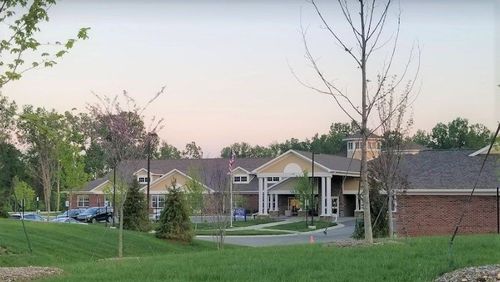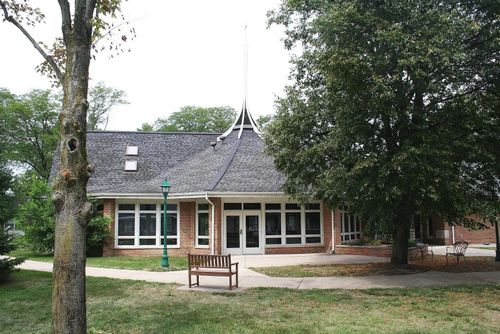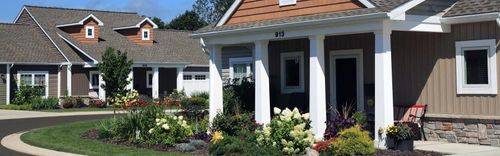

The Medicaid question in Superior Township is a nursing home question rather than an assisted living one. Villa at Willow Place on Geddes Road provides skilled nursing care and accepts Medicaid, and skilled nursing is funded through an entirely different route from the waiver that supports care in an assisted living community. Private rates here start at $8,500 a month, which is roughly what a household would expect to pay for round-the-clock nursing before any coverage applies.
That figure explains why the question arrives when it does. Families in this part of Washtenaw County generally reach it after a hospital stay has established that somebody needs nursing-level care, and after the arithmetic on paying for it privately has run out of road.
How Nursing Facility Coverage Works
Traditional Medicaid pays for nursing facility care for people who satisfy two separate tests. The first is clinical: an assessment must establish that the person genuinely requires the level of care a nursing facility provides, rather than the support an assisted living community offers. The second is financial: income and countable assets have to fall within the state's limits, which are revised annually.
This is the fuller of the two Medicaid routes into senior care. Where the waiver that funds assisted living covers care services while leaving the resident to pay toward rent and meals from income, nursing facility coverage takes in the cost of the stay itself. A resident generally contributes most of their monthly income toward the cost, keeping a small personal needs allowance, with Medicaid meeting the balance.
What Gets Assessed and What Gets Counted
A good deal of what a person owns escapes the count altogether. A primary residence in defined circumstances, one vehicle and ordinary personal possessions commonly sit outside the calculation, and there are protections built specifically to stop a spouse at home being impoverished by the other's care.
Gifts and transfers made across the five years preceding an application get examined, and a period of ineligibility can follow, which is why signing a house over to a child in advance so often creates the problem it was meant to solve. Spending down to the limits is lawful and ordinary; doing it unadvised is how households forfeit money they might have retained, particularly where a home or a spouse's income is in play.
The Order Things Have to Happen In
Two processes run at once, one examining the household's finances and one establishing clinical need, and either can hold up the other. Applications stall on missing paperwork far more often than they fail on the merits.
Where a hospital is discharging somebody who needs nursing care immediately, the practical sequence usually involves the facility admitting a resident while an application is pending, with private payment covering the interval. Understanding that sequence in advance is what prevents a family from discovering it during the week they can least afford the surprise.
Knowing the Sequence Before the Discharge
The knowledge that matters here is procedural: which assessment happens first, which documents are needed, how a pending application is handled during an admission, and what the realistic timeline looks like rather than the hoped-for one.
Someone covering Washtenaw County follows how these applications are moving at present and can set the paperwork against a discharge date instead of a guess. If nursing care has become necessary and the money is the part nobody has worked out, reach out early, because a head start is worth more in this process than almost anything else.
Our Superior Township directory keeps expanding as we evaluate providers for quality and alignment in 2026. Reach out for a conversation about medicaid in Superior Township, or browse the communities we have vetted at your own pace.