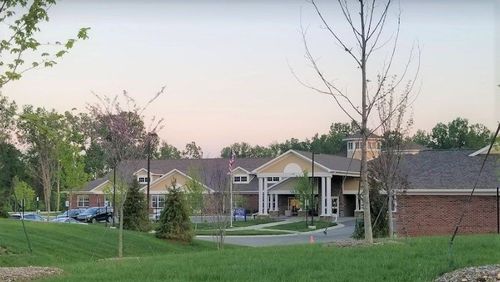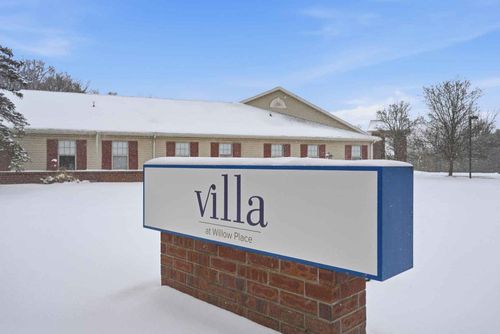

Almost nobody chooses skilled nursing the way they choose assisted living. It arrives at the end of a hospital stay, usually with two or three days' notice, and the question a family is asked is not which building they prefer but which one can take a patient on Thursday. Villa at Willow Place, published from $8,500 a month, is the skilled nursing address in Superior Township, and it participates in Medicaid.
Superior Township sits between Ann Arbor and Ypsilanti, which puts it inside the discharge radius of some of the busiest hospitals in the state. That geography explains both the pressure on the building and why families here are often making this decision faster than they would like.
Two Different Things Under One Roof
Skilled nursing does two jobs and they are frequently confused. The first is rehabilitation: a defined stretch of daily physical, occupational or speech therapy after a stroke, a fracture or major surgery, with licensed nursing cover throughout and the explicit aim of getting somebody home. The second is long-term nursing care for people whose medical needs have moved beyond what any residential setting can hold.
The distinction matters because the money works differently for each. Medicare covers up to a hundred days of post-hospital rehabilitation after a qualifying three-night inpatient stay, with a daily co-payment kicking in partway through, and it stops when therapy progress stops rather than when a family feels ready. Long-term nursing care is not a Medicare benefit at all. It is paid privately or, for households who qualify financially, through ordinary Michigan Medicaid, which this building accepts.
What the Rehabilitation Weeks Actually Involve
Expect therapy most days, a clinical team reviewing progress at intervals, and a discharge planning conversation that begins earlier than families anticipate. The single most useful thing a household can do is ask, in the first week, what the target is and what home would have to look like for it to be met, because that question shapes everything from equipment orders to whether a stairlift needs installing.
Ask too what the plan becomes if recovery flattens out, since a resident who plateaus before they are safe at home is at exactly the point where the funding changes and the options narrow, and a family that has already thought about it makes a much better decision than one hearing it for the first time on a Friday afternoon.
Why the Local Address Matters More Than It Looks
Washtenaw County is younger than Michigan overall, at around one resident in six past sixty-five, but the hospitals here serve a far wider catchment than the county, so demand on post-acute beds comes from well beyond it. Rooms move quickly and the one on offer is frequently the only one on offer.
Being close is worth protecting anyway, since rehabilitation goes better when family can attend a therapy session and see what a resident can actually do, and where a stay turns long-term, the visits that keep happening are the ones that fit into an ordinary day.
What a Local Advisor Brings to a Discharge
The useful contribution here is speed and honesty in a compressed window. A Local Senior Advisor can establish whether a bed is genuinely available, whether the stay is being framed as rehabilitation or as something longer, and what the funding looks like on day one hundred and one, which is the date most families never think about until it arrives.
Where the answer is that a patient will not be going home, that is far better known in week one than in week fourteen. Reach out as soon as the word rehabilitation is used, because the choices are wider then than at any point afterwards.
We keep expanding our Superior Township coverage as we evaluate providers for quality and alignment in 2026. Start the conversation about skilled nursing in Superior Township, or look through the buildings we cover at your own pace.