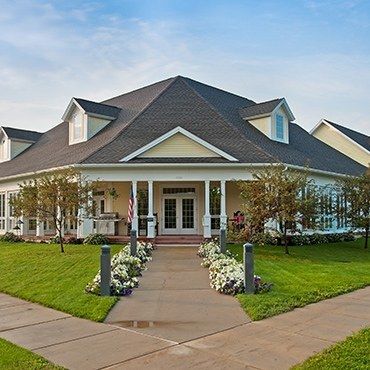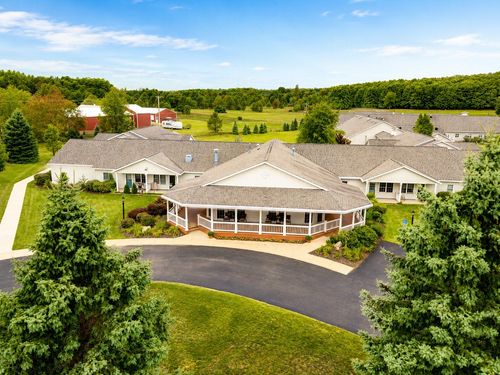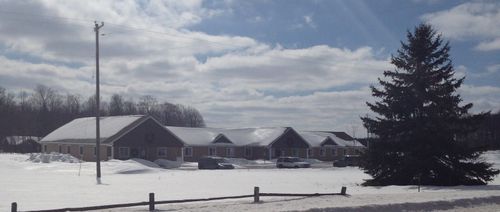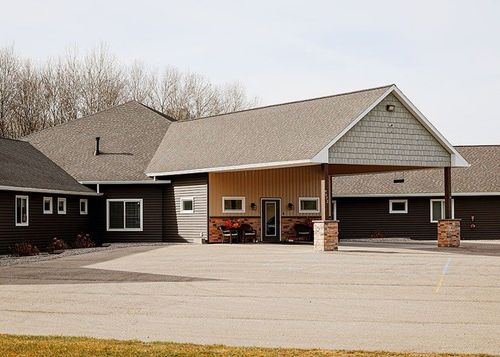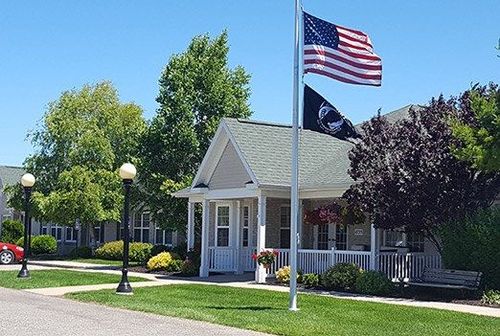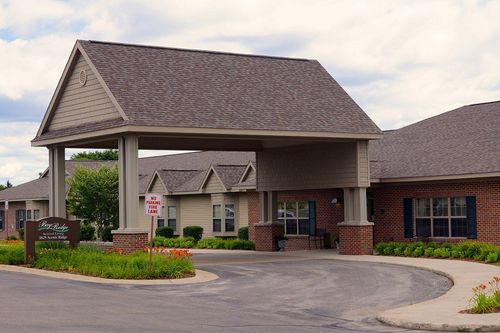

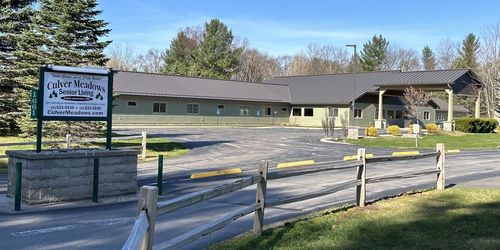
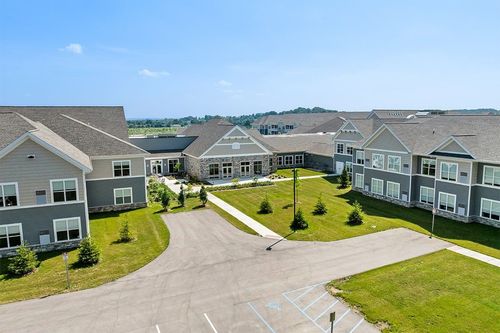
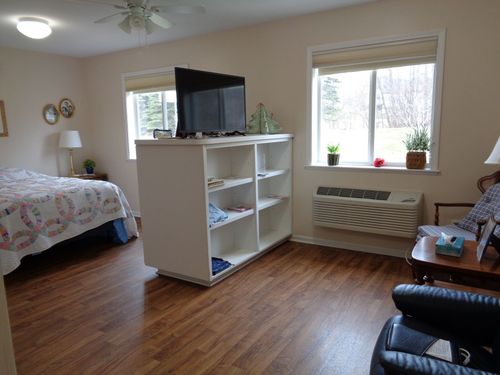
Traverse City hosts a handful of specialized memory care options designed to support individuals navigating the complexities of cognitive decline. Families looking for care in Grand Traverse County will discover distinct setups, ranging from secure wings inside larger assisted living properties to small, purpose-built residential homes. Selecting the right environment involves understanding these structural differences, as standalone residences offer a predictable, small-scale layout that reduces confusion, while larger campuses provide a broader continuum of care. Local communities focus heavily on secure perimeters to prevent unsafe wandering, ensuring residents can move freely within outdoor courtyards and indoor common spaces. This northern Michigan region blends professional dementia support with a comforting, familiar setting for area seniors.
Structuring Productive Days and Compassionate Support
Daily life in these specialized settings centers on predictable routines that help minimize anxiety and confusion for residents. Staff members receive specific training to manage behavioral changes, communication difficulties, and the unique physical needs associated with progressive memory loss. Activities are tailored to individual cognitive abilities, focusing on familiar tasks, sensory engagement, and physical movement to promote a sense of purpose.
Consistency in staffing allows caregivers to learn the personal history and subtle preferences of each individual. This familiar bond helps teams anticipate needs before frustration develops. Nutritious meals, structured social interactions, and guided exercise are seamlessly woven into the daily schedule to maintain physical health and cognitive function for as long as possible.
Navigating the Costs of Regional Memory Care
Financial planning for memory care in this region requires an understanding of localized base rates and care tiers. Families can expect a price range starting from $4,500 to $8,200 per month depending on the community structure and level of assistance required. For instance, Cherry Hill Haven III features monthly rates starting at $4,500 per month, while Meadow Valley presents options starting at $6,510 per month.
These monthly figures generally encompass specialized housing, round-the-clock supervision, meals, and core therapeutic activities. Securing a spot early helps families manage budgets effectively before care needs escalate. It is important to note that memory care rates reflect the higher staffing ratios and intensive training required to support residents safely compared to standard senior living.
Meeting the Growing Local Demand for Care
An aging population in northern Michigan drives steady demand for dedicated memory care beds. The regional supply spans from intimate residential settings with just 16 beds to expansive senior campuses equipped for 110 residents. Because the local selection is limited to a handful of properties, available spaces can fill quickly, especially in highly regarded programs.
Planning months in advance protects families from facing a crisis without local options. When a family delays the search, they often find fewer choices available in the immediate area. Initiating conversations early ensures a smoother transition when specialized 24-hour supervision becomes medically necessary.
Why Families Select Dementia Care in the Grand Traverse Region
Many households choose this area for memory care because it allows seniors to remain close to relatives in a peaceful, natural environment. The calming presence of nearby water and seasonal scenery provides a soothing backdrop for family visits and outdoor therapy. Local medical systems also offer strong geriatric support, which coordinates well with residential care teams.
Transitioning a relative to a secure community relieves family caregivers of intense, around-the-clock physical and emotional demands. Professional management reduces household stress and prevents caregiver burnout. Relatives can return to their primary roles as children or spouses, knowing their loved one resides in an environment built specifically for safety.
Strategic Placement and Long-Term Care Transitions
Navigating local openings requires a clear understanding of community licensing and current vacancies. Families must track how a property handles the discharge process if medical needs surpass what the staff can safely manage. Additionally, identifying the single local option that accepts Medicaid requires careful timing, as financial aid rules for memory care are complex and often involve waiting periods.
Finding the right building fit depends on matching a senior's specific behavioral patterns with the physical layout and philosophy of a community. Dedicated advisors help clarify these structural differences and coordinate with families during transitions. If you feel overwhelmed by the regional options, reaching out to a local professional can help you talk it through.
Our Traverse City directory keeps expanding as we evaluate providers for quality and alignment in 2026. Reach out for a conversation about memory care in Traverse City, or browse the communities we have vetted at your own pace.