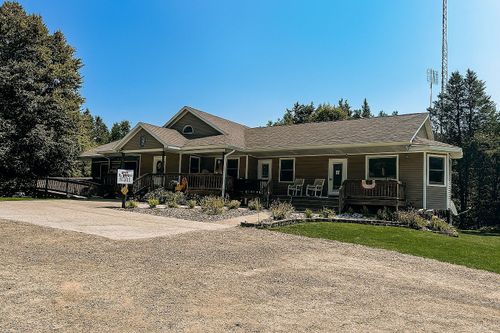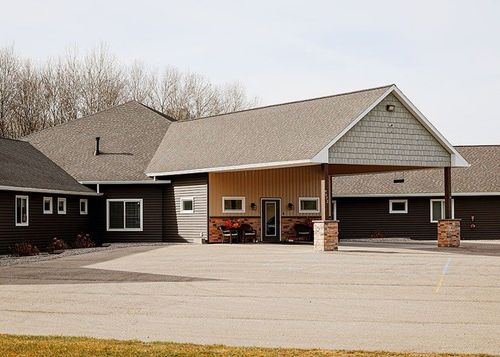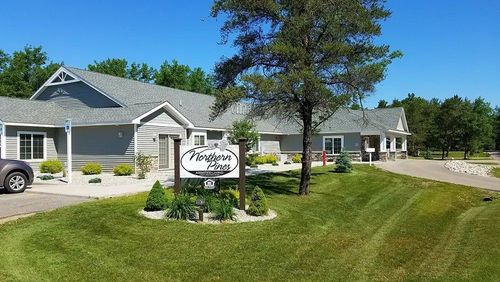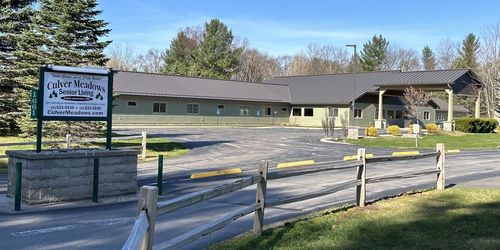
A residential care home in Traverse City is what it sounds like: a house on an ordinary street, with a kitchen, a living room and a handful of bedrooms, where the people living there need daily help and get it from staff who are in the house around the clock. Culver Meadows Senior Living sits out on the west side of the city rather than on any commercial strip, and Cherry Hill Haven III is one of several houses run under the Cherry Hill Haven name around the Traverse City area, each a different size.
Michigan licenses these houses as adult foster care homes, a category that runs from a family home of up to six residents to a group home of twenty. Anything larger becomes a home for the aged, a separate license with separate rules, which is why the line between a care home and a senior living building is a legal one here and not a matter of marketing.
What Living in a Traverse City Care Home Is Like
The number that changes everything is the resident count. In a house of a dozen or so people, one caregiver is covering a few residents rather than a corridor, so someone notices when a person skips breakfast or seems unsteady on the stairs, and notices it the same morning. Meals come out of the same kitchen the household eats from, laundry runs in the same machines, and the day has the rhythm of a home rather than a schedule.
That closeness comes with real trade-offs, and they are worth naming. A larger Traverse City community has a fuller activity calendar, more people to make friends among, and staff on site with clinical training a house does not carry. Neither setting is the better one; they suit different people, and a resident who would thrive at a table of ten is often a different person from the one who wants a building with a full week of things happening in it.
What a Care Home Costs in Traverse City
The three Traverse City care homes listed run from $3,800 a month at Joy Givers to $4,500 at both Cherry Hill Haven III and Culver Meadows Senior Living. A family expecting the small house to be the budget option is often surprised, because the low staffing ratio that makes these homes work is also the most expensive thing about them, and it lands squarely in the monthly rate.
What the rate usually buys is close to everything: the room, all meals, laundry, housekeeping, help with washing, dressing and medications, and staff present overnight. Care homes tend to quote one figure rather than a base rate with care levels stacked on top, which makes budgeting easier, though it is still worth establishing in writing what triggers a rate change as someone's needs grow.
Telling the Traverse City Houses Apart
In practice, three things separate one Traverse City house from another. The first is care level: some homes are licensed and staffed to keep a resident through advancing dementia and some are not, and that difference decides whether a move in two years is likely. The second is size, since a five-bedroom house and a twenty-resident group home feel nothing alike even though both are licensed the same way.
The third is simply whether a room is free. A care home has very few beds to begin with, so a single opening can be the only one in the city that month, and the wait for a specific house can run long while a room sits open somewhere else. That scarcity is the reason families in Grand Traverse County start looking earlier than they expect to need a room.
Sorting the Local Houses by License and Size
An advisor covering the Traverse City area knows which of the local houses hold a license that supports memory care, which have a room free, how many residents each one actually serves, and which street each sits on for a family driving in from Leelanau or Benzie County. Those details rarely appear on a listing and they are what decides the shortlist.
If a smaller, quieter setting is what a Traverse City family has in mind, reach out and the local houses can be sorted by size, license and availability before anyone spends a Saturday touring.
We keep expanding our Traverse City coverage as we evaluate providers for quality and alignment in 2026. Start the conversation about residential care homes in Traverse City, or scan the buildings we cover at your own pace.