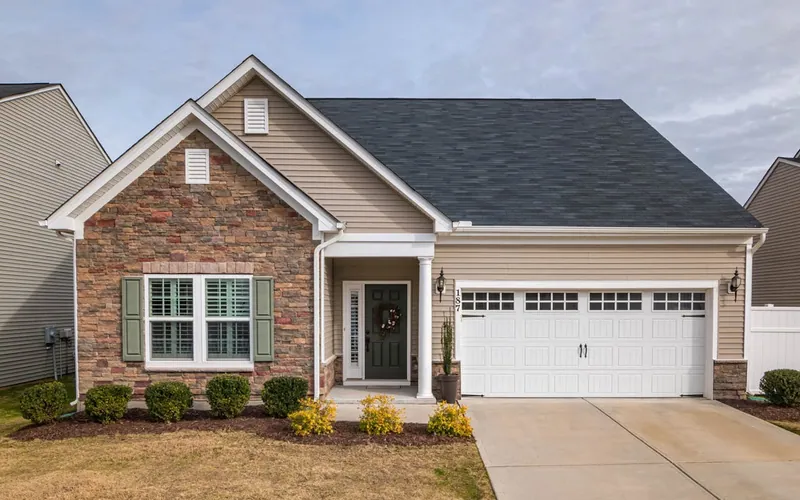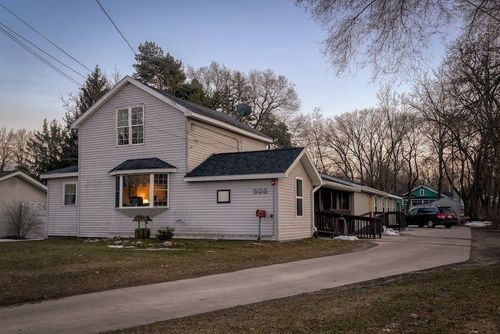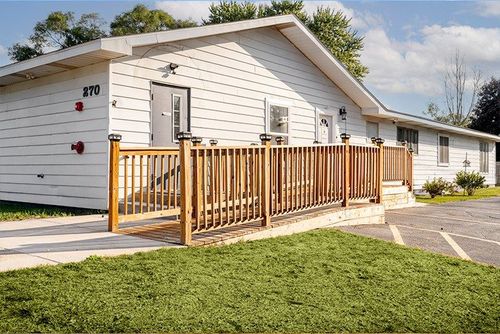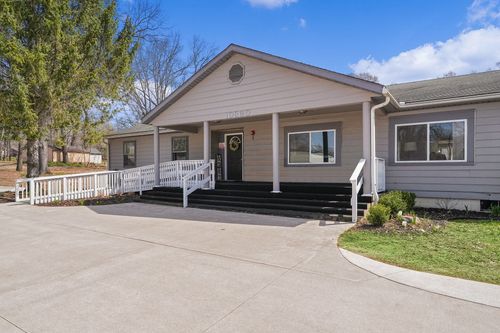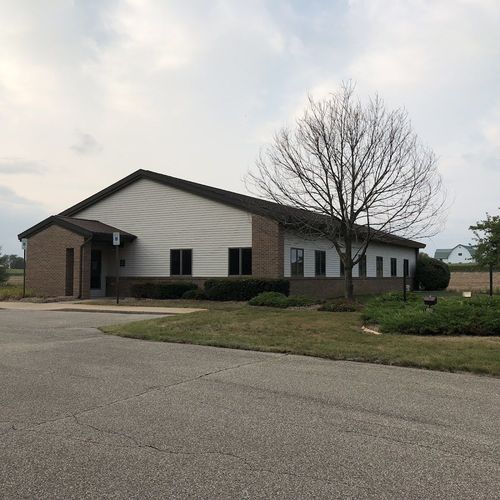
Trufant is a village in Montcalm County of a few hundred people, and Country House Care is the senior care that exists inside it. That single fact frames the decision for a family here more than any feature of the house does, because the realistic alternatives are not down the road; they are in Greenville, or Cedar Springs, or as far as the northern edge of the Grand Rapids area. What a household setting offers in a place this size is that somebody stays inside the community they have belonged to, among people who know their name without being told it.
What the Setting Provides
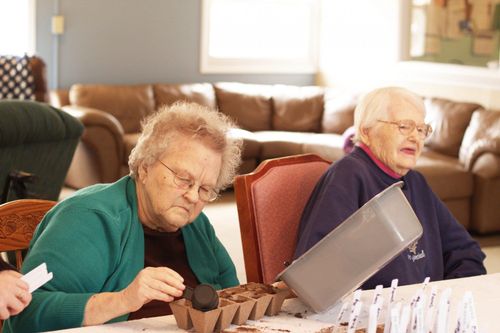
Care at this scale runs on a domestic pattern rather than an institutional one. Somebody cooks, the washing is dealt with indoors, and whoever is on shift has four or five people to look after, which is why a bath, a change of clothes or a dose of tablets is handled the way a particular person has always had it handled.
The limits deserve stating with the same directness as the strengths. There is one room where everybody sits, no printed week of arranged activity, nobody clinical on the premises, and a circle of neighbours you could name inside a day. A larger community toward Greenville or Grand Rapids supplies all four and does it well, and an older adult who wants people around and something happening most afternoons will be better off there rather than worse. The two settings answer different temperaments and neither is the consolation prize.
Judging a House When It Is the Only One
No rate is published here, which is normal for a small licensed household rather than a warning sign. In a house of this size the caregiver covering a few residents is essentially the entire cost base, so what somebody costs depends on how much hands-on help they use, and a printed figure would be wrong for most people reading it. A rate arrives after an assessment, and it is fair to expect that assessment to be specific about what the figure covers and what would move it.
With nothing local to compare against, the rest of the work is examination rather than comparison. Ask what the licence permits, since Michigan issues these on resident numbers and the licence fixes a ceiling on what a house may take on. Ask how many residents one caregiver covers overnight, and whether that person is awake or sleeping on call. Ask how long the present team has been there, since the entire case for a household rests on familiar faces and turnover quietly cancels it out.
The Question That Sets the Horizon
Every licensed house does custodial work, the hands-on business of getting through a day, and none reaches skilled nursing, which requires clinicians on site. Between those two points each house draws its own line, particularly around dementia and night-time supervision.
The informative question is therefore about the past rather than the theory: how far has this house gone with earlier residents, where did it have to stop, and what came next. A house with genuine experience answers in detail and names its own limits without prompting. In a village where the next option means a drive of twenty or thirty miles, that answer determines whether a family is arranging one move or the first of two, and it is far better established before anybody moves in than discovered under pressure two years later.
What a Local Advisor Brings to Trufant
No listing states whether a room stands empty, what this house would actually charge for a person with particular needs, or who is awake between midnight and morning.
An advisor covering Montcalm County can establish all three without a family making the calls, and can set the local option honestly against what exists within half an hour, so that staying in the village is a decision taken on the merits rather than by default. Where there is no published figure to start from, it is quickest to talk it through first.
We keep expanding our Trufant coverage as we evaluate providers for quality and alignment in 2026. Reach out for a conversation about residential care homes in Trufant, or browse the communities we have vetted at your own pace.