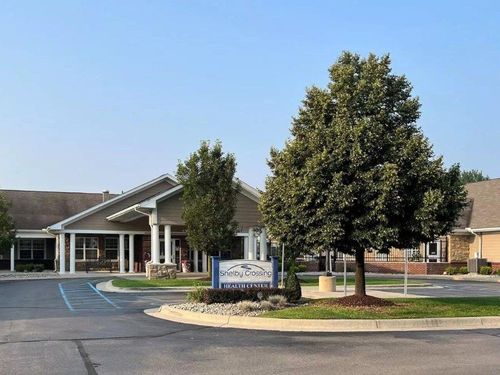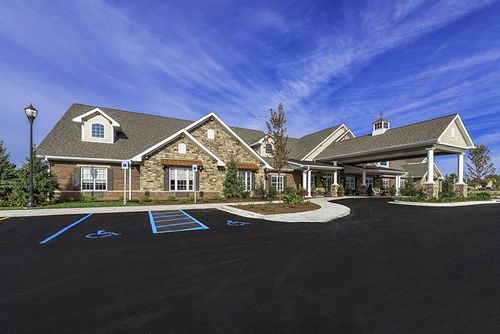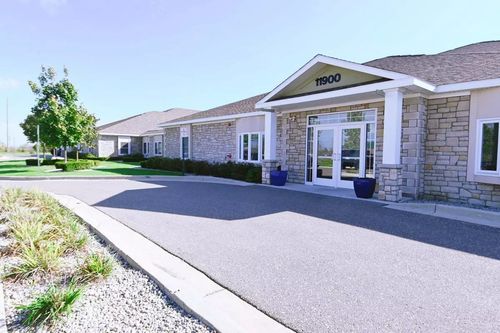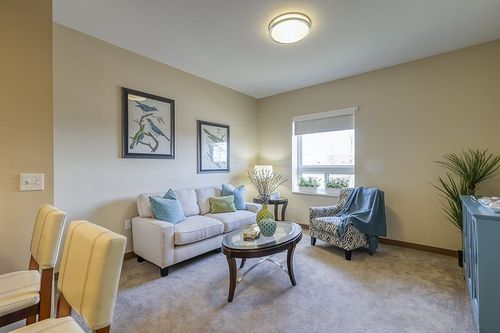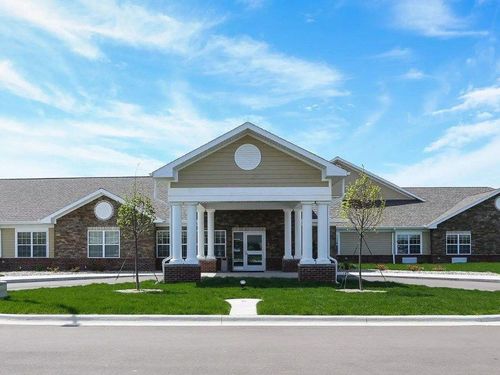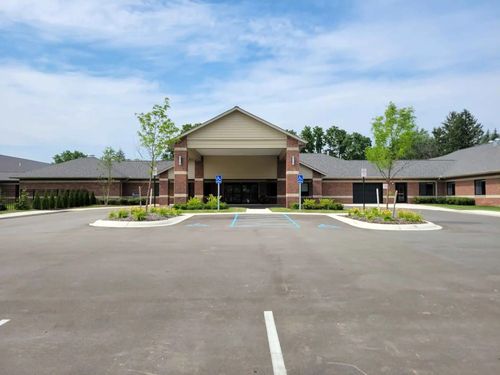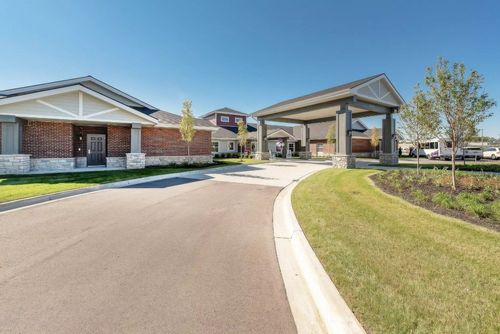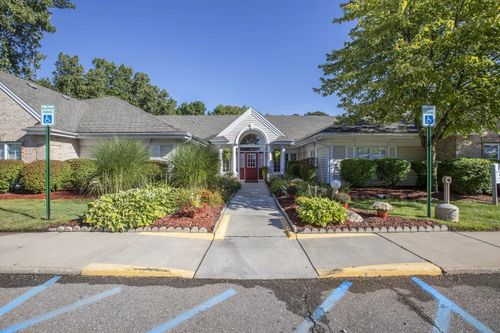
Almost every question a family asks about pets concerns getting the animal in. Very few concern what happens afterwards, and afterwards is where most pet arrangements actually come apart. Brookdale Utica MC, at $4,770 a month, is the Utica address welcoming animals, and the questions worth asking there run past move-in day.
Three things change over a tenancy: what the resident can still manage, where in the building they live, and what the building's own rules say when its insurance renews. Each of those can affect an animal, and none of them is covered by a policy read once at the start.
The Move Within the Building
Where a community offers more than one level of care, a resident whose needs increase may move within it rather than out of it, and that internal move is the point at which a pet arrangement is most likely to change. A secured setting raises different questions from an ordinary apartment: whether a resident can still reliably feed and look after an animal, whether a propped-open door introduces a hazard for the people living around them, and how an animal copes among residents liable to react to it unpredictably.
None of that means an animal automatically has to go, and it does mean the answer is specific to the building rather than general. Ask what the policy is for each part of the community, not just for the apartment being offered, and ask what has actually happened for other residents in that position. A community that can describe real cases is telling a family something a written policy cannot.
What the Resident Can Still Manage
The second change is slower and harder to see. A resident managing a cat comfortably at eighty-one may not be managing at eighty-four, and communities differ enormously in what they will absorb when that point arrives. Some staff will help with feeding or a trip outside as a matter of course; others treat animal care as entirely the resident's own business and will say so.
Neither of those approaches is an unreasonable one to take. What matters is that the household knows which one applies and has a named person who has genuinely agreed to step in, rather than a name written on a form during move-in week.
What the Building Charges and Requires
Vaccination records have to be current before an animal arrives, and there is normally an amount taken at the start alongside a recurring monthly charge for each animal, set by the building rather than to any standard. A dog needs a current Michigan license, issued through Macomb County against an up-to-date rabies record.
Weight and breed rules sit alongside that and generally come from what the building's insurance will underwrite. They can move when a policy renews, which is worth knowing for a household planning several years ahead rather than one.
Asking the Utica Questions in the Right Order
Establish the move-in rules first, then the ones that apply later: what happens to the animal if the resident moves to a different part of the community, what the building does when a resident can no longer manage the day-to-day care, and who is named to take responsibility. An advisor covering Macomb County can put all of it to the building with the actual animal in mind.
If keeping an animal through whatever comes next is what a Utica household is planning for, reach out and the later questions can be answered before the earlier ones are settled.
We keep expanding our Utica coverage as we evaluate providers for quality and alignment in 2026. Reach out for a conversation about pet friendly in Utica, or browse the communities we have vetted at your own pace.