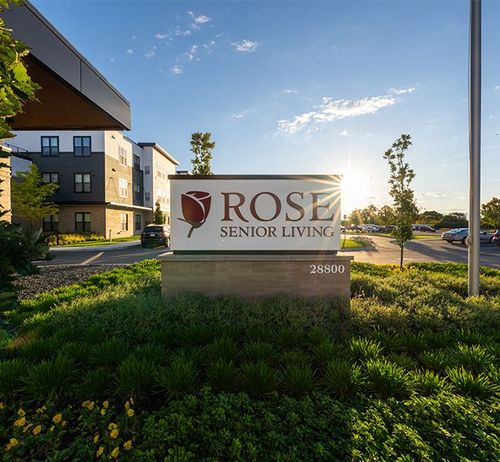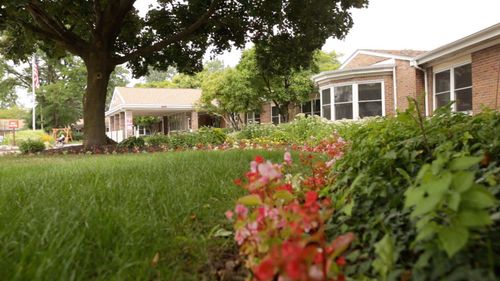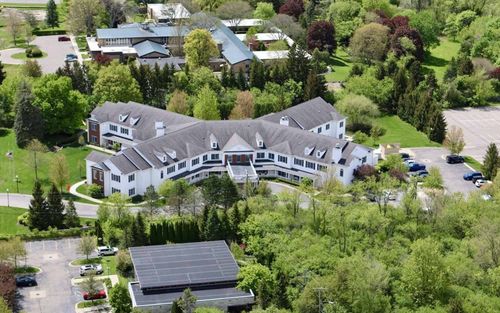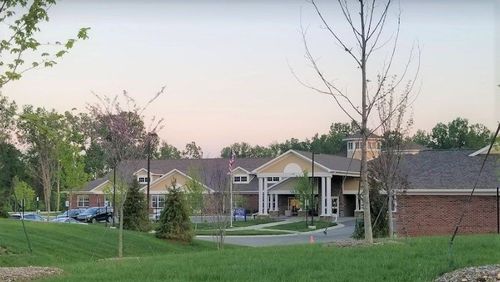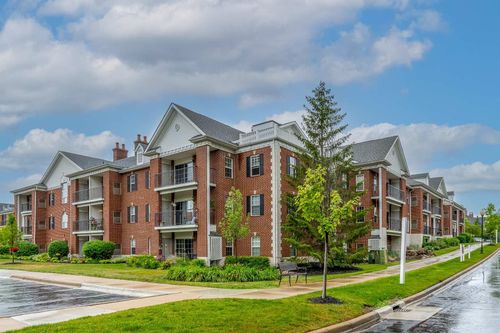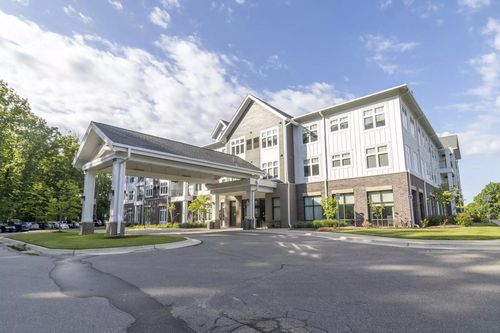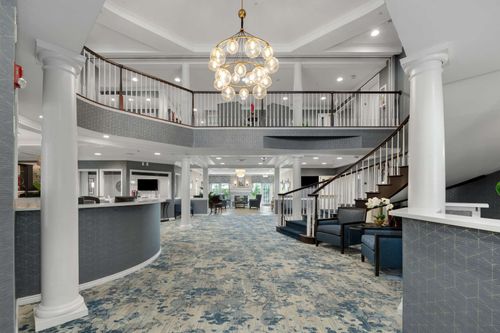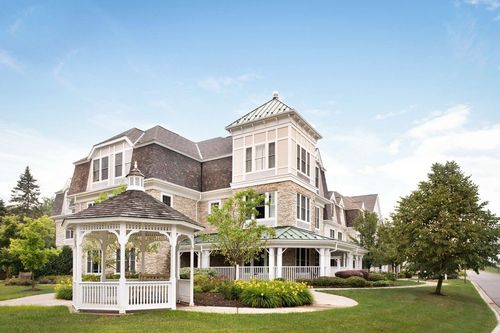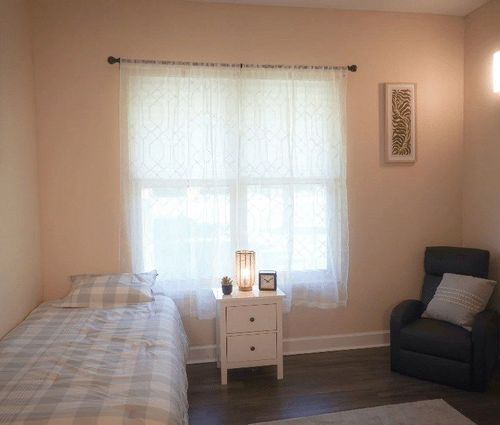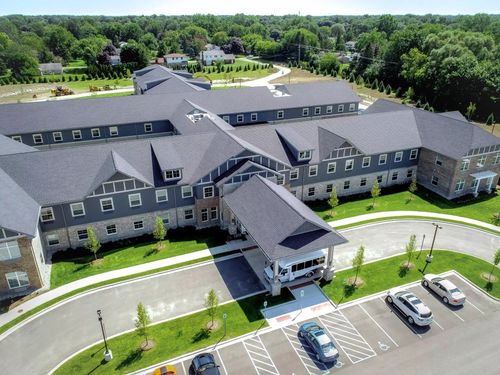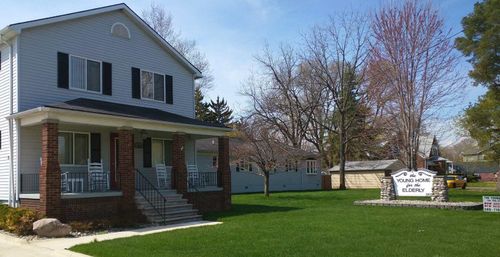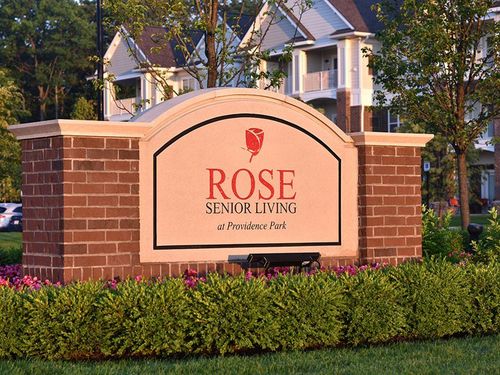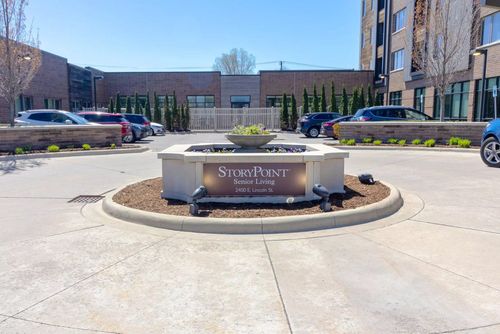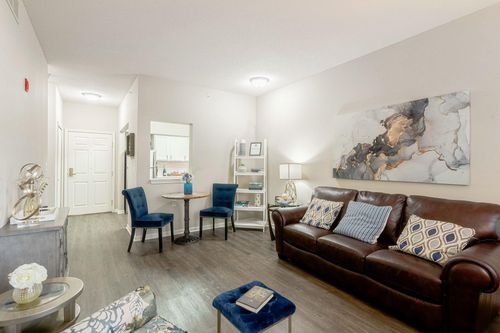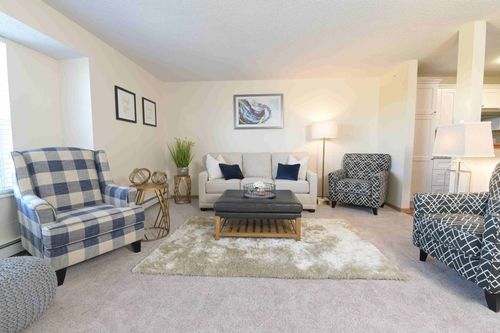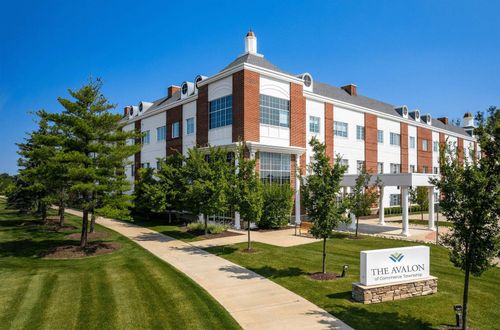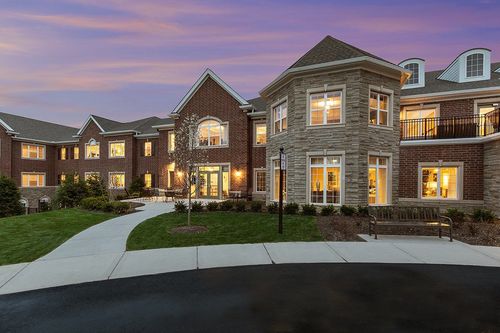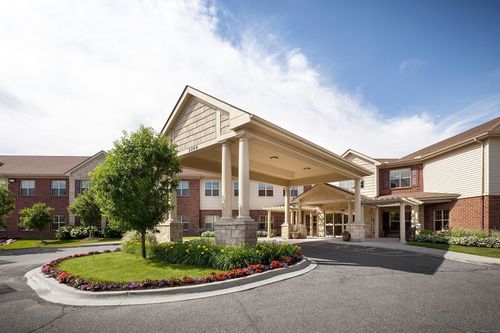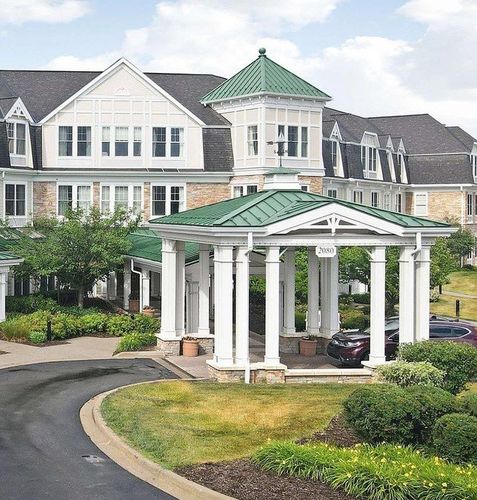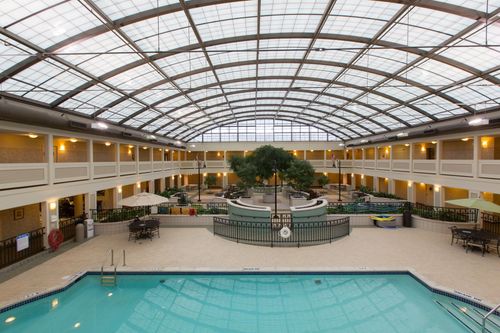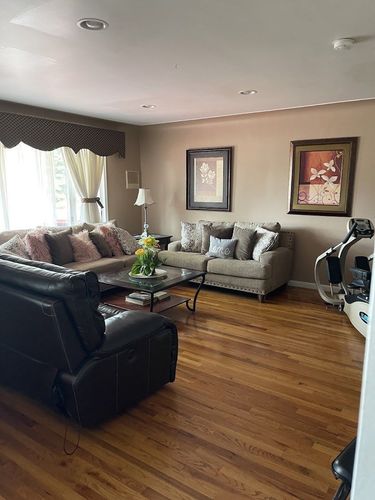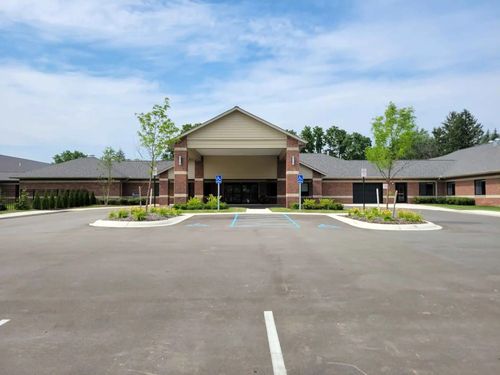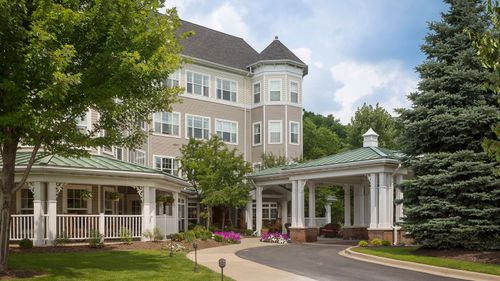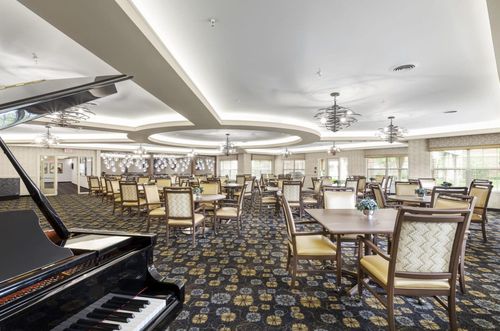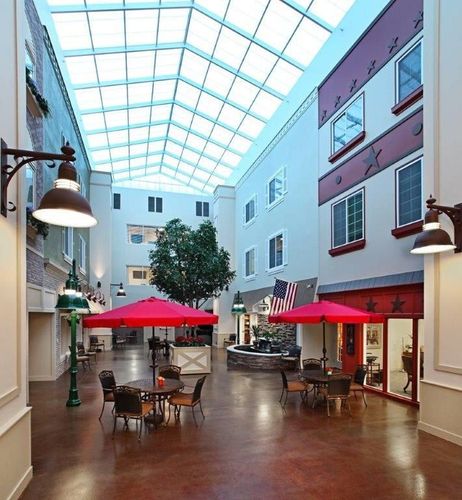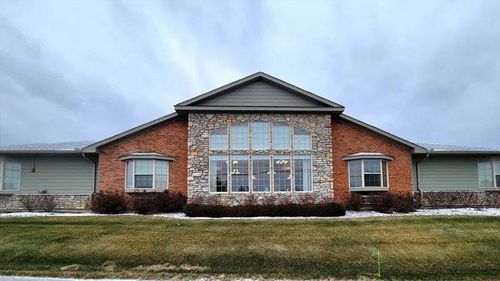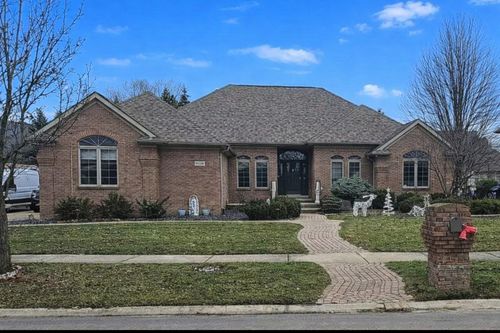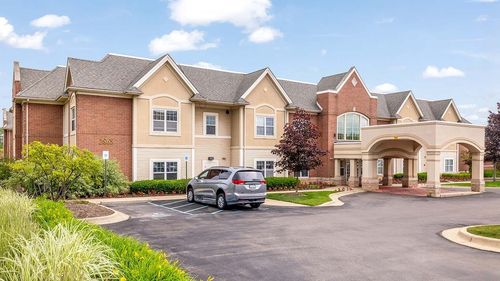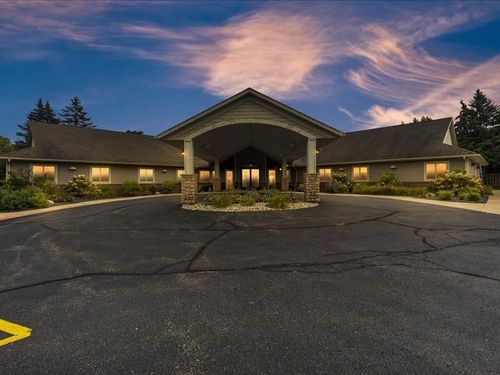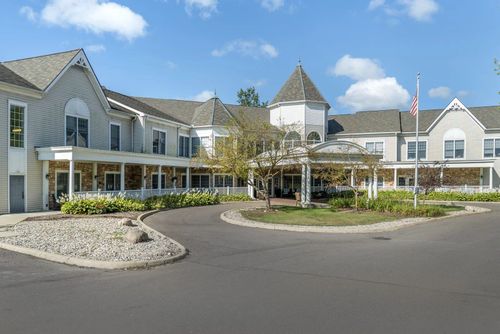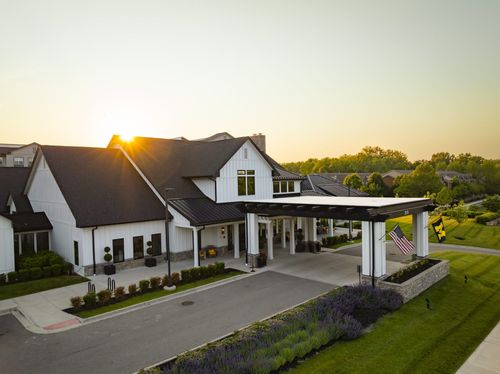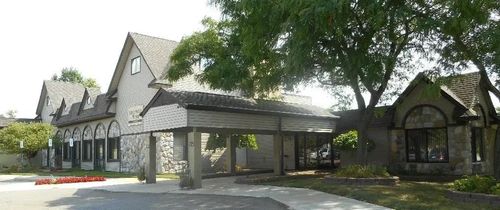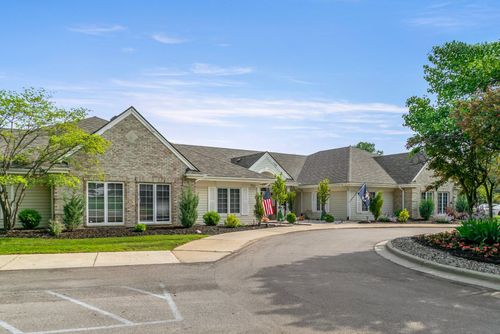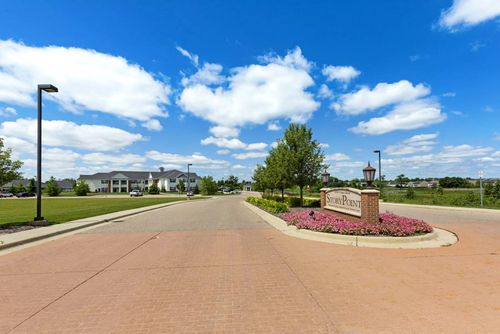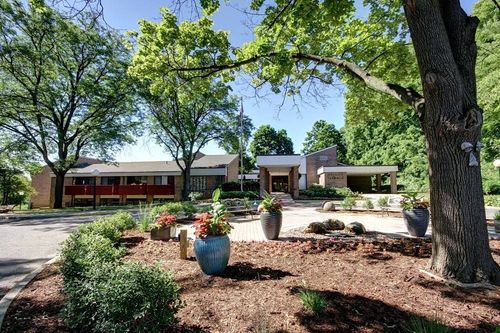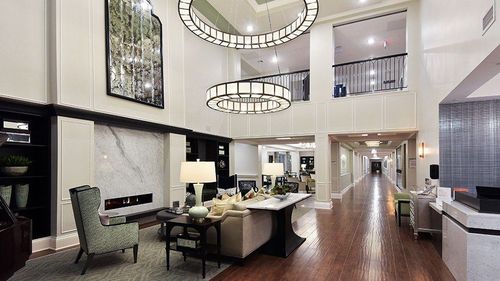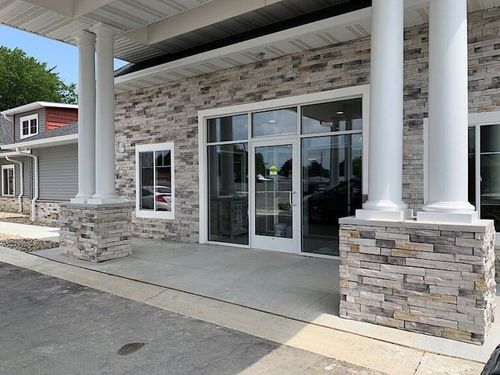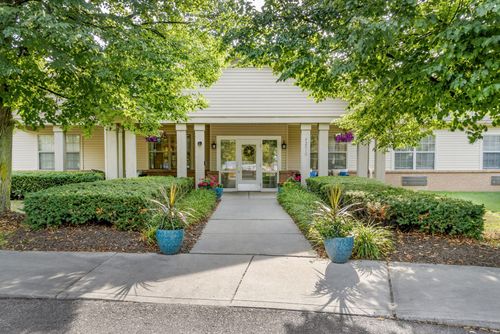
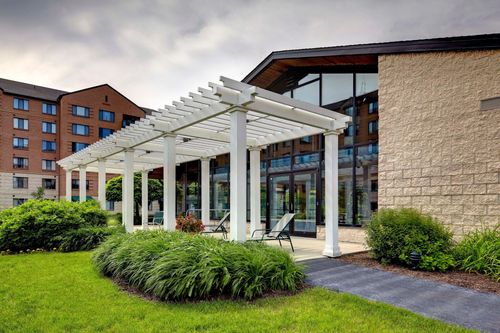
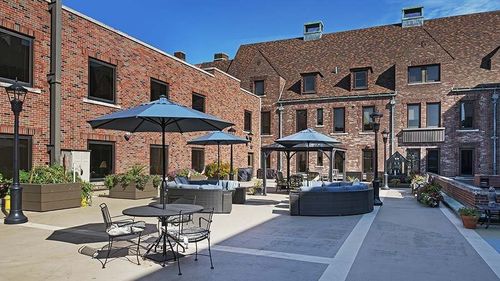
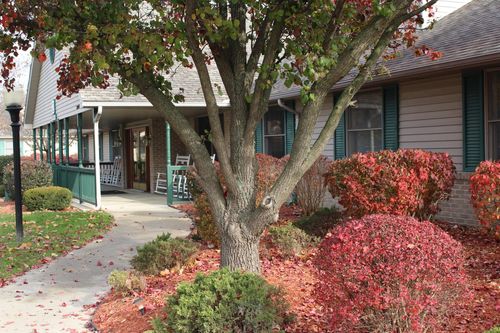
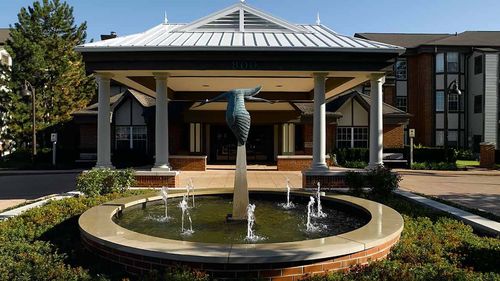
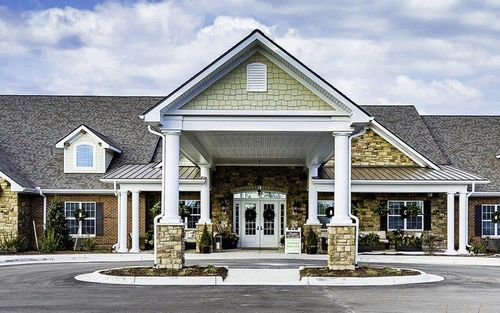


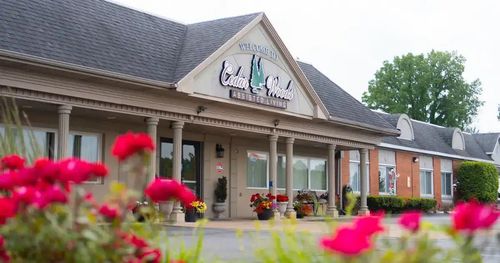
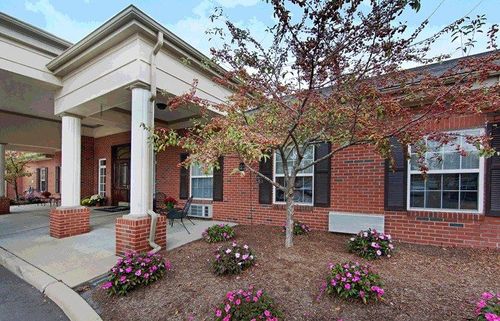
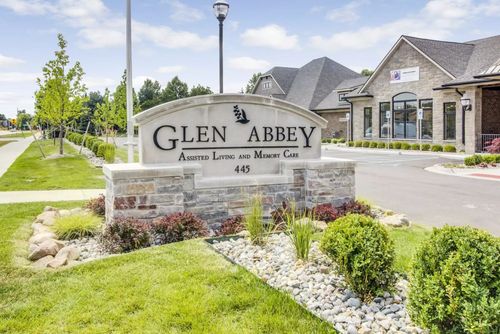




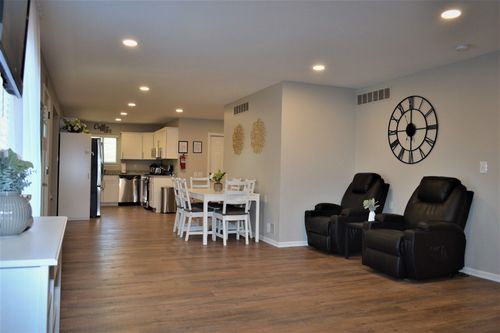

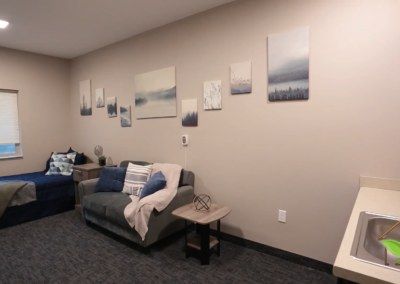

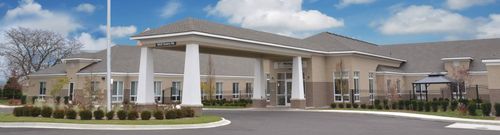
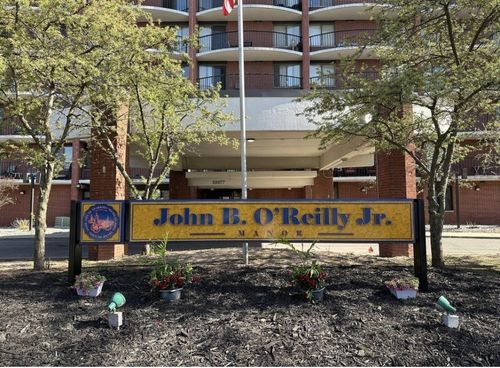

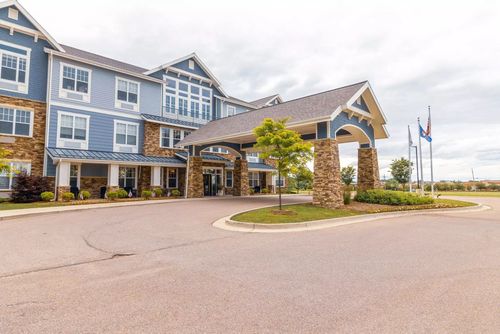
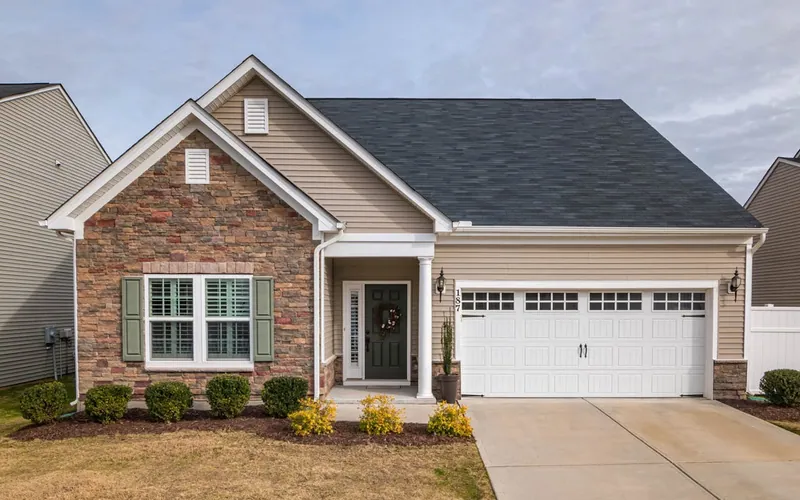
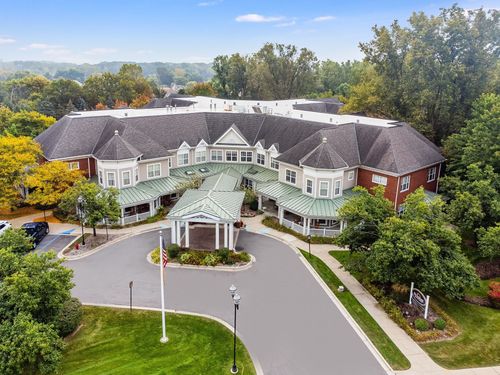
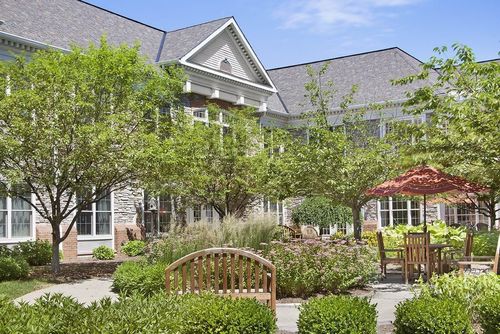
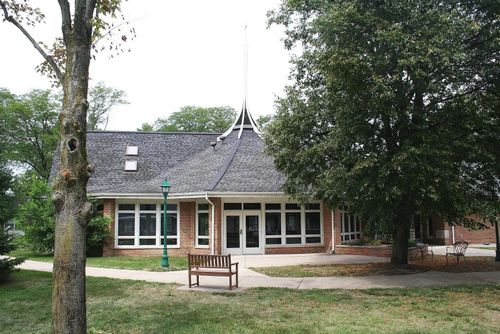
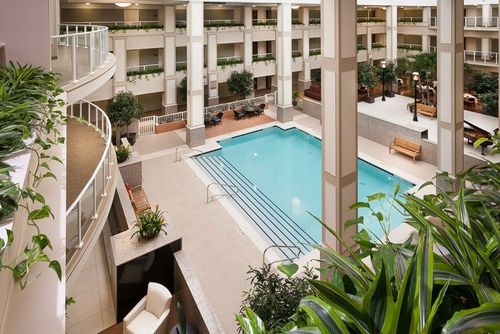
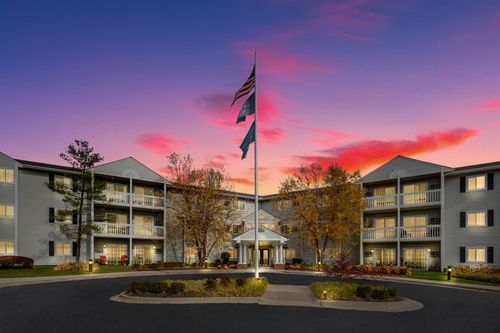


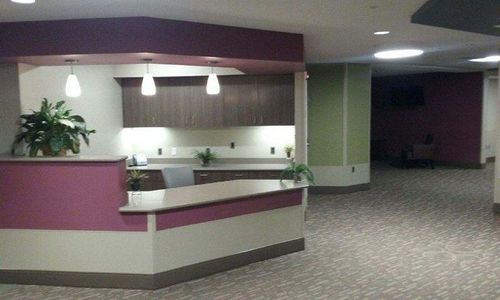
Wayne County spans dozens of distinct municipalities stretching from the Detroit riverfront out to the western townships, supporting more than ten residential communities that focus on assisted living. Families navigating this stretch of southeast Michigan find varied neighborhood settings, from historic brick residences in established suburbs to sprawling suburban campuses.
Each property reflects the industrial and residential history of the surrounding corridor, integrating local medical networks and regional transit routes into daily operations. Choosing a residence here means balancing the pace of urban access with the quieter residential streets found further down the Downriver area or near the western borders.
Daily Routines and Individual Support
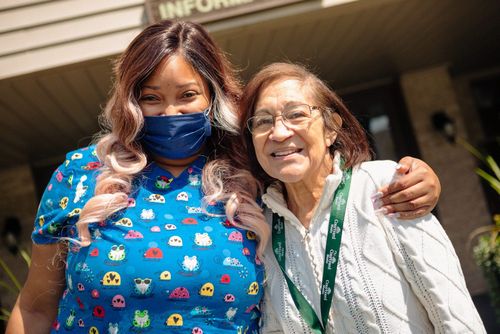
Residents begin their mornings across these local sites with structured assistance tailored to personal mobility and hygiene needs. Staff members help individuals transition from private apartments to common dining rooms, where breakfast service runs during set morning windows. Medication management forms a core pillar of the daily schedule, with trained personnel dispensing prescriptions at prescribed intervals throughout the day.
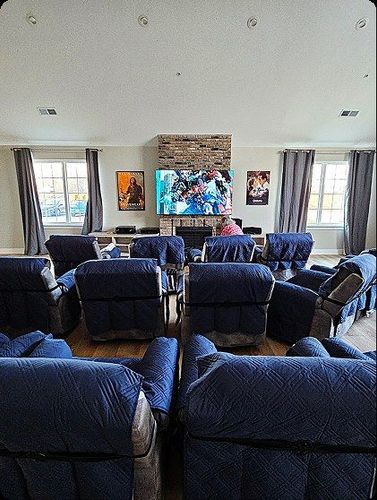
Beyond routine medical touchpoints, afternoons feature diverse social gatherings and physical movement sessions within communal spaces. Small groups gather for localized crafts or conversational clubs, while a few pet friendly locations accommodate household cats or dogs under specific rules. Evening hours bring a quieter rhythm, featuring light recreational options or television lounges before residents return to their private rooms for rest.
Monthly Expenses Across the Region
Financial planning for these services in the county requires understanding a baseline rate stretching from $3,900 up to $5,200 per month depending on the specific location and floor plan chosen. Specific entry markers reflect this tier, as seen at Allegria Village where baseline rates begin around $4,574 per month. Nearby alternatives like Atria Kinghaven and Hampton Manor of Taylor both establish their starting benchmarks at $4,200 per month.
Slight variations continue across neighboring suburbs, demonstrated by Hampton Manor of Trenton setting an initial baseline near $4,340 per month. Additional fees may apply when individuals require higher tiers of personal assistance or specialized medication supervision beyond standard packages. Families must review these itemized fee structures carefully during initial financial evaluations to avoid unexpected monthly increases.
Local Demographic Pressures and Availability
An aging regional demographic drives steady inquiries into regional senior housing inventories across the Detroit metropolitan area. Adult children frequently seek placement options for parents who can no longer manage independent household maintenance or routine medication schedules safely. This sustained regional demand means that available vacancies shift rapidly from week to week across local facilities.
Capacity parameters fluctuate across the county, with smaller residential homes accommodating around 90 beds while larger complexes scale up to 132 beds. Because available slots remain constrained during peak seasonal transition periods, families benefit from monitoring local availability well in advance of an actual move. Understanding these capacity limits prevents sudden delays when a timely household transition becomes necessary.
Reasons Families Choose Regional Care
Relatives point toward safety supervision and relief from isolation as primary drivers for moving a loved one into a structured residential setting. Managing chronic health needs inside a private suburban house often overwhelms family caregivers who balance full time jobs with elder oversight. Professional staff mitigate these risks by providing constant oversight and immediate response protocols during unexpected health events.
Social isolation decreases significantly when seniors engage with peers in shared dining halls and organized daily activities. A few participating properties accept Medicaid support for qualified applicants, though availability for these financial arrangements remains limited across the county. Ultimately, the decision centers on restoring a secure and predictable routine for aging relatives within familiar geographic boundaries.
Navigating Local Choices and Transitions
Finding the right match involves evaluating current facility openings alongside complex factors like Medicaid timing and hospital discharge deadlines.
A local advisor helps families analyze how well a building layout fits a resident with specific mobility limitations or memory support requirements. Families who feel overwhelmed by these structural comparisons can benefit from a short conversation to talk it through.
Our directory for Wayne County continues to grow as we evaluate providers for quality and alignment in 2026. Start the conversation about assisted living in Wayne County, or scan the buildings we cover at your own pace.