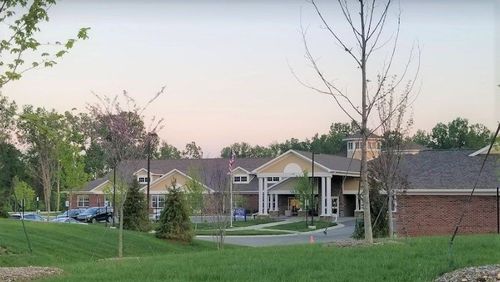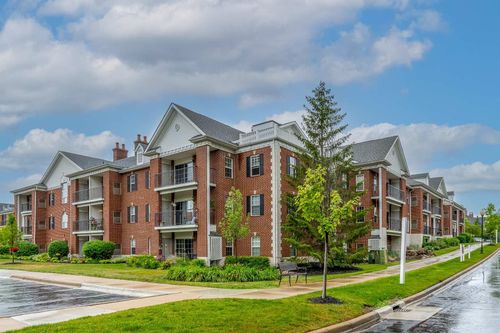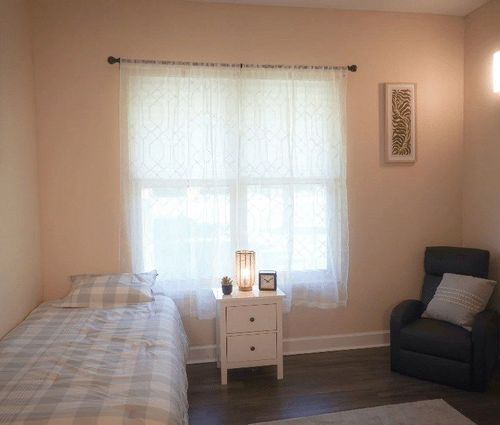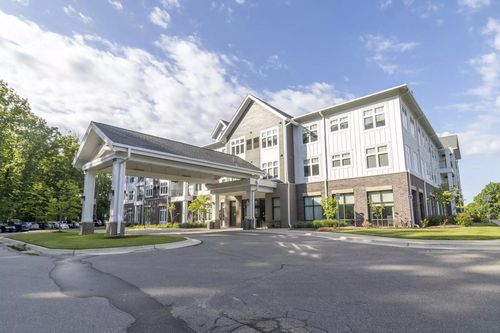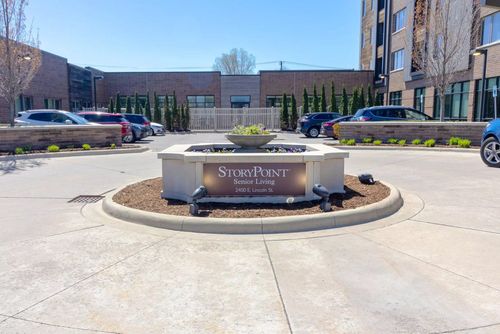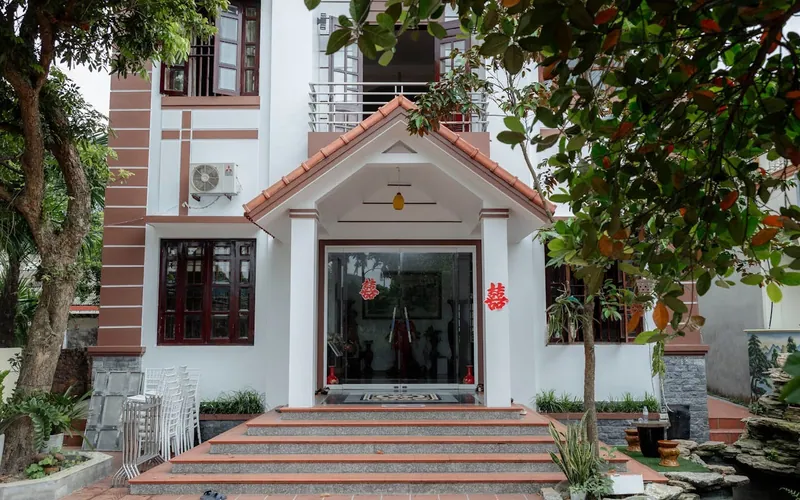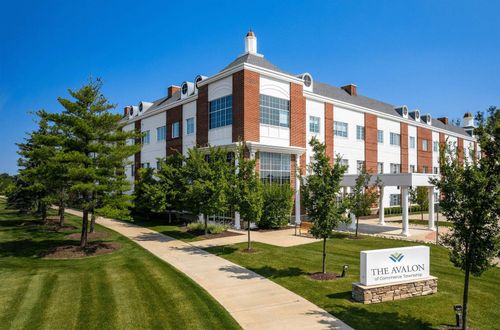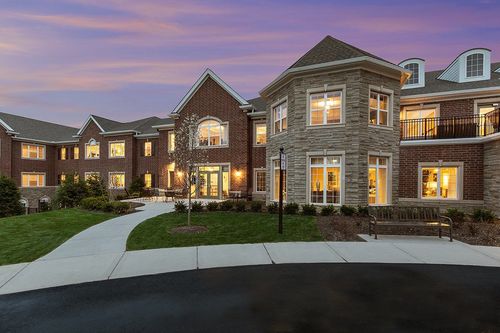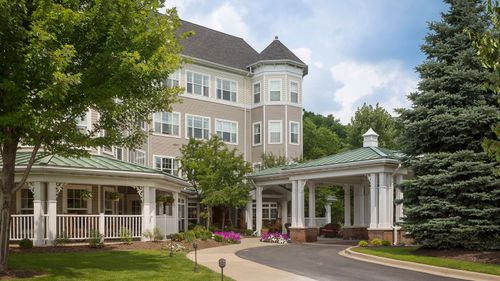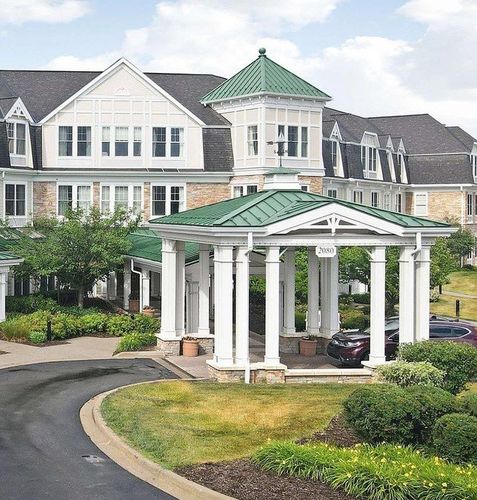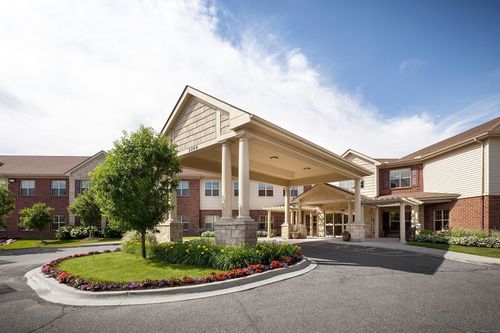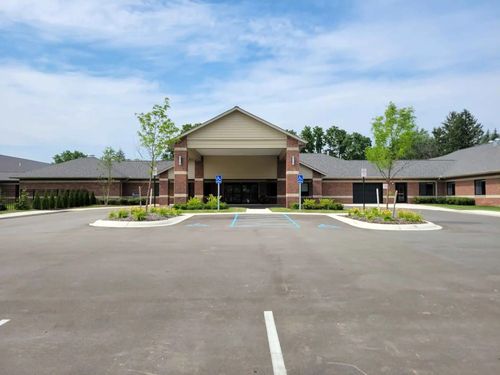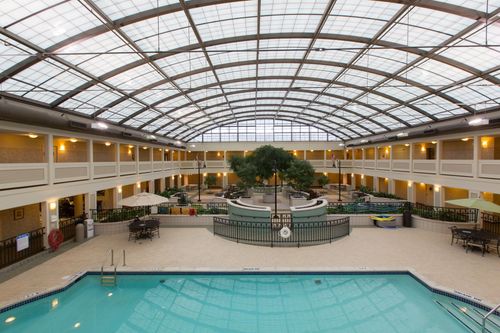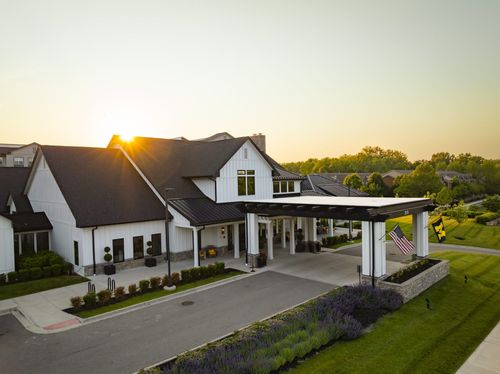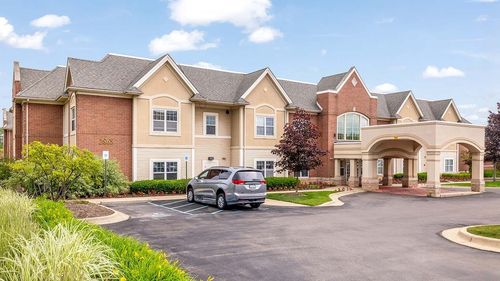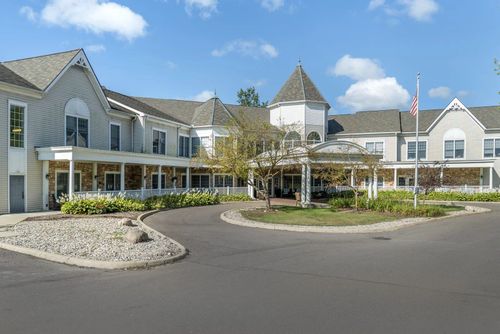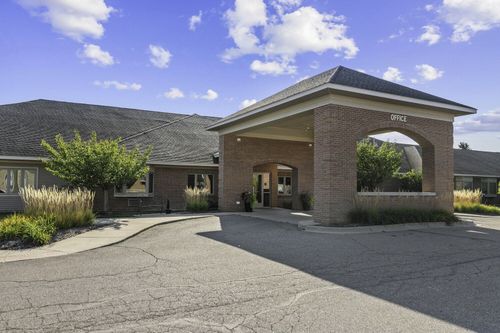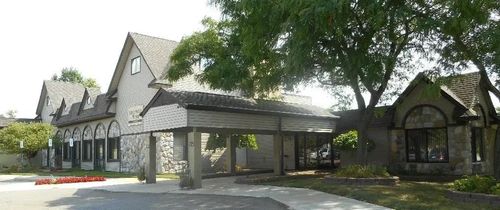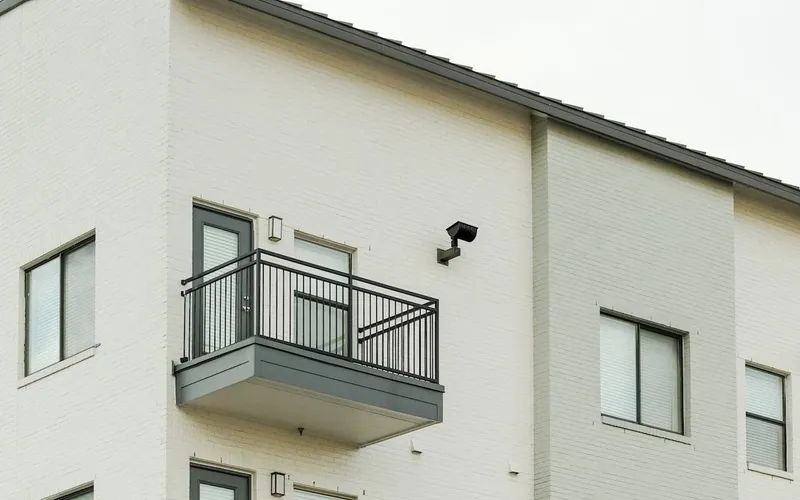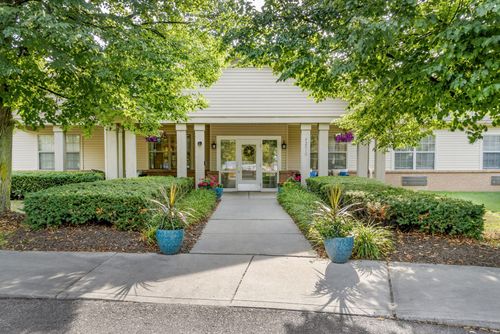




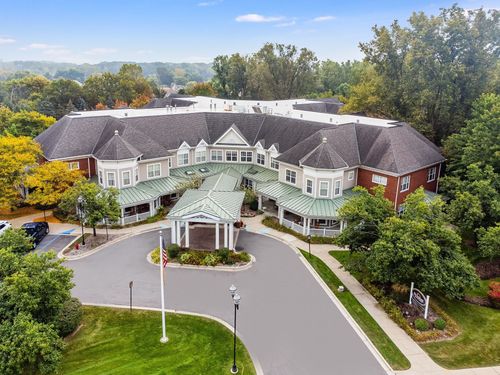
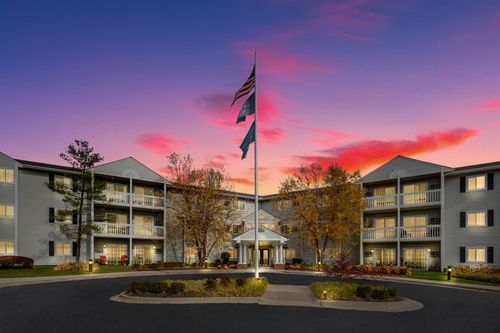

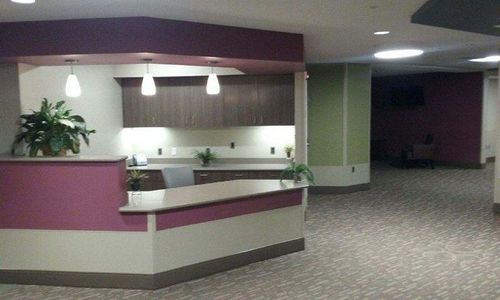
Wayne County houses more than twenty licensed memory care settings across its metropolitan and suburban municipalities, creating a broad spectrum of specialized residential infrastructure for families navigating cognitive decline.
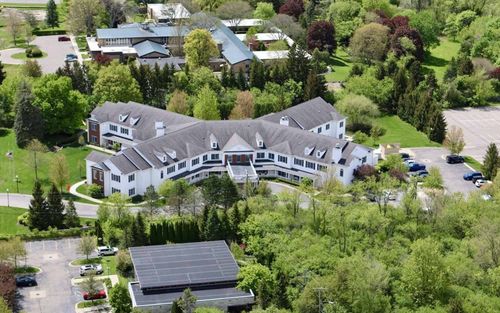
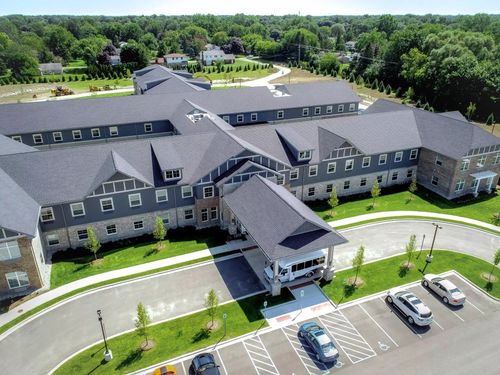
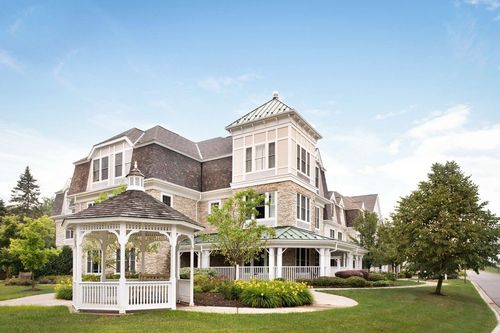
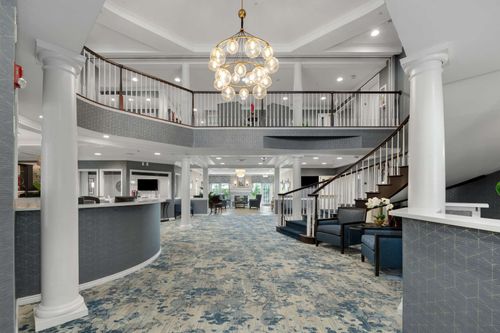
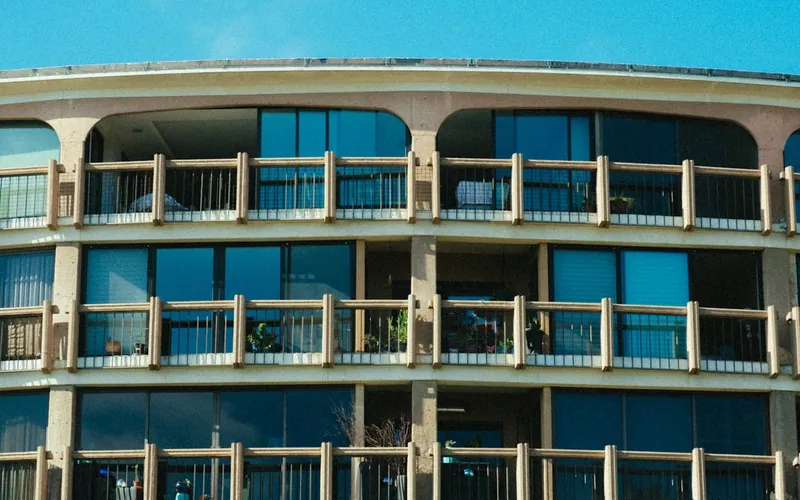
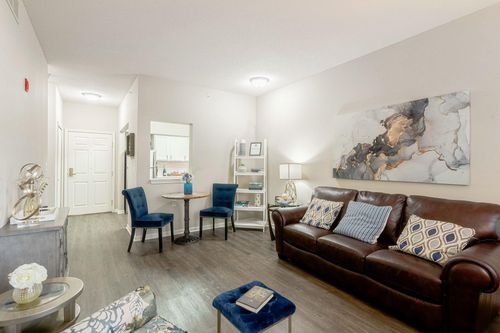
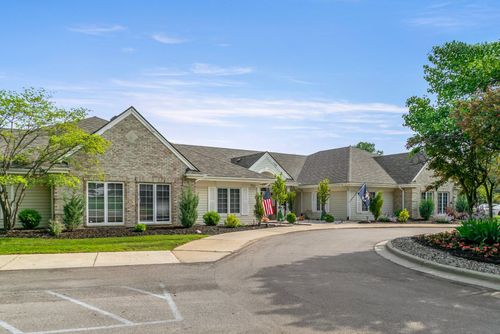
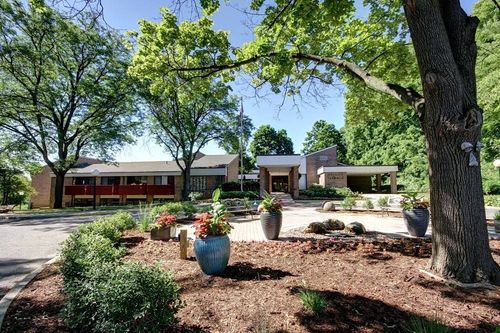
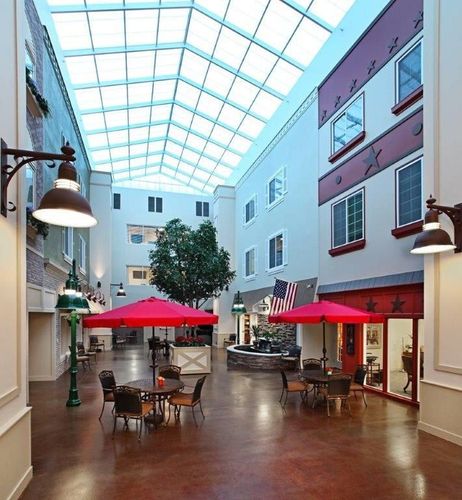
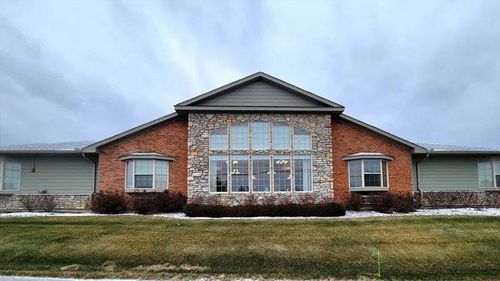
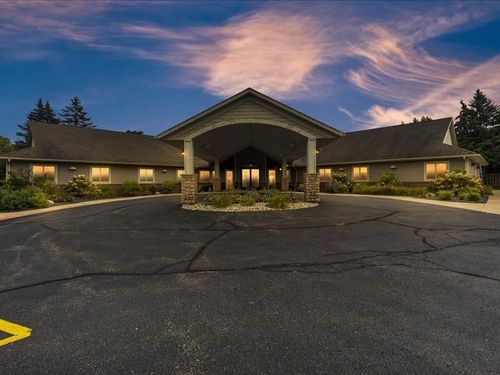
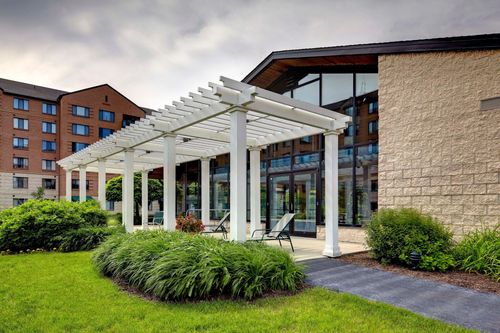
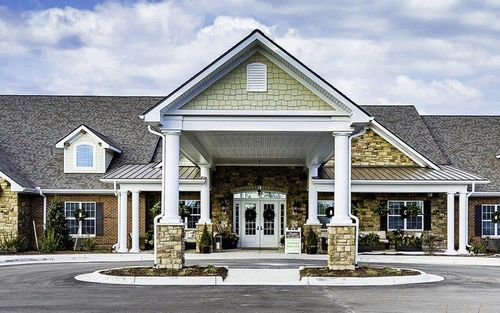
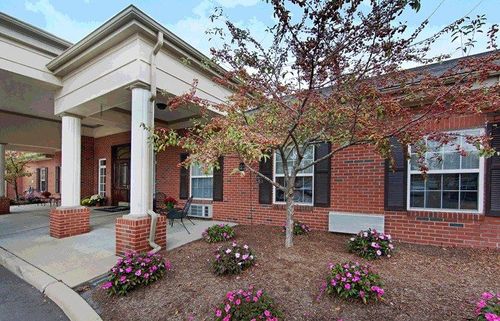
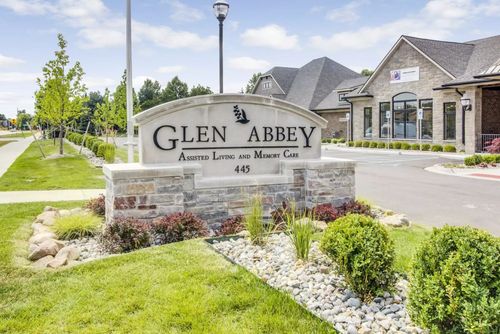
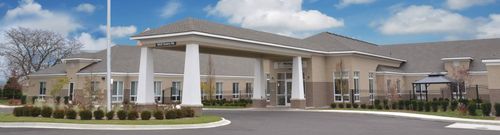
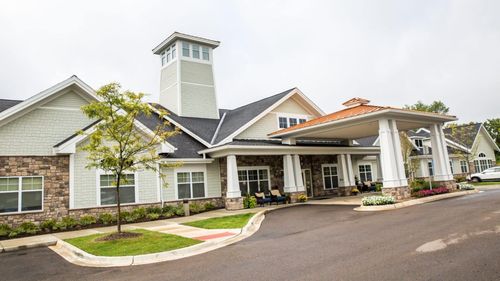
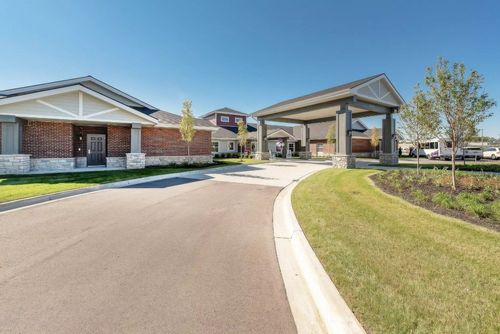
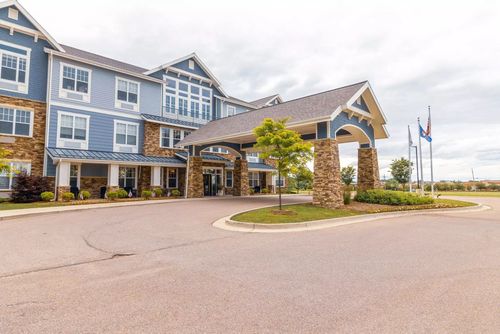
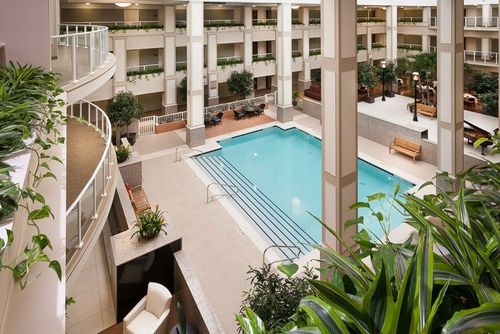
These facilities range from dedicated standalone buildings to specialized secure wings integrated within larger continuing care campuses, with bed counts spanning from 50 in the smallest residential homes up to 132 in the largest local communities. Choosing the right environment requires understanding how physical layout impacts a resident with progressive memory loss.
Daily Routines and Specialized Support
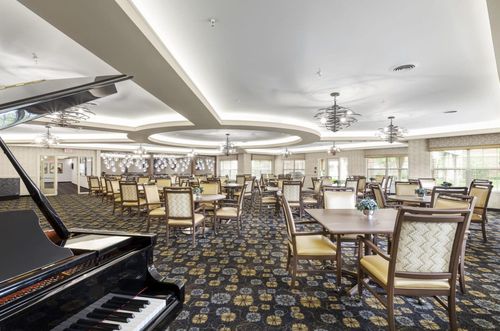
Residents within these secure environments experience structured daily schedules designed to reduce confusion and foster familiarity. Staff members trained in dementia behaviors guide individuals through personal care, meals, and cognitive engagement activities tailored to individual functional levels.
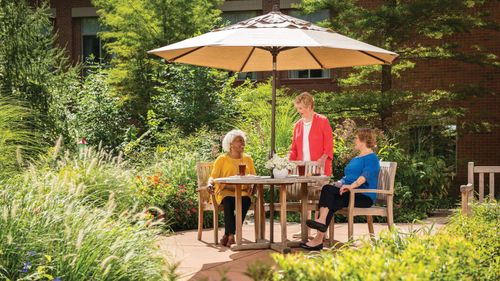
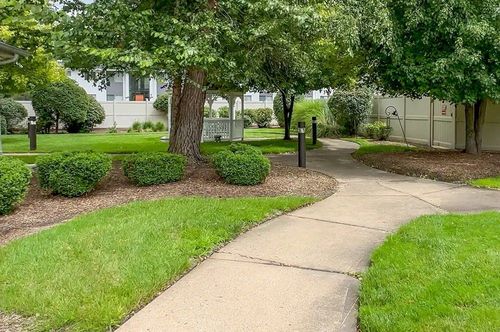
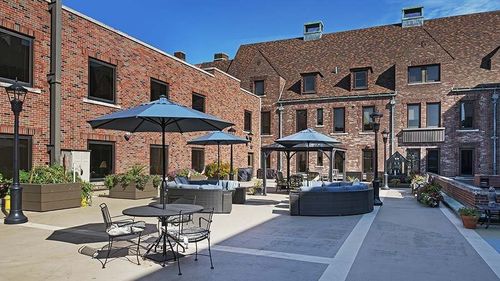
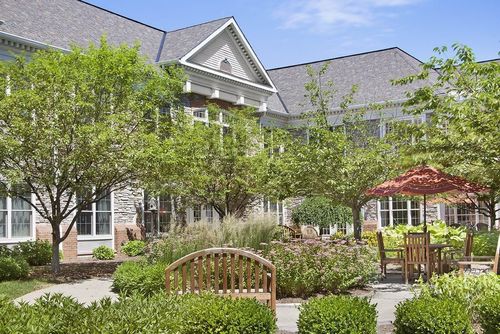
Safety remains a foundational priority across the county, featuring secure perimeter doors and enclosed outdoor courtyards that allow safe wandering without the risk of leaving the property. This balance of autonomy and protection helps residents maintain dignity while receiving continuous clinical supervision.
Local Pricing and Financial Realities
Monthly rates for memory care in this Michigan county span from $3,800 to $6,500, reflecting differences in staff ratios, room types, and building architecture. Specific communities such as Addington Place of Northville list base starting rates at $4,800 per month, while Allegria Village begins at $4,574 per month.
Navigating these costs requires forward financial planning, as a few locations across the region accept Medicaid waiver assistance after private pay depletion. Families must evaluate how baseline monthly fees align with long term budgetary projections for progressive cognitive care.
Regional Senior Demographics and Demand
Local demand for specialized dementia support continues to rise as the aging population in Southeast Michigan expands. Adult children frequently find themselves searching for local solutions after managing early stage care at home becomes unsustainable.
Proximity to major medical systems in Wayne County allows families to maintain established specialist relationships while securing residential support close to home. This regional density helps relatives coordinate visits and stay actively involved in care plan reviews.
Why Families Choose County Communities
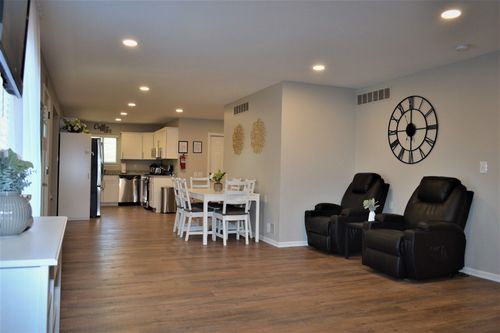
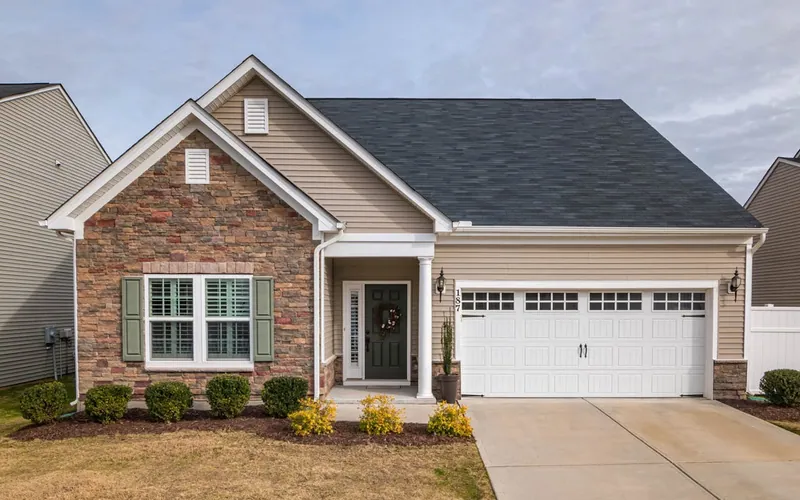
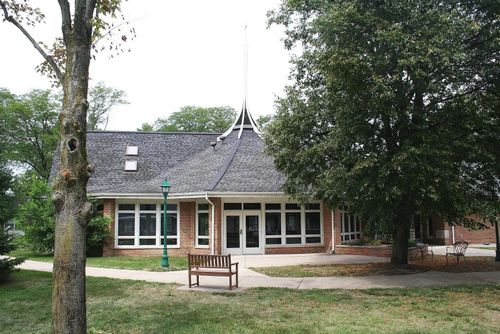
Selecting a local residence often hinges on finding an environment that matches a loved one's specific stage of memory loss. Purpose-built standalone cottages offer smaller, quieter settings that can reduce sensory overload compared to expansive multi-level complexes.
Several communities throughout the area accommodate domestic animals, allowing residents to benefit from pet companionship during their stay. Knowing that a familiar animal is present can significantly ease the transition into a new residential routine.
Guidance Through Complex Transitions
Local advisors assist families by mapping out the critical transition timeline, from initial diagnosis adjustments through navigating Medicaid eligibility milestones. Understanding discharge timing from clinical settings ensures a seamless handoff into the chosen memory care environment.
Matching the correct bed count and physical layout to a resident's wandering tendencies or social needs prevents secondary relocations later. When questions arise regarding facility architecture or placement logistics, reach out to talk it through.
Our Wayne County directory keeps expanding as we evaluate providers for quality and alignment in 2026. Start the conversation about memory care in Wayne County, or scan the buildings we cover at your own pace.