Wayne County contains a small number of skilled nursing facilities equipped to handle immediate clinical transitions, particularly when an aging parent requires continuous medical monitoring after a hospital discharge. Many local families face sudden, time-pressured decisions following an unexpected health crisis, such as a severe stroke, a cardiac event, or a major bone fracture. Sorting through the options requires a clear understanding of the difference between short-term rehabilitation and long-term custodial care. Short-term stays focus heavily on intensive physical, occupational, and speech therapy aimed at returning the individual to their previous living arrangement. Long-term care provides a permanent residential solution for seniors with progressive, complex medical conditions that exceed what home health agencies or traditional assisted living settings can safely manage.
Around the Clock Clinical Attention and Daily Activities
Daily life in a skilled nursing setting centers on a structured schedule designed to maximize physical stability and cognitive engagement. Licensed nurses and certified nursing assistants remain on-site twenty-four hours a day to manage complex medication regimens, administer wound care, and monitor vital signs. Residents receive consistent support with necessary daily activities, including dressing, bathing, eating, and personal hygiene, tailored entirely to their current physical capabilities.
Therapeutic routines are integrated directly into the weekly calendar to help individuals regain independence or maintain their baseline health. Beyond physical rehabilitation sessions, activities coordinators organize social interactions, gentle exercises, and creative crafts to prevent isolation. These communal gatherings ensure that residents remain socially connected while living in an environment that prioritizes their medical safety and personal dignity.
Navigating the Financial Reality of Local Nursing Care
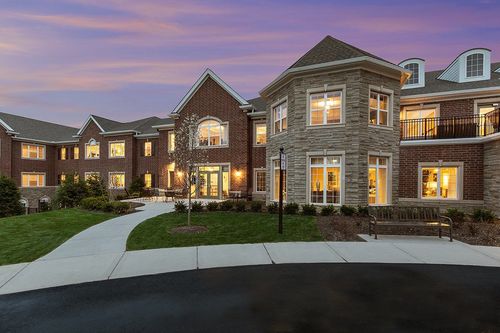
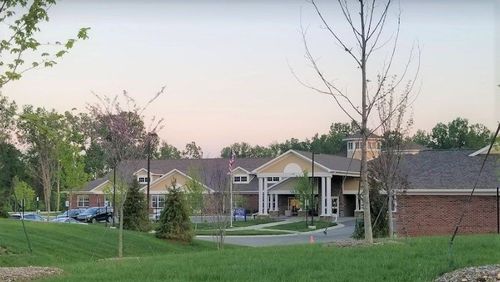
Securing clinical care requires a realistic look at local monthly expenses, which vary based on the specific community and the level of nursing intervention required. In this part of Michigan, monthly rates typically span from $4,200 to $4,950 depending on the selected room type and specialized clinical services. Families can review established communities like Woodhaven Retirement Community, which represents the lower end of the local pricing spectrum, or Allegria Village, which sits closer to the middle of the countywide range.
These monthly figures generally bundle room and board, round-the-clock nursing supervision, meals, and standard personal care support into a predictable base rate. It is important to note that specialized therapies, prescription medications, or distinct medical supplies might result in additional line-item charges. Because insurance coverages like Medicare often only fund limited rehabilitation windows, families must plan ahead for private funds or alternative long-term financing options.
Understanding the Need for Advanced Care in Michigan
Local health systems experience a steady demand for high-level clinical beds due to a large population of aging adults in the Detroit metropolitan area. As chronic illnesses progress, families frequently reach a point where home-based assistance is no longer sufficient to ensure a relative's safety. This ongoing need keeps local facilities busy, making proactive research essential even before an urgent medical crisis emerges.
Because the regional inventory is limited to a small number of licensed settings, securing a bed in a preferred community can become challenging during peak hospital discharge periods. Families who monitor these local availability trends early are much better positioned to make smooth transitions. Waiting until the day of discharge often restricts choices, forcing families to accept whatever bed is immediately open in the region.
Why Regional Families Choose Institutional Placement
Choosing a local nursing facility allows families to keep their aging relatives close to familiar neighborhoods and major medical networks like Detroit Receiving Hospital or Henry Ford Health. This geographic proximity simplifies regular visitation, which is crucial for emotional support and oversight of the senior's well-being. Knowing that a relative is under the care of licensed professionals provides immense relief to exhausted family caregivers.
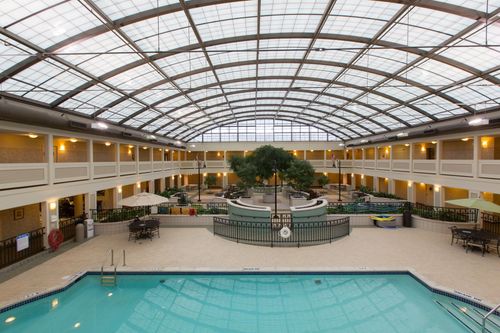
Additionally, these communities feature a infrastructure designed for physical safety, utilizing wide corridors, specialized transfer equipment, and advanced call systems. The smallest home in the county accommodates 88 beds, while the largest community reaches up to 132 beds, reflecting structured environments optimized for medical care. This level of institutional design prevents the common safety hazards associated with retrofitting an ordinary residential home for complex medical needs.
Guidance from a Local Senior Living Expert
Navigating the local medical landscape requires quick action, especially when a hospital social worker announces that a senior is ready for discharge within twenty-four hours. An advisor can instantly identify which local properties have immediate openings that match the specific clinical needs prescribed by the physician. They can also explain the intricate timing involved with Medicaid applications, as only a few regional facilities accept this coverage for long-term stays.
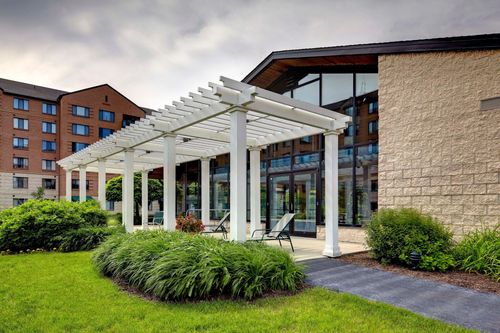
Finding the right physical building and care culture is just as critical as matching budgets and clinical requirements. An advisor helps families sort through options like The Orchards at Redford Village or The Rivers Assisted Living to find the best structural and financial fit. If you feel overwhelmed by these complex medical choices, an advisor is always available to help you talk it through.
We keep expanding our Wayne County coverage as we evaluate providers for quality and alignment in 2026. Reach out for a conversation about skilled nursing in Wayne County, or browse the communities we have vetted at your own pace.