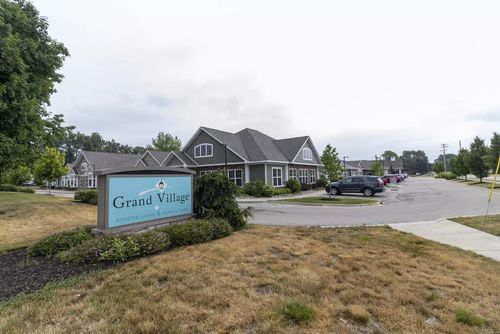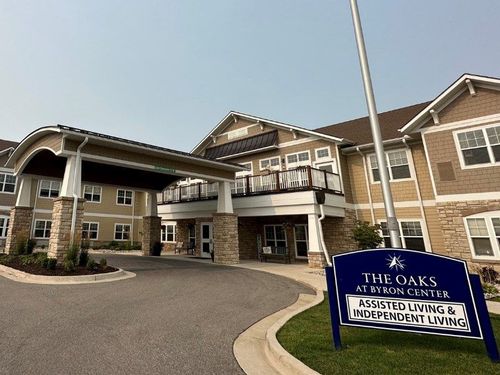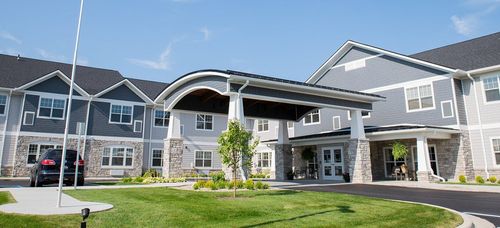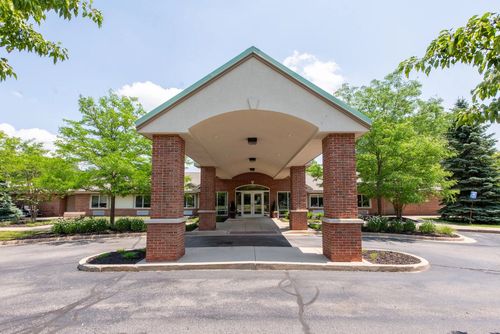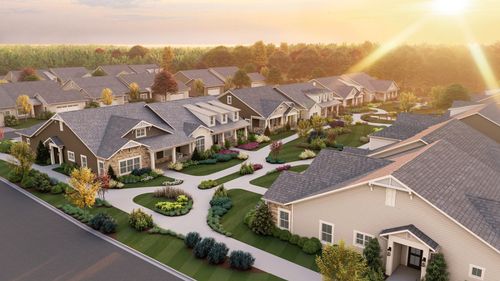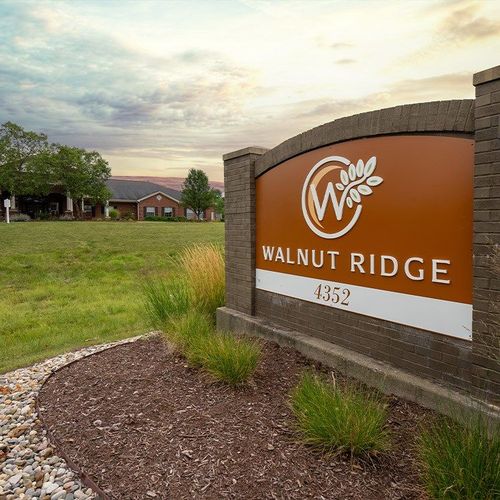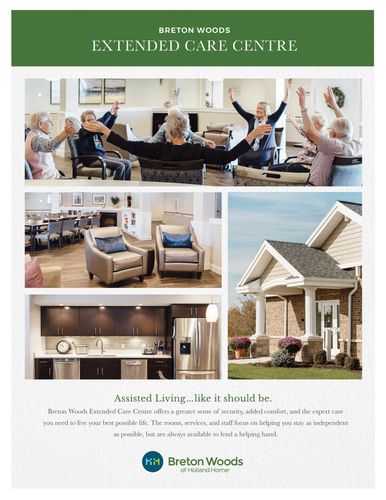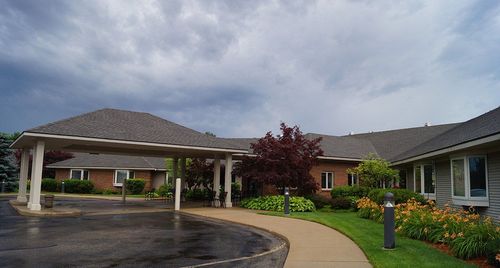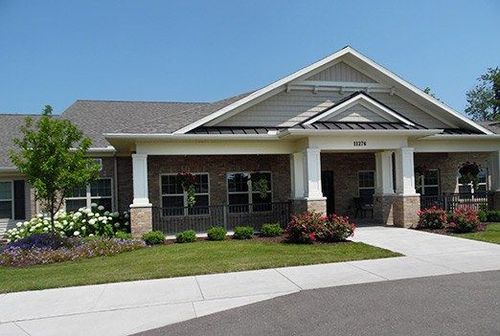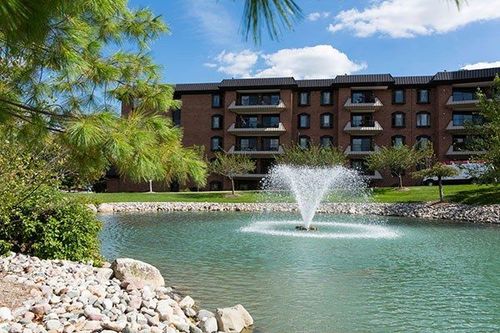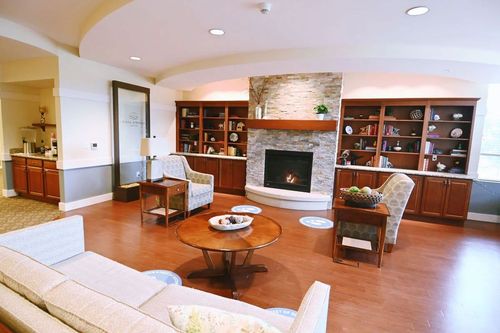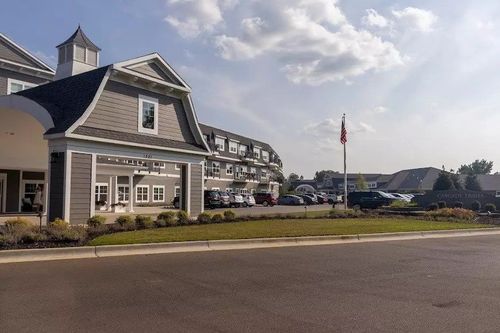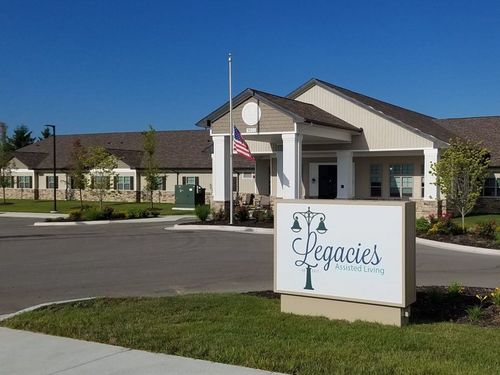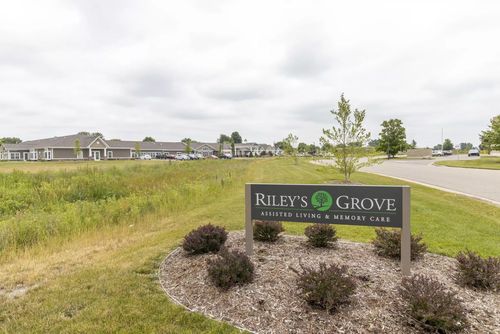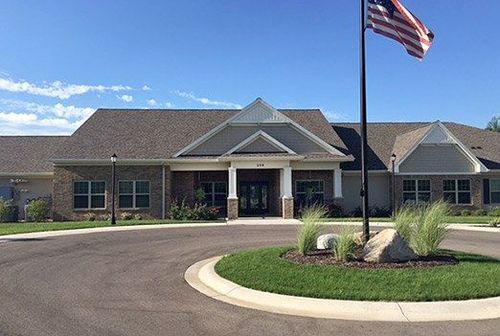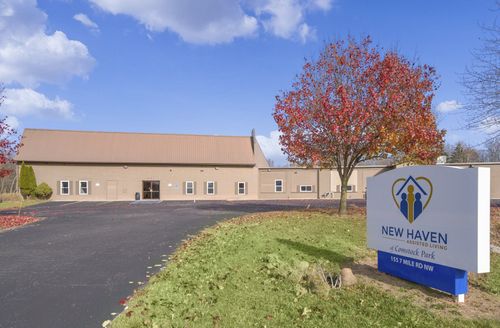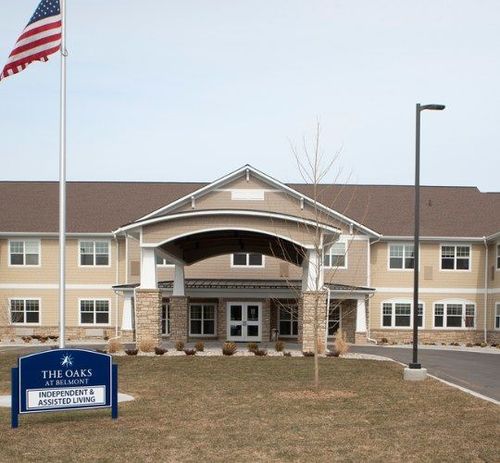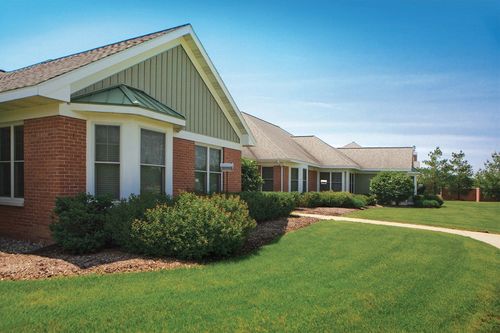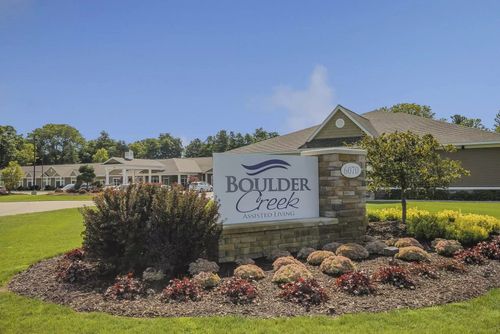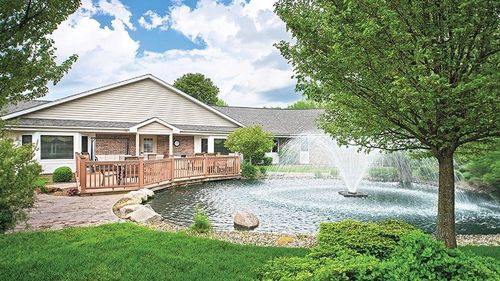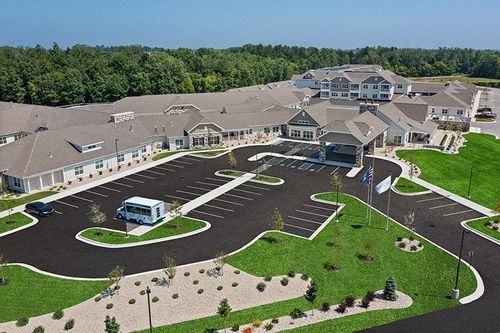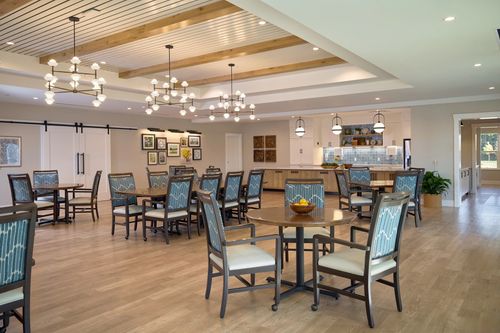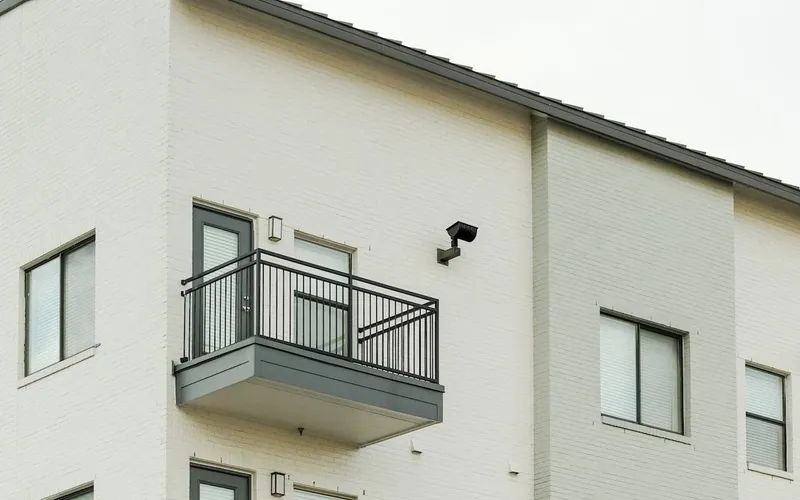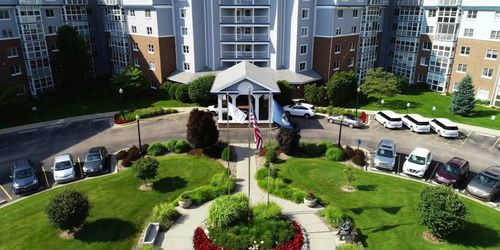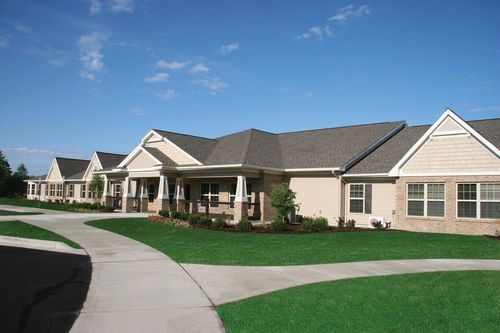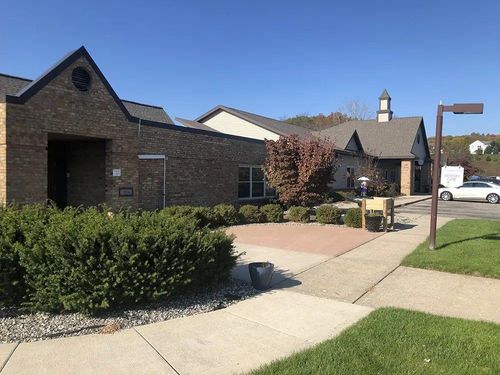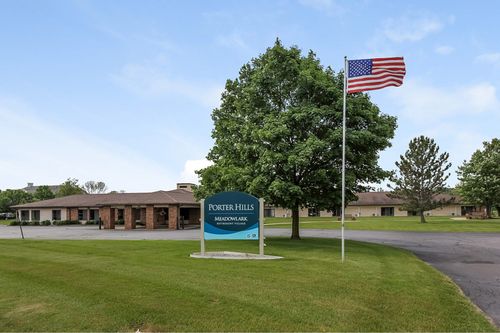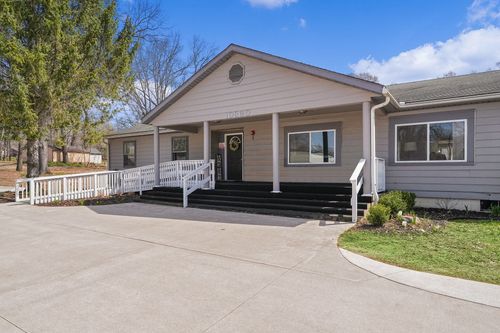
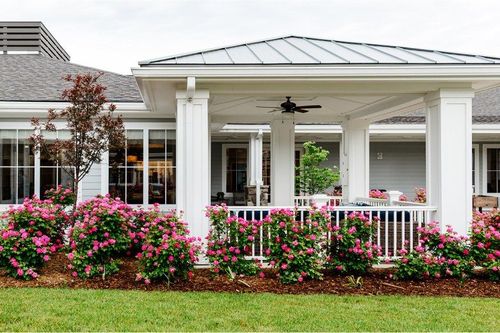
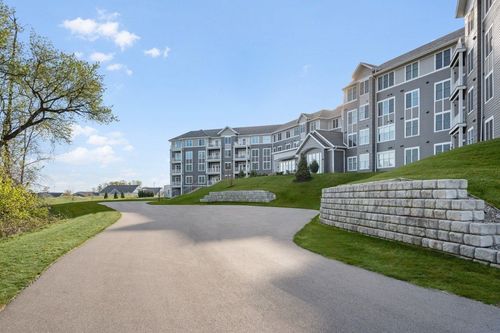

Wyoming's memory care clusters along the city's southern corridor rather than scattering across it, which means a family can see every option in a single morning. What they will find is that the addresses differ far more in approach than in location, ranging from a community built specifically around dementia to secured neighborhoods inside broader senior living campuses.
That difference is the actual decision here, and the published figures reflect it, spanning $3,760 to $6,500 a month across the 3 local addresses. Two of them take respite guests and one welcomes pets, and buildings this varied in philosophy reward a family who works out what they are looking at before they start comparing.
Purpose-Built or Part of Something Larger
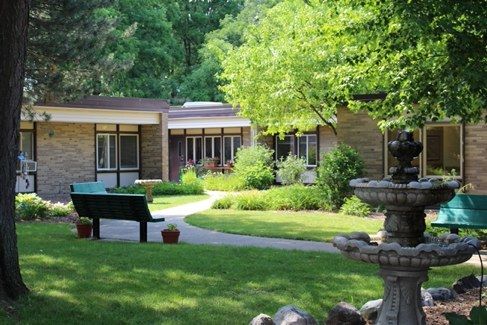
A community designed around dementia from the outset organizes everything to that end: shorter sight lines, corridors that loop rather than dead-end, staff hired and trained for this work alone, and no other resident population competing for attention. Everybody living there is on the same road, which some families find reassuring and others find hard.
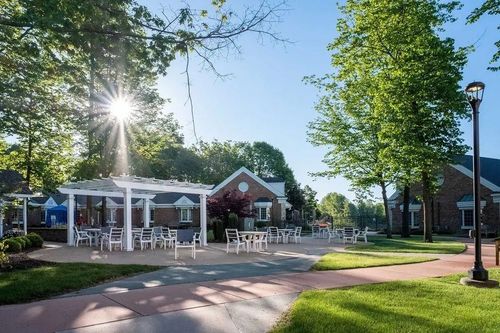
A secured neighborhood inside a larger campus trades some of that for breadth. There is a fuller kitchen, a nurse covering the whole building, more activity happening beyond the secured doors, and in some cases the option for a resident to have arrived before dementia made the secured part necessary. Neither model is better in general terms, and the sensible way to decide is to visit both and watch which environment a particular person actually relaxes in.
What Separates the Bottom of the Range From the Top
Nearly three thousand dollars separates Wyoming's lowest published figure from its highest, which is an enormous gap for one city and almost entirely explained by that difference in model. Purpose-built dementia care carries a heavier staffing ratio and a specialized design, and both of those appear in the monthly figure.
The comparison that misleads is base rate against base rate, because a lower quote frequently arrives with care billed separately once a resident is assessed while a higher one has more already folded in. No local building holds a Michigan MI Choice waiver contract, so this stays private funding, and the useful projection is what each address charges a resident with advanced needs two years from now rather than what it charges on the day they arrive.
A Big City That Reads as Neighborhoods
Wyoming is one of the larger cities on the west side of the state and yet works as a collection of neighborhoods, which is why its senior living sits among houses rather than on a commercial strip. The population that fills these buildings is largely people who worked in the manufacturing and service economy here and stayed.
For availability that means demand is steady rather than driven by incomers, and secured rooms turn over slowly because residents in memory care tend to stay. The households who move when something opens are the ones who toured months ago and completed an assessment, and the two respite options give everybody else somewhere to go in the meantime.
The Hospital Is in the City
University of Michigan Health-West sits on Byron Center Avenue inside Wyoming itself, which puts a full hospital minutes from every local memory care address, and Corewell Health's Grand Rapids campuses are a short drive north for anything more specialized.
That proximity earns its keep in dementia specifically, because hospital trips tend to be unplanned and the person going cannot supply their own history. It also keeps visiting frequent, since family across Grandville, Byron Center, and the south side of Grand Rapids are ten to twenty minutes away, and four short visits a week does more for a resident than one long afternoon.
Working Out Which Model Fits the Person
Because Wyoming's addresses are genuinely different products, the advisor's contribution here is diagnostic rather than logistical. A resident still sociable and physically capable, in the earlier stages, frequently does better inside a larger campus with more happening around them. Someone further along, easily overwhelmed, and needing constant supervision usually settles better in a purpose-built setting where the whole environment is pitched at that.
Getting it wrong costs a second move, and a second move costs a person with dementia weeks of orientation they cannot spare. Knowing which building holds residents through the late stages, which has a secured room actually free, what each charges once care is fully assessed, and which of the two respite options suits a trial is the work that avoids it. Families who reach out before touring generally visit the two addresses worth their time rather than every one.
The Wyoming directory continues to grow as we evaluate providers for quality and alignment in 2026. Reach out for a conversation about memory care in Wyoming, or look through the communities we have vetted at your own pace.