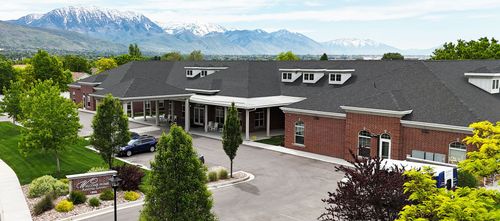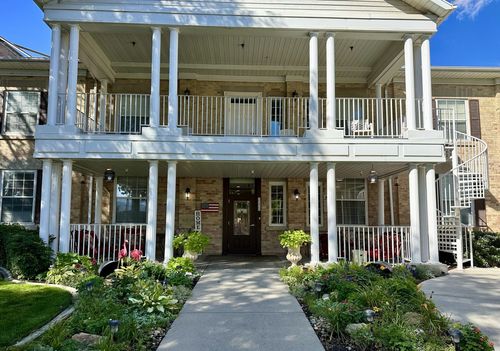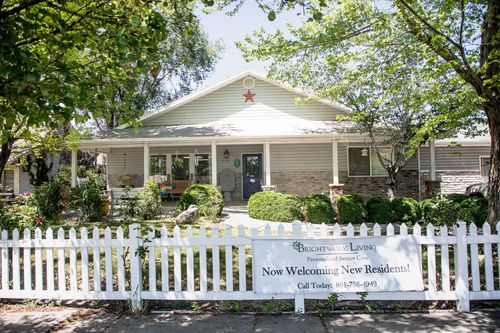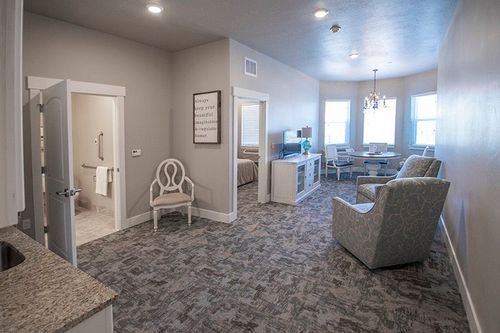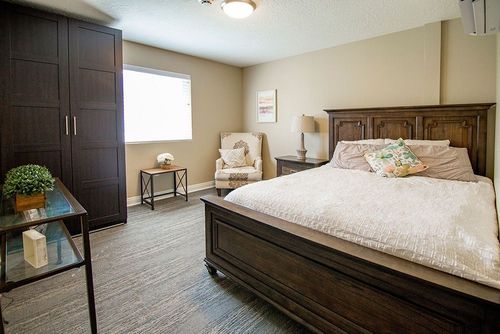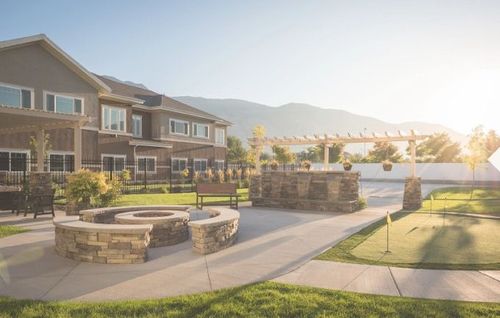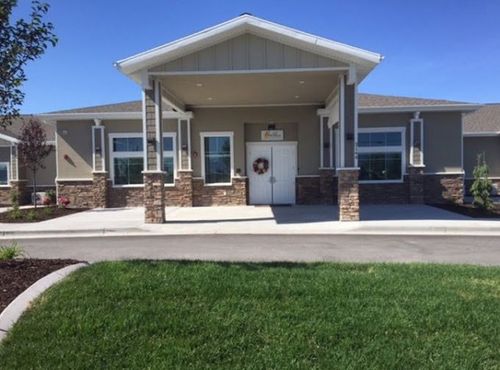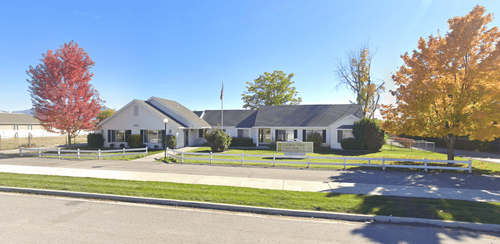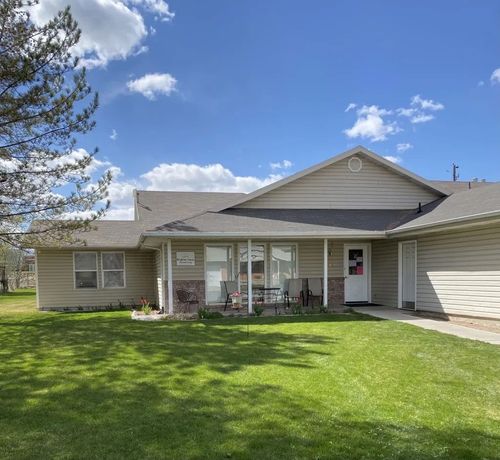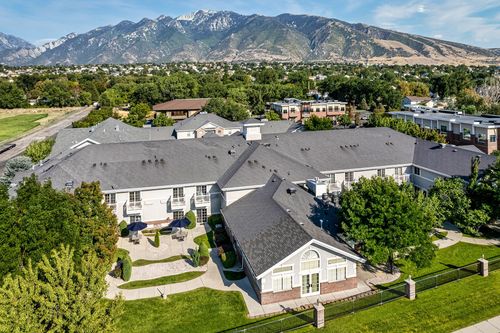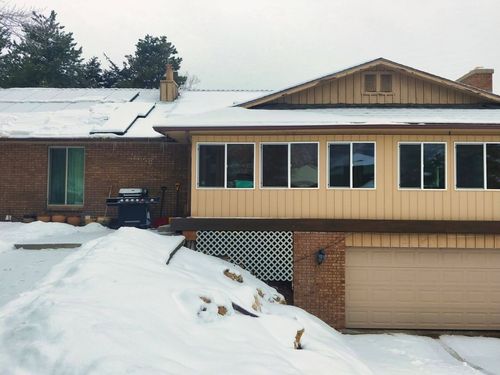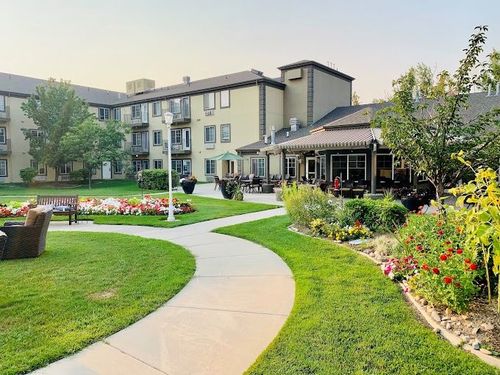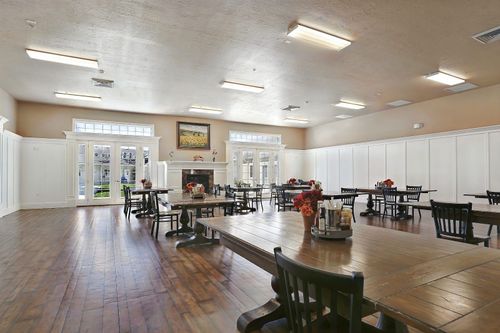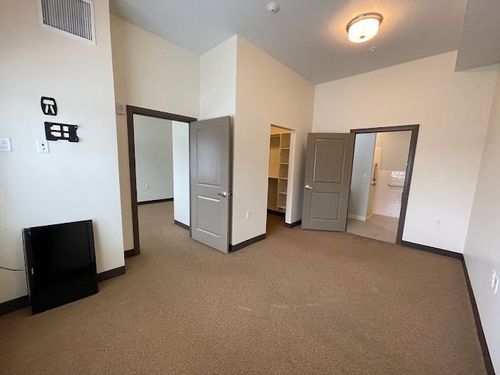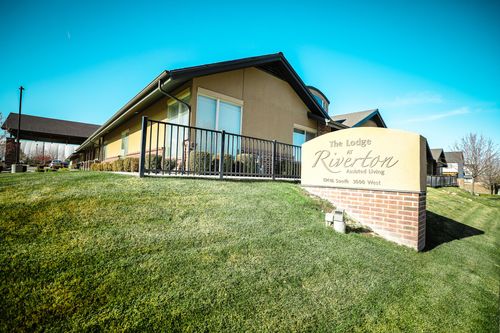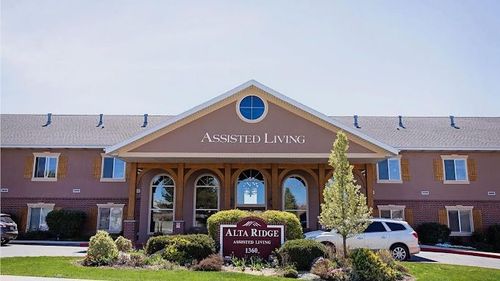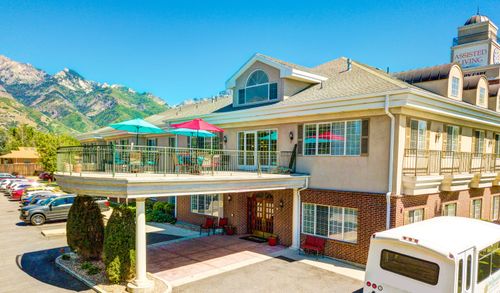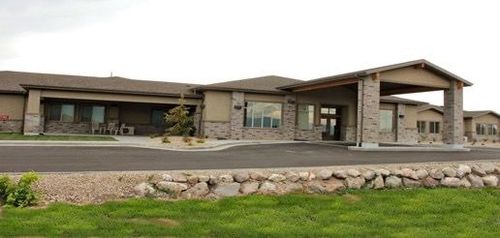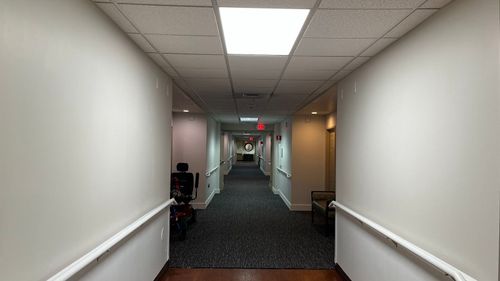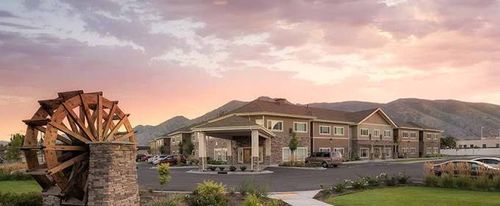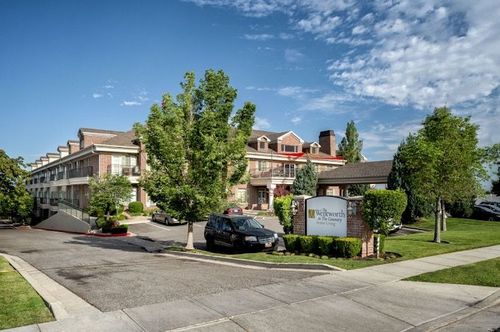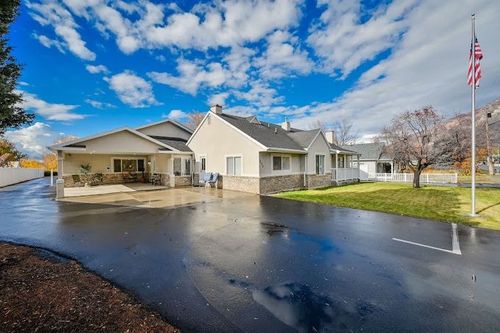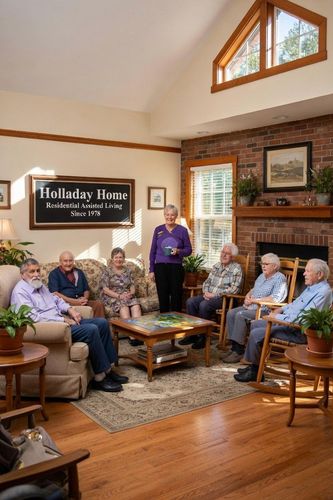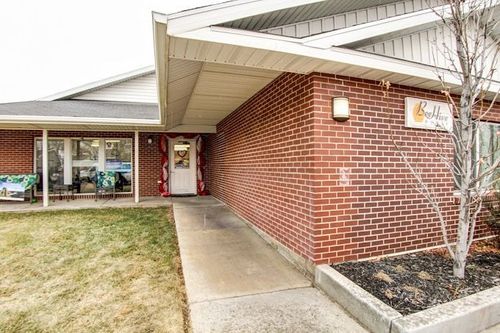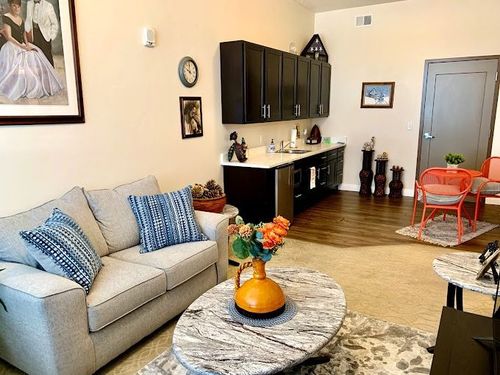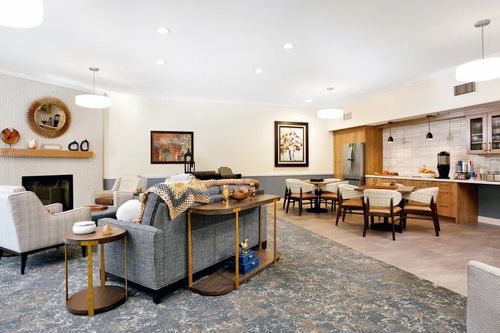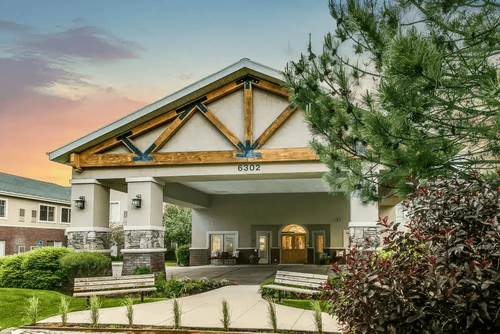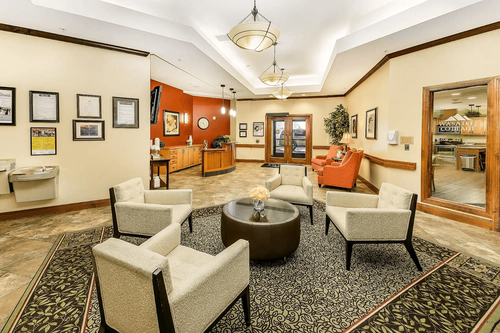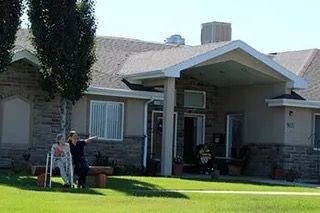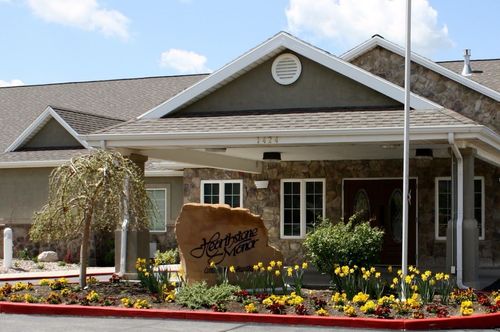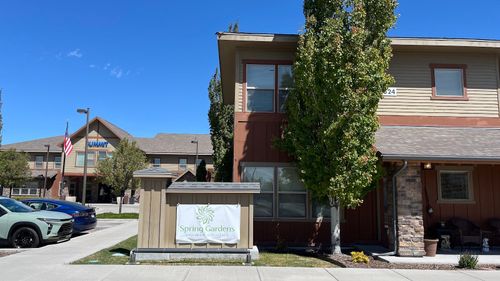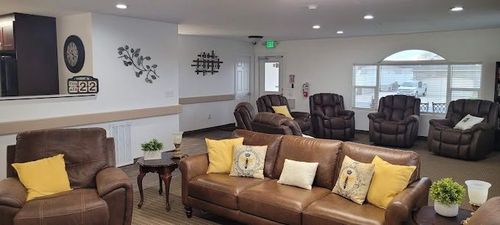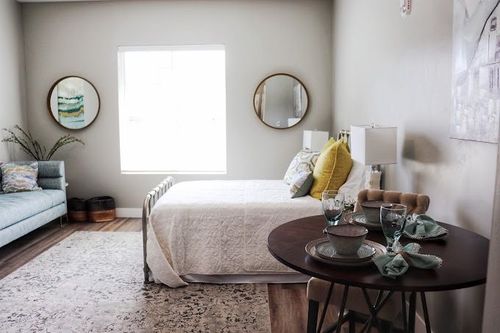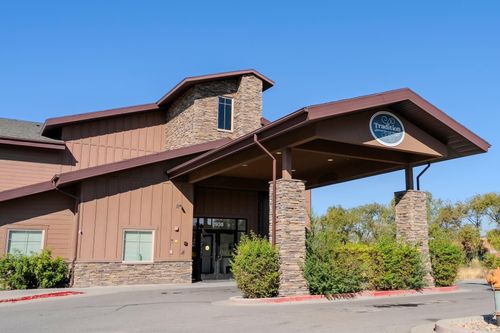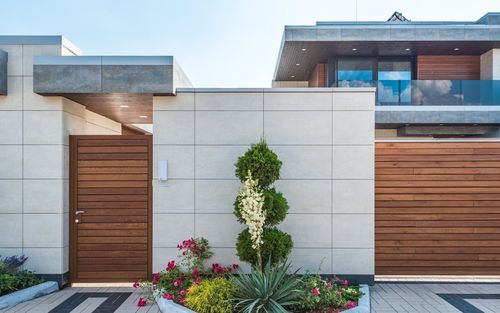

Medicaid-accepting senior living in American Fork takes one form at the moment, and it is the home-style kind. BeeHive Homes of American Fork runs as small residential houses on 200 South, where a dozen or so residents share a kitchen and a living room rather than a corridor in a larger building, with respite stays and memory care alongside the everyday assisted-living help. For now it is the 1 home in American Fork that accepts Medicaid, a different starting point than the bigger campuses a family might first picture.
Families look hard at a home this size when a parent would feel swallowed by a hundred-apartment building, or when a discharge from American Fork Hospital needs somewhere small and close to land. The Medicaid question arrives later, once private payment has worn through savings, and a New Choices Waiver approval is what keeps the move inside American Fork rather than out of reach.
What Medicaid Care Looks Like Inside a Small Home
Inside a home the size of BeeHive, the help the New Choices Waiver pays for, bathing, dressing, medication, and supervision, comes from caregivers who know every resident rather than from a rotating crew down a long hallway. Medicaid funds that care once a resident reaches a nursing-facility level of need, while the room-and-board share of the monthly cost is still paid from the resident's own income. A residential house like this also takes respite stays, a short booking that lets a family test the setting or cover a gap at home, though the waiver's long-term care funding runs to residents who qualify and live there rather than a brief respite guest. Memory care happens under the same roof here, not in a separate secured wing, which suits a resident in the earlier and middle stretches of dementia and is worth thinking through for someone who may later need a locked, specialized unit. The trade a small home offers is plain: fewer on-site extras than a large campus, but more individual attention and a quieter day, and the waiver covers the same hands-on care either way.
How a Small Home Prices and Where Medicaid Fits
A residential home does not always price the way a large community does, and BeeHive's posted starting figure sits around $5,075 a month for private-pay assisted living. The private-pay cost of assisted living in American Fork generally follows from $5,075/mo, with memory care close behind, and both sit near the Utah assisted-living median in the latest national cost-of-care data for 2026, below the national mark. For a resident who qualifies, the New Choices Waiver lifts the care-services portion off the monthly bill, leaving room and board to come from income with a small personal-needs allowance protected. Two gates stand between a resident and the waiver, one medical and one financial: a nursing-facility level of need, and in 2026 a single applicant held to a monthly income limit with a cap on countable assets, couples judged apart. Anything over the asset cap is spent down first, and Utah inspects the prior 5 years of asset transfers before approving, so getting the paperwork in order ahead of a move is time well spent.
One Medicaid Home in a Young, Growing City
American Fork's median age sits around 28, young enough that older adults are a small part of the picture, yet a tenth of the city, better than 3,300 residents, is past 65. Most of the senior living that serves them is private-pay, which leaves 1 home accepting Medicaid in a city of close to 38,000 people. The New Choices Waiver also funds a fixed number of slots across Utah, so when the local Medicaid option is a single small home, an opening depends on one of a handful of rooms turning over rather than a wide field of buildings, and that timing is the part a family cannot rush.
Why a Small-Home Move Stays in American Fork
Part of the pull to stay in American Fork is the hospital itself, since BeeHive sits minutes from Intermountain American Fork Hospital and the specialists a resident already sees, so a change in health does not mean a long drive or a new medical team. A small home adds its own reason to stay close: with a dozen residents instead of a hundred, the family tends to know the caregivers by name and notice changes early, and a resident keeps the neighborhood, the congregation, and the routines of a long American Fork life within reach. For a household weighing a Medicaid move, that blend of a familiar town and a home-scale setting often outweighs the savings a move somewhere cheaper might promise.
What an Advisor Watches at American Fork's One Home
With BeeHive standing as American Fork's only Medicaid-accepting home, the questions worth answering are few but they move quickly: whether the home has a waiver-funded room this month, whether a small-house setting suits the resident or a larger building would serve them better, and how the New Choices Waiver timing lines up with an American Fork Hospital discharge. An advisor who covers American Fork holds that read, and knows where else in the area the waiver is taken if BeeHive has no opening when a family needs one.
That honest range-setting is the real service when the local list is short, pointing a family toward the home if it fits and toward the right next option if it does not. Our American Fork list grows as we vet communities for 2026. Start with a call about Medicaid-accepting senior living in American Fork, or see the rest of the communities we have reviewed whenever it helps.