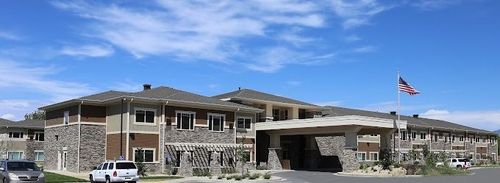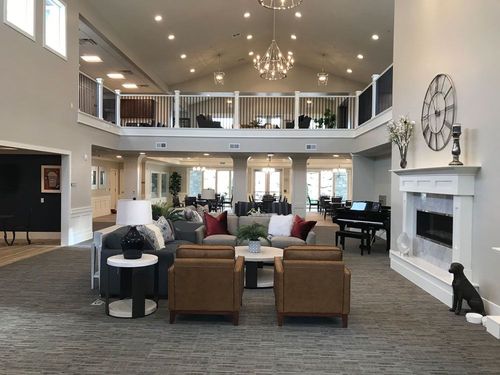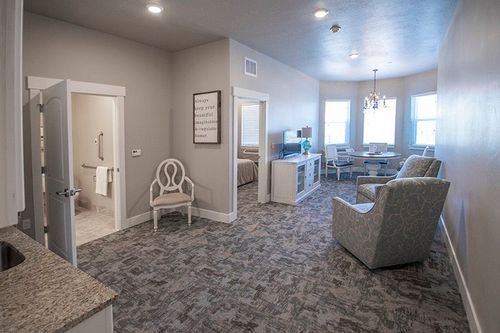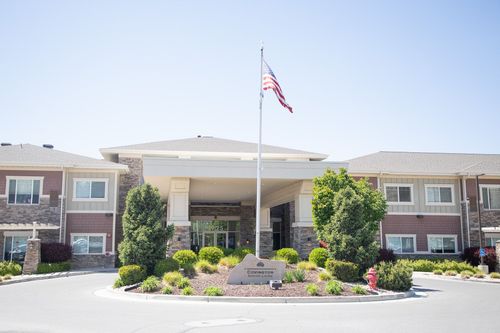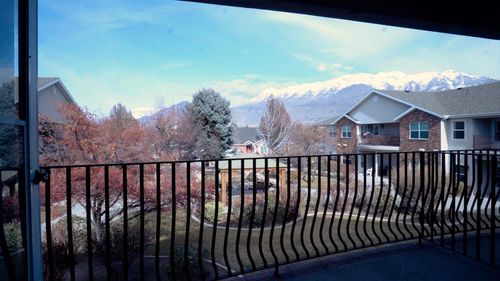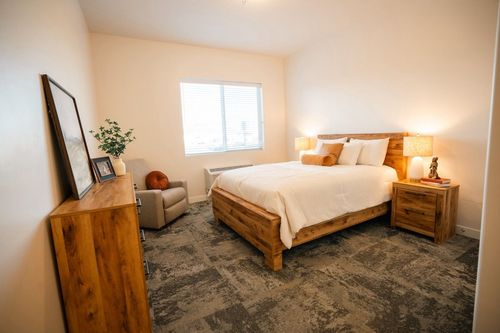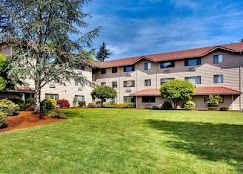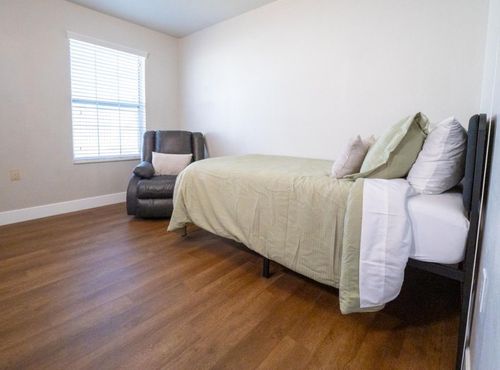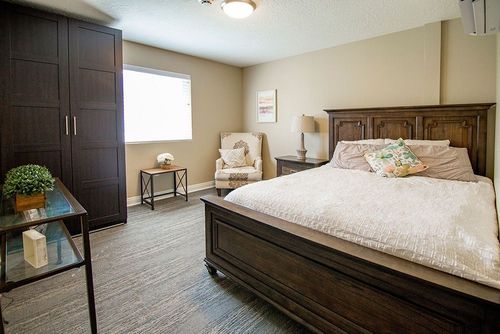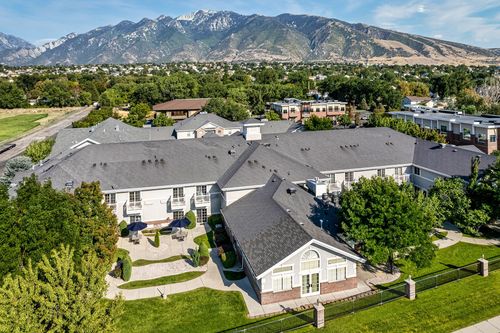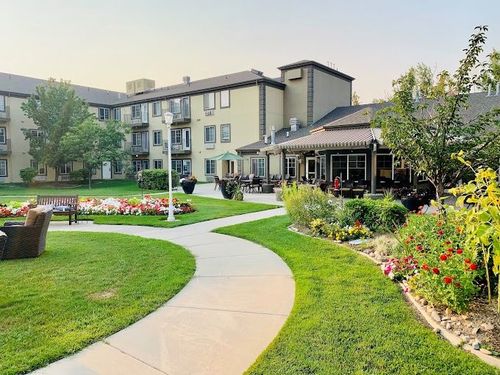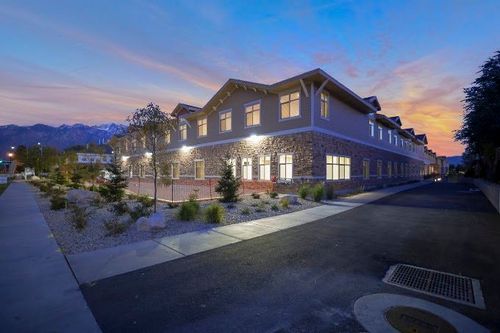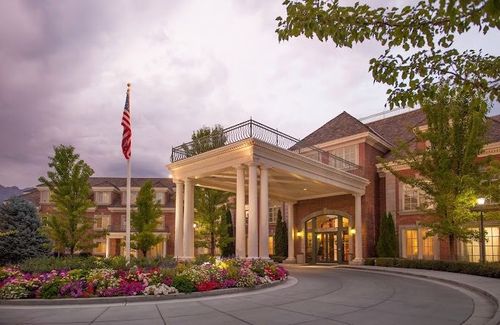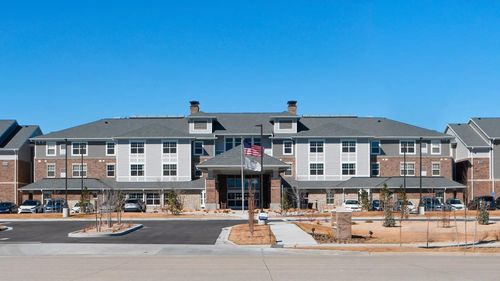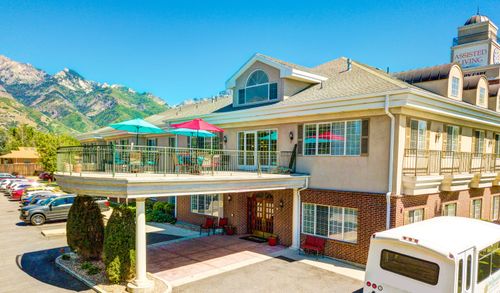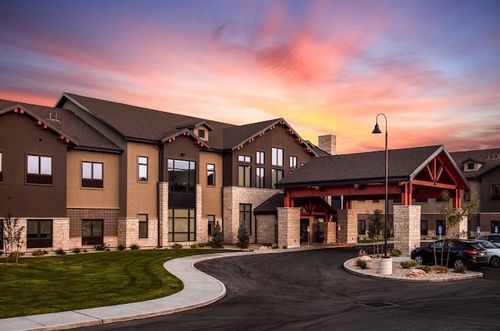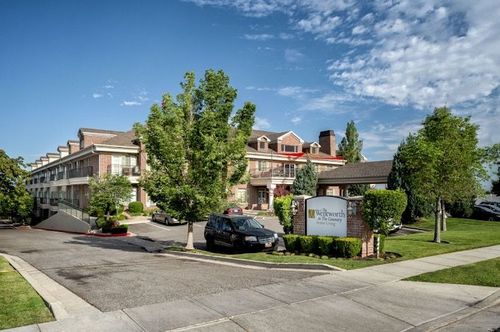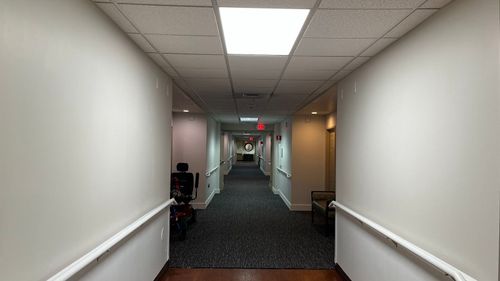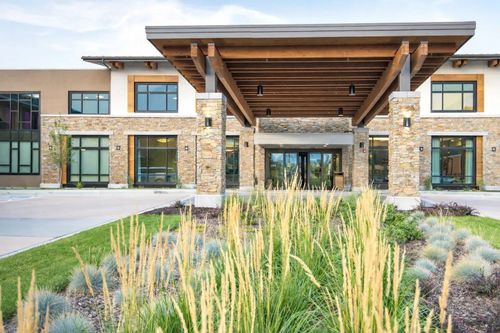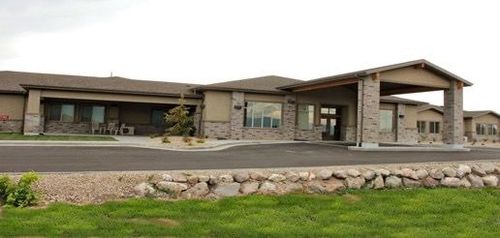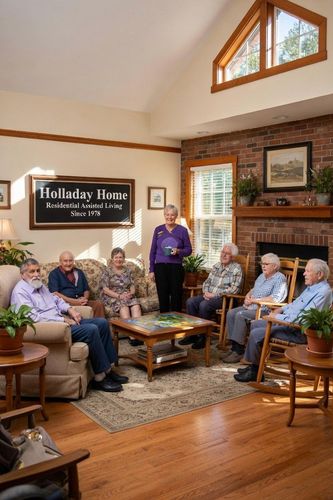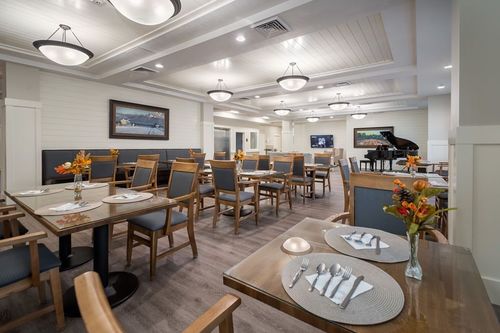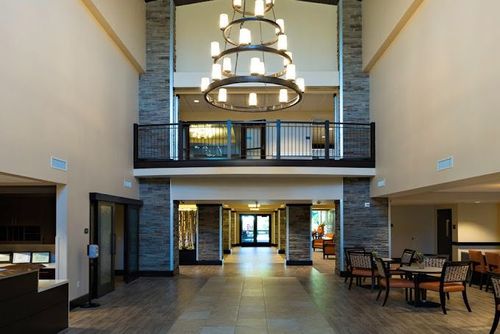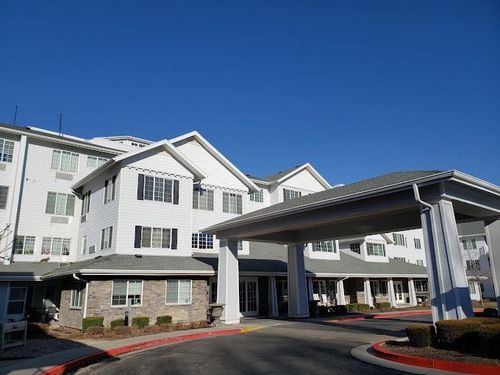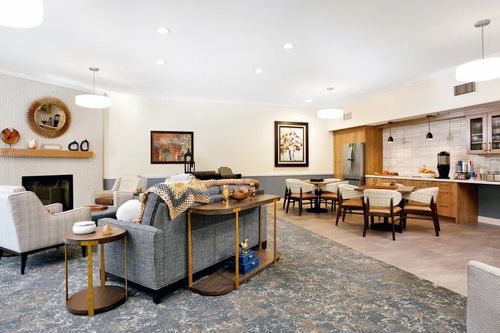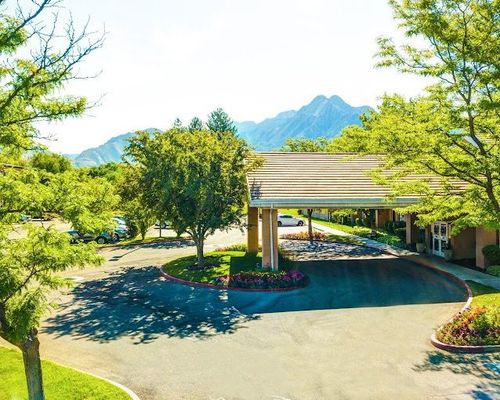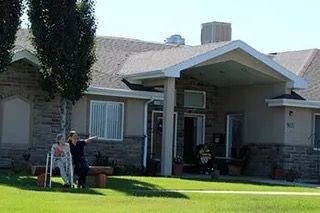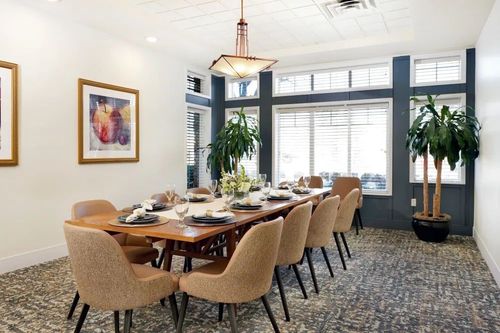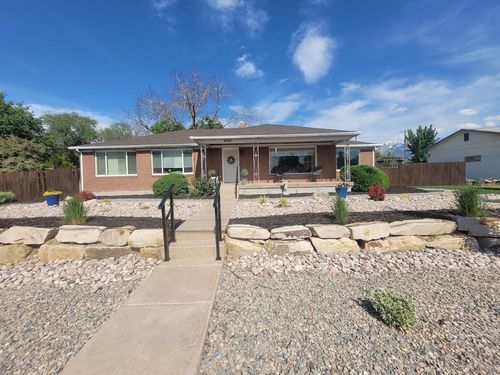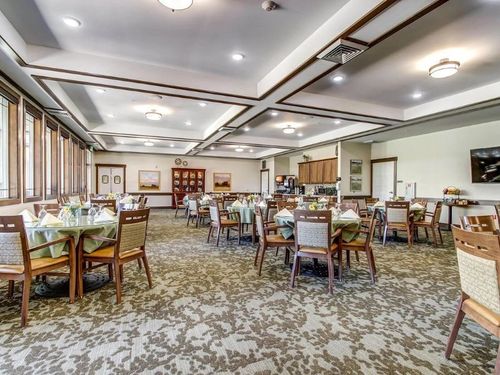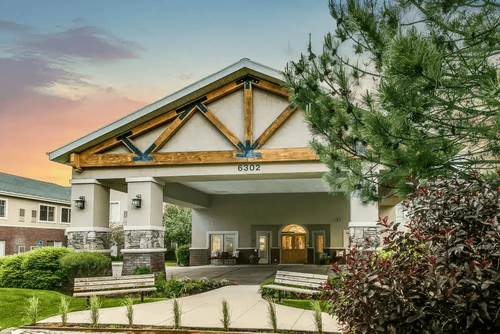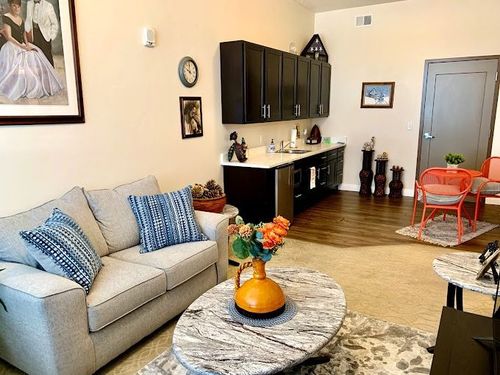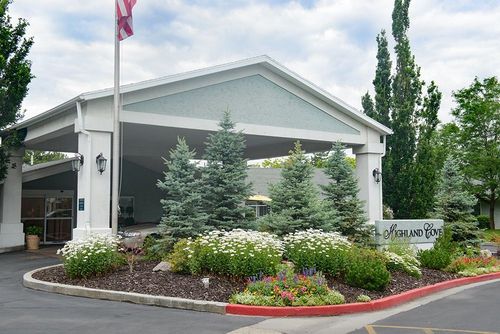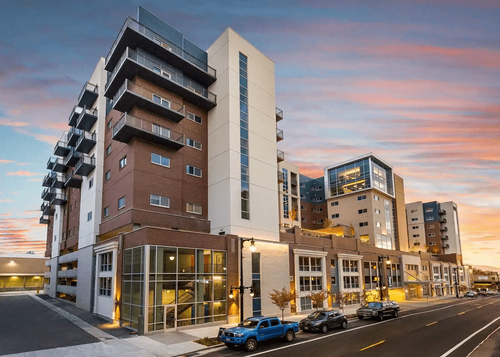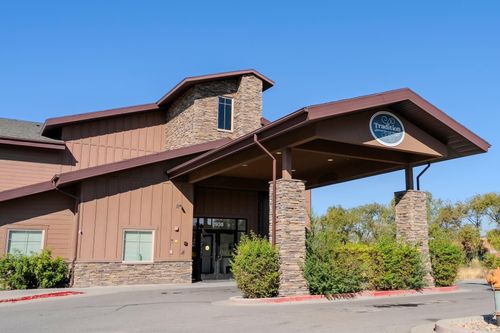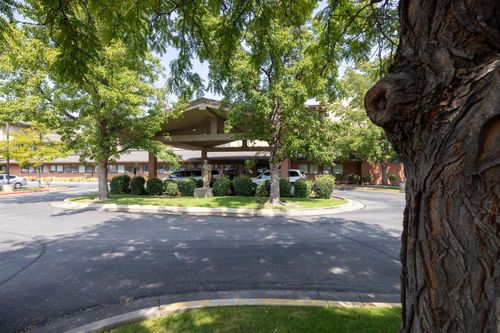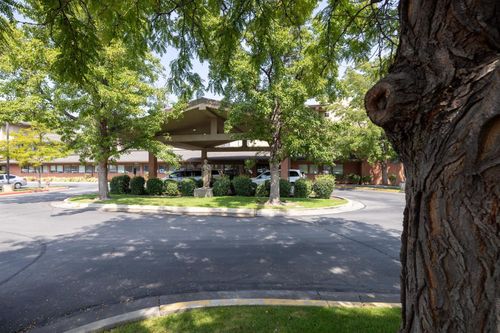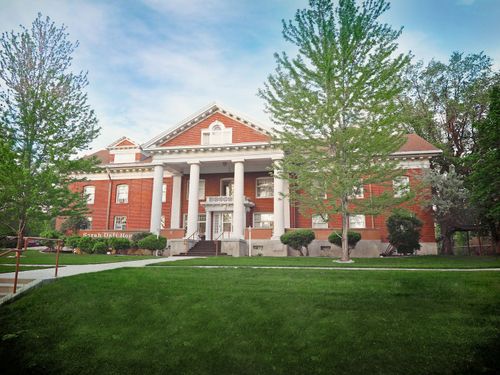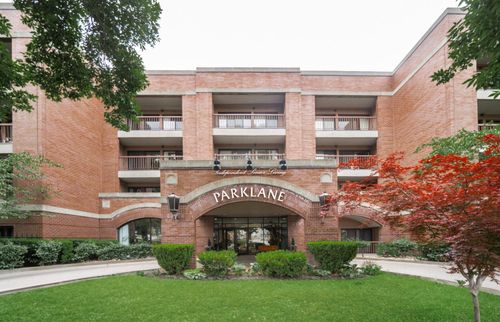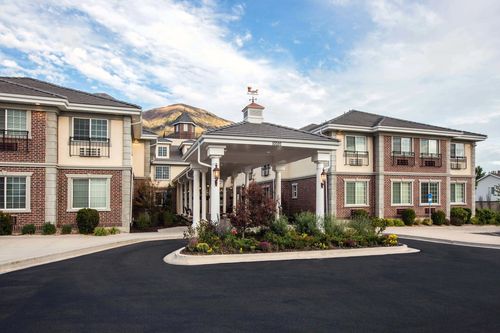

Cedar Hills is a young golf-course suburb on the bench above American Fork, the kind of place where the median age sits in the twenties and a senior-living search is usually a grown child looking to place a parent near where the family already lives. That search has a short, clear answer here: just 1 community in Cedar Hills, The Charleston off 4600 West, welcomes a resident's dog or cat. It is a single assisted-living building rather than a row of options, so the pet question is not which community but what The Charleston asks of an animal and its owner.
Most families in Cedar Hills arrive set on keeping the pet through the move. A dog that has learned the quiet streets and the trail along the old canal, or a cat that has claimed a sunny corner, is part of a parent's daily footing, and keeping it is the starting point. What the family weighs instead is narrower: the size The Charleston will take, what the pet adds to the rent, and where the dog gets its walk after the move.
How The Charleston Fits a Pet into the Building
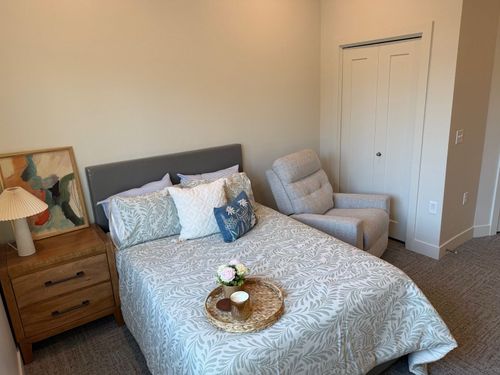
A single assisted-living building has to balance the residents who bring an animal against the ones who would rather not, and the pet policy is how The Charleston manages that. Pets are welcome here, but welcome comes with the usual specifics: a size or weight the building will take, one pet or sometimes 2, current vaccinations, and an animal that is house-trained and settled around strangers. The Charleston does not lay out those limits in detail publicly, so the size cap and the exact deposit are worth confirming with the community before a dog becomes part of the plan.
Day to day, the animal stays the resident's responsibility, fed and walked and cleaned up after, with a named family member as backup and a plan for who steps in during a hospital stay. Leashing in the hallways and shared rooms is standard courtesy in a building where not every neighbor wants to meet a dog at the elevator. Because The Charleston is assisted living rather than a secured memory-care setting, the harder pet-in-memory-care question does not arise here, which keeps the conversation about size, deposit, and daily care rather than safety locks and wandering.
What an Apartment Costs, and What the Pet Adds
Assisted living at The Charleston starts around $4,775 a month, with the rate rising from there as a resident's care needs grow. That figure makes the pet a minor line by comparison, a move-in deposit and a per-month pet charge rather than anything that reshapes the bill.
The deposit is usually a few hundred dollars, returned at some buildings and kept at others, so ask which it is before signing, and the monthly pet charge tends to be modest. One category sits outside all of it: a trained service animal isn't classed as a pet under fair-housing law, and for now an assistance animal with paperwork is treated the same way, so neither the deposit nor the monthly charge attaches to either, though the resident remains responsible for anything the animal damages.
One of Utah's Younger Towns, and Its Few Pet-Owning Seniors
Few Utah towns run younger than Cedar Hills, where the median age sits around 28 and barely 1 resident in 12 has passed 65, perhaps 800 older adults out of a town of roughly 10,000. Older adults own pets at close to a 50-50 rate nationally, which would put maybe 400 Cedar Hills seniors with a dog or cat, a small group but an attached one. With a single pet-welcoming community in town, the practical limit is less about competition for rooms than about whether The Charleston's size and care fit a particular resident and animal. The bench-top streets and the flat Murdock Canal Trail make a daily walk easy through the warm months, with the snowy weeks favoring the cleared, level paths over the slopes.
Why Cedar Hills Holds a Pet and Its Owner
Cedar Hills threads a trail system between its parks, its golf course, and the paved Murdock Canal Trail, and that connected green is much of what a dog owner keeps by staying in town. A move to The Charleston lands a resident in the middle of it, within a short walk or drive of the same routes the dog already knows, the same vet down in Pleasant Grove, and the same neighbors. There is no off-leash dog park in Cedar Hills, so the walks are leashed, but the canal trail runs flat and paved for miles, which suits an older owner and an older dog better than a steep climb would. Research on healthy aging keeps tying a steady pet to calmer, steadier days, and keeping the dog in the town that already holds the walk is the simplest way to protect that.
Where an Advisor Helps in a One-Community Town
Cedar Hills offers one pet-welcoming community, so the work is not comparing buildings but confirming whether The Charleston fits the resident, the budget, and the animal at once, and that is what a local advisor does first. The size The Charleston will take and the current deposit are not on its public pages, so the advisor gets them straight from the community, along with how the pet charge stacks on top of the assisted-living rate. The advisor also weighs the quieter fit: whether a particular dog suits a building with no on-site dog run, and how far the canal trail and the Pleasant Grove vet sit from the door.
That turns a one-community town into a clear decision, and a plan for the animal if anything needs sorting first. Our Cedar Hills listing stays current through 2026, and the pet specifics are where the decision turns. Let's talk it over about bringing a dog or cat to The Charleston once you know its size and your budget, or see the homes on our list at your own pace.