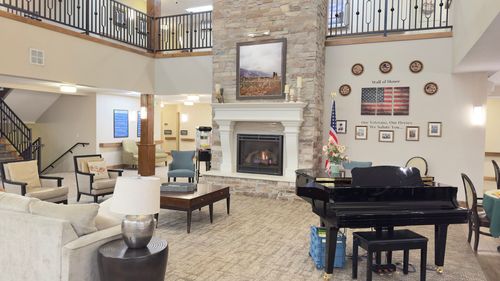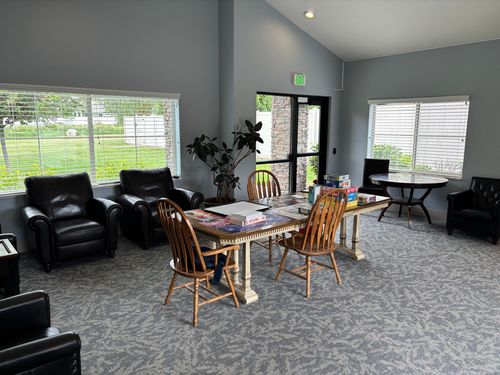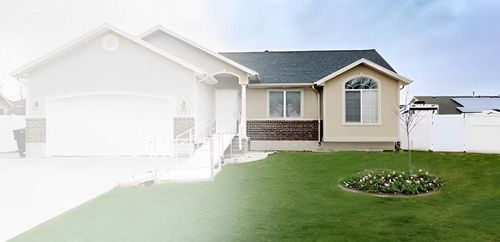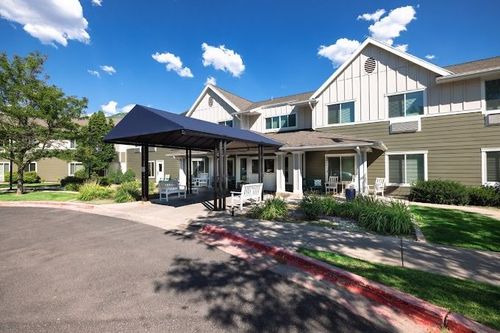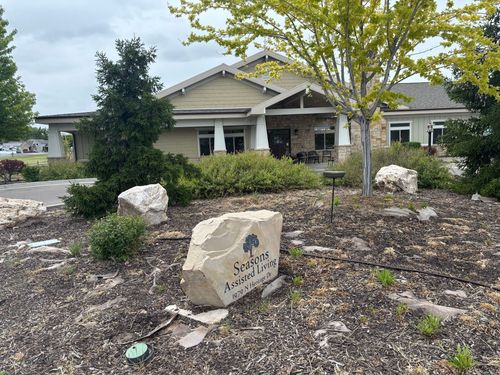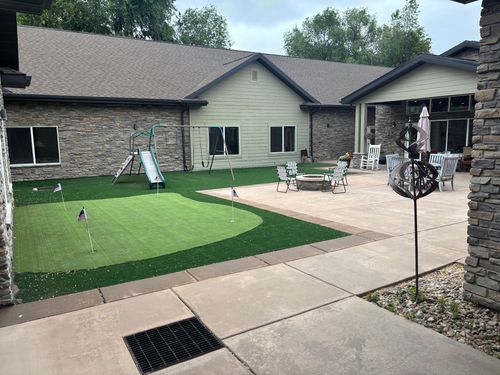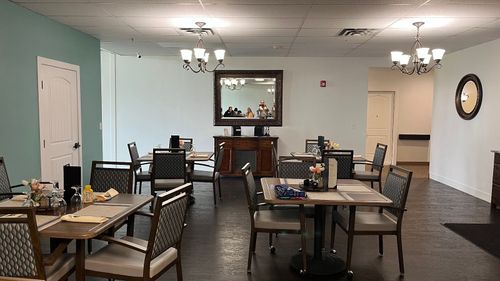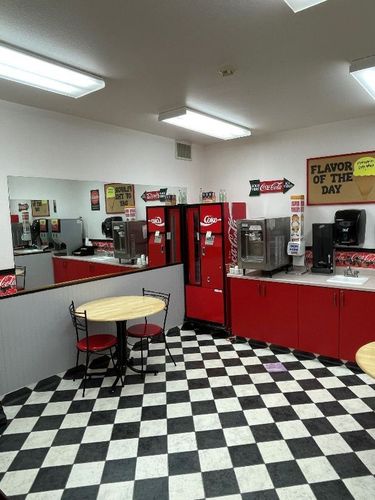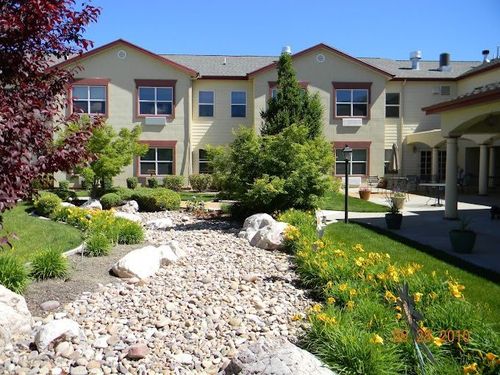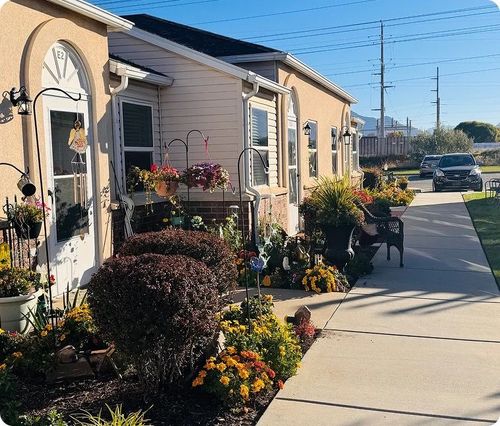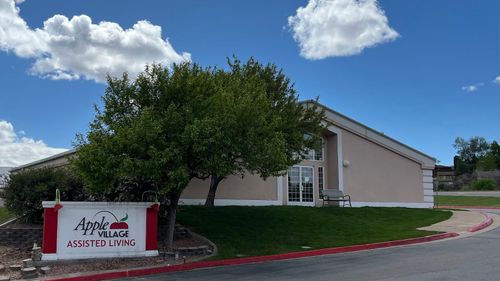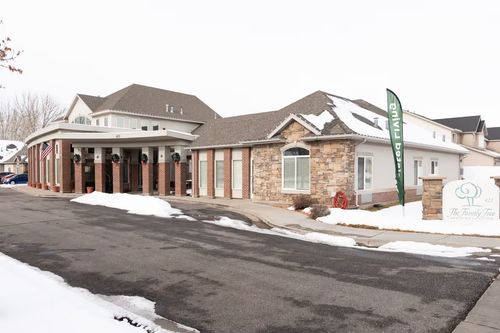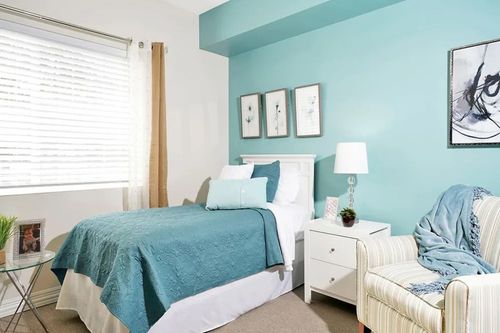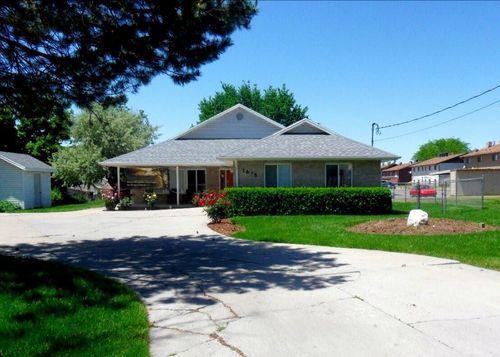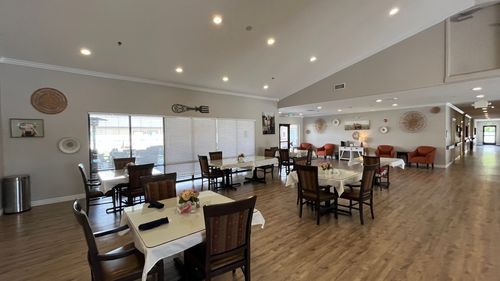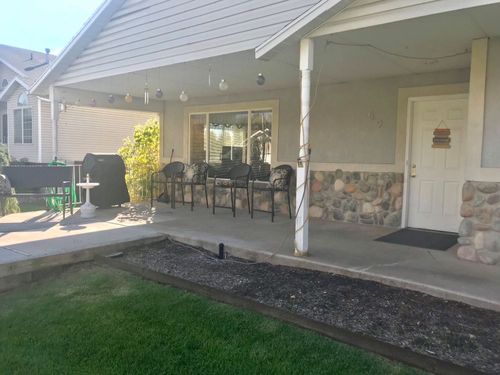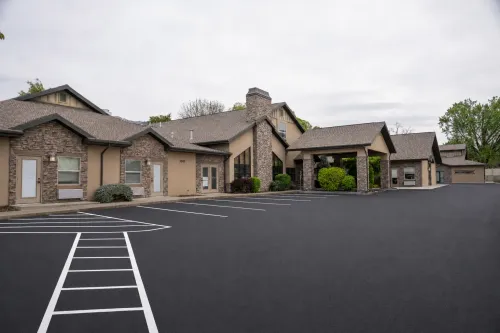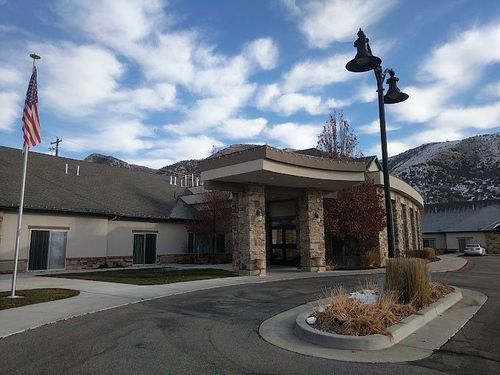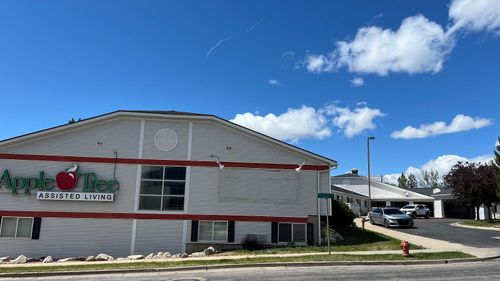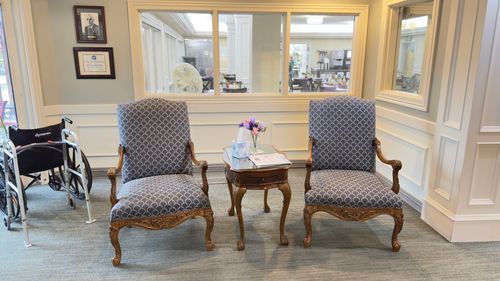

In a college town where seniors are a small slice of the population, Logan's Medicaid-accepting senior living runs through one long-standing nonprofit, the Sunshine Terrace Foundation, which has cared for Cache Valley's older residents since 1947. Its assisted-living arm, Terrace Grove on 200 West, is the community that currently accepts Medicaid, and it sits on a campus that also holds a skilled-nursing and rehabilitation center under the same nonprofit.
Families usually look here once the monthly cost of care climbs past what a fixed income covers, and the New Choices Waiver is what keeps a longtime Cache Valley resident in the valley rather than moving them away for something cheaper. Most arrive needing assisted-living help, and some already looking ahead to the heavier nursing care the same campus can provide.
One Nonprofit, From Assisted Living to a Medicaid Nursing Bed
What sets the Logan option apart is range: Terrace Grove provides the assisted living, and the same foundation runs a skilled-nursing and rehabilitation center on the campus, so the two main ways Medicaid pays for senior care sit side by side under one nonprofit. On the assisted-living side, the New Choices Waiver covers the cost of care, the help with bathing, dressing, medications, and daily support, for a resident who reaches a nursing-facility level of need. The waiver leaves the housing share of the rent to the resident, paid from income, and it does not reach independent living, which has no care for it to fund.
The nursing side works differently: skilled-nursing care, the round-the-clock medical level, is paid by traditional Medicaid, and that coverage takes in room and board too, for residents who clear the financial and medical tests. Having both on one campus matters in practice, since a resident who enters Terrace Grove for assisted living and later needs nursing care can move to the higher level without leaving Sunshine Terrace or the people who already know them.
What Terrace Grove Costs, and the Two Ways Medicaid Helps
At around $4,150 a month, Terrace Grove's assisted-living rate sits near the lower end of the Cache Valley private-pay range, which from $4,150/mo, a reflection of the foundation's nonprofit mission rather than a teaser rate. For a family paying privately, that figure is close to the whole bill, while for a resident on the waiver, Medicaid steps in for the care-services portion and the resident covers the room-and-board share out of income, trimmed to leave a small personal-needs allowance.
The eligibility tests are the same ones that apply statewide: a resident has to need the level of care a nursing facility gives, and Utah generally expects an applicant to have lived a year in a licensed assisted-living residence, or spent about 3 months in a nursing facility, before the waiver opens. As of 2026, a single applicant has to stay under the state's countable-asset limit and its monthly income cap, while couples follow their own rules. The skilled-nursing side carries its own financial review, and because it is institutional Medicaid rather than the waiver, room and board come inside the coverage there.
Few Seniors, One Waiver Building in a Valley That Skews Young
Logan skews young, with Utah State University pulling the median age down toward the early twenties and residents past 65 making up well under a tenth of the city. Cache Valley as a whole runs only slightly older, an agricultural region of small towns where most families care for aging parents at home for as long as they can.
That keeps demand for Medicaid-funded senior care modest, and it is part of why one campus carries it. Because the waiver allows only a limited number of slots across Utah, an open waiver-funded room is not promised even after a resident qualifies, and availability at Terrace Grove moves over the course of a year.
Why Cache Valley Families Keep Care in the Valley
Keeping care in the valley means something specific in Logan. Because Sunshine Terrace runs a full continuum, a resident can move from assisted living to rehabilitation to skilled nursing without leaving the campus or the staff who have come to know them, and a family is not forced to start over at a new building each time needs change. For an older resident with decades of roots in Cache Valley, that continuity holds real weight.
The practical side reinforces it: a community in the middle of Logan keeps a resident near the same doctors at Logan Regional, the same congregation, and the family who never left the valley, so the visits that anchor a person keep happening, and when Medicaid makes that local Logan setting affordable, staying close is rarely a hard call.
How an Advisor Reads Logan's One Medicaid Campus
On a Logan Medicaid search, the questions are practical: whether Terrace Grove has a waiver-funded assisted-living room open, and whether a resident is closer to needing the skilled-nursing side of the same campus. A local advisor keeps a current read on both, understands how the New Choices Waiver and institutional Medicaid each work at Sunshine Terrace, and can line that up with a discharge from Logan Regional Hospital when a hospital stay sets the timing.
Our list of Cache Valley communities grows as we review more through 2026. When you want to think it through with someone, start the conversation about Logan's Medicaid options, or see the Cache Valley communities we have reviewed so far.