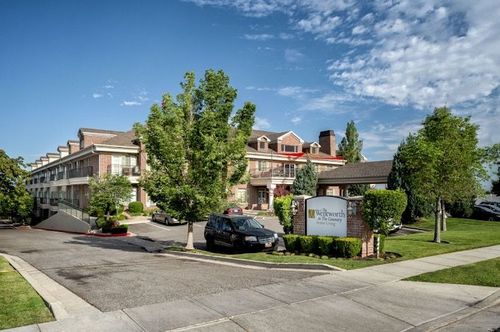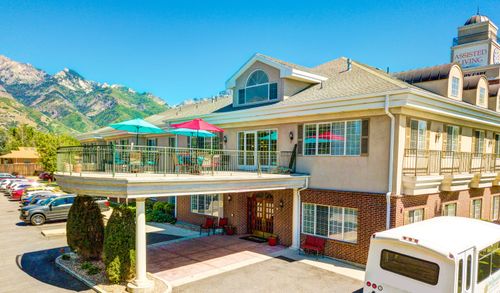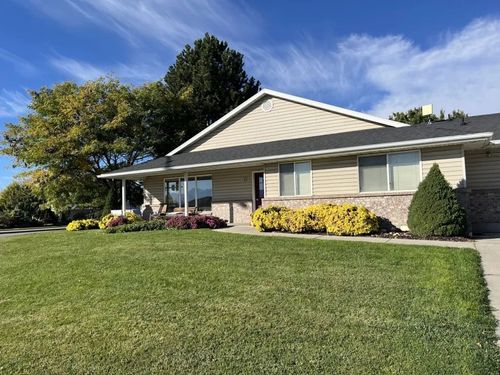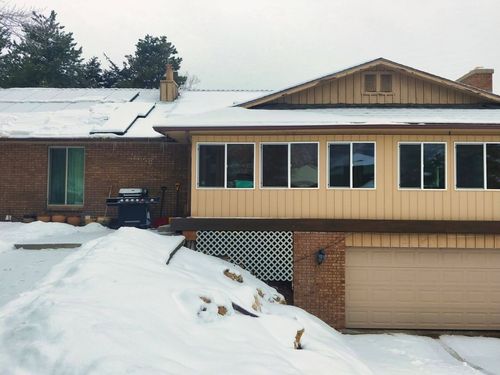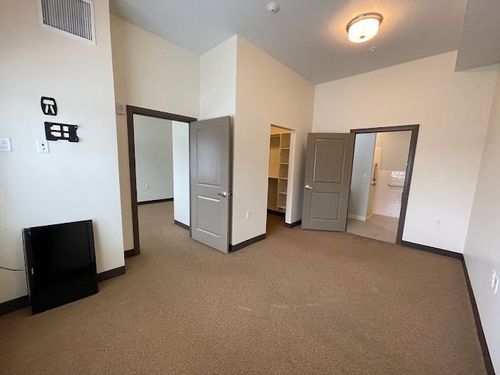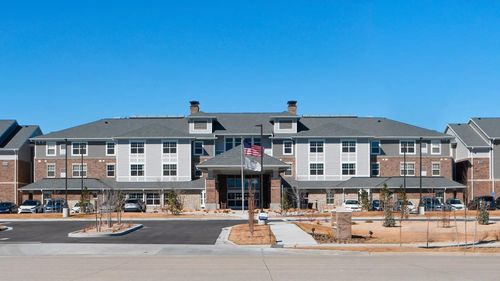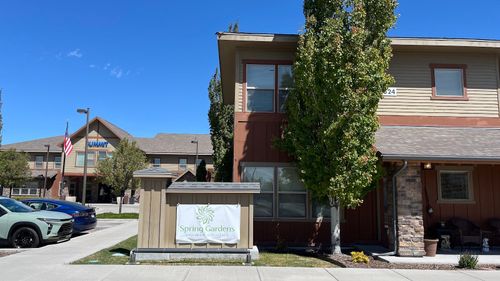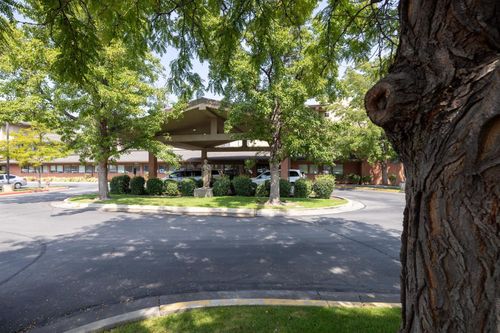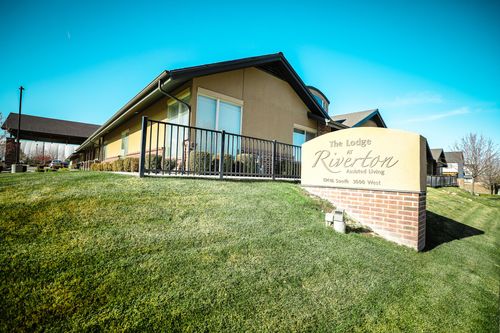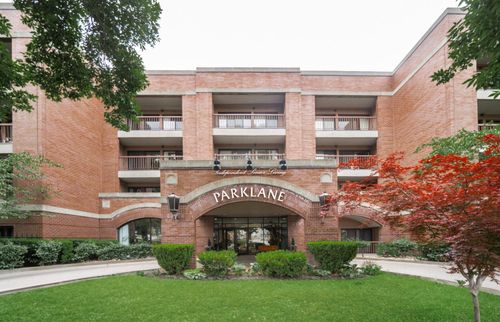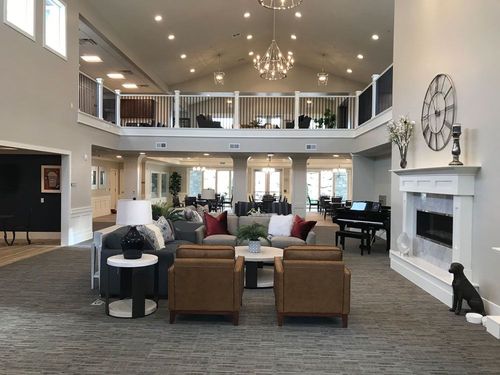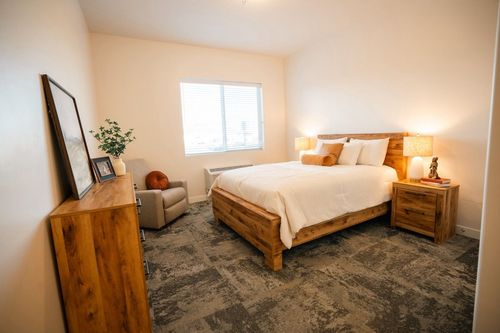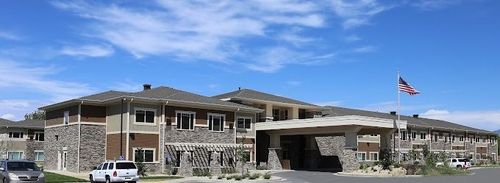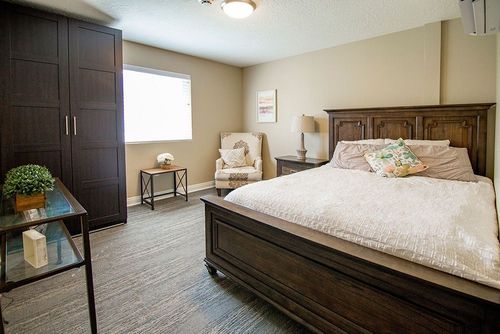
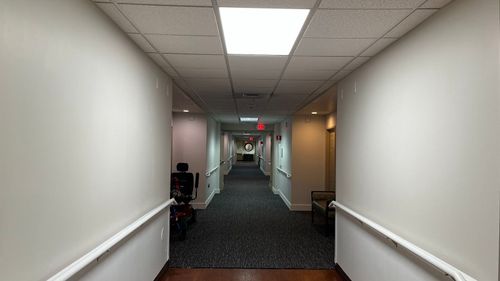

Midvale keeps its pet-friendly senior living to two larger campuses on opposite edges of town, and the whole local set, 2 communities, welcomes a dog or cat. The Valencia sits on Union Park Avenue at the city's east edge, near the medical offices off Fort Union Boulevard, while Spring Gardens stands off 700 West toward the Jordan River, so neither corner of town forces a resident to choose between the move and the animal.
That matters because a Midvale family rarely treats the pet as negotiable. The dog that has shared a fixed-income household for years, or the cat that came along when a spouse passed, is part of the daily structure a move is meant to steady, not unsettle. With only two communities to weigh, the work is less about finding one that allows pets and more about which of the two suits the animal, the budget, and the care a resident needs.
What a Pet Needs to Move Into Midvale
Both Midvale communities start from the same baseline a shared building requires: a pet current on its shots, house-trained, and calm enough to pass a neighbor in a hallway, with the larger or livelier dog the one a building weighs hardest. The Valencia and Spring Gardens each set their own ceiling on size, so a bigger dog is where the two buildings can diverge, with the apartment a resident takes and the residents next door both factoring in.
The Valencia welcomes dogs and cats among its assisted-living, independent-living, and memory-care offerings, and Spring Gardens does the same on its assisted-living and memory-care side, though how far that welcome reaches into the secured memory-care neighborhood is a question for each building rather than a given. The posted policies stop at welcome or not, so the number of pets allowed, the size ceiling, and the fees live with the community. Whatever the building, the animal's daily care, the feeding, the walks, the cleanup, stays with the resident or a named stand-in, and naming that person before move-in is what keeps the pet covered if the resident is admitted to a hospital.
The Pet Line on a Midvale Bill
Care itself sets the Midvale rate, generally $4,200 to $4,500 a month in assisted living and higher for memory care, with the building and the level of support doing most of the moving. Beside that, the pet adds two small things: a one-time deposit taken at move-in, which one building may return and another may keep, and a recurring monthly charge in the low tens of dollars for the added upkeep an apartment with a pet takes.
Because neither figure is posted with much detail, the practical move is to ask each community for the deposit, its refund terms, and the monthly fee, and to get them in writing. One thing never carries a pet charge: a trained service animal, and in most situations a documented assistance animal, is exempt from the pet policy under fair-housing law, carrying neither a deposit nor a monthly fee, even if a resident still covers any harm it causes. And since some advertised Midvale rates reflect an independent-living or entry tier, a quoted number is worth checking against the care actually needed.
A Short List in a Younger Midvale
Midvale's small pet list traces back to its age profile: a city of about 36,000 that counts only around 3,500 residents past 65. A 2025 national poll on healthy aging put pet ownership among older adults near 46 percent, which would mean roughly 1,600 Midvale seniors with a dog or cat in mind when a move comes up. Both of the city's senior communities welcome animals, but two doors is still two doors, so a household with a large dog or a firm move-in date has little room to maneuver and does well to start early. The flat west-side streets and the long mild stretch of the Utah calendar at least keep a daily walk simple most of the year.
Where a Midvale Dog Walks
Midvale has no off-leash dog park within its own borders, but a dog is far from stuck. The paved Jordan River Parkway Trail runs the city's west side a short way from Spring Gardens, an easy flat walk for a resident and a leashed dog, and the fenced off-leash park in Sandy sits a few minutes south for the days an animal needs to run loose. A resident who has walked the river path for years keeps it after a local move, along with the same veterinarian and the same errands. The habit is worth protecting for more than sentiment: the same national poll found older owners tie a pet to a steadier daily purpose, more time outdoors, and more time in good company, the quiet structure an animal builds into a day. Keeping a Midvale move near the river path lets the resident and the dog hold onto the walks they already know.
Comparing Midvale's 2 Pet-Friendly Communities
With just two communities, a Midvale pet search is really a side-by-side: which of The Valencia and Spring Gardens will take a larger dog, whether either allows a pet on its memory-care side, and how their deposits and monthly fees compare once you actually ask. Those answers are not on the brochures, and they move as rooms open and management changes, so a current read saves a family the guesswork.
An advisor working Midvale carries that read: which campus has an opening that fits the animal, which is the better match for a resident's care level and budget, and what each truly charges once the pet costs are added in. As we keep reviewing Midvale communities through 2026, the pet details are where the choice between the two gets clear. Reach an advisor who works Midvale to weigh the two on the animal and the budget, or look over the homes we've already vetted whenever you're ready.