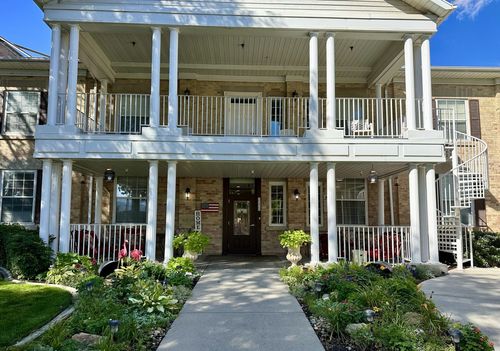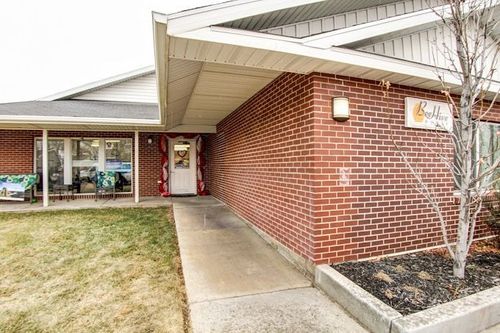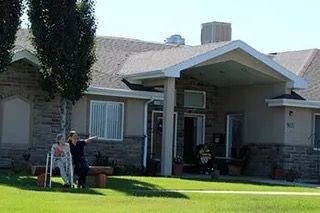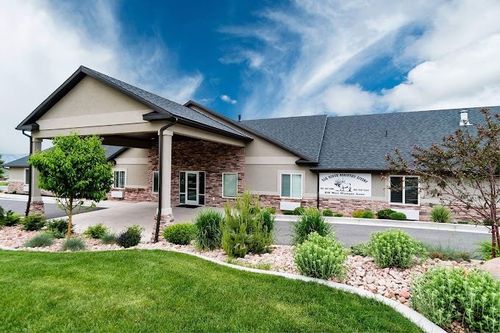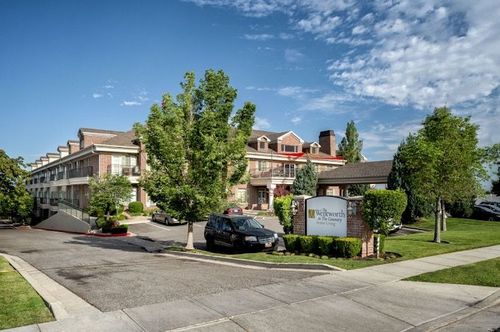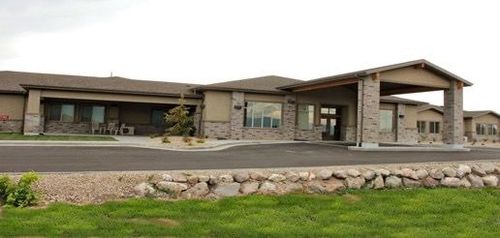

When the monthly cost of assisted living or memory care climbs past what a fixed income covers, Orem families look to Medicaid, and locally that search lands on a single home: Spring Hollow Assisted Living and Memory Care, a 32-bed residential setting on 800 East. Orem has just 1 community accepting the New Choices Waiver today, the program that can route Medicaid dollars to a qualifying resident's care instead of leaving a family to pay every dollar itself.
One waiver-accepting home in a city of nearly 100,000 sounds limited, and in a sense it is, yet a single residential setting can also simplify the decision: one place to tour, one waitlist to read, one set of openings to track. Most Orem families arrive here after months of private-pay care draw down savings faster than anyone planned, and the waiver is what keeps a resident in town rather than forcing a move out of the area.
How Spring Hollow Delivers Waiver-Funded Care
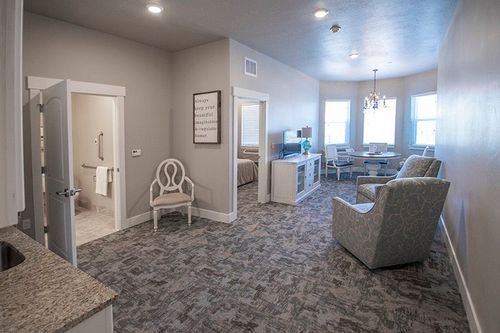
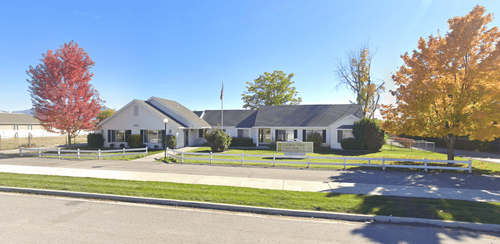
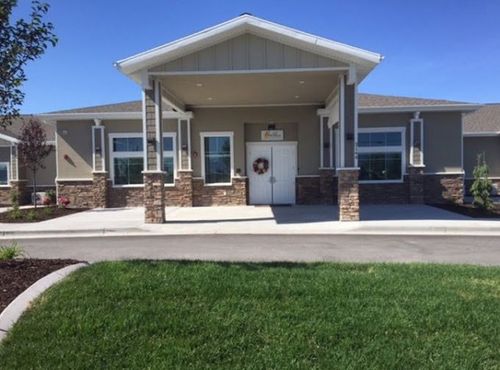
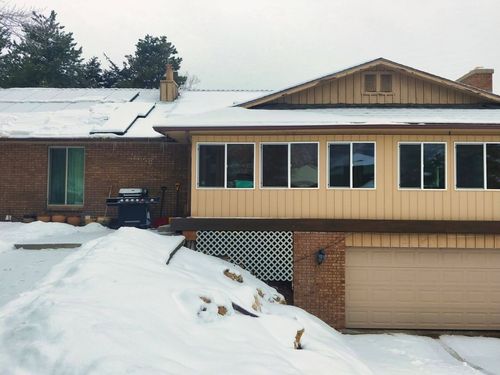
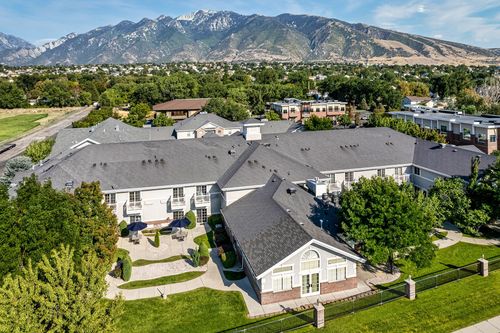
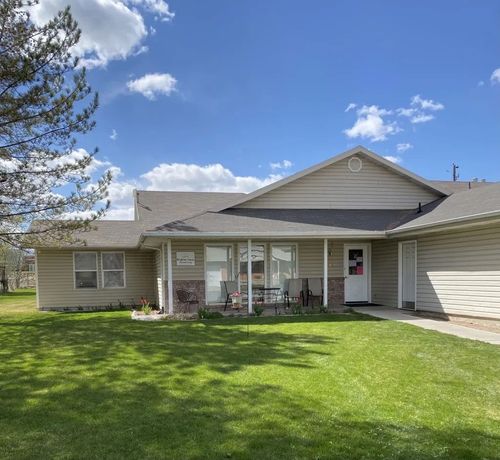
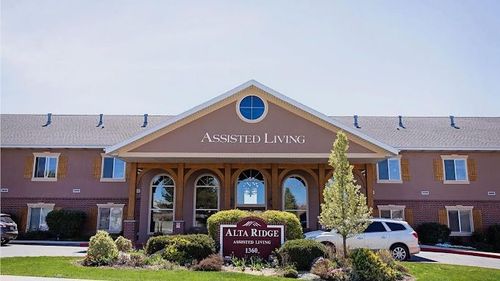
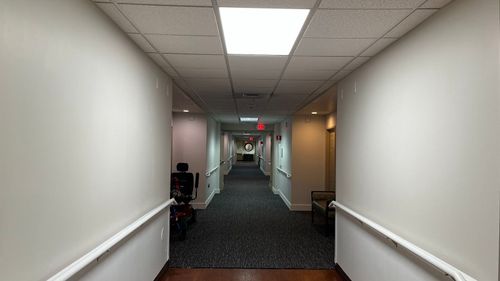
Spring Hollow is a residential, home-style setting rather than a large campus, so its roughly 32 residents live in a single house-scale community where caregivers know each person by name and pets are welcome to come along. Assisted living here means help with bathing, dressing, medications, and meals; memory care means a more structured, secured daily routine for residents living with dementia. Both are the kind of care the New Choices Waiver can pay toward.
What the waiver reaches is the care-services share of that stay, and only for a resident whose needs reach nursing-facility level and who clears the income and asset rules, so it does not make the Orem home free of charge. Room and board, the housing-and-meals side, is not something the waiver pays for, so a resident still covers it from Social Security or other income, while Medicaid takes on the hands-on care services instead. Because Spring Hollow runs assisted living and memory care rather than independent living, everyone living there receives the sort of care a waiver can reach. A family touring this one home is measuring it against a resident's needs and budget, not sorting through a dozen options, which is exactly why getting the waiver questions answered early pays off.
Affording Spring Hollow With and Without the Waiver
Privately, assisted living around Orem and Provo tends to land in the from $3,800/mo range each month. That sits well under the national figure in the latest cost-of-care data for 2026, and under the median Utah as a whole posts in the same survey. Memory care, given heavier staffing and a secured wing, often adds a noticeable amount to that monthly figure. Spring Hollow's listed starting rate of $3,800 sits toward the lower end of the range and usually stands for a base care level or a shared room, not a full private-pay charge.
For an Orem resident who clears the tests, the New Choices Waiver narrows that bill sharply. Utah's long-term-care Medicaid holds one applicant to a monthly income limit and a countable-asset limit as of 2026, on top of the medical gate of needing nursing-facility-level care. Clear all of that, and Medicaid takes on the care charges at Spring Hollow while the resident keeps paying the housing-and-meals piece from income, since the waiver does not cover room and board. That division, care handled but not housing, is the detail Orem families most often misjudge the first time they hear the word Medicaid, and sorting it out before touring Spring Hollow keeps the budget talk grounded.
One Waiver Home for a City of Nearly 100,000
Orem runs younger than the country overall, shaped in part by Utah Valley University, with around one in 10 residents past 65, a larger senior share than neighboring Provo yet still under the national figure. That mix, a sizable city with a relatively young population, helps explain why a single local home carries Medicaid acceptance.
The need for waiver-funded care is real but spread across few rooms, so an opening at Spring Hollow can surface and fill without much warning. With no second waiver-accepting home in Orem to lean on while a room frees up, timing becomes the question that decides everything.
Roots, Wards, and the Pull to Stay in Orem
Spring Hollow sits in the heart of Orem, close to Orem Community Hospital and Utah Valley Hospital just south, so a longtime resident keeps the medical team that already holds their history rather than starting fresh with a new one. The pharmacist who knows the prescriptions, the friends a few streets over, and the ward attended for decades stay in place too, none of it undone by the move.
Adult children and grandchildren still in the area can reach the home on a weeknight without rearranging a day. Families sometimes assume a Medicaid move means leaving for a cheaper market, but keeping a resident in Orem, near the people who visit most, holds a value that is easy to overlook and hard to win back once it is gone.
Getting the Most From Orem's One Waiver Home
A single Medicaid-accepting home in Orem turns the search into a timing problem rather than a choice among buildings. The work is watching when Spring Hollow opens a waiver-funded room, reading where the waitlist truly stands, and lining up the New Choices Waiver application so a resident is ready the day a bed comes free. The advisor also knows whether this home takes a resident on Medicaid from the start or only after a private-pay stretch.
When Spring Hollow has nothing open, the right next step is a calm conversation about what the waiver allows, not a scramble across town, and an advisor can lay out those options without sending a family out of the area on a guess. Talk it through with someone who tracks Orem's Medicaid options, or scan the communities we've checked when you have a moment.