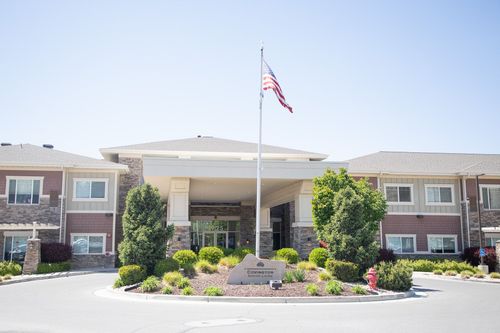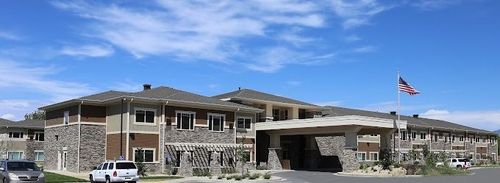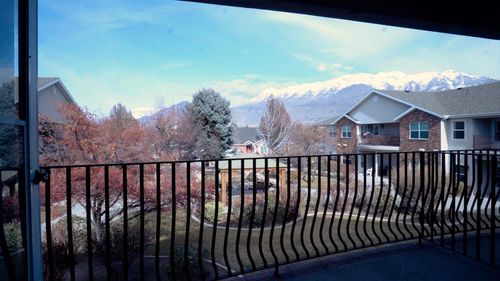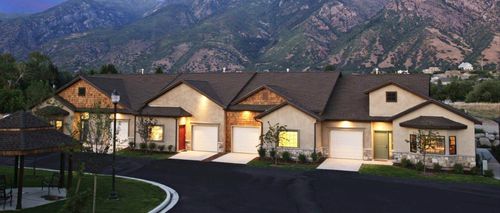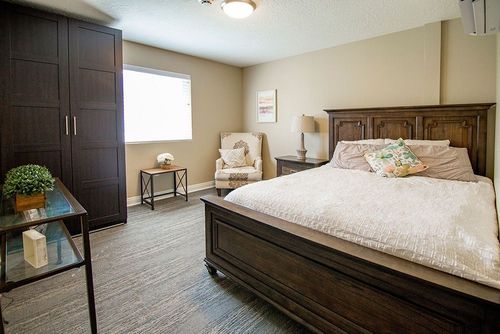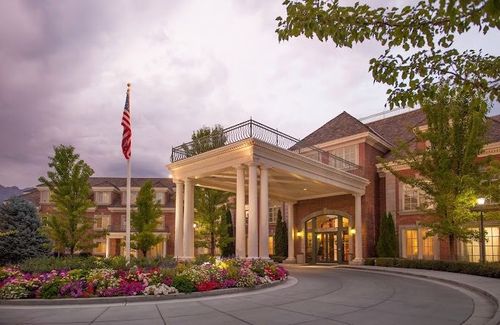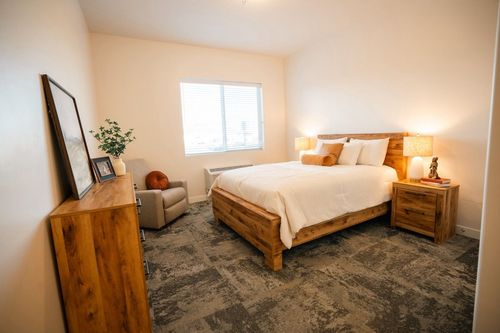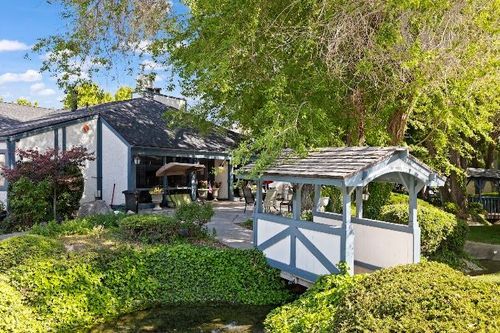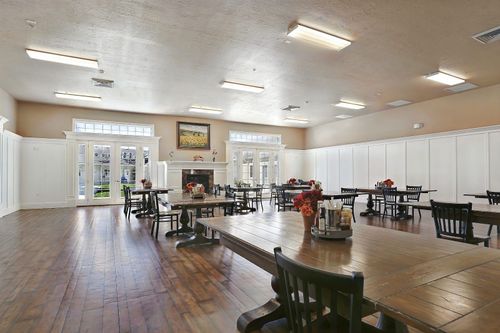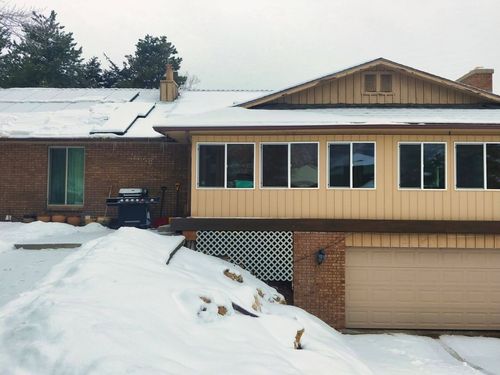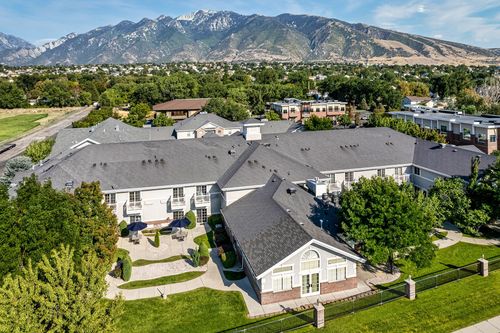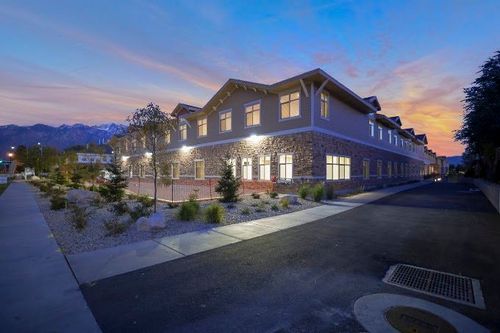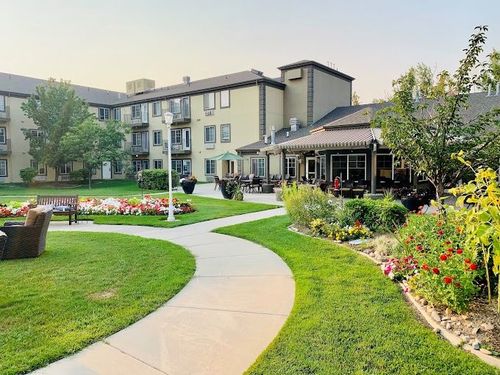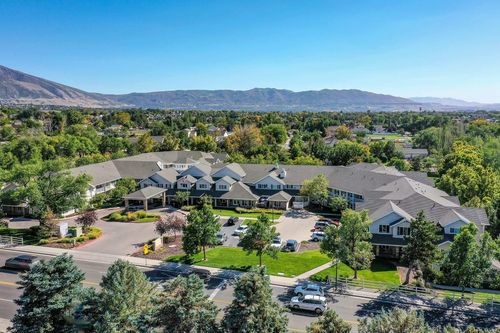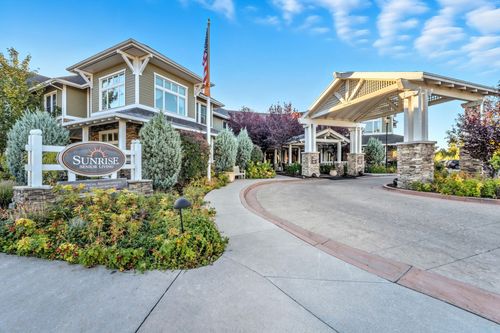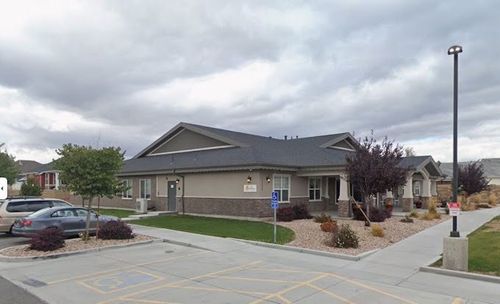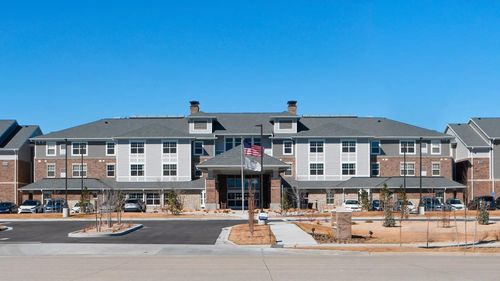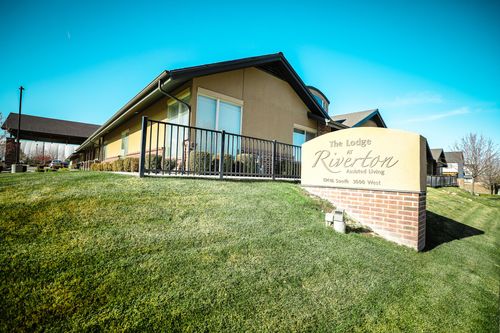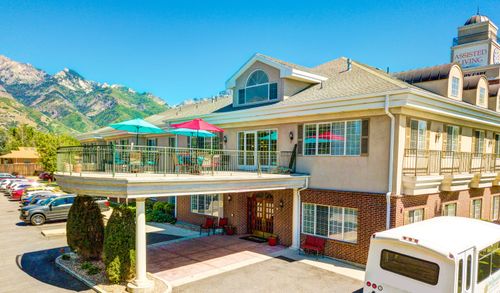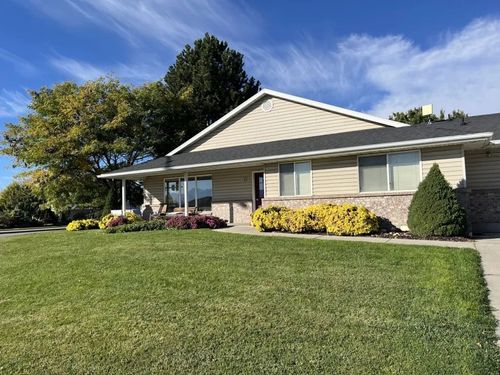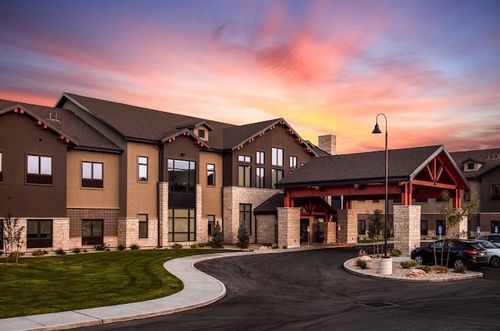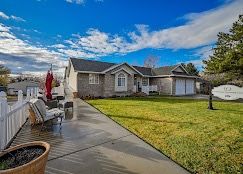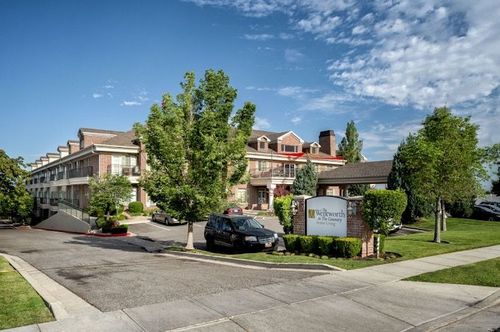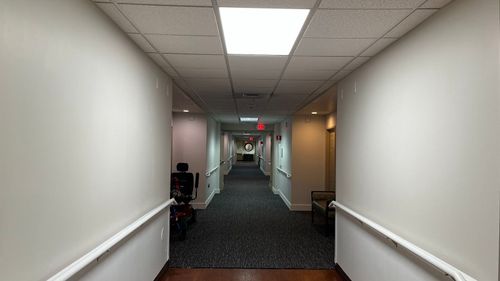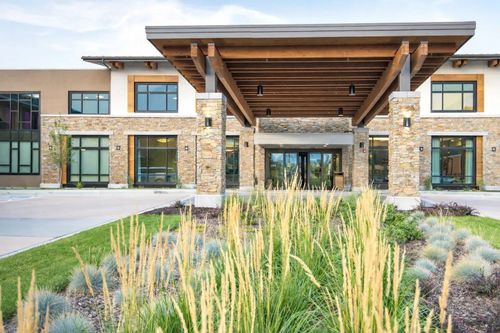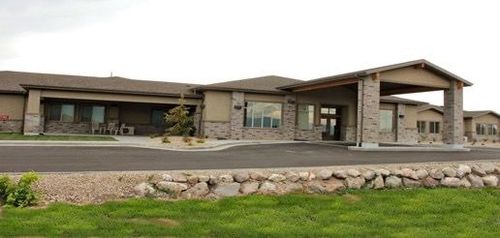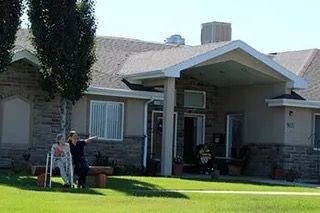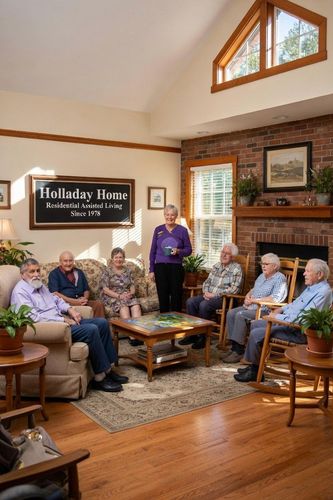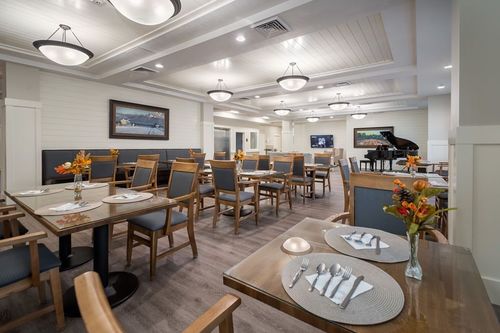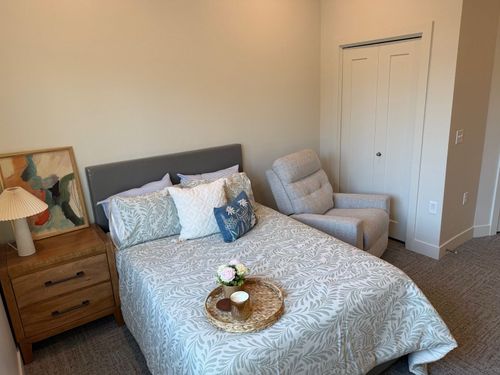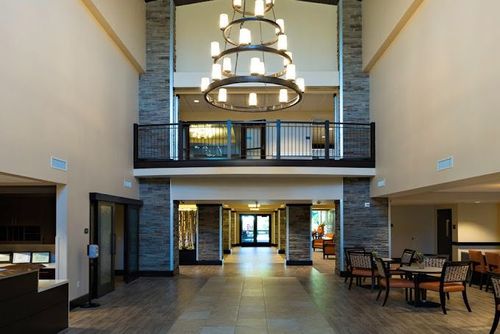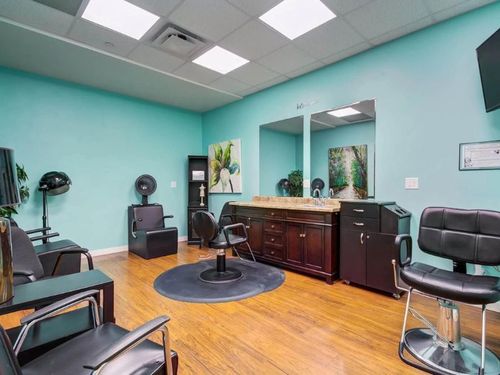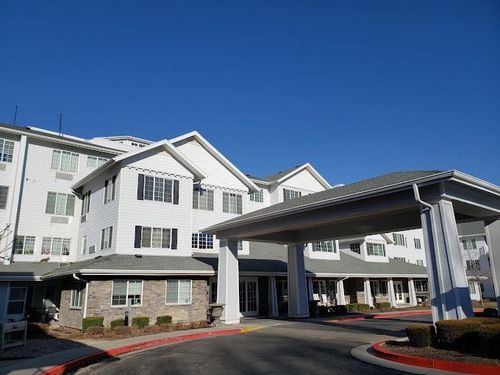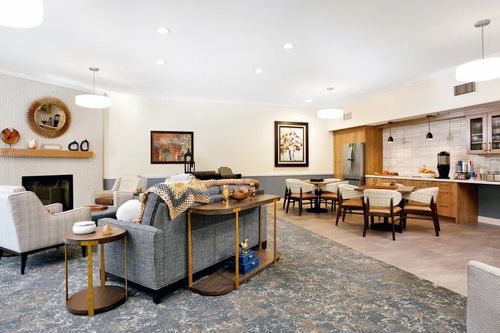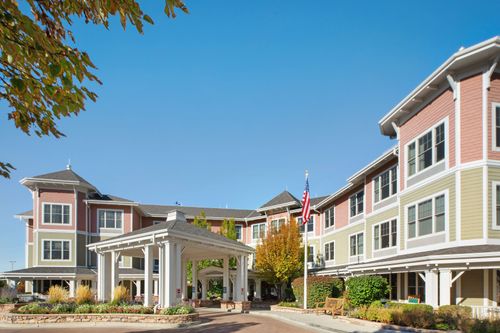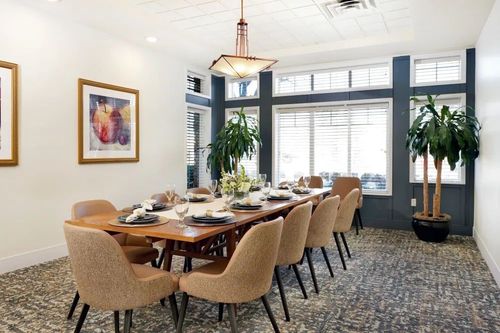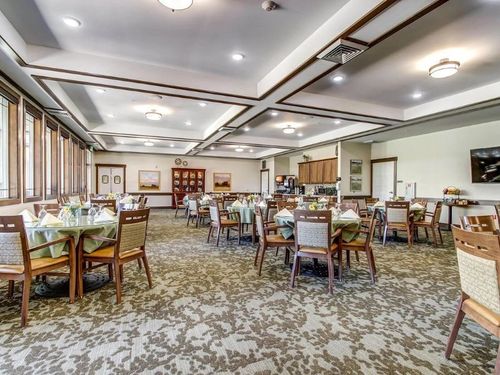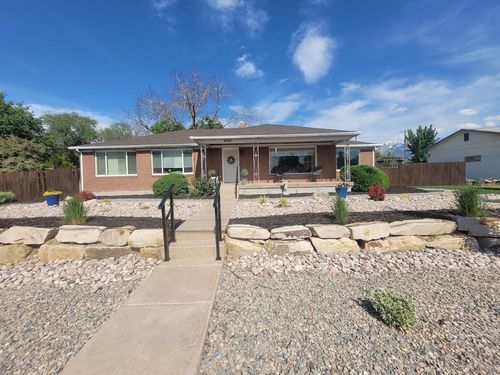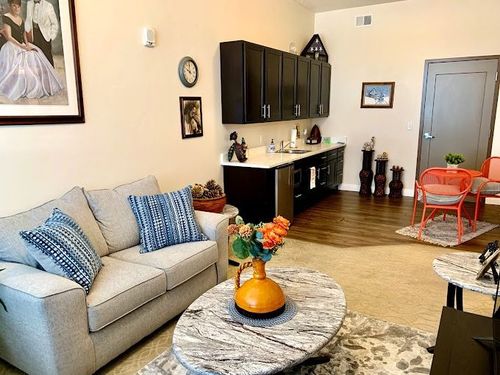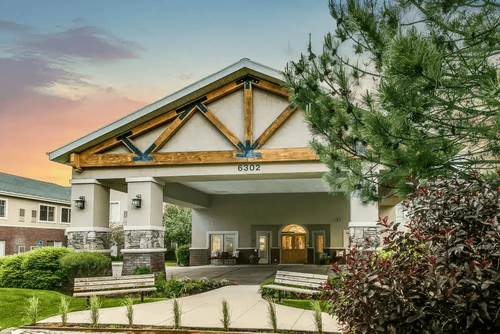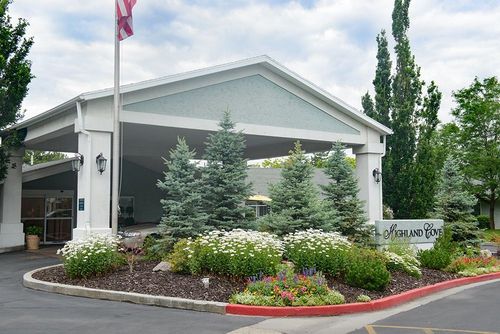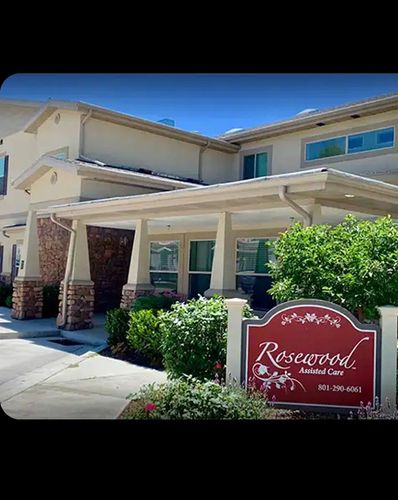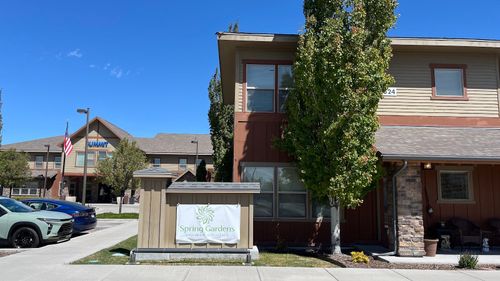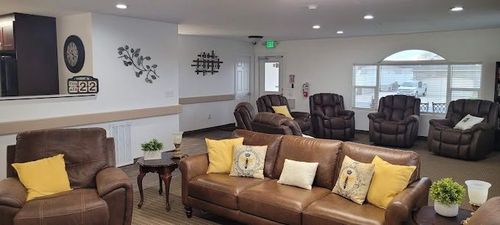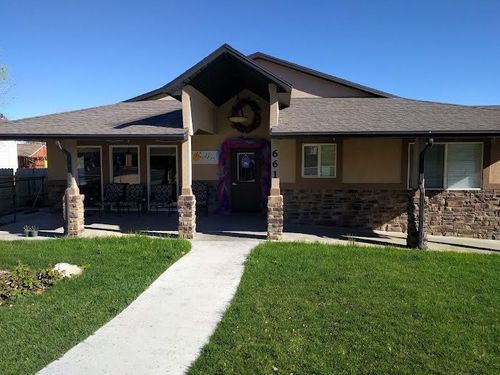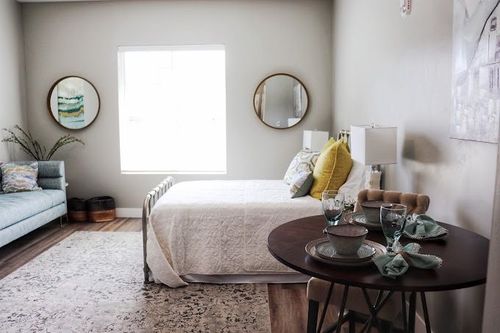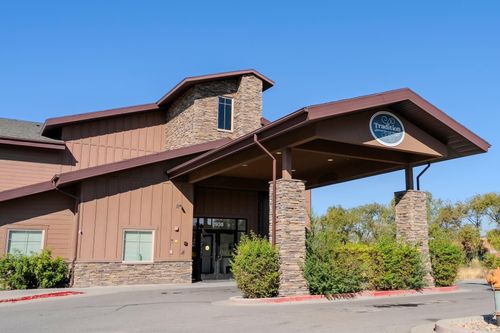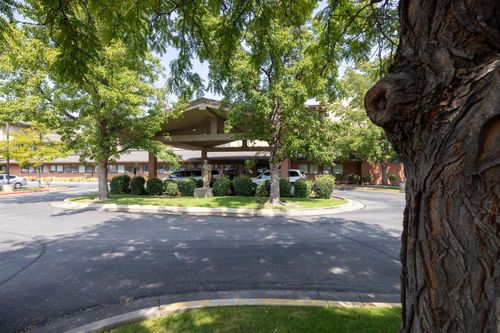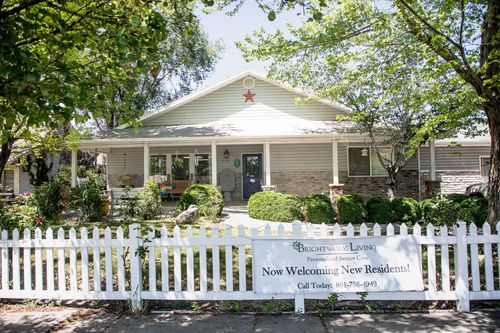
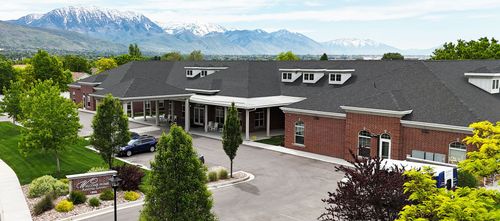

Pleasant Grove keeps its pet-welcoming senior living small by design: the 2 communities here are a residential care home of a handful of residents and one larger assisted-living building on the city's west side, not a row of big campuses, so a dog or cat lands in a house-scale setting rather than a sprawling one. That smaller footprint shapes the whole pet question: fewer animals in the building, more individual attention, and a pet policy that is really a conversation with the people who run the home.
Most Pleasant Grove families have already decided the animal stays before they tour. A dog that gets walked up toward Battle Creek every evening, or a cat that has claimed one sunny windowsill for a decade, is the part of home a move is not meant to erase, and a town wrapped around foothill trails keeps that within reach. What remains is matching the animal to the home: the size a small house can comfortably hold, the deposit, and where the dog walks once the boxes are unpacked.
The Daily Work Behind a Pet's Welcome in Pleasant Grove
The detail Pleasant Grove families underestimate is not the deposit but the daily work. In a small residential care home the work of the animal stays with the resident, the meals and the walks and the cleanup, or with a relative who agrees to stand in, and the home usually wants a backup caregiver lined up for a hospital stay so the pet is never left on its own. A house with only a handful of residents has less room to absorb a large or boisterous dog than a bigger building does, so size and temperament matter more here, not less: a calm older animal settles into a house of a handful of residents, while a big dog runs up against how little room such a home has to absorb one, a point to raise with whoever runs it.
Beyond that, the asks are the ordinary ones for shared living: current vaccinations, a house-trained animal, and leashing in the common rooms out of courtesy to residents who did not bring a pet of their own. Most Pleasant Grove homes ask a single pet deposit up front and a modest monthly fee, though a small residential home sometimes handles this more loosely than a larger building, which is exactly why a family should ask each one directly rather than assume a single rule covers the town.
What a Small Home Charges, and What the Pet Adds
A small residential care home in Pleasant Grove often prices below a larger assisted-living building, sometimes starting near $4,200 a month, while the bigger building runs a bit higher depending on the care a resident needs. The pet rarely changes that figure; it shows up as a single deposit plus a modest monthly charge, the deposit usually a few hundred dollars and refundable at some homes, kept at others. Because a small home is a single household, its pet terms can be more flexible and more personal than a larger building's published policy, so the number on a flyer is a starting point, not the final word.
Match any advertised rate to the level of care a resident actually needs, since the lowest listed prices often reflect a starting tier. One distinction stays constant across every home: under fair-housing law a trained service animal sits apart from pets, and for now an animal documented as assistance does as well, so no pet deposit and no monthly fee apply, even as the resident stays accountable for whatever it damages.
Pet Owners in a Town of Small Homes
Of Pleasant Grove's roughly 37,000 residents, close to 1 in 10 has passed 65, about 3,300 people, and national surveys suggest close to half of older adults keep a companion animal, which points to well over 1,000 local seniors with a dog or cat.
That is a lot of attachment chasing a short list: only a pair of Pleasant Grove communities currently welcome animals, and both are small, so a household with a big dog, or a tight move-in window, has the fewest options of all. Pleasant Grove's mix of flat valley streets and the paved Murdock Canal Trail keeps a daily walk easy through much of the year, though the snowy weeks from late fall into spring favor the cleared paths over the foothill climbs.
Why Pleasant Grove Holds a Pet Owner
Battle Creek Canyon opens straight off Pleasant Grove's east edge, and the trail up toward its falls is the kind of walk a dog and owner keep for years. Staying in town means keeping it, along with the quieter Murdock Canal Trail for slower days, the city parks for a short evening loop, and the veterinarian the animal already knows.
The argument for a local move is continuity: the same streets, the same trail smells, the same vet, all within a few minutes of either home. Researchers keep connecting a steady companion animal to calmer days and a more regular routine late in life, and the surest way to protect that is to keep the animal and the routine together, in the town that already holds both.
How an Advisor Reads Pleasant Grove's Small Homes
A small Pleasant Grove home is really one household, so the pet question is less about published policy than a direct conversation with whoever runs it, and a local advisor is who has already had that conversation. Brochure details, when a small home has them at all, go stale fast, and whether a particular house will take a particular dog, and how the daily-care expectation really works there, is something the advisor confirms home by home rather than guessing from a listing. An advisor working Pleasant Grove knows which home tends to welcome a larger dog, how each handles the deposit and the backup-care plan, and which setting suits a quiet cat versus an active dog.
From there the list narrows to the one or two homes worth a visit, sorted by what the animal needs, the level of care the resident needs, and which walks sit closest. We keep adding to the Pleasant Grove list through 2026, and the pet details are where it gets specific. Reach out about keeping a dog or cat in a Pleasant Grove community once you know the animal and the budget, or browse the homes we've reviewed whenever you're ready.