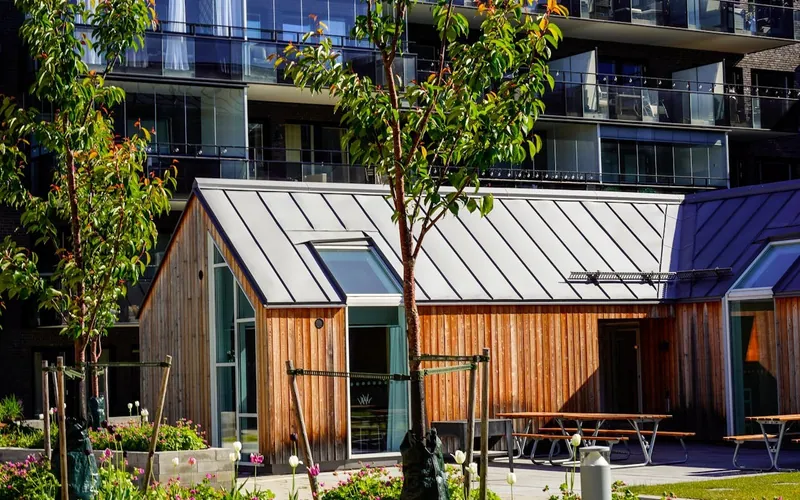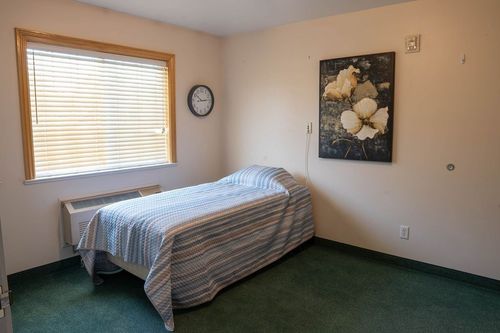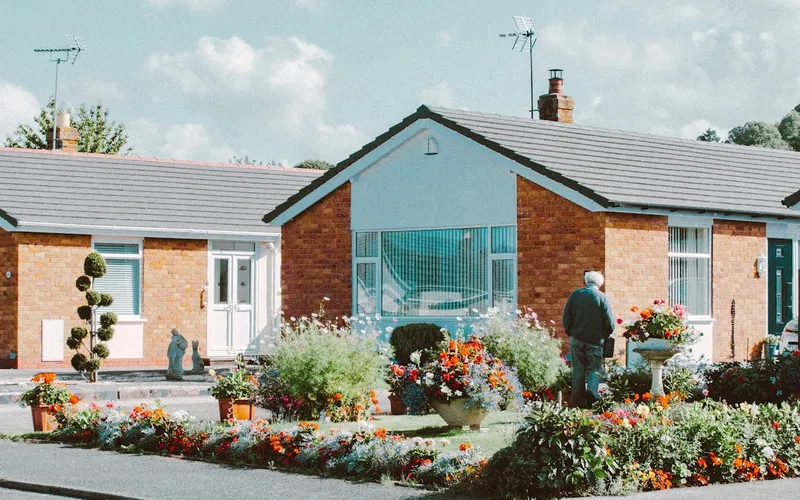
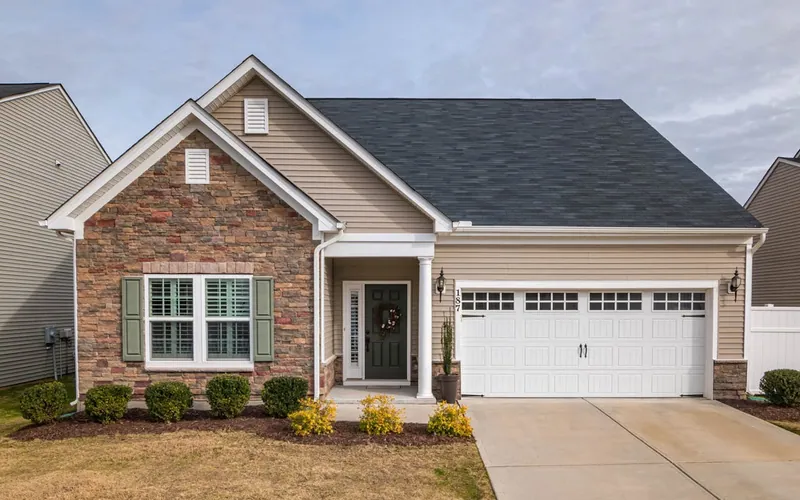

Assisted living in Richfield gathers on one block. BeeHive Homes of Richfield at 540 North 600 West and BeeHive Homes of Richfield #2 at 535 North 600 West sit nearly across the street from each other, both under the statewide Beehive Homes brand, both built on the residential-care-home model with private bedrooms, shared common areas, and a single dining table that runs the whole house. Together the two addresses hold 22 apartments inside a single neighborhood pocket on the north side of town, walking distance from the Sevier Valley Hospital campus.
The two buildings divide the local demand by stage rather than by floor plan. The 12-resident original house handles assisted-living residents whose day-to-day need is medication support, bathing help, and steady caregiver hours; the 10-resident newer house carries an active dementia-care service alongside its assisted-living tier and is the address inside the city limits where a secured wandering area and dementia-specific routines are part of the model. For Sevier County families, that twin-house pattern means the local conversation rarely starts with which building to compare against which other building. It starts with which of the two houses fits the resident today, and which carries the next stage if cognition shifts.
Daily Support and the Resident's Independence
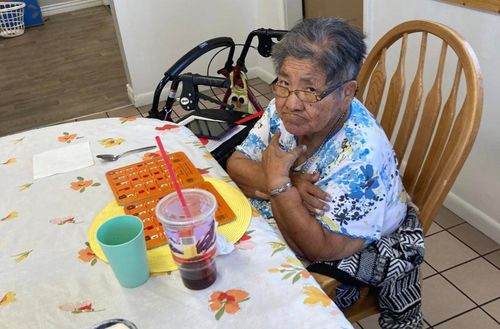
A day at either Richfield house moves on a household rhythm rather than a campus schedule. Meals are plated in the house kitchen and shared at one dining table the whole resident set uses together, and the caregiver opening the door for a visiting daughter in the afternoon is generally the same one who walked the morning medication round. Because the residential-care-home model rolls caregiver labor into a single monthly figure rather than charging a separate care tier above a published base, the monthly statement stays short enough that a Sevier County family can read it on one page.
Licensed nursing covers consultation through a 24-hour line rather than an on-site shift, which is the model rural Beehive houses run statewide. Five minutes south sits the 42-bed Intermountain critical-access hospital, where the two Beehive houses send residents for primary-care follow-up, lab draws, and emergency-room visits that fall outside the residential-scale care model. Heavier neurology, cardiology, and Level III trauma escalations route to Utah Valley Hospital in Provo, about two hours and ten minutes up I-15 and US-50.
Pricing and Affordability
In 2026, monthly bills at the two Beehive houses on 600 West generally land somewhere from $3,200 to $4,400. Residential-scale pricing rolls rent, daily meals out of the house kitchen, regular cleaning, laundry, utilities, basic cable, and the caregiver hours covering medication, bathing, and dressing into one line. A community fee at move-in runs $500 to $2,000, and a second resident in the same apartment pays an additional $400 to $700 each month. Respite nights bill at $130 to $185 each.
The Richfield band reads several hundred dollars below most Utah Valley and Wasatch Front assisted-living rates because the Sevier County labor and real-estate basis sits lower across rural central Utah. Aging Waiver acceptance at the two Richfield houses is not currently confirmed on each building's published material; families whose budget depends on Medicaid coverage typically need an advisor call to verify current intake before counting either house in the financial plan, or to broaden the search up the I-15 corridor toward Utah Valley addresses where waiver participation is more clearly established.
An Agricultural-Belt Senior Population
Richfield carries roughly 8,400 residents in 2026, with about 1,170 of them past sixty-five, a senior share near fourteen percent that matches the broader Sevier County pattern. Many older residents grew up on family ground that has been in the Salina-Richfield-Monroe agricultural belt for two or three generations, with the I-70 corridor's freight economy and the city's civic-service role as Sevier County seat layered alongside the farming and ranching base. The result is a senior population deeply rooted in place, with ward connections, neighbor relationships, and seasonal patterns that the community would lose to an out-of-valley move.
Apartment turnover across the 22 combined beds moves on individual resident transitions rather than a predictable monthly schedule. An opening generally appears when a resident's needs progress beyond what residential care can hold or when a hospital event reshapes the situation. For a Richfield household, timing flexibility on the family's end matters more than it would in a Wasatch Front market, because the buildings aren't churning rooms on a steady volume schedule.
Why Families Choose Assisted Living in Richfield
Sevier Valley's identity weighs on the decision to stay local. Sunday dinners with adult children driving in from Monroe, Salina, Aurora, or the Annabella-Joseph corridor stay close; the long-standing ward connections and the neighborhood relationships built across decades sit inside a ten-minute radius of the 600 West block; the seasonal patterns of harvest, hunting, and the Sevier County Fair continue to pace the year for residents who would otherwise lose those anchors with a move out of the valley.
Sevier Valley Hospital's case-management team is five minutes from the two Beehive houses, which compresses the post-discharge transition when a resident moves directly from an inpatient stay into one of the buildings. Routine medical care, in-town pharmacy refills on Main Street, and the Richfield Senior Citizen Center on East Center Street round out the weekly rhythm beyond what each house programs internally.
What a Local Advisor Brings to Richfield
Richfield assisted-living conversations tend to open in one of two patterns. The first is the slow accumulation a spouse or adult child notices over several months: the medication routine has started slipping despite the weekly pill organizer, bathing wants steady hands the household was not set up for, and the time that used to belong to ward work and family visits is going into household-management chores instead. The second is a Sevier Valley Hospital discharge where the post-acute plan calls for a residential-care setting rather than a return to an empty house, often arriving after a fall, an infection, or a brief inpatient stay that the family had not seen coming.
Either way, the advisor's first contribution is to map which of the two Beehive houses has an opening inside the family's planning window, to flag whether the newer 10-resident house with the dementia-care service might be the better landing spot if cognitive shifts are part of the picture, and to verify whether Aging Waiver intake is currently active at either building when Medicaid will load-bear on the budget. When the two-house local set cannot match the household's clinical or financial situation, the longer drive up I-15 toward the Utah Valley corridor enters the conversation honestly, with the visit-cadence trade-off named plainly. Reaching out while the at-home setup still has slack in it keeps both Richfield houses genuinely on the family's shortlist instead of leaving the placement to whatever opens during a discharge week.