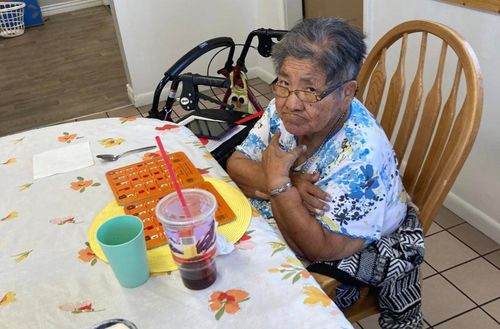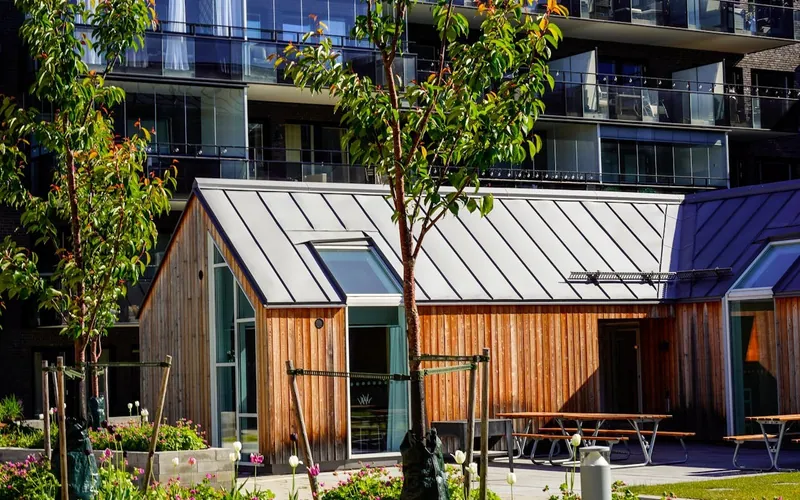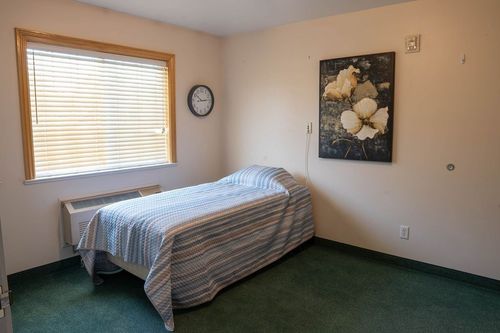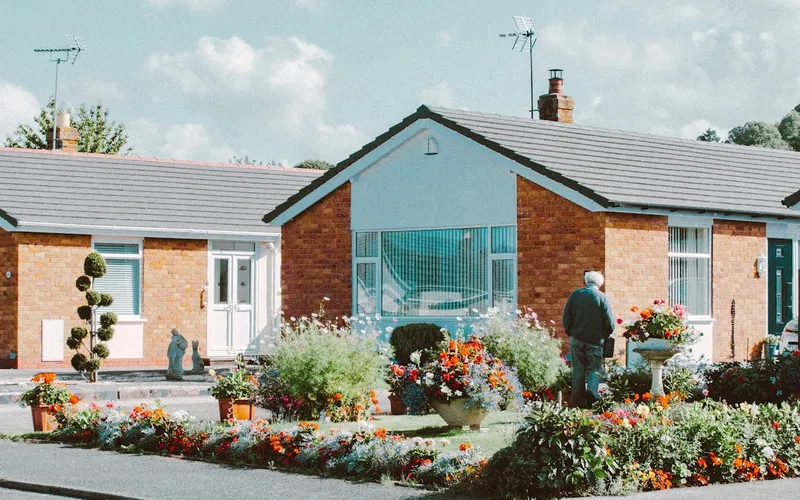
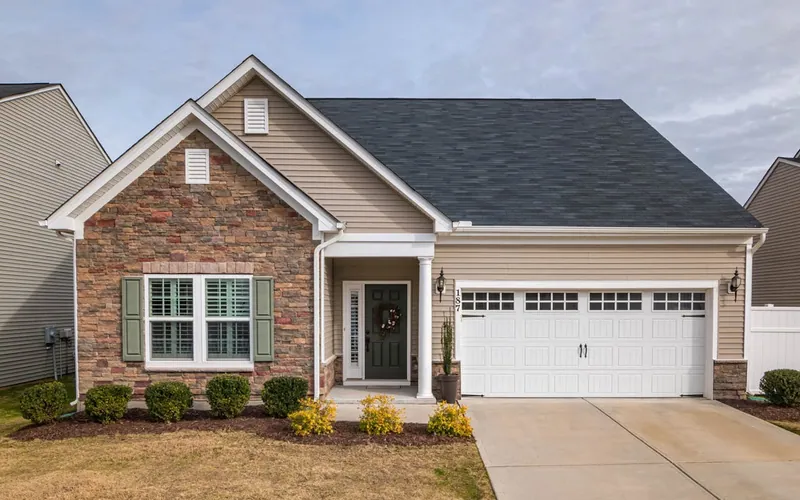
Sevier County has one address actively carrying dementia care: BeeHive Homes of Richfield #2 at 535 North 600 West, a 10-bed residential home with secure indoor and outdoor wandering paths, dementia-specific daily routines, and the household staffing pattern Beehive runs across its small Utah houses. The companion building almost directly across the street at 540 North 600 West publishes only assisted living and respite, so the secured side of the equation lives at one address.
That shapes the choice in Sevier County. When the #2 house has an opening matched to the resident's stage, the family keeps the conversation inside town; when it does not, the alternative is a drive of two hours or more up I-15 to the Utah Valley corridor, where the larger campuses run dedicated dementia-care neighborhoods and several waiver-participating addresses. Distance, more than price, becomes the deciding factor most weeks.
How the Local Dementia-Care House Works
The secured side at #2 operates as its own setting inside the home. Doors are coded, the perimeter is monitored, and outdoor access is chaperoned, all aimed at the patterns that bring families in: someone slipping out at three in the morning, losing orientation inside familiar rooms, or sliding into nighttime cycles no household routine can tame. Meals come from one kitchen serving the whole house, dementia-trained caregivers cover the day, and licensed nursing is reached through a 24-hour consultation line rather than a staffed shift on site.
Ten residents reads very differently from a 30-to-50-bed secured wing on the Wasatch Front. Earlier and mid-stage residents who do better with the same faces across the week tend to settle in well; when behaviors call for clinical intervention several times a day or awake-overnight nursing is essential, the residential model has real ceilings the conversation should name up front.
Cost and Coverage
Secured-side apartments at the #2 house bill $4,200 to $5,400 a month through 2026. The rate sits above the assisted-living side because state licensing requires higher staffing for dementia service: trained caregivers covering daytime hours, perimeter and door supervision, and layout features that keep residents oriented. Community fees at move-in are $500 to $2,200, with respite stays priced at $150 to $200 per night.
A Sevier Valley cost base keeps that figure well under what a comparable secured-wing apartment would bill at a Wasatch Front campus. Aging Waiver participation at the #2 house is not currently published on the building's material, so current intake should be verified before paperwork starts; the search widens to Utah Valley waiver-participating addresses when local intake will not close the financial gap.
A Small Sanpete-Adjacent Demand Pattern
Richfield holds roughly 8,400 people in 2026, about 1,170 of them past sixty-five, and the dementia caseload tracks the share you would expect from a rural agricultural-belt county. The #2 house carries Sevier County's local placements alongside occasional referrals from settlements along US-89 and the I-70 corridor.
Apartments come open through individual resident transitions, not on a predictable monthly schedule, and waiting can stretch when Sevier Valley Hospital discharges or corridor-wide referrals stack two or three placements at once. At ten beds, every opening visibly rearranges the local picture, which is also why an early call often lands an apartment without the week-long search a Wasatch Front market would require.
Why Families Choose Memory Care in Richfield
Familiar surroundings carry more weight in dementia care than in any other tier, since dropping someone with cognitive impairment into a setting they cannot read amplifies the disorientation the disease is already producing. At the #2 house, Main Street stays within walking distance, the Sevier County Fair anchors late summer, longtime ward members drop in, and the agricultural rhythm (planting, harvest, hunting weekends, the school year starting) remains the underlying calendar a resident's week follows.
Intermountain's 42-bed critical-access campus, five minutes south, picks up the medical events dementia care produces on a regular cadence: sudden confusion from a urinary infection, post-fall workups, surprise medication interactions, same-day behavioral evaluations. Its smaller scale and case managers' familiarity with the Beehive house shorten the post-discharge handoff, which matters when dementia residents tolerate transitions poorly.
What a Local Advisor Brings to Richfield
Every memory-care conversation in Sevier County opens with one geographic fact: the round trip between Richfield and the nearest Utah Valley dementia-care building runs more than two hours each way. Before any specific building question gets answered, the family weighs what a Provo or Orem placement would mean for visits (half-day round trips, phone calls in place of in-person time) against the orientation benefit of keeping a loved one in the valley they have known for years. The advisor reads secured-side availability at the #2 house against the family's window while sorting whether the 10-resident format suits the current stage.
Calls into Richfield generally come after overnight safety has started failing, behavior shifts have outgrown what the family rotation can absorb, or months of paid aides plus weekend coverage have left gaps. If the profile suits the household scale, the advisor confirms the opening and verifies current Aging Waiver intake when Medicaid matters; if dementia has progressed past what a 10-bed building can safely hold, the conversation lays out Utah Valley alternatives with the visit-cadence tradeoff named honestly. Reach out for a planning call before a hospital event compresses the timing, since an early conversation keeps the #2 secured option in play rather than narrowing the choice to whatever opens during a discharge week.