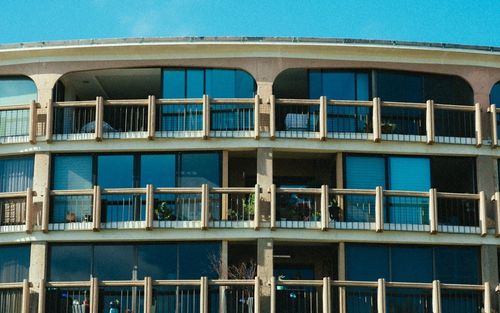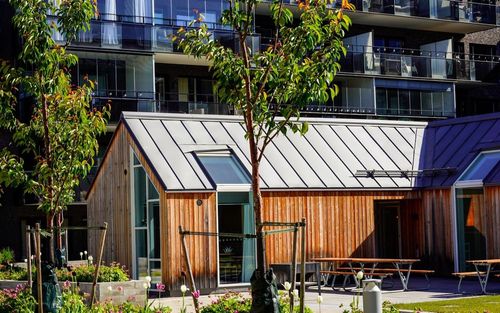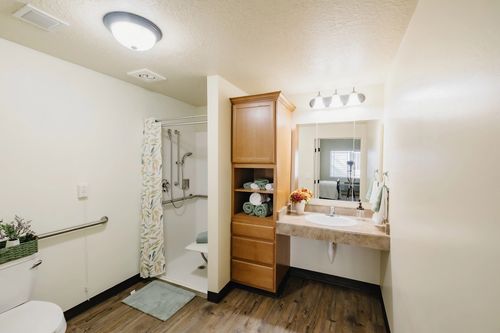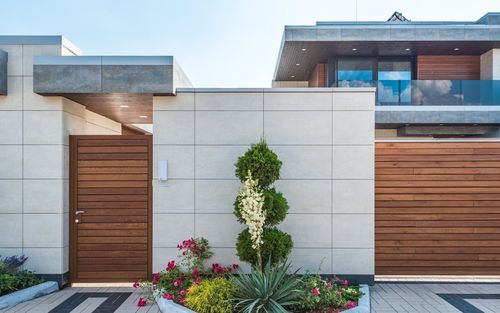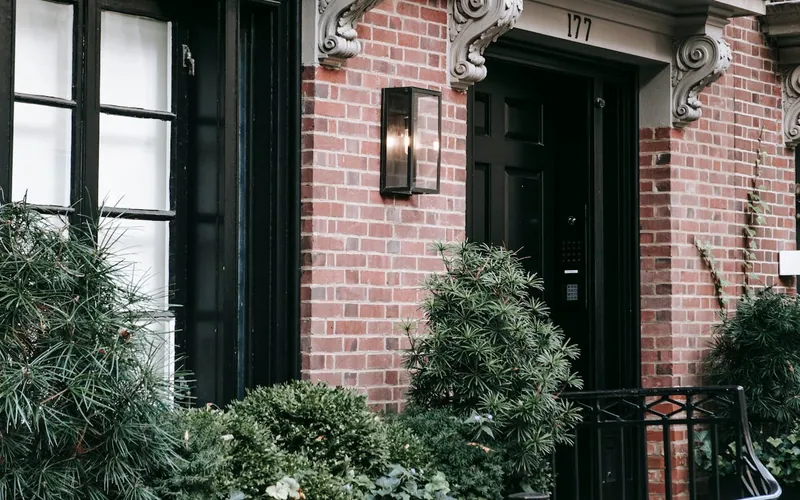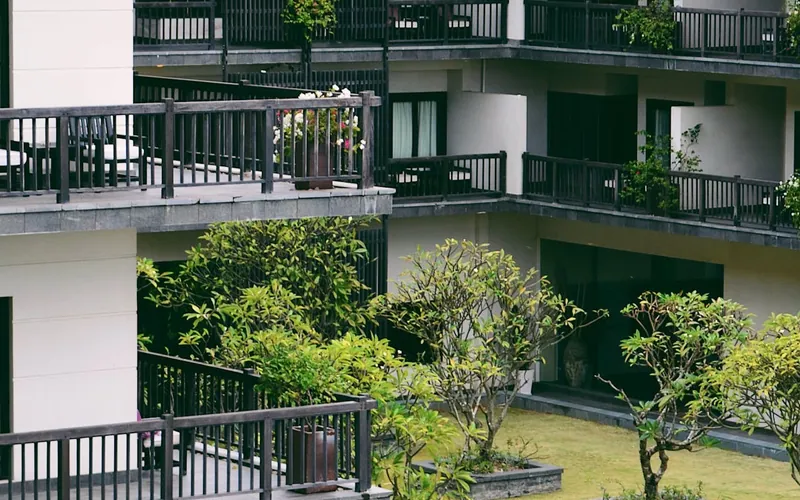

Snow Canyon Retirement Community on Lava Hills Road is Santa Clara's only assisted-living building, a 69-apartment campus that combines assisted-living with secured memory-care capacity in a setting most Utah cities cannot match: the red-rock landscape of Snow Canyon State Park sitting at the building's western edge. Santa Clara itself is a retirement-destination city in a way few of its Utah peers are, with twenty-two to twenty-four percent of its 8,400 residents over sixty-five and a meaningful share of newer arrivals who moved south specifically for the warm-weather climate and the geological backdrop.
That unusual demographic context shapes how the assisted-living conversation runs here. A Snow Canyon resident is more likely than a typical Utah assisted living resident to be a relatively recent Santa Clara arrival rather than a multi-generational long-tenured local, which means the social fabric inside the building draws from a wider mix of regional and out-of-state backgrounds than the assisted-living buildings in places like Roy or Heber would carry. The Swiss-pioneer history along the Santa Clara River still anchors the city's historic core, but the senior population overall reflects the broader St. George-corridor migration more than the founding heritage.
Daily Support and the Resident's Independence
Snow Canyon's 69-apartment scale supports a daily rhythm with its own dining program, an activity calendar that takes advantage of the red-rock backdrop and the seasonal climate (more outdoor activities in winter and spring than typical Utah assisted living buildings can schedule), and a care-team rotation matched to the resident count. The building operates independently rather than under a multi-location brand network, which gives the management more discretion to shape activities and care policies than a chain-operated building would typically have, but without the operational consistency a regional brand brings to staffing standards.
The pet policy at Snow Canyon currently does not allow residents to bring small pets, which is a meaningful filter for retiree households whose connection to a long-loved dog or cat would otherwise have kept them in the home longer. For medical care, St. George Regional Hospital ten to fifteen minutes east handles essentially all clinical work, with the campus running specialty programs (Heart and Vascular Center, neurosciences, oncology) at depth unusual for a city this size because the hospital serves as the regional referral catchment for southern Utah, northwestern Arizona, and southeastern Nevada.
Pricing and Affordability
The broader St. George-corridor cost basis sits well above most Utah small-town markets after a decade of steep climb, which puts Snow Canyon Retirement Community's assisted-living rate at $4,775 to $6,400 monthly in 2026. The same in-migration that produced Santa Clara's $558,000 median home value drove the corridor's labor and real-estate basis up alongside it. Apartment configuration drives most of the spread inside that band, with the care-tier number set during the move-in assessment and any optional services adding to the figure.
Move-in fees fall in the $1,500-$4,500 range. For couples sharing one apartment, the monthly second-resident pricing adds $700 to $1,000, and short-stay respite costs $180 to $250 per night. Snow Canyon has not joined Utah's Aging Waiver program at this point, so Medicaid-track Santa Clara families typically widen the search to Waiver-participating St. George-area addresses inside a ten-to-fifteen-minute drive east. The pricing combination (no Waiver, no pets, the higher St. George-corridor cost basis) narrows Santa Clara's effective assisted living market to households with private-pay capacity and a household preference for the red-rock setting over more affordable inland alternatives.
A Retirement-Destination Senior Population
Santa Clara's twenty-two to twenty-four percent over-sixty-five share is one of Utah's highest, reflecting decades of warm-weather retirement migration that has reshaped the city's demographic profile from a Swiss-pioneer agricultural settlement into a recreation-oriented retiree destination. Many Santa Clara seniors arrived in their fifties or sixties from out-of-state (California, the Pacific Northwest, Midwest) for the climate and the geological setting, which gives Snow Canyon's resident community a regional-and-national mix rather than the long-tenured local profile that anchors most Utah assisted living buildings.
Apartment turnover at Snow Canyon follows the typical four-to-six-week cycle for standard configurations, with seasonal patterns slightly more pronounced than at northern Utah buildings because some residents arrived as snowbirds first and the building absorbs both year-round and seasonal demand patterns.
Why Families Choose Assisted Living in Santa Clara
The red-rock setting is a real and rare feature of Snow Canyon's daily environment. Snow Canyon State Park's hiking trails, the Bluff Hill recreation area, and the seasonal climate (mild winters that let outdoor activities run through January and February when northern Utah buildings have residents indoors) all matter to the kind of retiree who moved to Santa Clara specifically for those features. For a resident who chose the southern Utah corridor over more affordable Utah locations, staying inside that environment after the assisted living move preserves the climate-and-landscape choice that has defined their retirement.
St. George Regional Hospital's specialty depth is the second meaningful pull. The hospital's Heart and Vascular Center, neurosciences program, and oncology services serve patients across a multi-state regional catchment, which means Santa Clara residents receive specialist care that residents of comparable-sized Utah cities elsewhere typically cannot access locally.
What a Local Advisor Brings to Santa Clara
Most Santa Clara assisted-living calls follow one of two recognizable threads, with the first being a household where home-health support has stretched as far as it can sustain, often with adult children dispersed across multiple states monitoring the parent from a distance. The second arrives through St. George Regional Hospital's case-management line during a discharge window where the recommended next step is an assisted-living setting rather than continued home-health support.
For either thread, the advisor's role is to read Snow Canyon's availability against the family's timing and to lay out the St. George-area alternatives if the no-Waiver and no-pet constraints rule out the Santa Clara building for a particular household. The St. George corridor's depth (twelve secured memory-care neighborhoods, three dedicated independent-living buildings, several Aging Waiver-participating assisted living settings) gives the advisor more options than the Santa Clara location alone would suggest. For long-distance families coordinating from out of state, the advisor often serves as the on-the-ground reader of building cultures and resident communities that a remote tour cannot fully convey.
Reaching out early matters more than at typical Utah assisted living buildings because the out-of-state-children pattern means the family's timing flexibility is often tighter once the conversation begins, with discharge clocks and travel-scheduling pressures compressing what could otherwise be a longer planning window. Reach out for a planning call when assisted living begins shaping the family's planning, or view our directory for context on the broader southern Utah senior-living set.