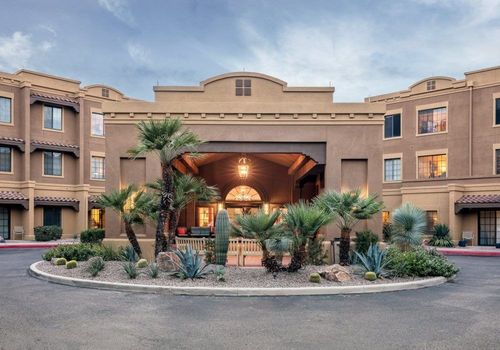

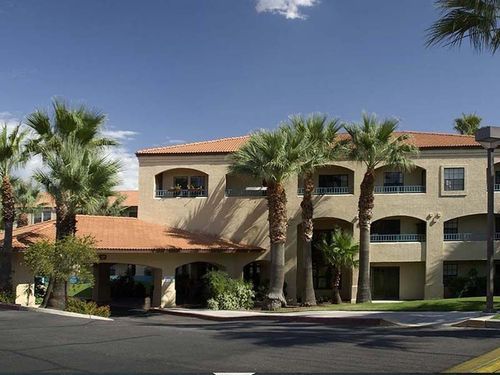
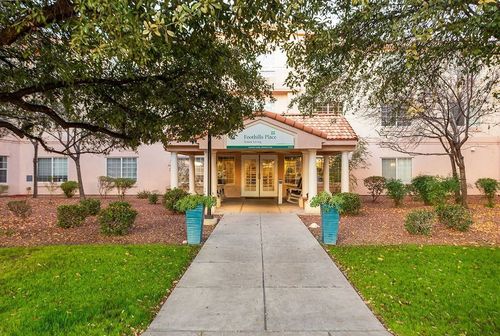
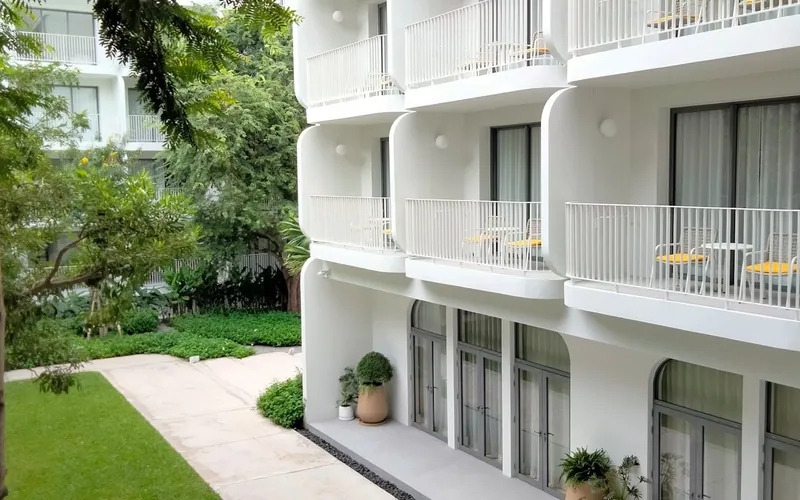
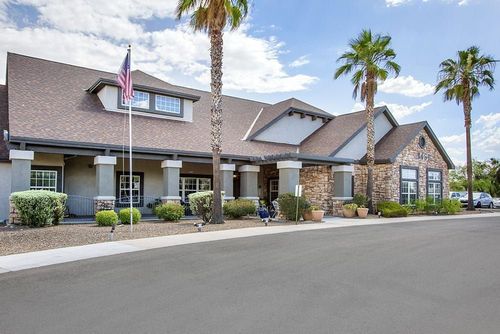
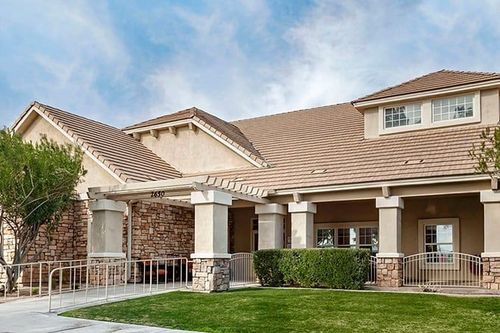
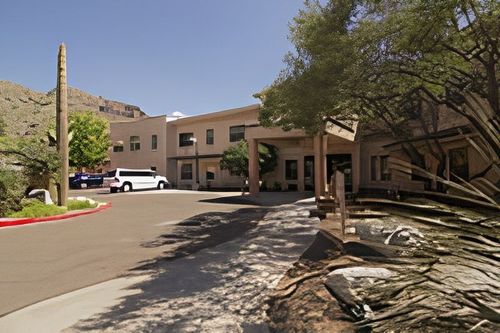
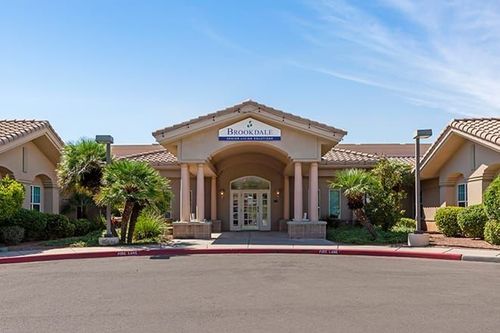
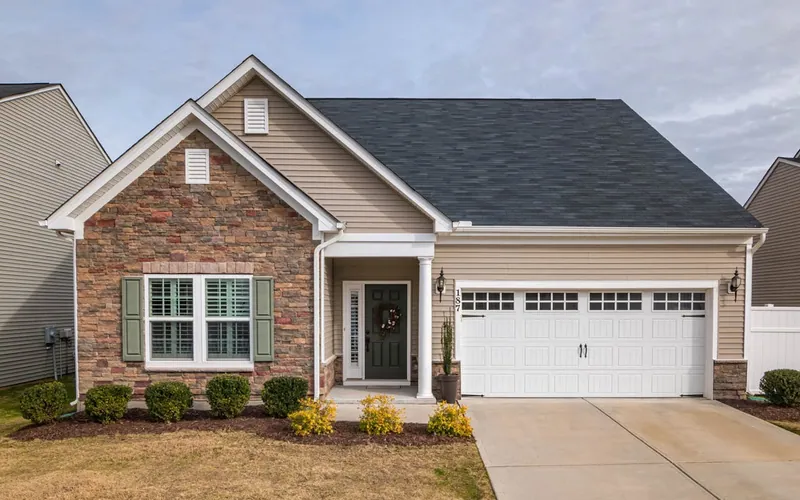
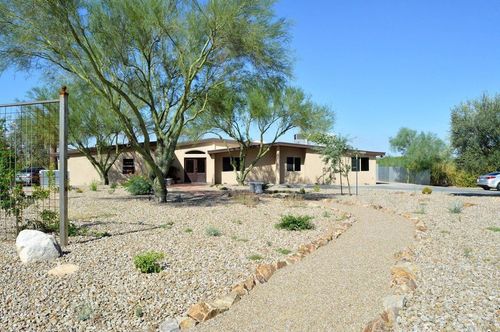
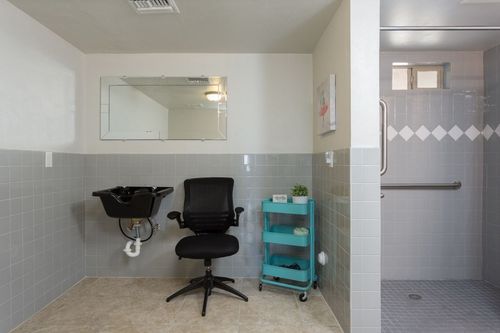
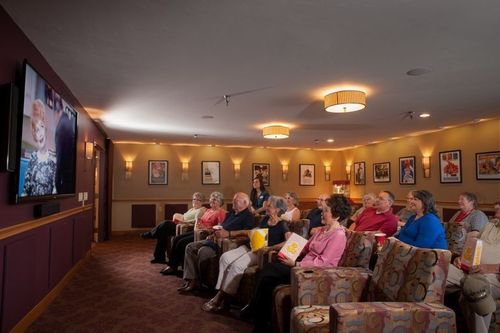
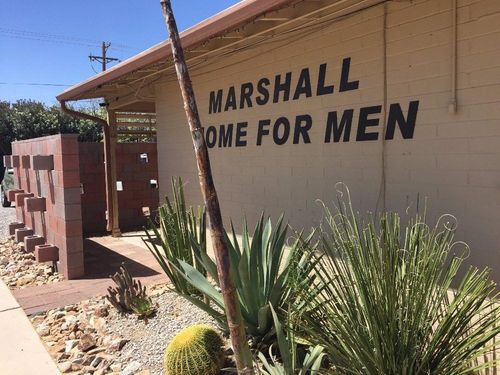
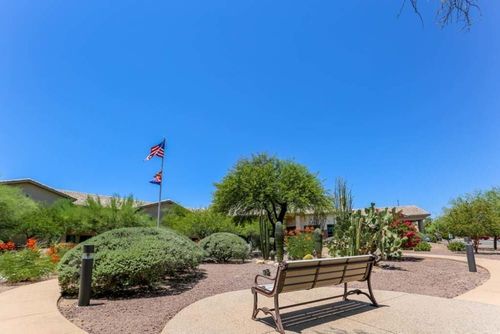
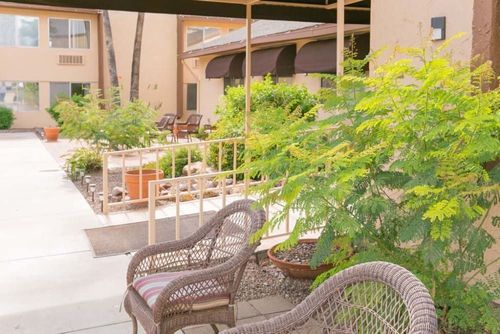
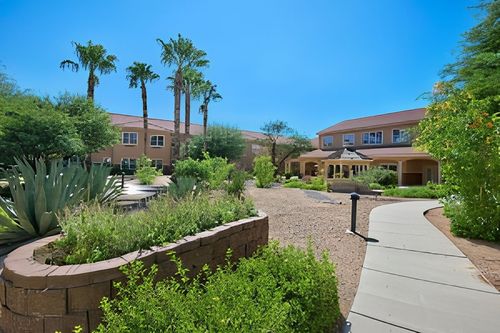
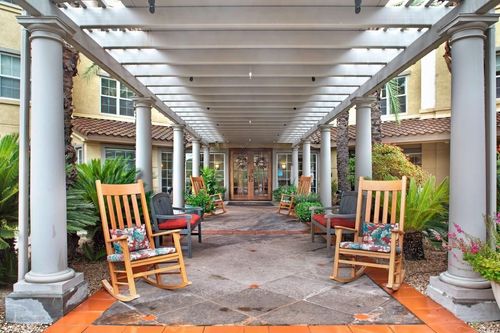

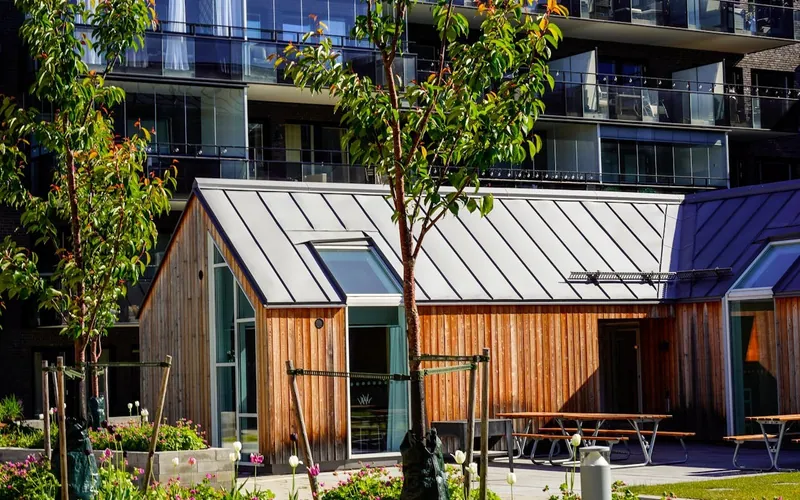
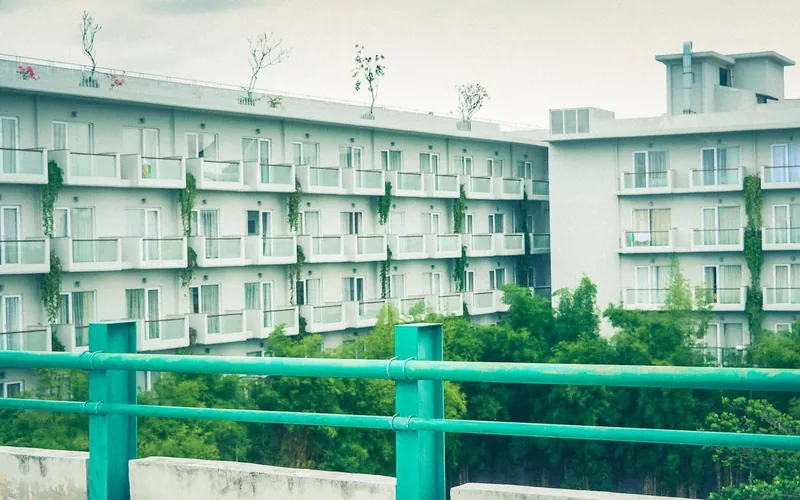
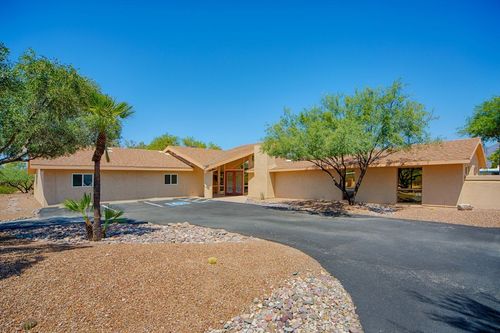


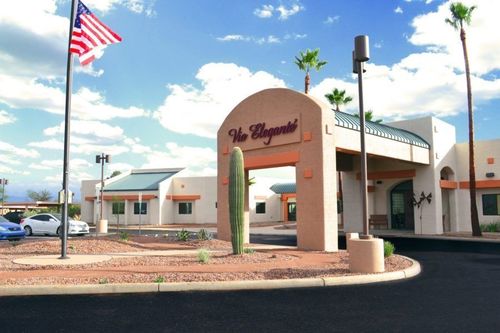
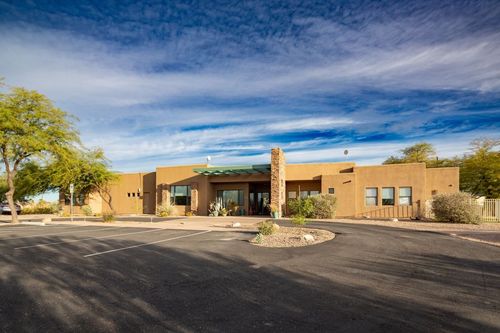
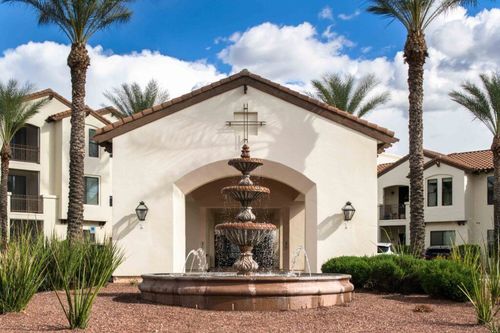
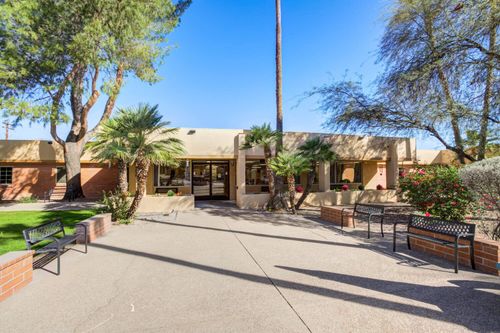

Assisted living in Tucson spans a wide physical range, from small residences with only five beds to a large campus built for 232 residents, and more than twenty communities fill the space between those two ends. Families comparing 113 North Senior Care Center, Abella Manor Senior Care and Abuelos at Edgewood Place will notice quickly that the options differ far more in scale and daily rhythm than in the basic help each one provides.
Because the communities are spread across the valley floor instead of gathering in one district, many families choose first by which side of the Santa Cruz River keeps a resident closest to relatives and a trusted physician.
Daily Support at Abuelos at Edgewood Place and Across Tucson
A typical day in Tucson assisted living revolves around hands-on help with bathing, dressing and medication reminders, delivered by caregivers who are on site around the clock, with meals served at set times so that nobody has to cook or shop.
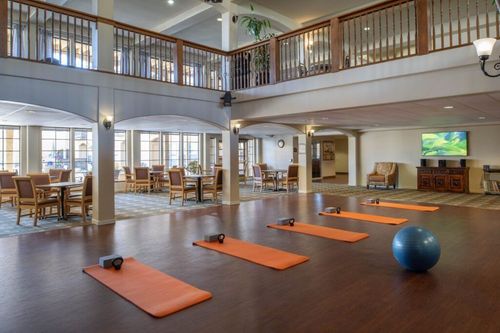
In the smaller residences the whole household often eats at one table and the caregiver knows every habit, while the larger campuses run a calendar of group outings and gatherings, and the desert climate shapes both, since walks and patio time tend to happen early in the morning or after the afternoon heat has passed.
Pricing Across Tucson, From 113 North to the Larger Campuses
Starting prices in the city cluster near $3,631 a month, and the full spread runs $2,300 - $5,000/mo, a gap wide enough that the building and the level of help matter more than the zip code.
Lower figures usually belong to smaller residences that share space and keep staffing lean, while higher ones tend to come with private apartments, larger dining rooms and a longer list of included services, so a family is really choosing a style of living and not simply a price tag.
A resident who is mobile and mostly needs meal and medication support will often find a comfortable fit in the lower half of that spread, while someone needing frequent help through the night may find the higher half more suitable.
Tucson's Retirement Draw and the Pull on Assisted Living
Southern Arizona has long attracted people who want warm winters and dry air, and many of them settle in Tucson while they are still fully independent, then find years later that stairs, medications or cooking have become more than they can manage alone.
That pattern means a steady share of residents arrive from Tucson itself, while others move closer to adult children who live in the city but whose parents are still back in another state.
Why Tucson Families Move From Home to Assisted Living
Most decisions follow a specific event, such as a fall in the kitchen, a hospital stay that ends with new medications, or a spouse who can no longer provide all of the care alone, and assisted living answers those moments with support that is steady but not as intensive as a nursing setting.
Families also value that a resident keeps a private room or apartment, keeps personal routines, and still has help within reach, which is why a move often feels like regaining independence instead of losing it.
Matching a Family to One of Tucson's Assisted Living Communities
Openings change from week to week, and a short list built around location, care level and budget saves a family from calling every community one by one while a discharge date or a difficult week at home is already close.
Several Tucson communities work with Medicaid, and the timing of an application relative to a move can decide whether a place is realistic, so that question is best raised early; a short conversation is a simple way to talk it through before any decisions are made.
We keep expanding our Tucson coverage as we evaluate providers for quality and alignment in 2026. Reach out for a conversation about assisted living in Tucson, or browse the communities we have vetted at your own pace.