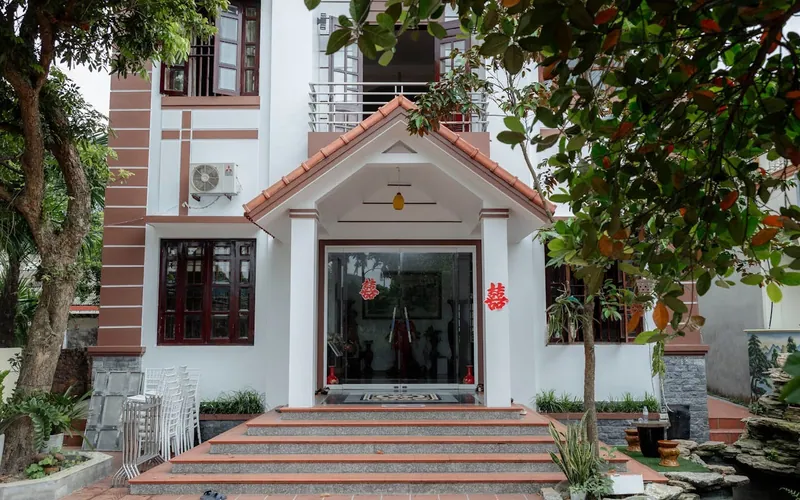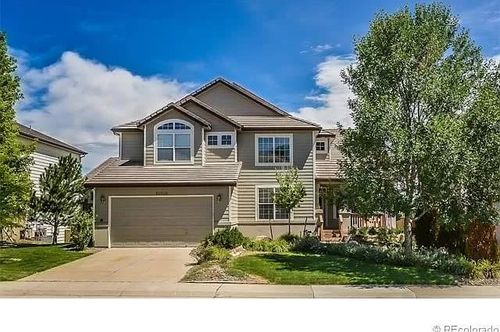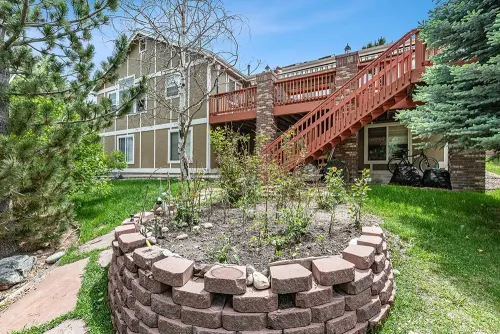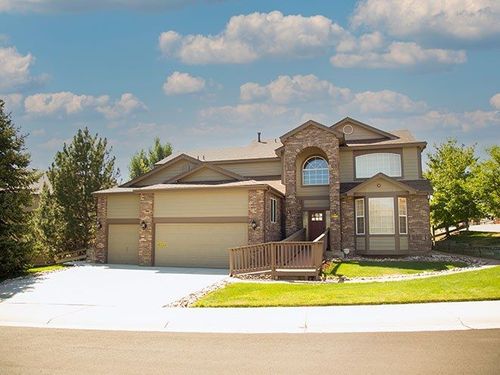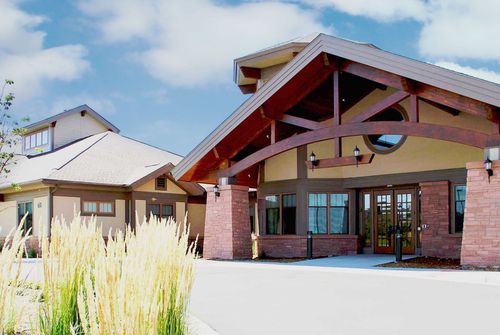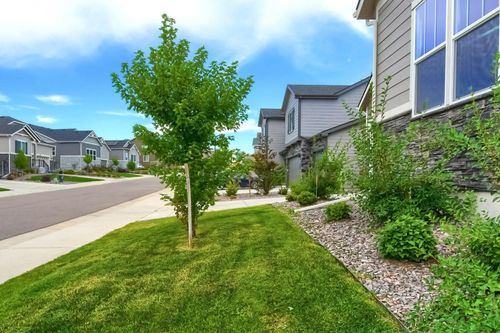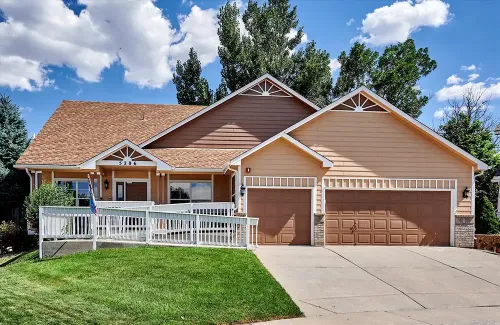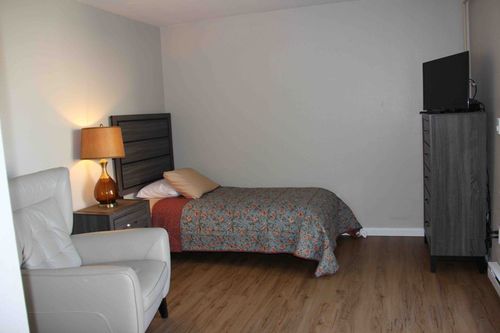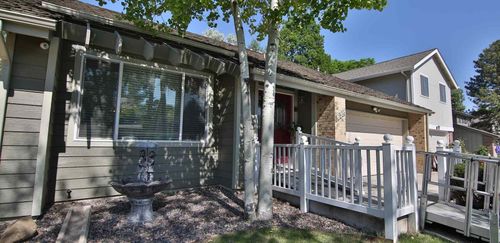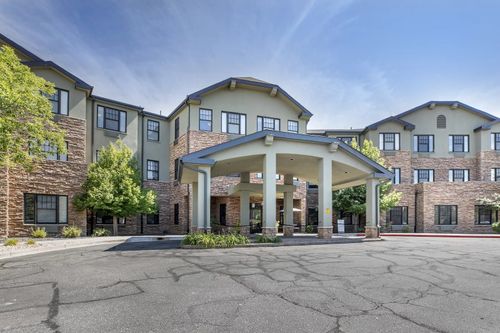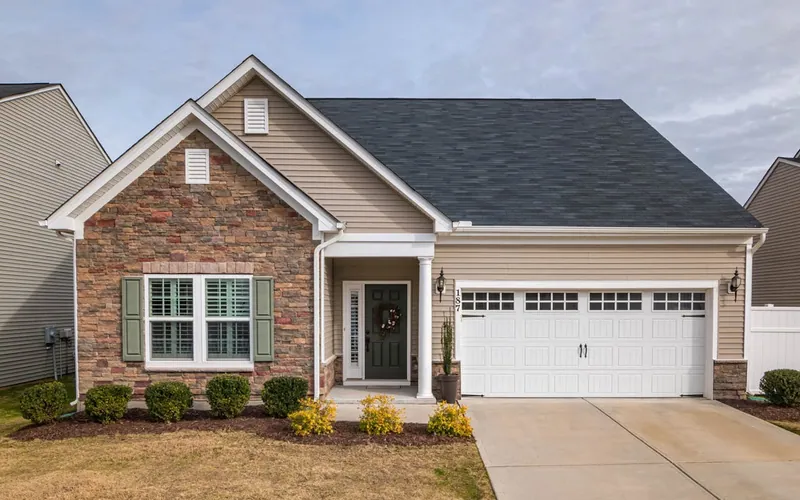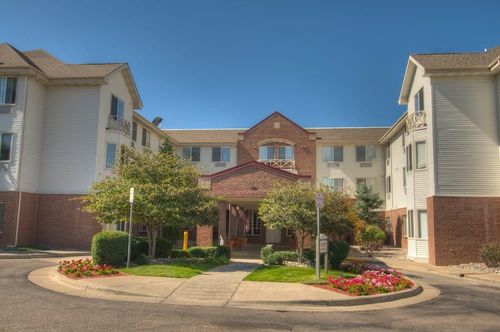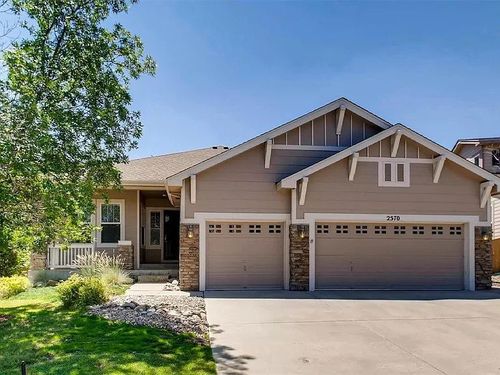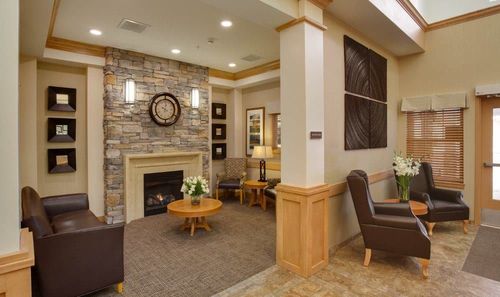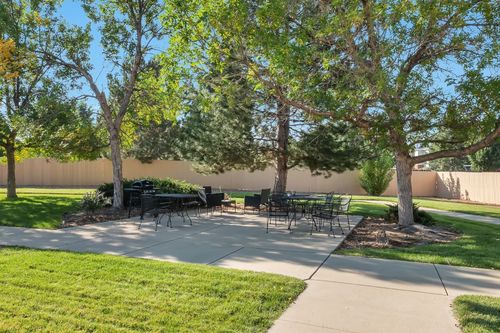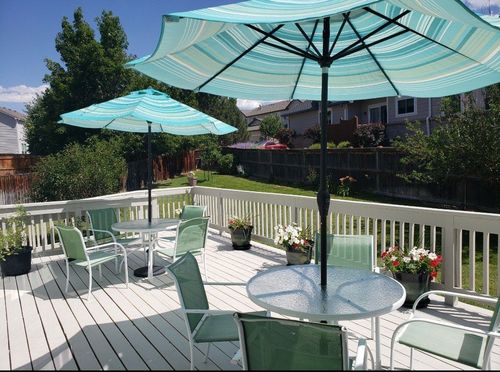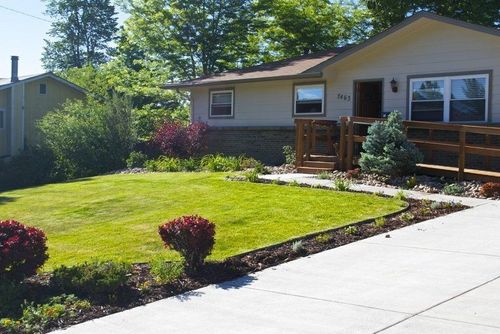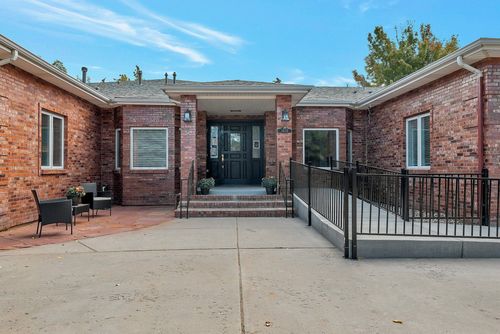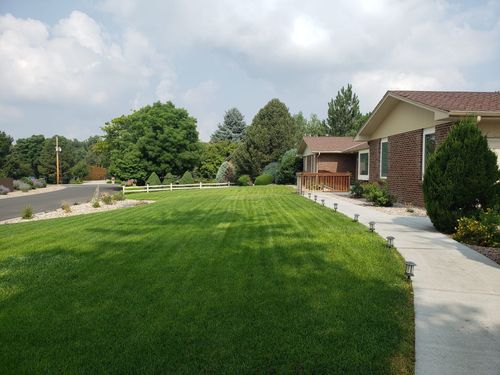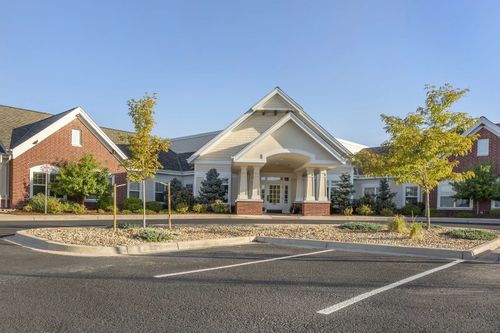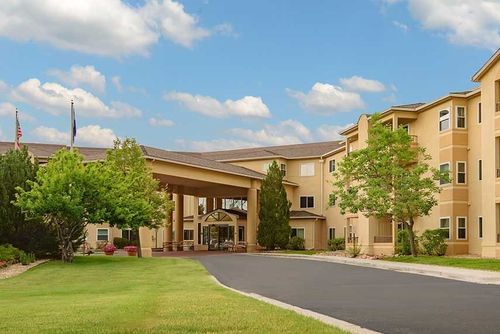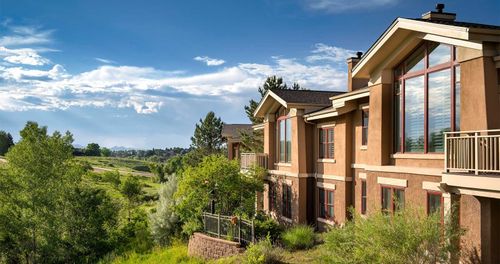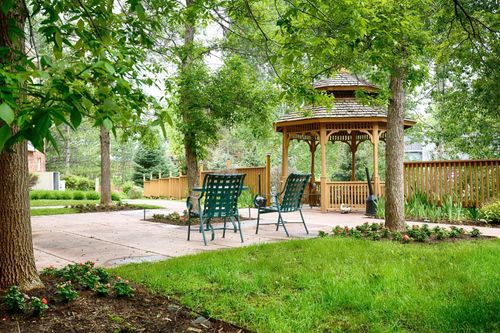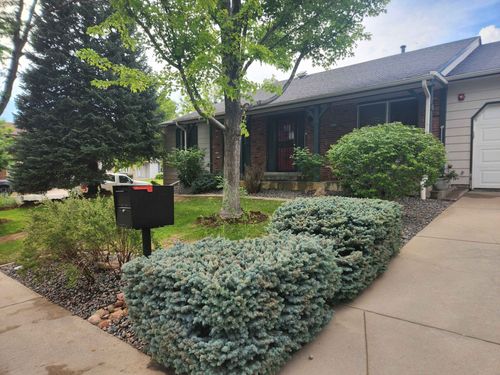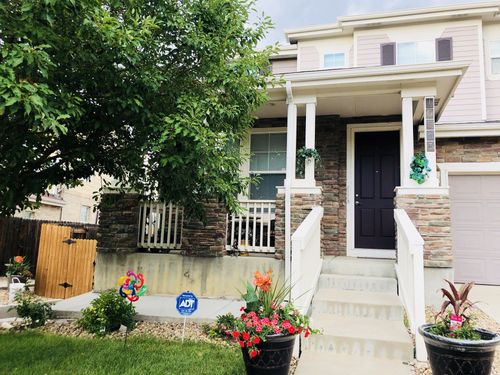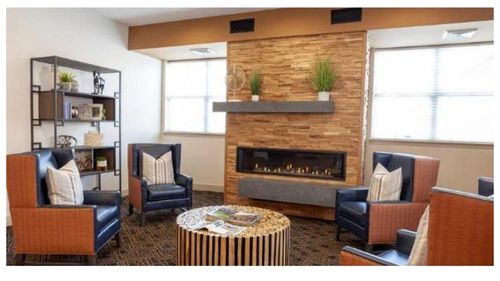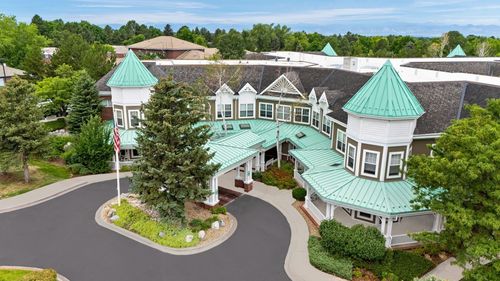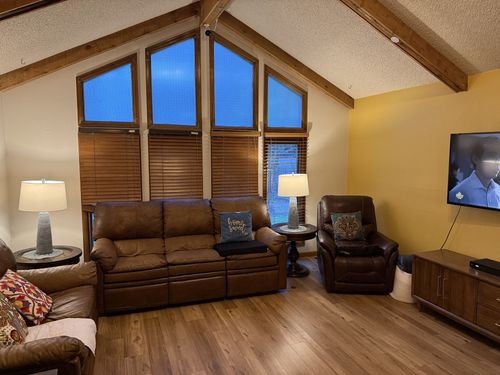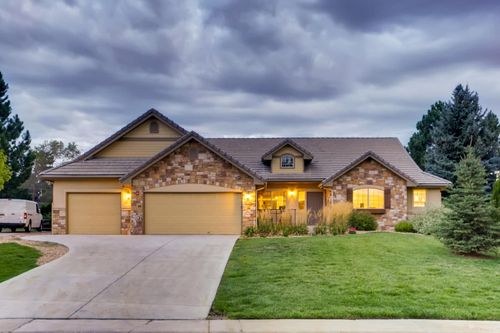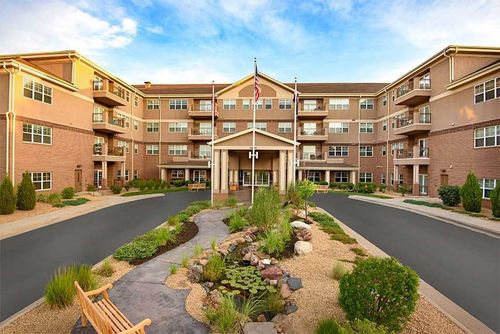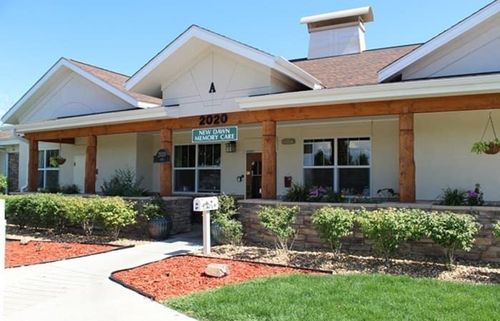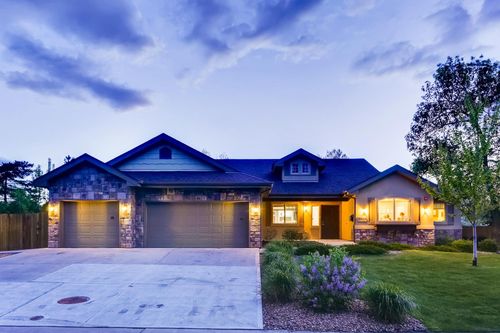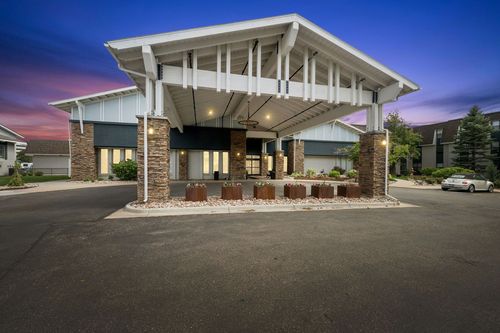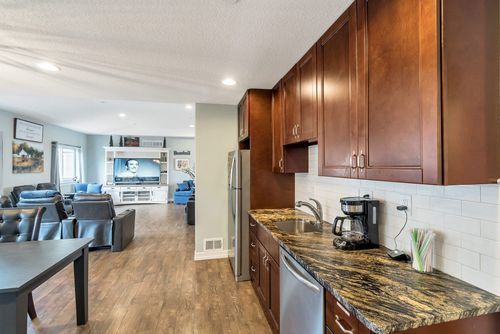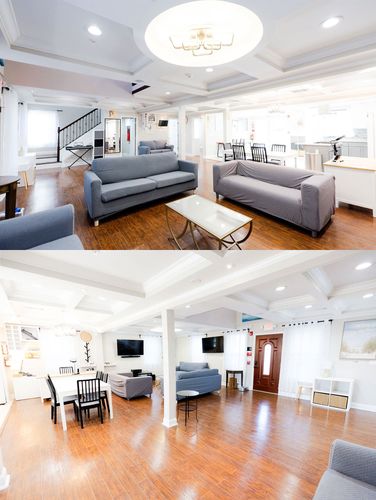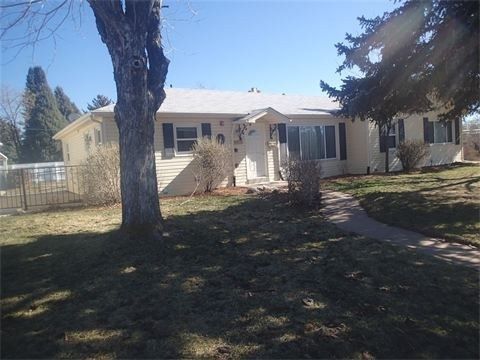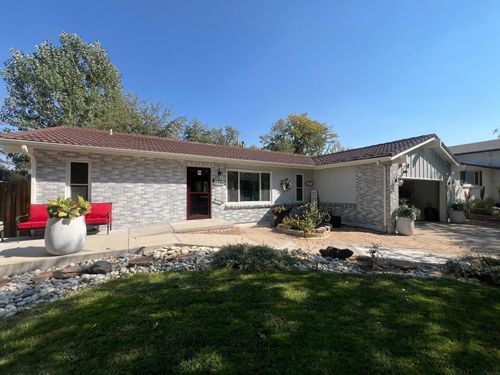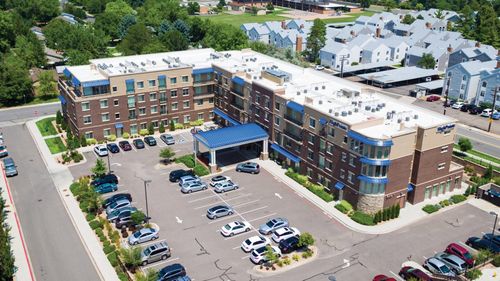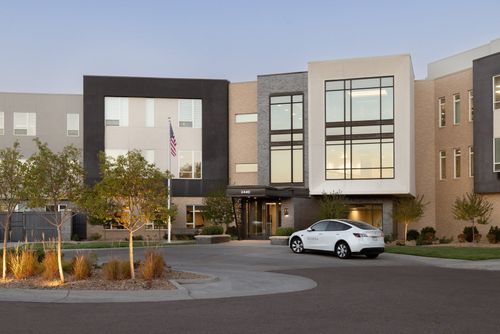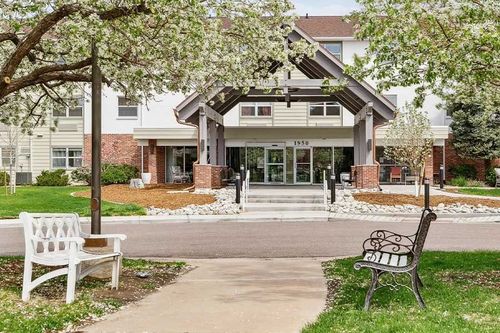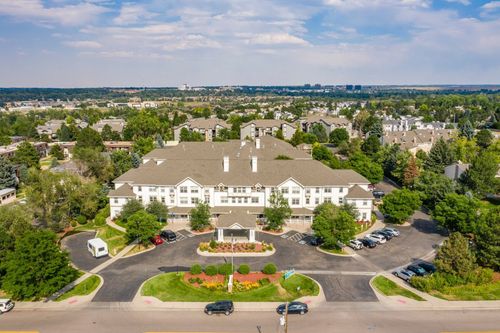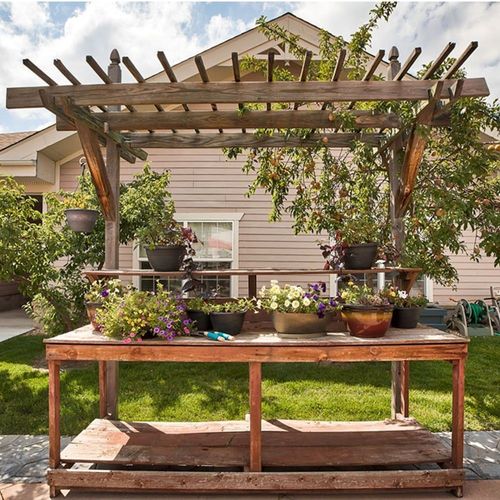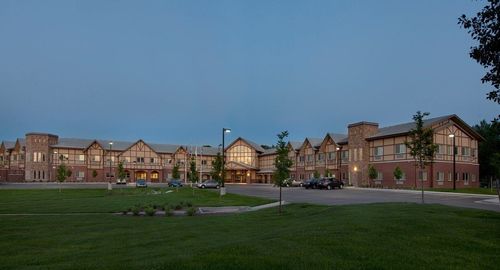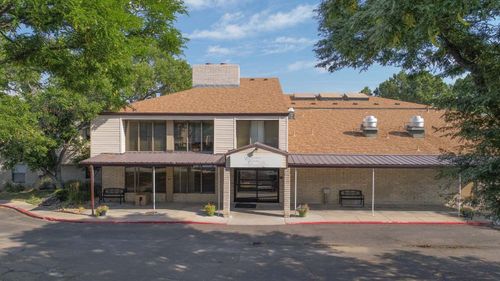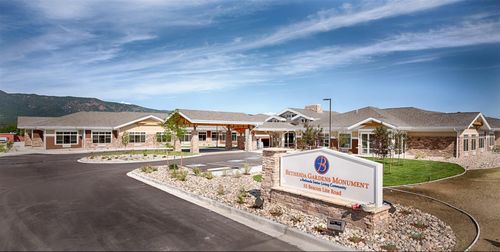


Elbert County does senior living at ranch scale: four residential homes of eight to ten beds each, three inside Elizabeth and one on the county's western edge near Parker, every one a household rather than a campus.
Nearly one in five Elbert County residents is 65 or older in 2026, among the higher shares on the eastern edge of the Denver metro, spread across roughly 30,000 residents on a lot of open ground. That combination, an older population and long distances between towns, is why a handful of local homes matters more here than in a denser suburb.
The Shape of Care in Elbert County
Elbert County's inventory is entirely residential: no large campuses, no independent-living apartments, no skilled-nursing beds.
- Assisted Living: Offered at all four homes, the baseline service every Elbert County family finds regardless of which household they tour.
- Memory Care: Available at two of the four, with support woven into the shared household; neither runs a locked or secured wing, so a family that needs that level of security should say so early.
- Independent Living: Not part of the county's inventory; every published option is already assisted living at some level.
- Skilled Nursing: Also absent; a longer nursing stay is handled through a hospital's discharge and transfer planning rather than a county-based option.
Because every option here is a small residential home, the usual path is choosing by personality and location, not building size.
Hospital and Emergency Care for Elbert County
Emergency and hospital care for Elbert County residents lives outside the county's own borders; no hospital operates within Elbert County itself. Families around Elizabeth and Kiowa, both along Highway 86, typically drive north into neighboring Douglas County for AdventHealth Parker, a 170-bed hospital with a Level II trauma designation and a 32-bed emergency department.
In the county's southern reaches, along Highway 24 near Simla, residents look toward Colorado Springs' hospital systems instead. That split means Elbert County's senior-living homes work closely with whichever hospital network a resident already uses, rather than one county hospital anchoring every case.
Pricing Across Elbert County's Small Homes
Elbert County's pricing story starts with scale: four small homes, each under a dozen beds, price by room type and level of care rather than by size of campus.
Whether a room is private or shared, how much daily assistance a resident needs, and whether memory support is part of the plan move the number more than which of the four homes a family chooses. One of the four also takes short-term respite stays, which price differently than a full move-in.
Why Elbert County Families Stay
What keeps families in Elbert County across generations is the land itself. Ranching and dryland farming built the county's earliest towns, and many families still work acreage that's stayed in the same name for generations, turning a parent's move into a short drive down a county road rather than a move out of the place they've always known.
The Palmer Divide's grassland basins and ponderosa pine ridges give the county a slower pace than the Denver suburbs pressing in from the west, and a rancher's parent who spent a life on that land usually wants to grow older on it too, close to neighbors and a rhythm that hasn't changed in decades.
What a Local Advisor Brings to Elbert County
Four homes sound easy to sort through until a family needs one of them to say yes this month. A Local Senior Advisor knows all four households personally: which one currently works with Health First Colorado's waiver when that coverage matters, which of the two memory-care households can support a specific resident, and how the Parker-side home compares to Elizabeth's cluster of three.
Our directory for Elbert County continues to grow as we evaluate providers for quality and alignment in 2026. Reach out for a conversation about senior living in Elbert County, or browse the communities we have vetted at your own pace.