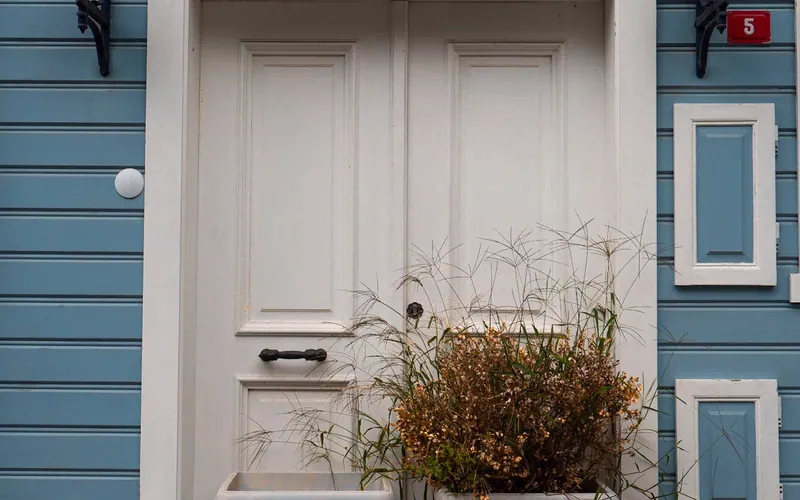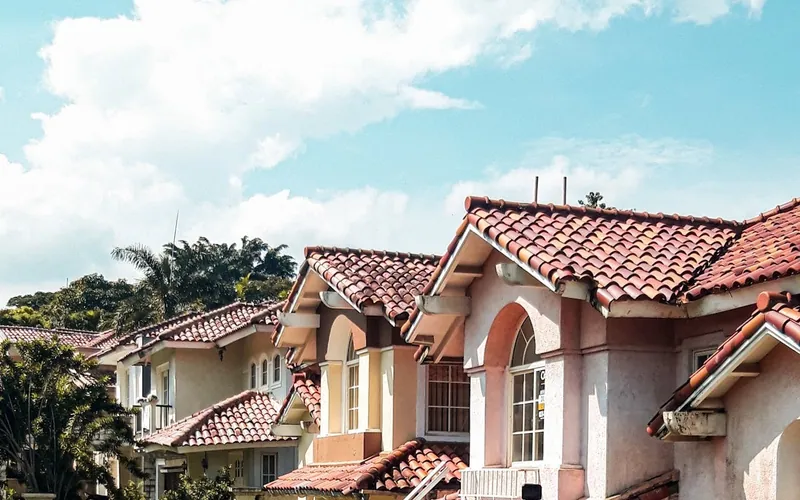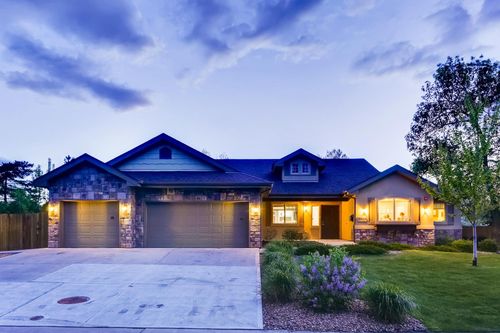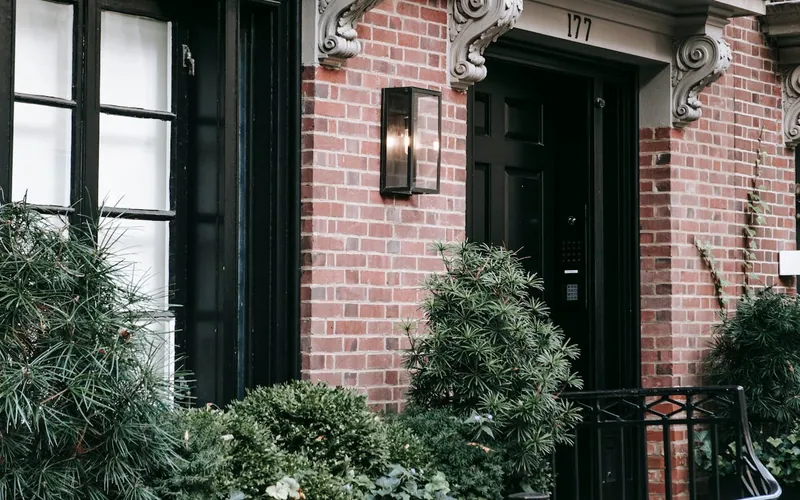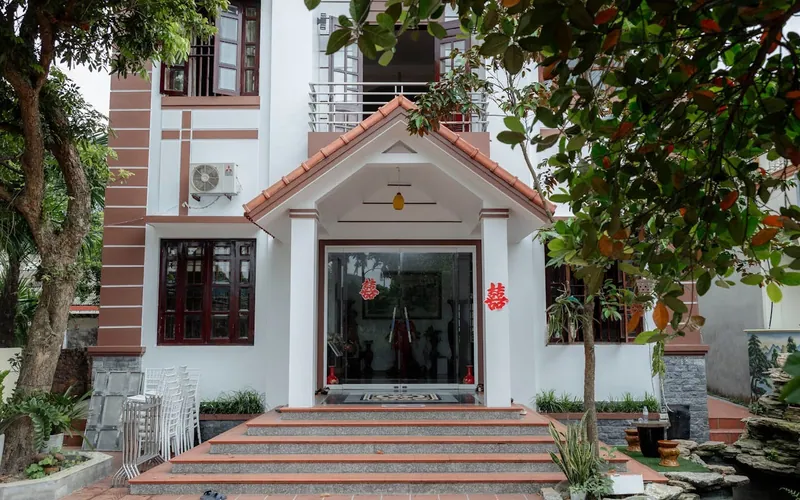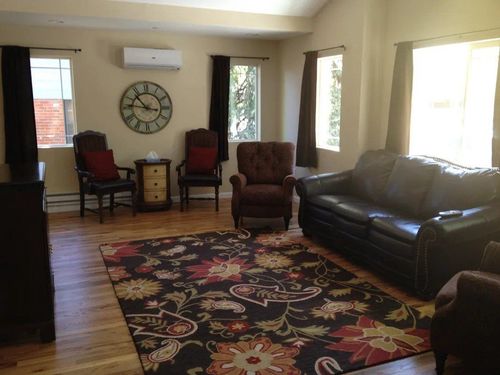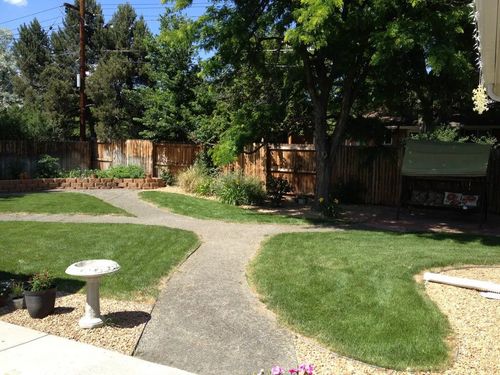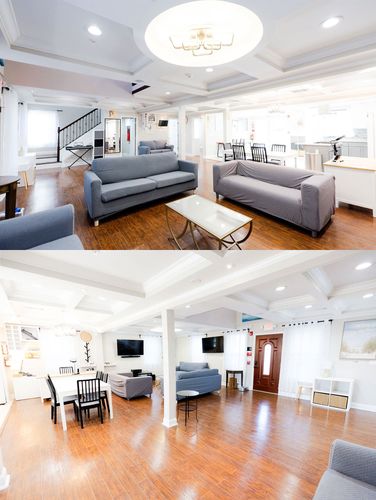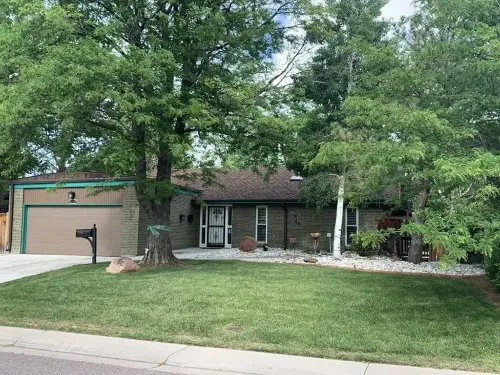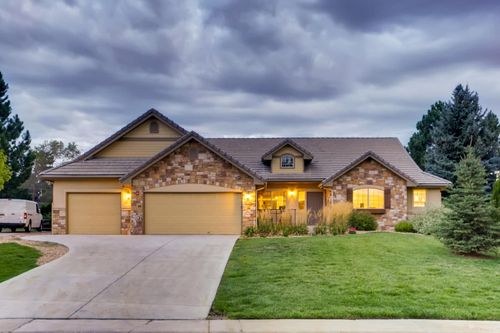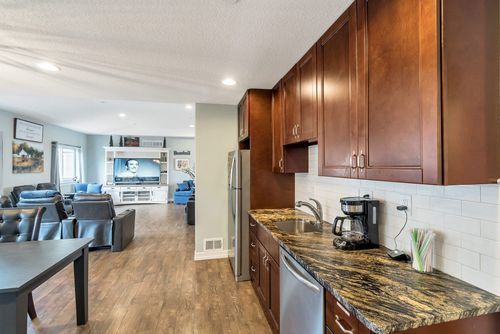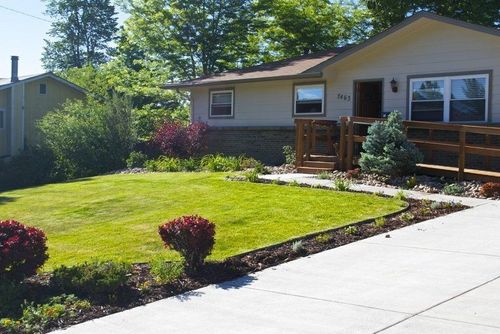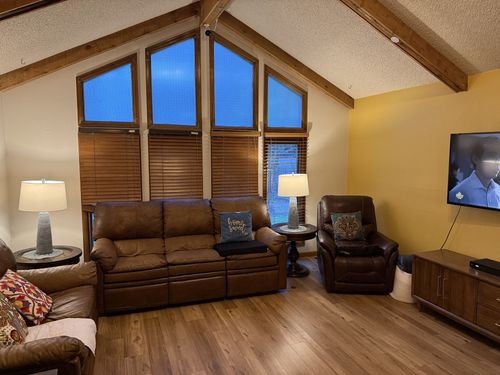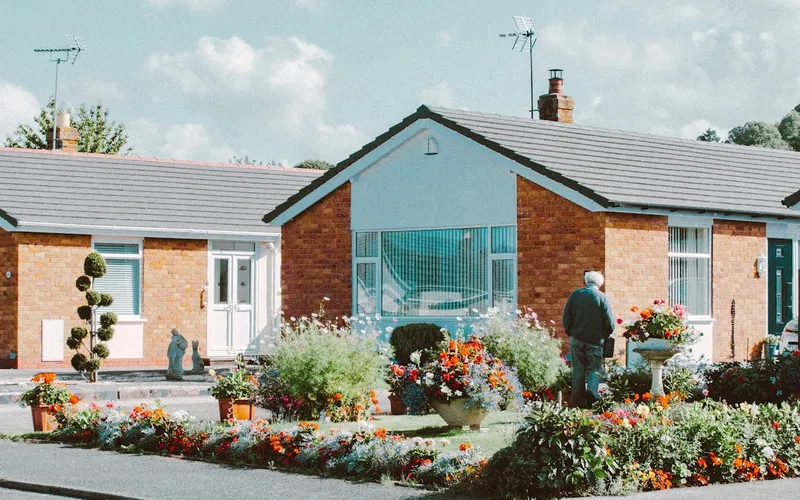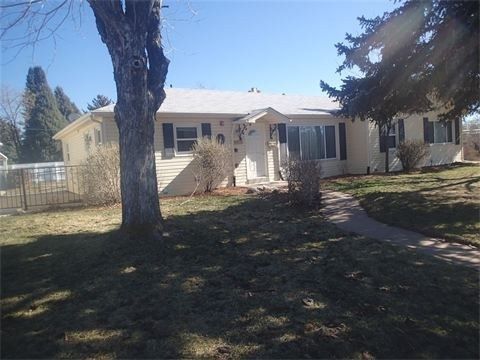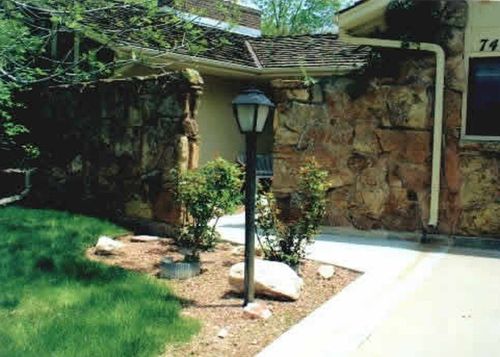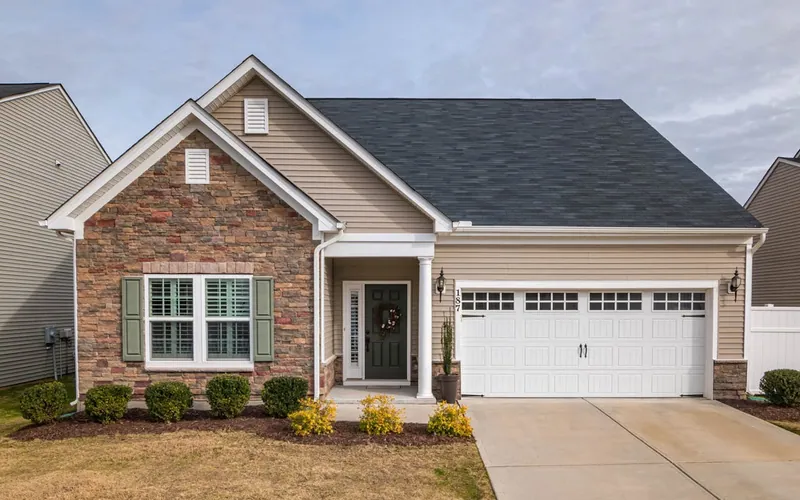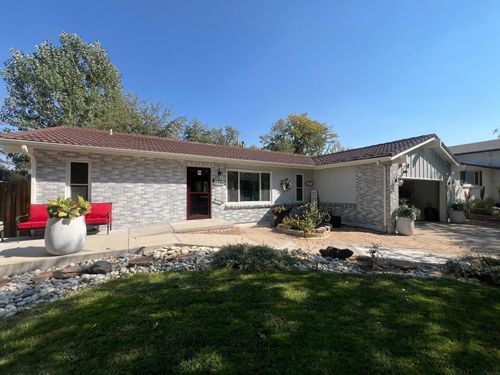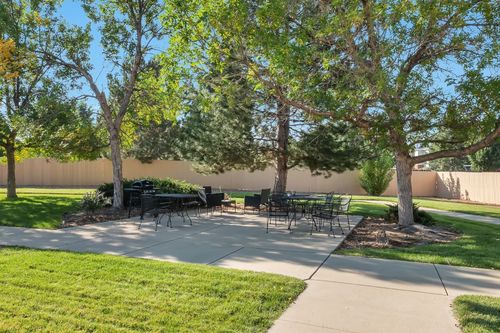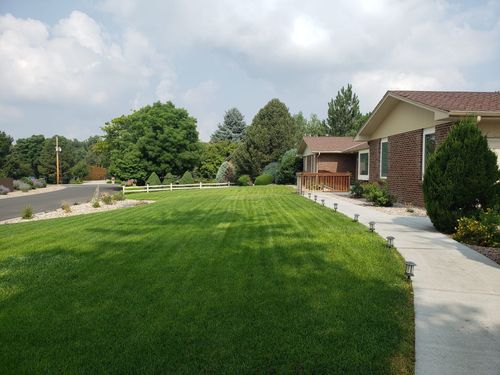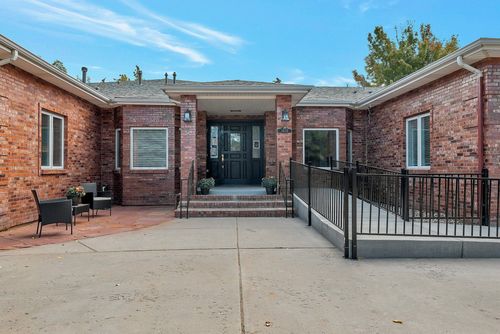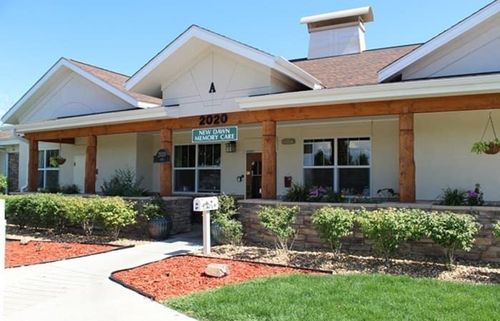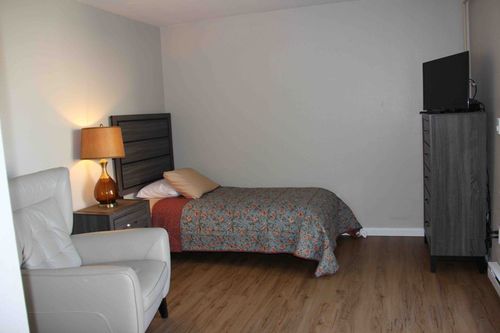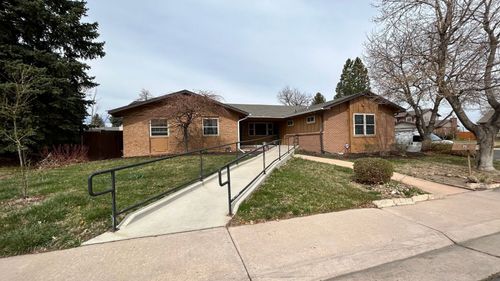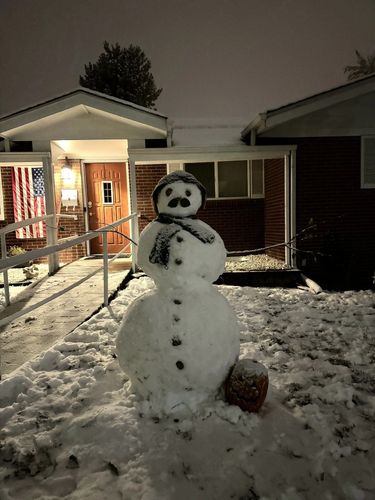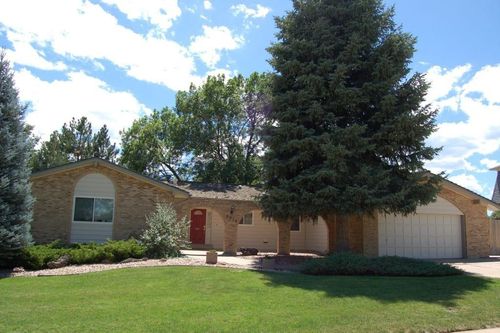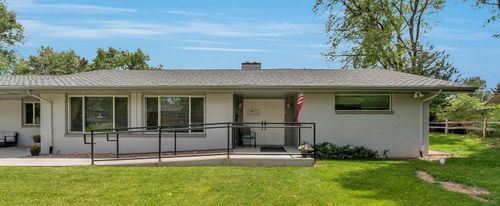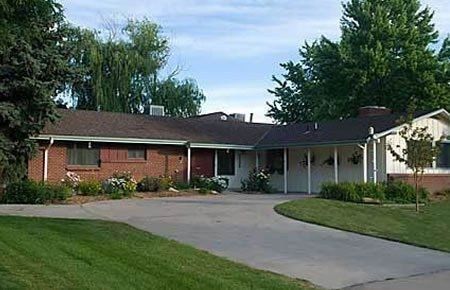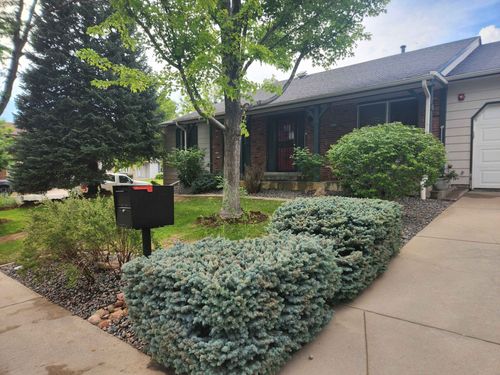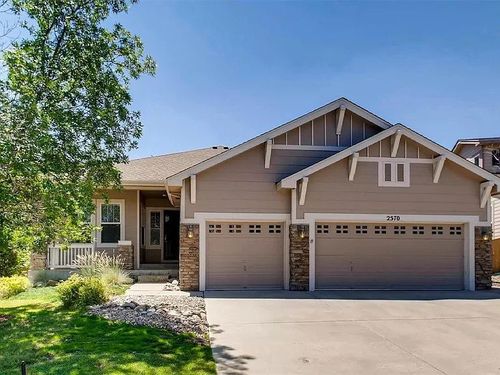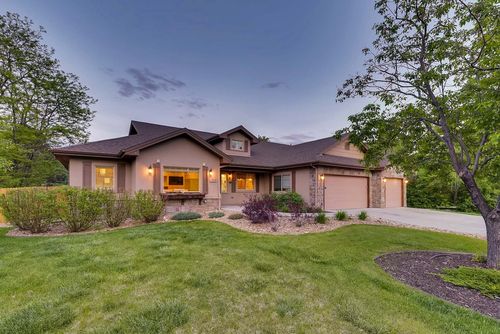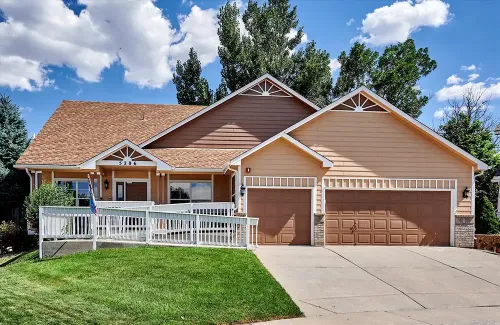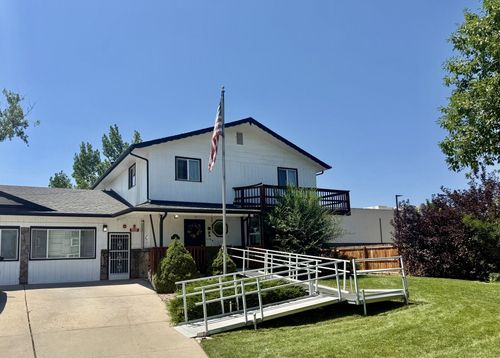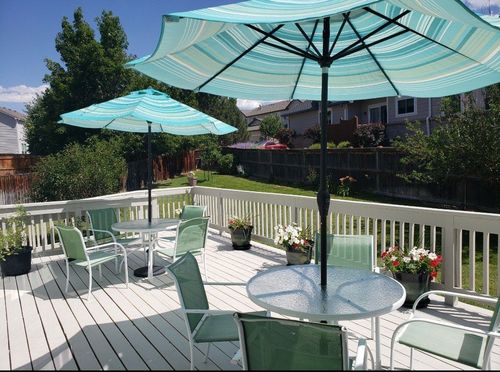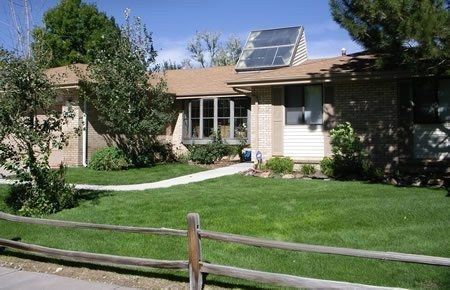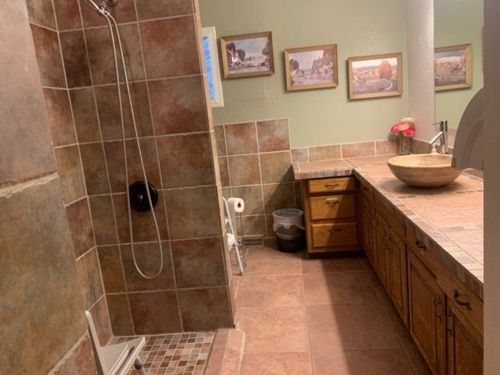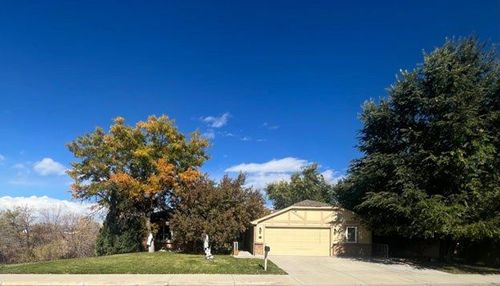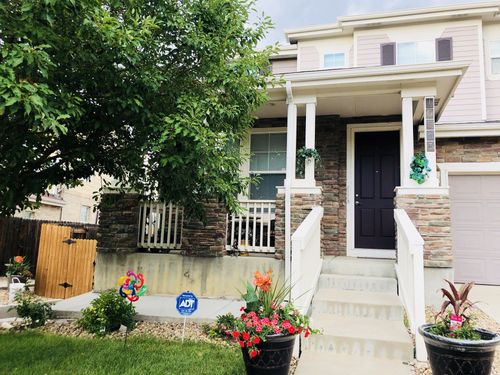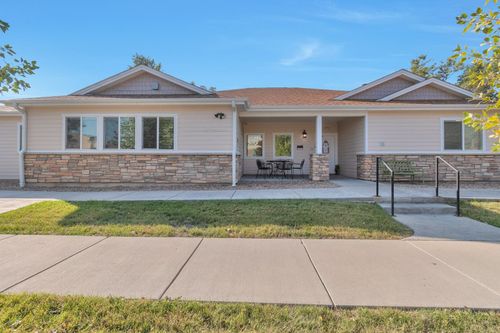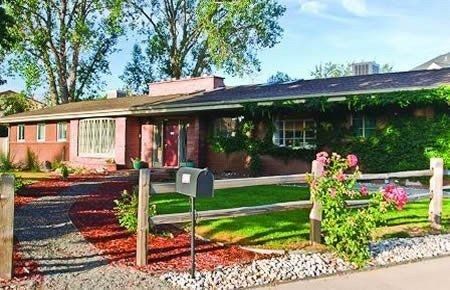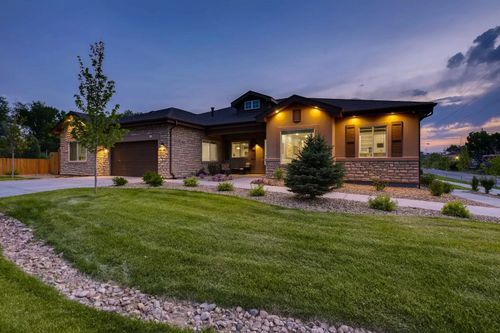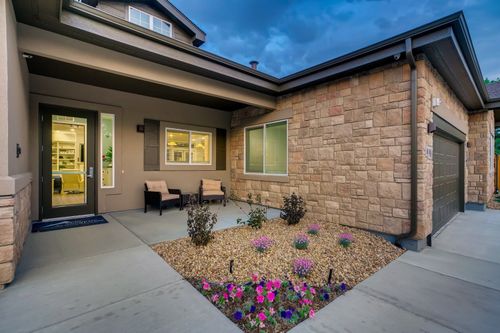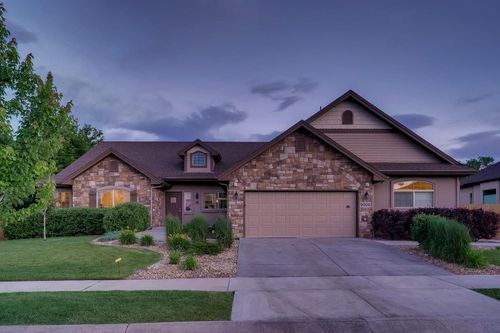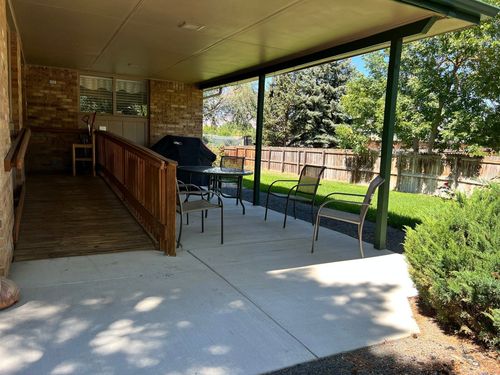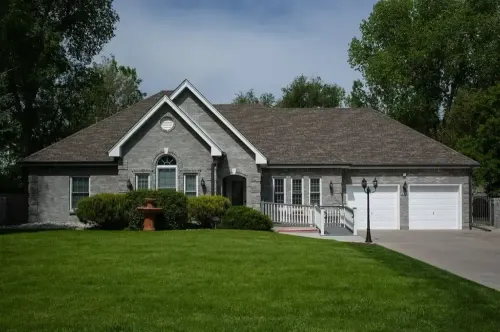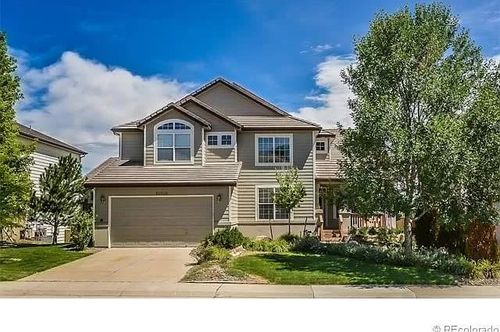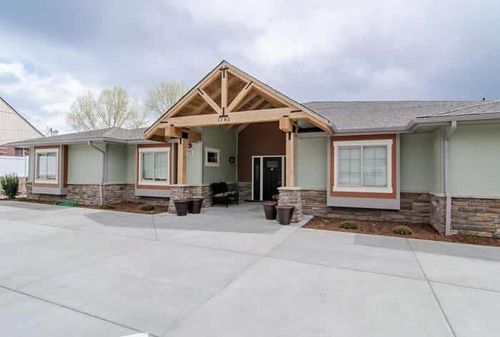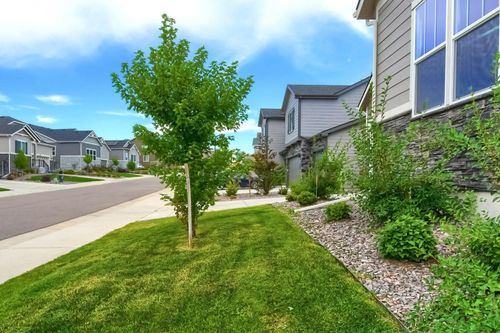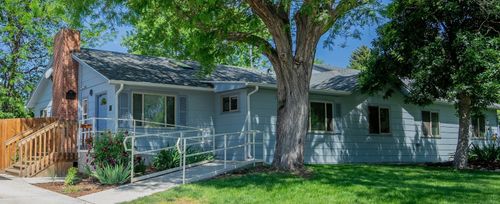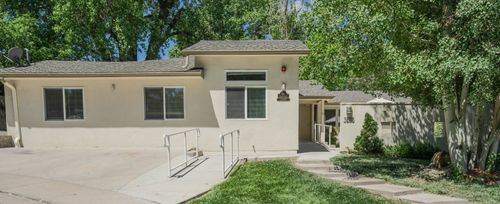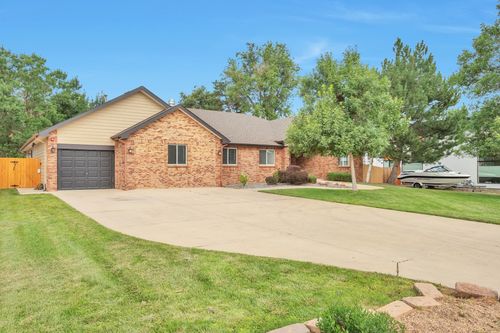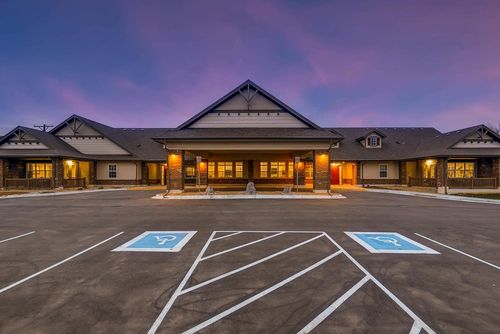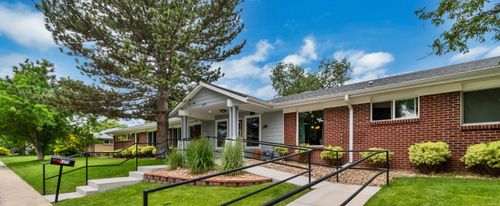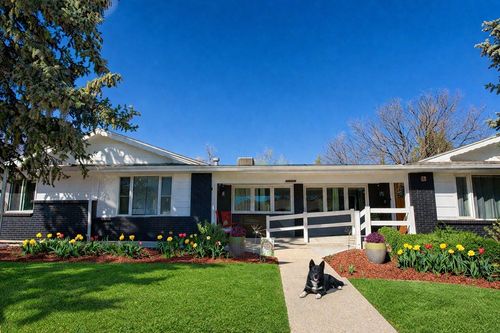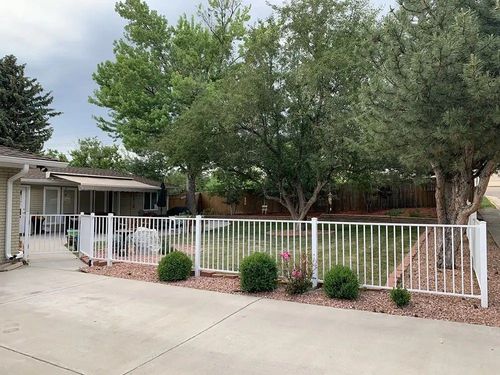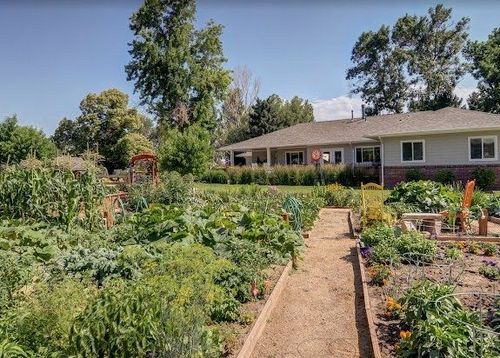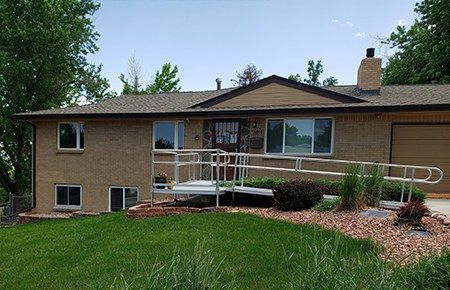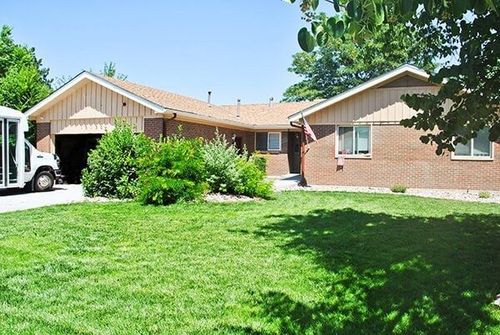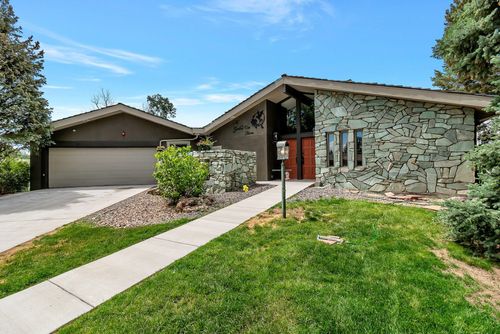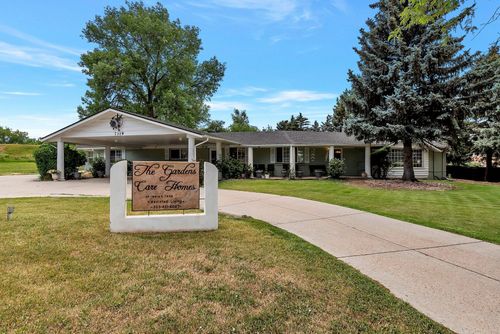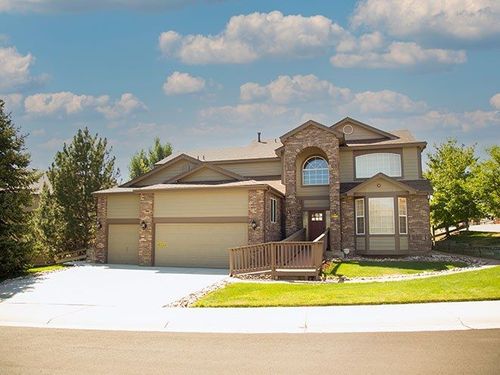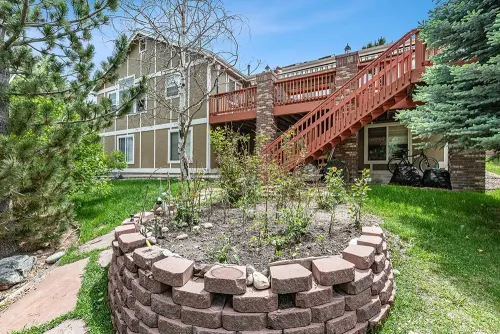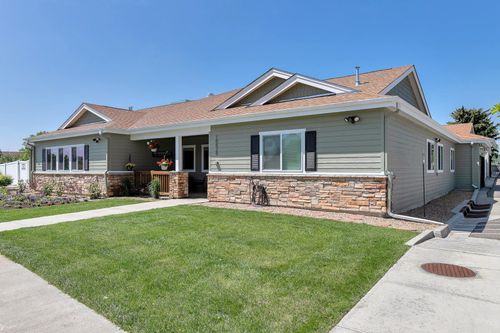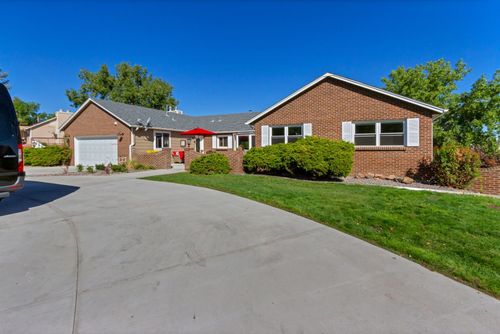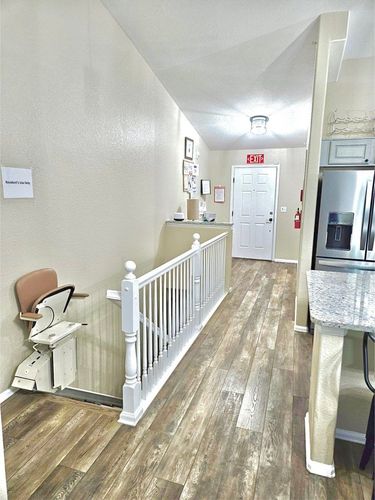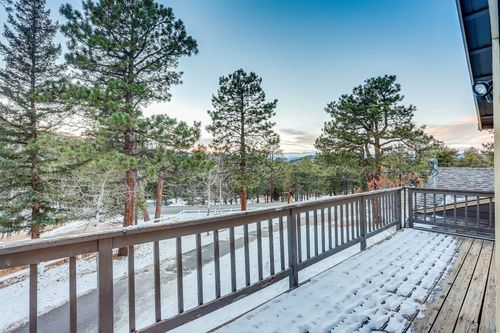
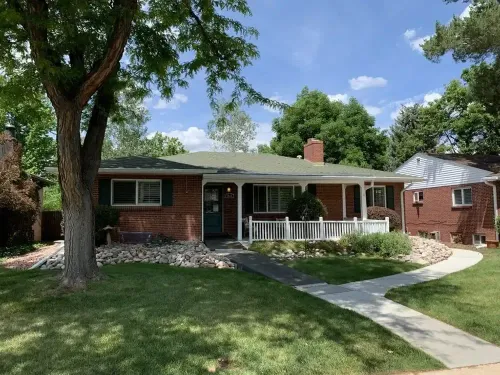
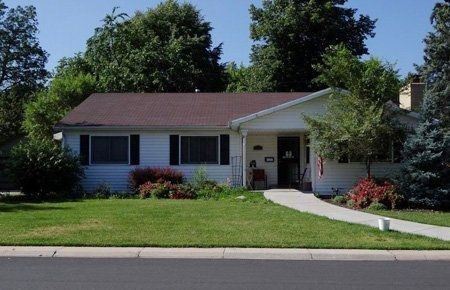
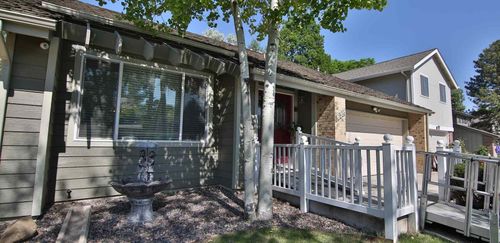
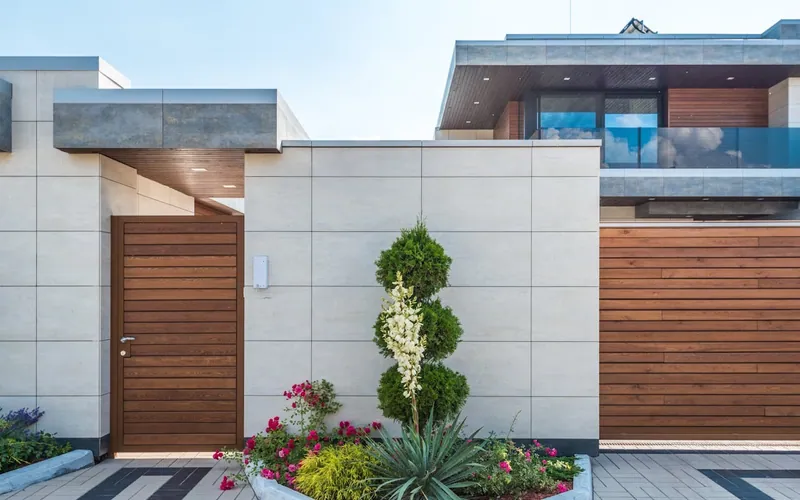

A residential care home is a single-family house in a neighborhood that delivers hands-on senior care to a small group of residents, and Englewood now counts 5 of them. Flourish Supportive Living at Floyd cares for nine residents on East Floyd Avenue and Assured Senior Living cares for eight on South High Street; the rest of Englewood's residential care homes house eight to ten residents apiece, each a small house rather than a multi-story building.
Families look for a home like this in Englewood when a large community feels like the wrong fit, often for a person who would be lost in a hundred-apartment building and would do better where staff know every resident by name. It is a choice about scale, not a step down from a larger campus.
What Living in an Englewood Small Home Is Like
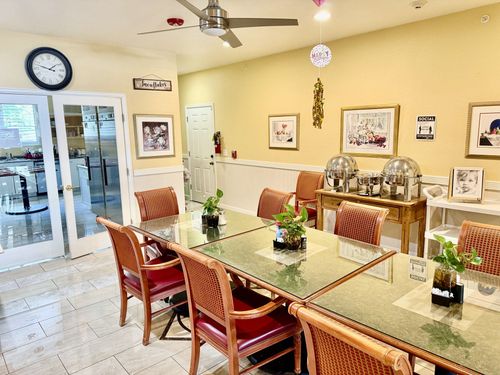
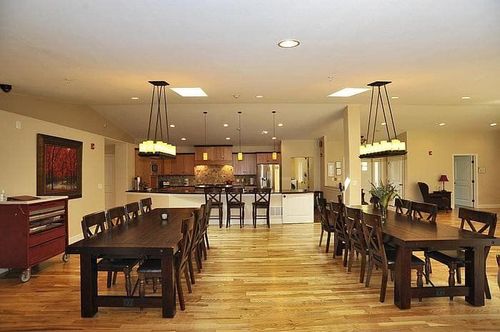
Every Englewood residential care home shares one defining trait: small size, from eight residents up to ten. That scale keeps the staff-to-resident ratio far lower than in a large community, often closer to one caregiver for a handful of residents, which means quicker help and more individual attention. The daily rhythm feels domestic: home-cooked meals around a shared table, help with bathing, dressing, grooming, and mobility, medication reminders, light housekeeping, and around-the-clock supervision.
Every one of these homes offers assisted-living-level care, the everyday hands-on help, rather than clinical nursing, so a resident who comes to need daily skilled nursing has outgrown the setting. The trade-off is real: fewer on-site amenities, a shorter activity calendar, and no nurse on staff. A larger Englewood community offers a fuller schedule and more neighbors, which suits a more social resident. Both are good options for different people.
What a Small Home Costs in Englewood
Small-home pricing runs on its own scale. Spreading staffing across eight to ten residents instead of dozens costs more per month than a larger Englewood assisted living community, and it varies house to house enough that one figure would mislead; an advisor can walk through current pricing for each home. Colorado's Medicaid waiver can offset the care portion of the bill at a home that participates, and among Englewood's residential care homes, only Assured Senior Living on South High Street is currently enrolled. Every Englewood residential care home operates as a licensed assisted living residence under the Colorado Department of Public Health and Environment, so the small scale does not mean a less-regulated setting.
Why Families Choose Residential Care Homes in Englewood
The pull of a Englewood board-and-care home is personal scale. In a house of eight to ten residents, caregivers learn a person's routine and daily habits faster than in a large building, and someone who would withdraw in a crowd often opens up in a smaller group. Meals taste like home cooking, noise stays low, and family visiting finds a calmer, more familiar setting in Englewood.
What a Local Advisor Brings to Englewood
Which of Englewood's residential care homes has an open room shifts month to month, since a house this size turns over rarely, and a single vacancy can decide the timing for a family ready to move. Fit matters as much as timing, and a local advisor can walk through which of Englewood's 5 homes, Flourish Supportive Living, Assured Senior Living, A1 Restorative Care, Millbrook Homes, or Lighthouse Assisted Living's Emporia House, best matches a resident's care level, budget, and whether Medicaid coverage is part of the plan.
Because every one of these homes focuses on assisted-living-level care, needs pointing toward daily skilled nursing get flagged early, so a family does not tour a house that cannot serve the long run. Talk it through with us about residential care homes in Englewood, or browse the communities we have reviewed to compare the small-home and larger-community settings.