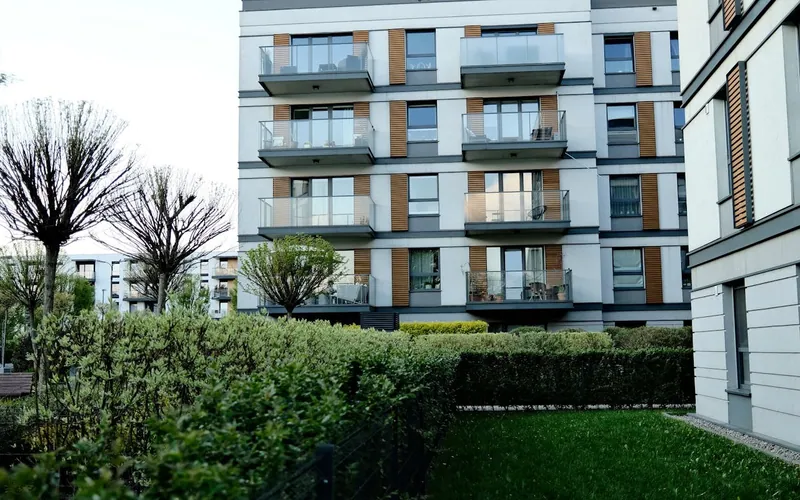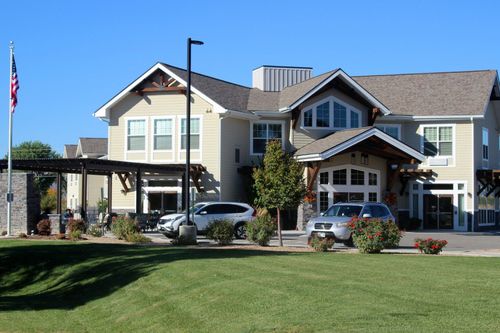

Grand Junction serves as the primary medical and residential hub for Western Colorado families navigating a changing dementia diagnosis. When cognitive changes require more support than a family can safely provide at home, the local landscape offers a handful of specialized memory care communities. Families must choose between purpose-built environments designed exclusively for cognitive support and secure memory care wings situated inside larger assisted living properties. Identifying which structure best suits a loved one is a critical first step.
Secured environments here focus on minimizing confusion while maximizing independence. Properties range from small, intimate settings with as few as eight beds up to larger, fully equipped communities with eighty beds. Choosing the right physical layout depends heavily on whether your family member thrives in a quiet, household-style setting or a more active, structured environment.
Daily Rhythms and Cognitive Support
Daily life in a local memory care community centers on structured routines that preserve dignity and promote engagement. Dedicated care teams guide residents through familiar daily patterns, balancing physical movement, social interaction, and quiet periods. Activities are tailored to individual cognitive abilities, reducing frustration and fostering a sense of accomplishment.
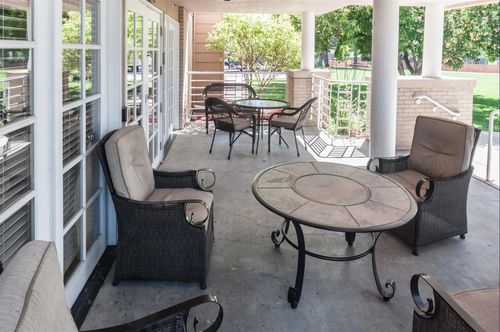
Physical spaces are intentionally laid out to reduce anxiety and prevent disorientation. Safe outdoor courtyards allow residents to enjoy the high-desert sunshine without safety risks, while secure indoor paths encourage independent wandering. Gentle cueing during meals and dressing helps individuals maintain their functional skills for as long as possible.
The Cost of Specialized Care in Mesa County
Secured memory care requires a higher level of staffing and specialized training, which is reflected in local pricing structures. In the Grand Junction area, memory care rates generally range from $3,800 to $6,250 per month. These figures vary based on the layout of the secure space, the size of the room, and the overall volume of daily physical assistance required.
Local families will find distinct options at various price points within the catalog. For example, Solange at Bookcliff Manor features options starting at $3,800 per month, representing the lower end of the local pricing spectrum. Conversely, purpose-built communities like Cappella of Grand Junction feature monthly rates starting at $5,500, which aligns with the average cost for comprehensive, specialized cognitive care in Mesa County.
Meeting the Needs of Western Slope Seniors
As the population ages across the Western Slope, the demand for dedicated memory care options in Mesa County continues to grow steady. Many families choose to move their parents to Grand Junction from smaller, outlying mountain towns to ensure immediate proximity to specialized geriatric medical resources and regional hospitals.
This influx of seniors has driven local communities to refine their environments, focusing heavily on specialized dementia training for staff. Because options are limited to a handful of local properties, families often need to plan ahead to secure a spot in their preferred layout, especially if they are looking for specific room sizes.
Why Families Choose Memory Care Locally
Mesa County families value keeping their loved ones close to the familiar landscapes of the Grand Valley. Local communities often design their secure spaces to incorporate natural light and views of the Book Cliffs or Colorado National Monument, providing a comforting, localized backdrop that can ease transition anxiety.
Choosing a local community also ensures that family members can visit frequently, which is vital for maintaining emotional connections and monitoring well-being. The proximity to regional medical specialists allows for seamless coordination between the residential care team and outside physicians, ensuring that changes in health are addressed quickly.
Navigating the Local Selection Process
Finding the right fit involves analyzing current openings and understanding the long-term financial landscape. Only one local memory care option accepts Medicaid, making timing and financial planning incredibly critical for families who may eventually need to transition from private pay to state assistance.
Transitions often happen quickly, particularly during a discharge from a local hospital or rehabilitation center when returning home is no longer safe. Matching a senior's specific behavioral patterns and physical needs with the physical layout of a building ensures long-term stability. A short conversation with a local professional can help you talk it through and clarify your options when you reach out.
The Grand Junction directory continues to grow as we evaluate providers for quality and alignment in 2026. Start the conversation about memory care in Grand Junction, or look through the buildings we cover at your own pace.