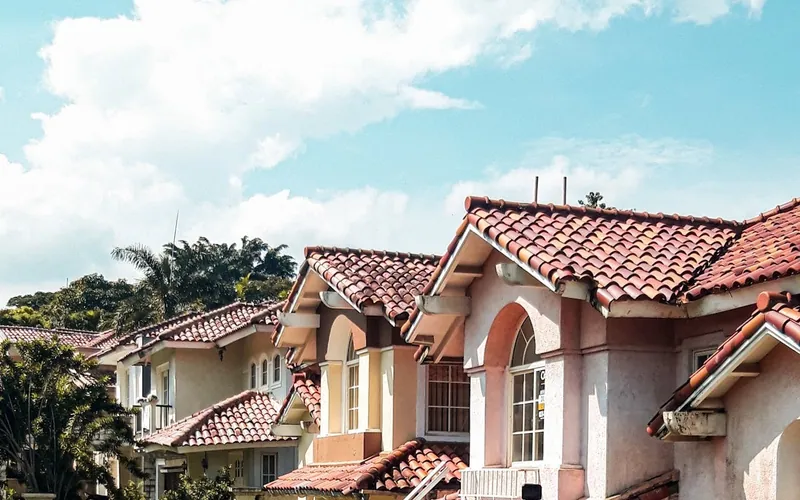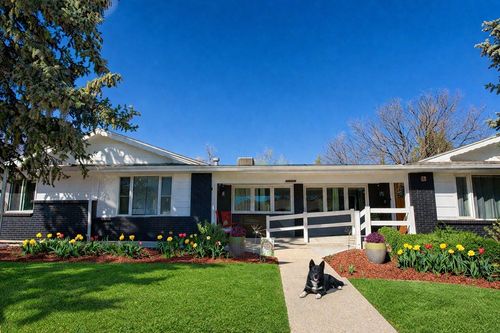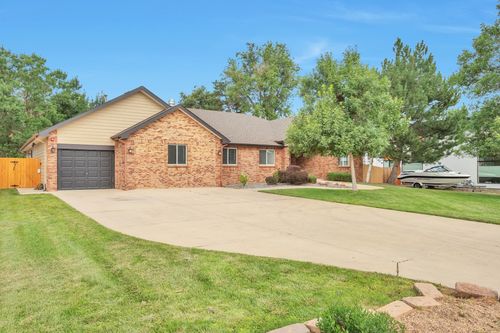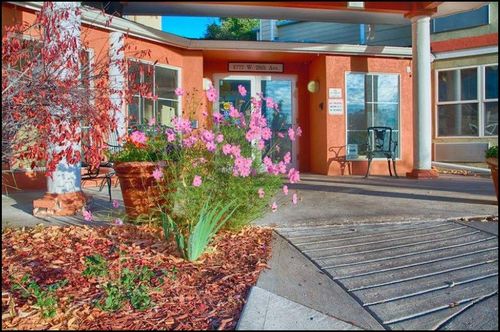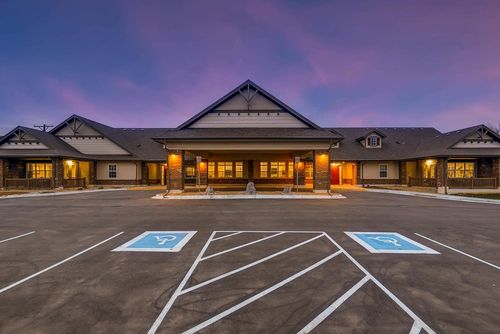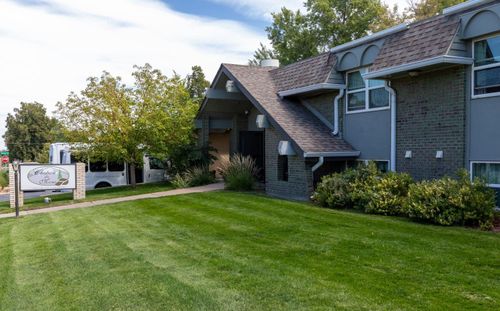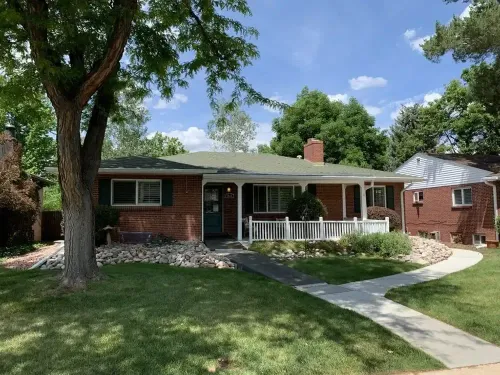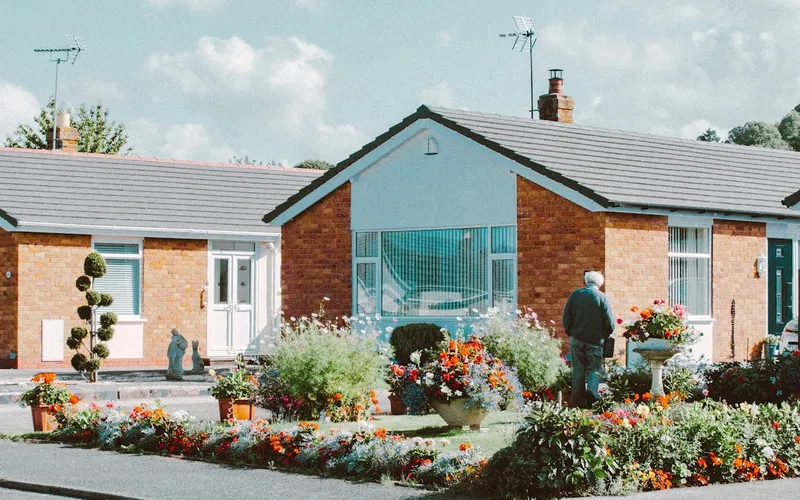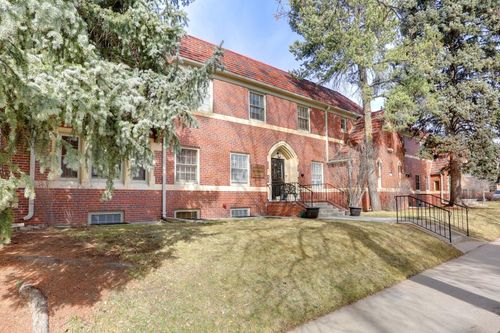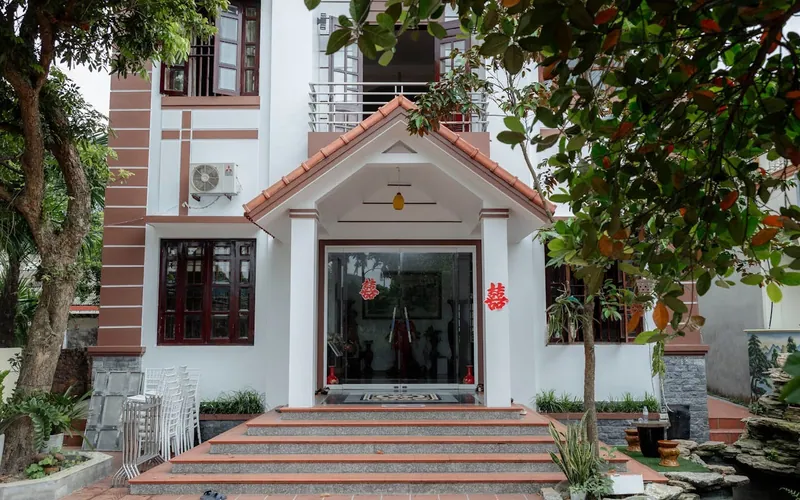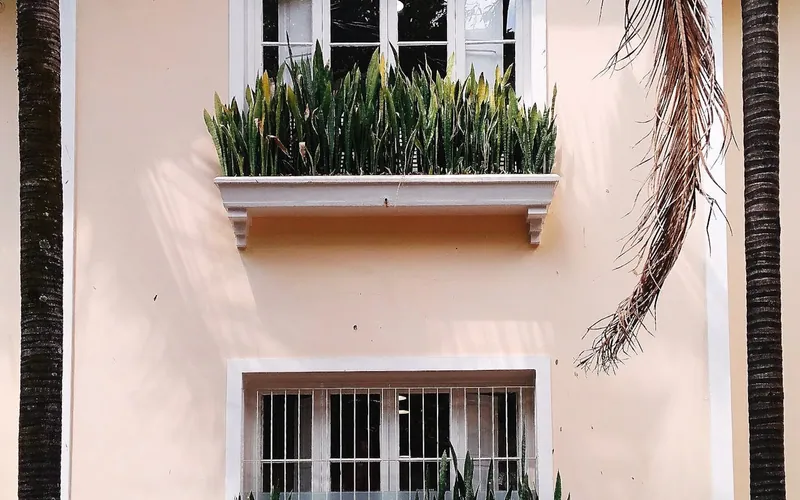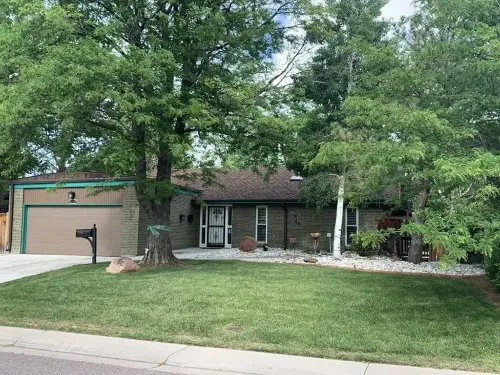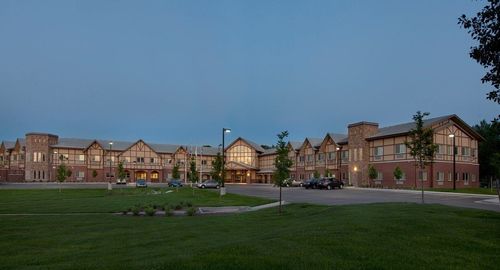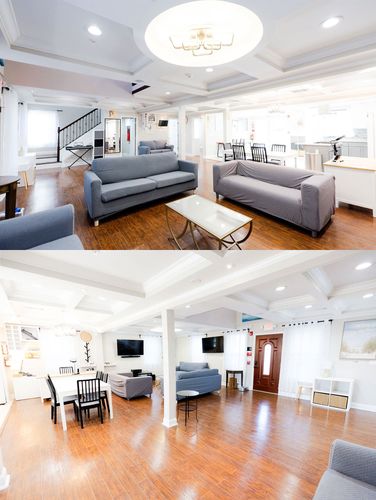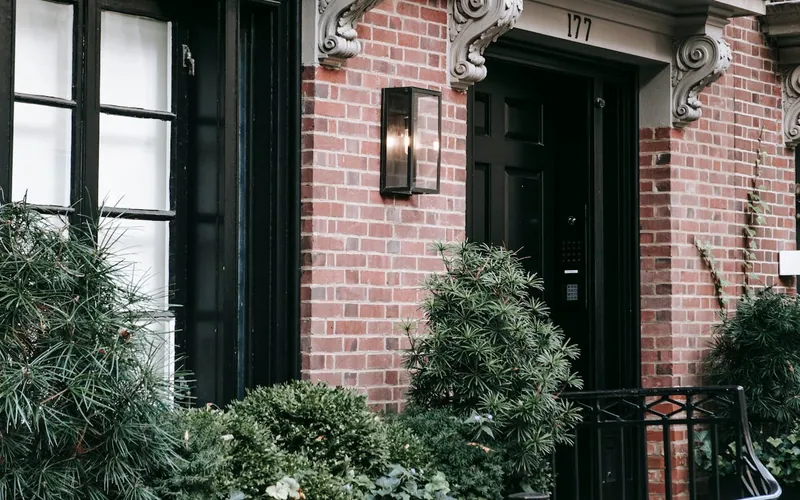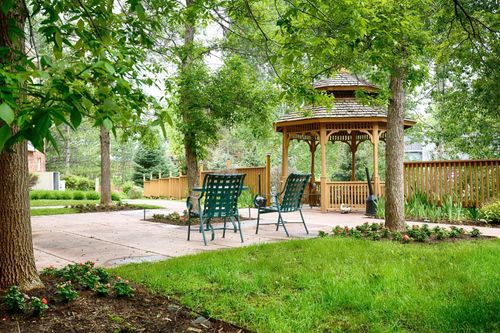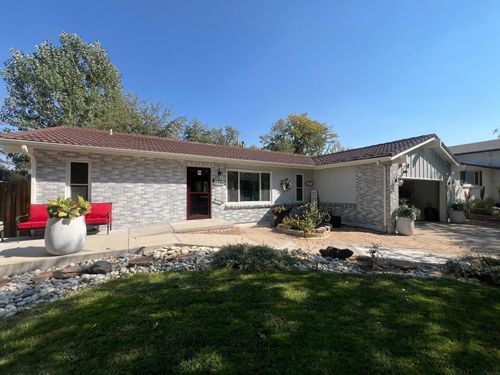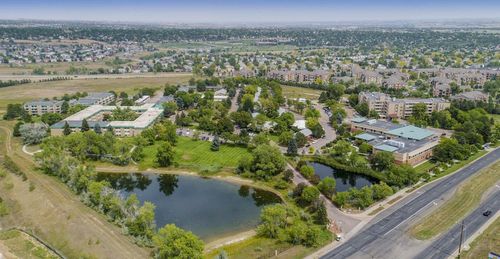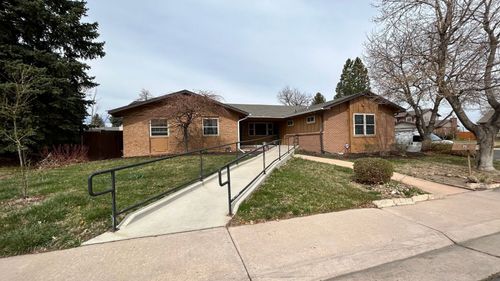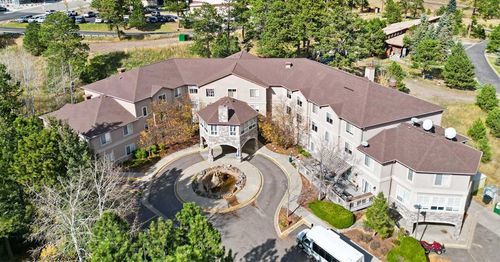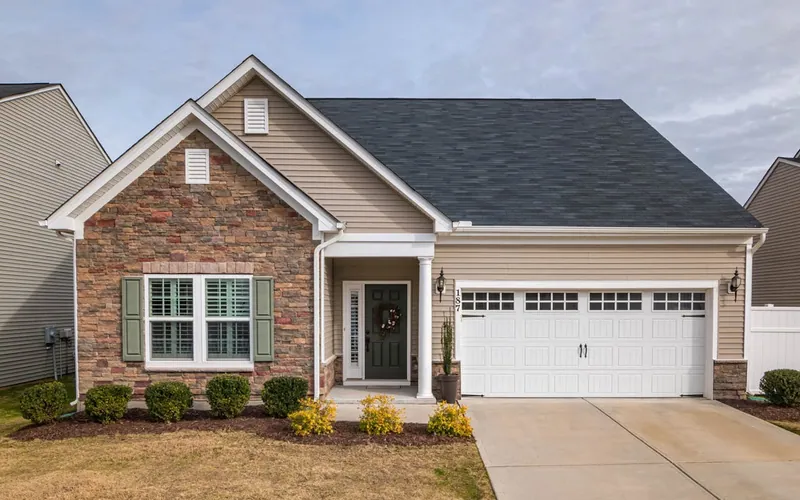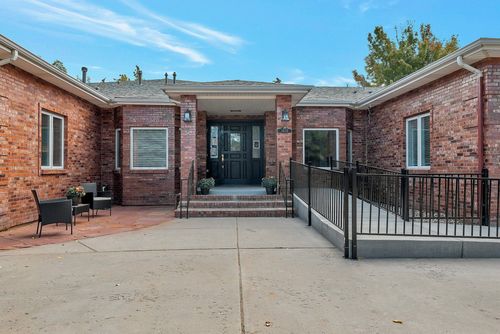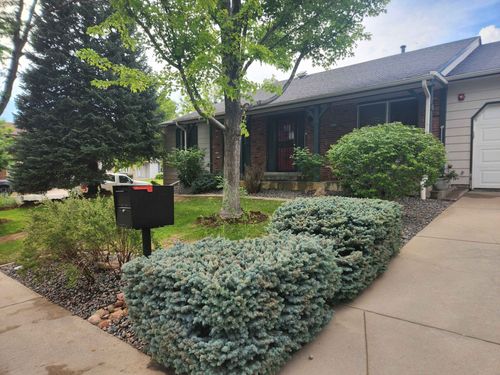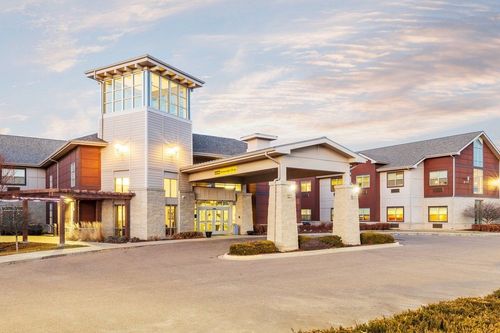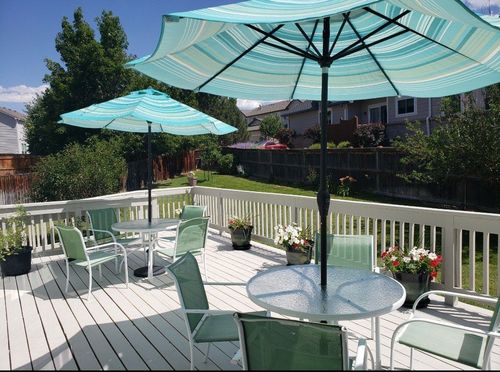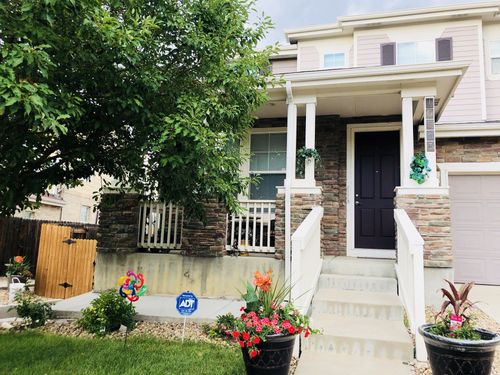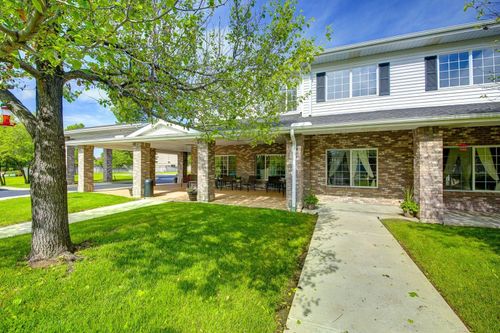
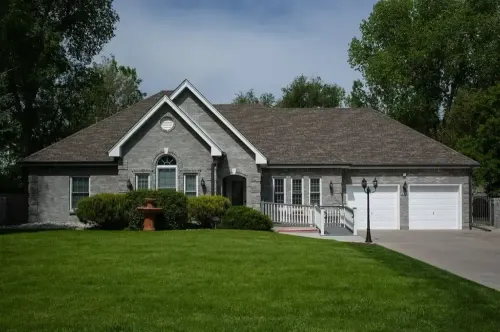
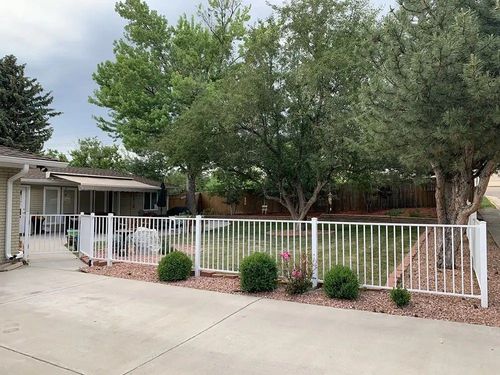
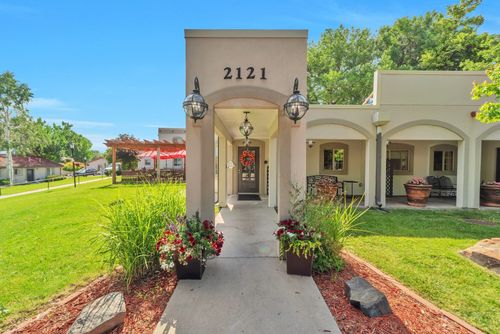
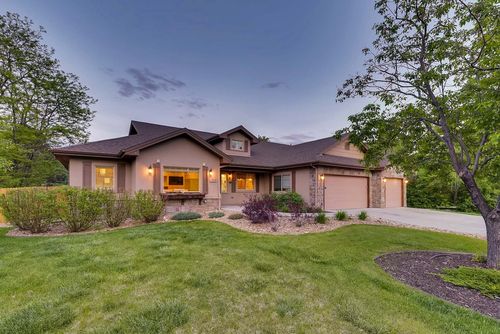
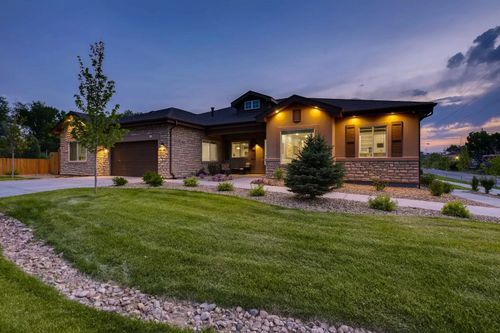
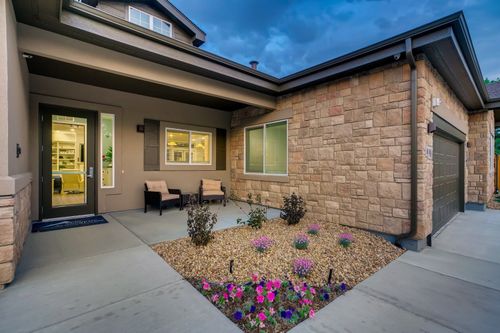
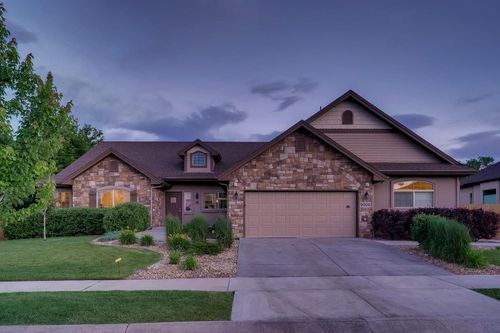
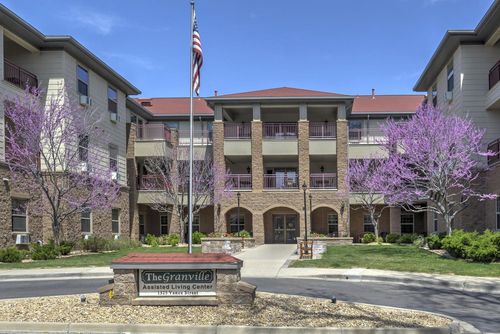
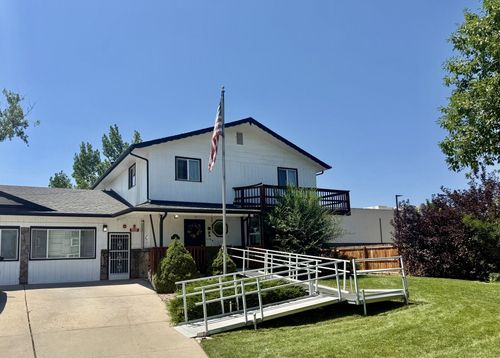

Most of the senior living that accepts Health First Colorado in Lakewood is not the large campus families picture. It runs through the city's licensed care homes, the regular houses on streets like South Fenton, Reed, Ammons, and Saulsbury that hold ten to fifteen residents each, with a few larger buildings such as The Granville Assisted Living Center on Vance Street and Gardens Care Senior Living on Wadsworth rounding out the set. 15 Lakewood communities currently accept Medicaid across the assisted living and memory care these homes provide, clustered in the older, more affordable blocks near Belmar and up toward Edgewater in the 80214 and 80226 zip codes.
Families reach for these communities in Lakewood when the cost of care starts to outrun a parent's savings and they need a licensed setting that Medicaid can help fund without uprooting someone from the west metro. The path is steady and well worn here: qualify for the waiver, keep the room-and-board portion covered from monthly income, and stay in a home near the family already living along the Sixth Avenue and Wadsworth corridors.
How Medicaid-Accepting Care Works in Lakewood
The Lakewood communities that accept Medicaid deliver assisted living and memory care the same way their private-pay neighbors do. The difference is who pays the care portion of the bill. In Colorado, Medicaid runs as Health First Colorado, and the relevant benefit for assisted living and memory care is the Alternative Care Facility benefit funded through the Home and Community-Based Services Elderly, Blind, and Disabled Waiver. It covers the hands-on care services a resident receives: help with bathing, dressing, medication, and the daily supervision a licensed Alternative Care Facility provides.
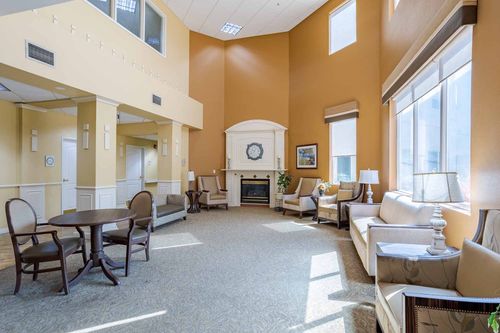
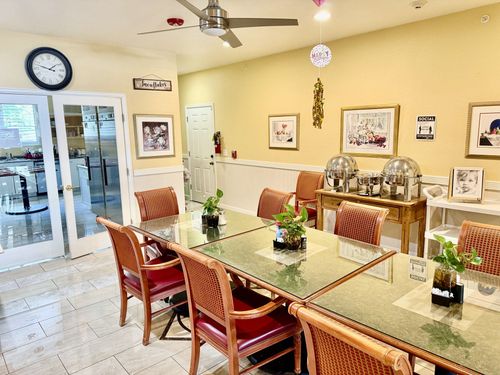
Because so much of the Lakewood set is small care homes, a Medicaid-funded resident here typically lives in a shared or private room inside a neighborhood house with a handful of others rather than an apartment in a tower. The waiver supports nursing-facility level of care, so the homes that accept it are equipped for residents who need real daily help, including several Newland Street, Saulsbury Street, and South Hoyt addresses that run secured memory care for dementia. A resident on the waiver gets the same meals, the same caregivers, and the same routine as a private-pay neighbor in the same home.
What Medicaid Covers and What Families Still Pay
Private-pay assisted living in the Lakewood area generally runs in the $4,700 to $6,500 a month range, in line with the latest national cost-of-care figures for Colorado in 2026, which place the state's assisted-living median near $5,300 a month. For residents who qualify, the Alternative Care Facility benefit closes most of that gap by covering the care-services portion.
The part Medicaid does not cover is room and board. A resident on the waiver still pays the housing-and-meals portion, usually from monthly income, while the benefit handles the care. Eligibility is means tested: as of 2026, a single applicant for long-term-care Medicaid in Colorado must have monthly income at or below $2,982 and countable assets at or below $2,000, with a higher protected resource allowance for a spouse who stays in the community. Independent living is never covered, because Medicaid funds care and independent living carries no care need; skilled nursing follows a different, institutional Medicaid path that does include room and board.
Availability Across the Lakewood Inventory
Lakewood sits in Jefferson County, one of the larger senior populations on the Front Range, and its deep bench of small care homes means more of the local inventory accepts Medicaid than in many neighboring cities. That depth matters because the waiver is capacity managed through a regional case-management process, so a qualifying resident is not guaranteed an open waiver-funded room the day they apply. Small homes in particular hold only ten to fifteen beds each, and not every Medicaid-accepting building holds a waiver-funded room open at any given moment, so the right opening at the right home moves quickly. The practical reality is that timing and the specific home matter as much as eligibility, which is why families often start the search well before a move becomes urgent.
Why Families Choose Medicaid-Accepting Communities in Lakewood
Staying put in Lakewood keeps a resident close to everything that already structures their week. A resident keeps the same grandchildren visiting after school, the same congregation, the same drive to St. Anthony Hospital for follow-up care, and family stays five minutes away rather than across the state. Lakewood's licensed care homes let a family fund care through the waiver without trading proximity for coverage, which is the choice many households dread facing. For a family watching savings shrink, that combination, real care in a real neighborhood that Medicaid helps pay for, close to the people who visit, is the reason these communities exist.
What a Local Advisor Brings to Lakewood
A local advisor keeps a current read on which Lakewood homes hold open waiver-funded rooms, since the small homes near Belmar and along the Edgewater blocks turn over a bed at a time and the picture changes week to week. The advisor knows which addresses run secured memory care versus assisted living only, which sit closest to a family's side of the city, and how the Alternative Care Facility benefit lines up with a household's income and assets.
That knowledge collapses a list of 15 communities down to the two or three worth touring first, by neighborhood, care level, and eligibility timing. Start the conversation about Medicaid-accepting senior living in Lakewood, or browse the communities we have reviewed at your own pace.