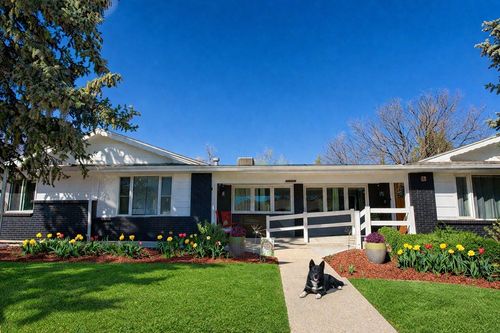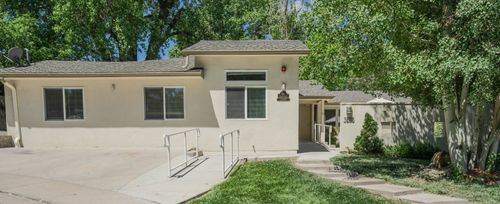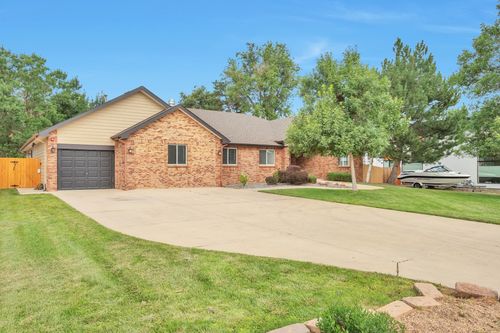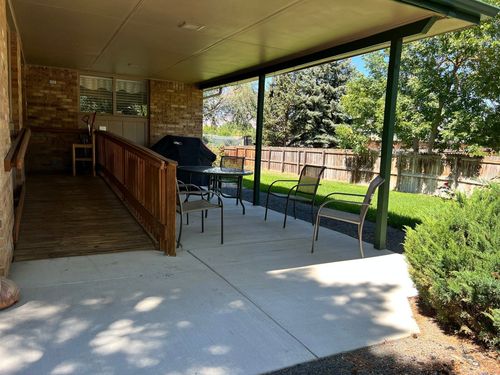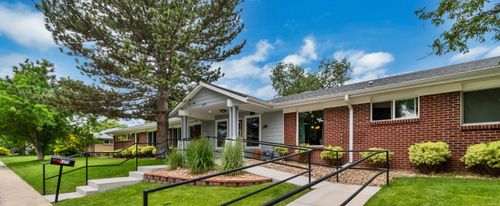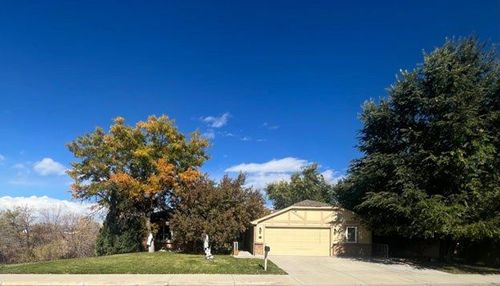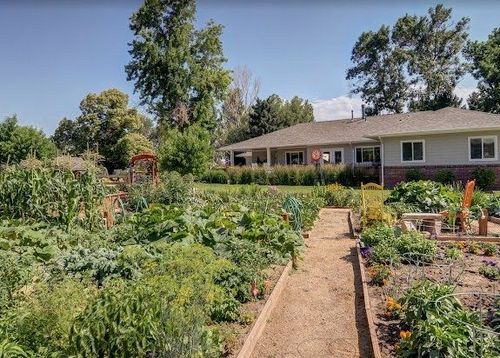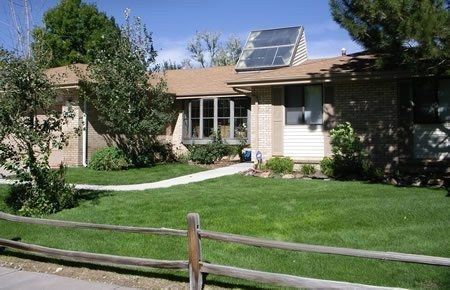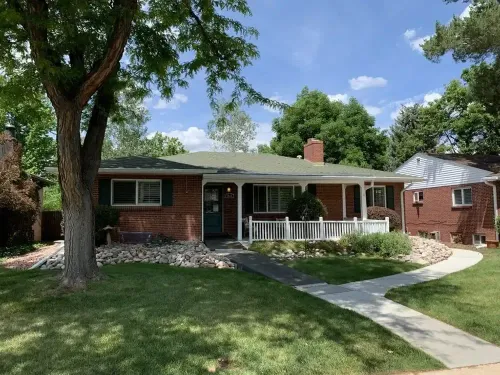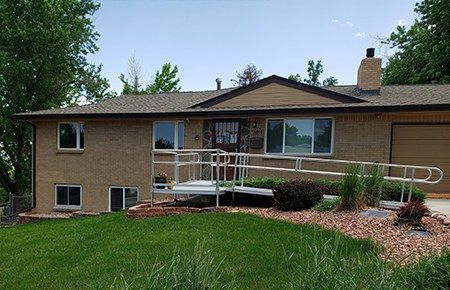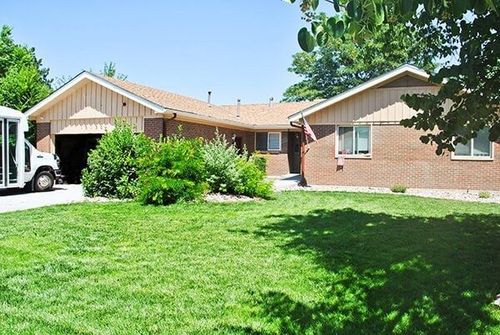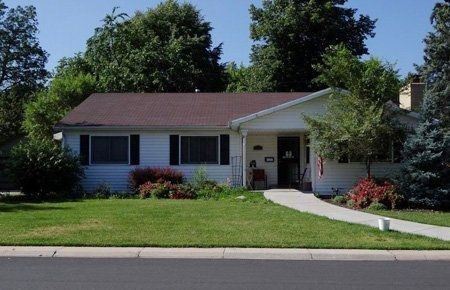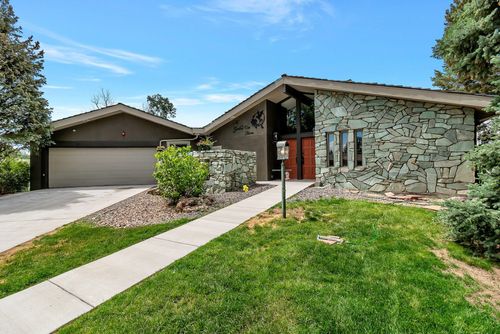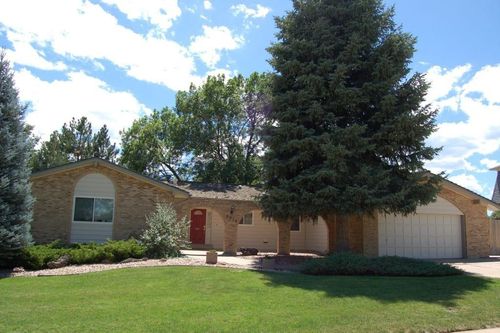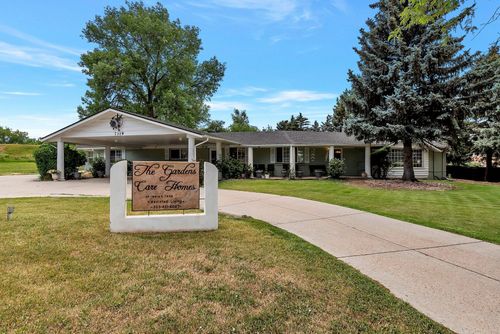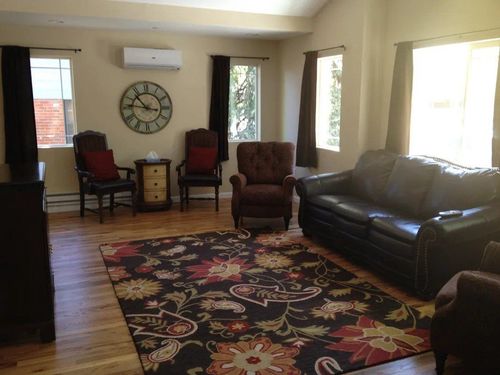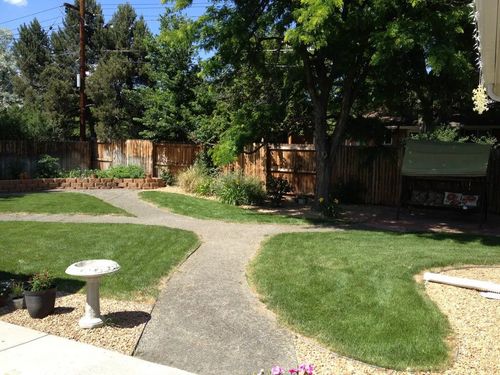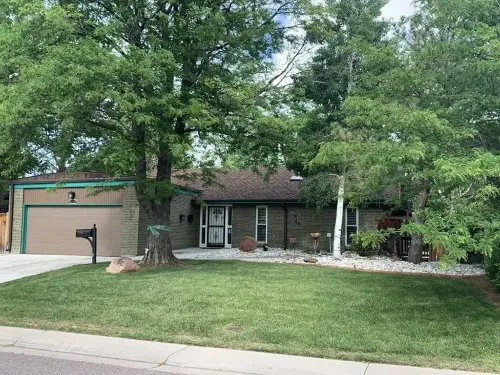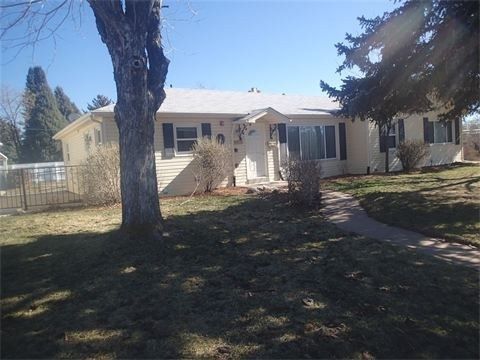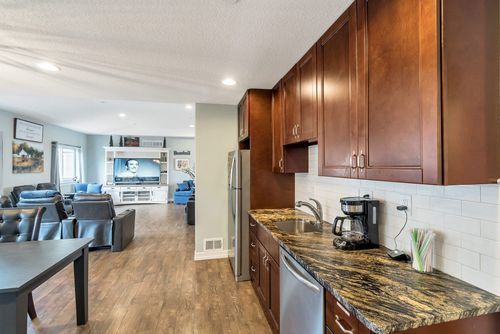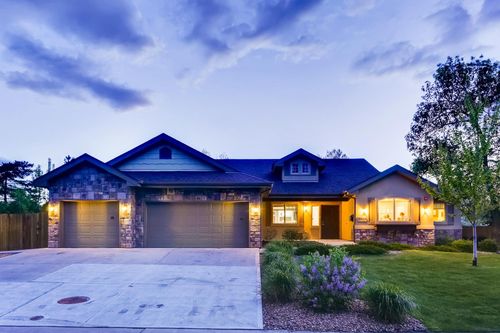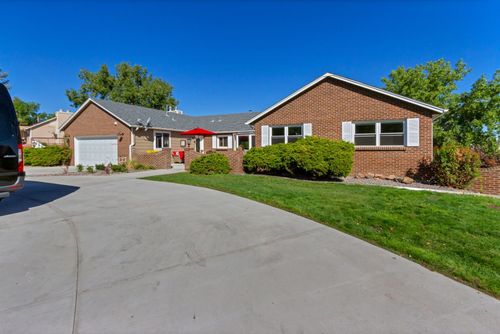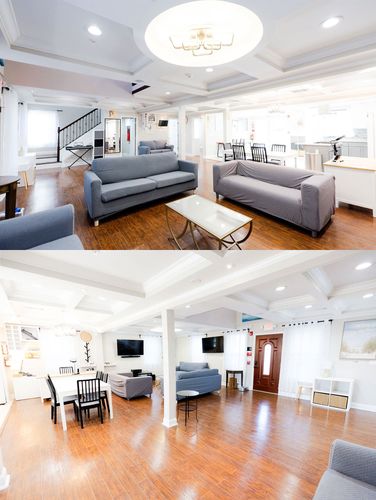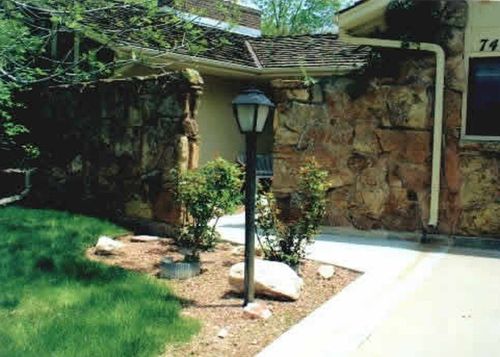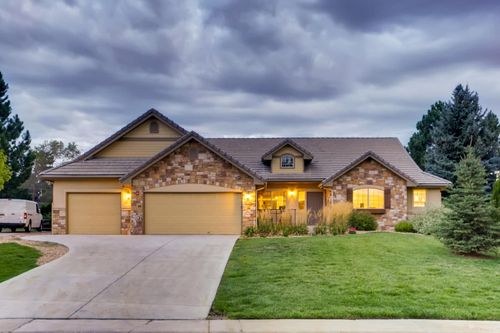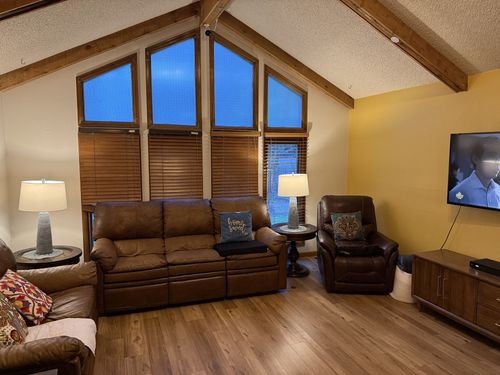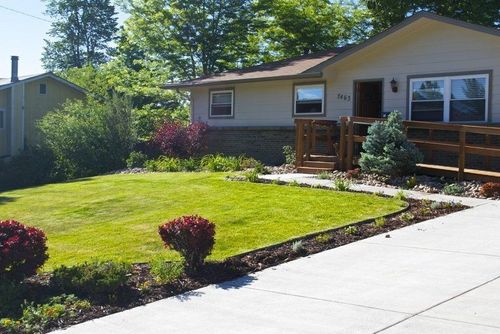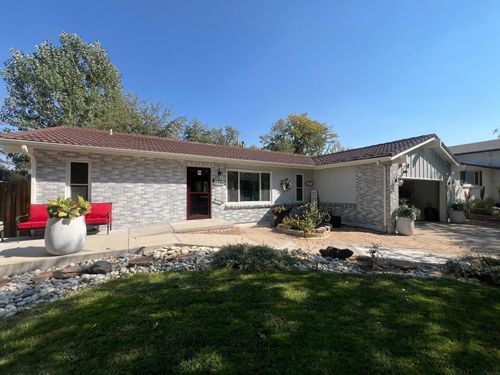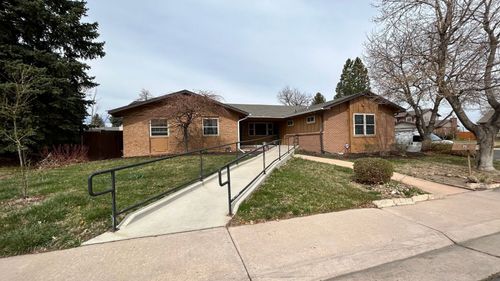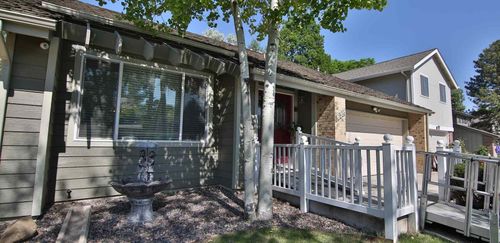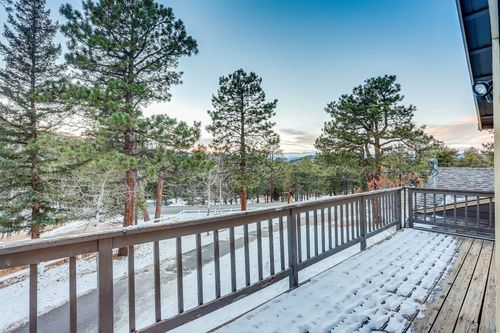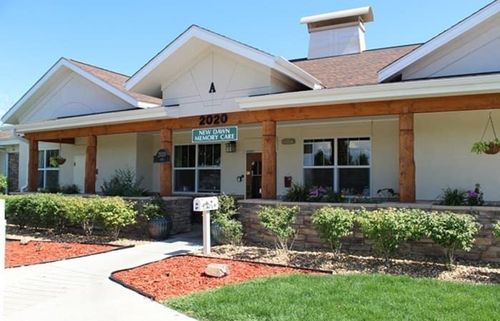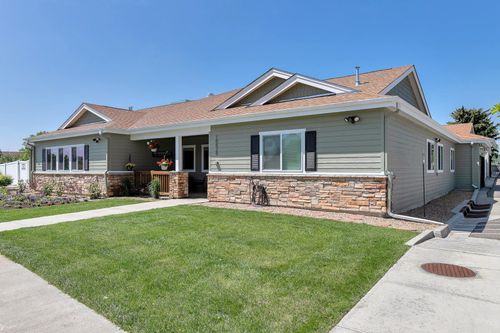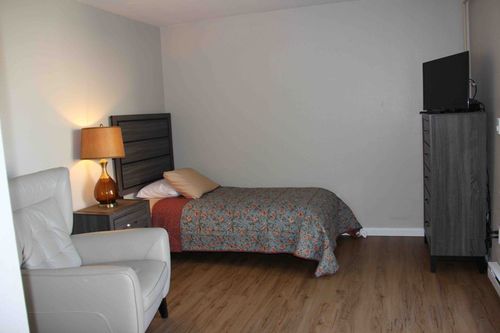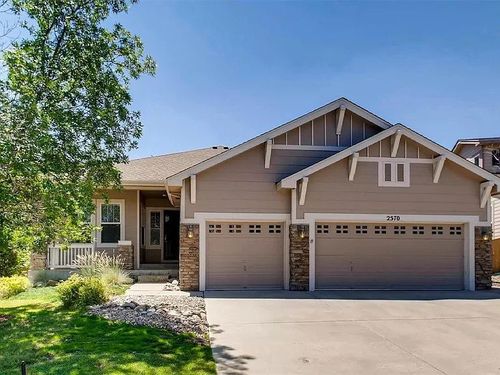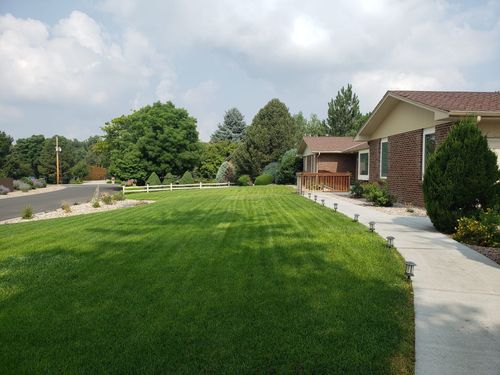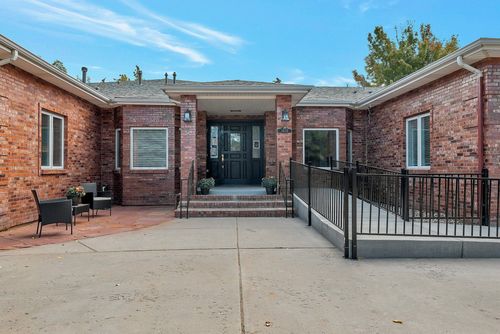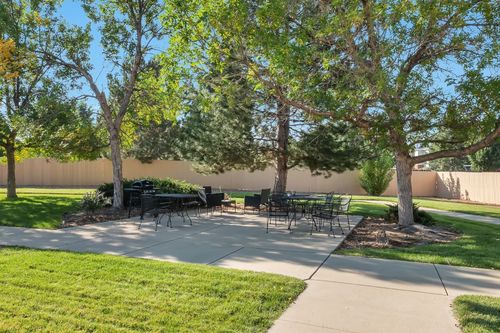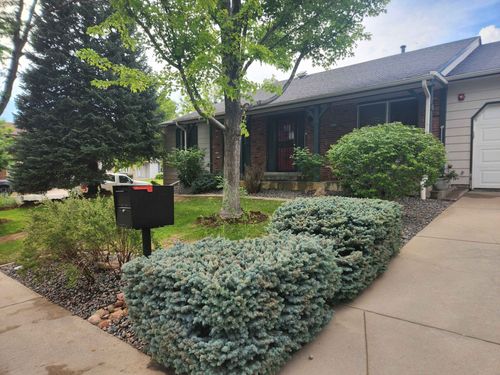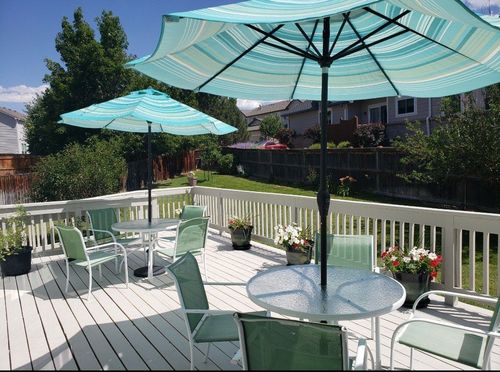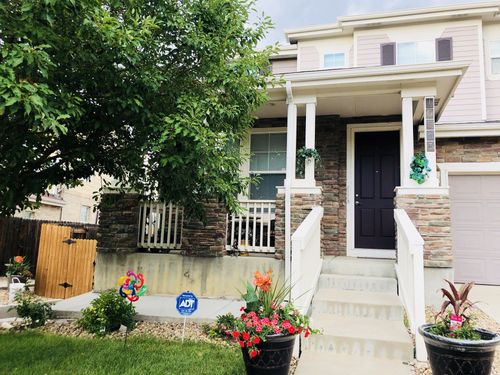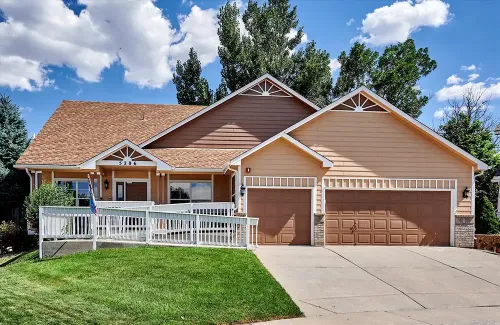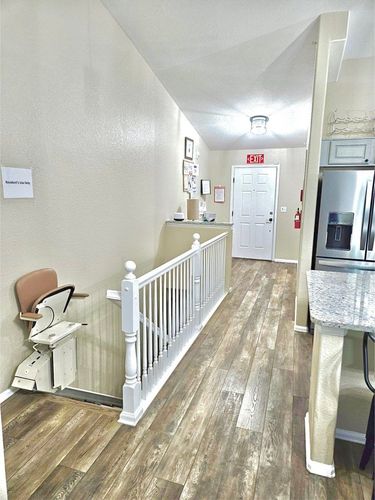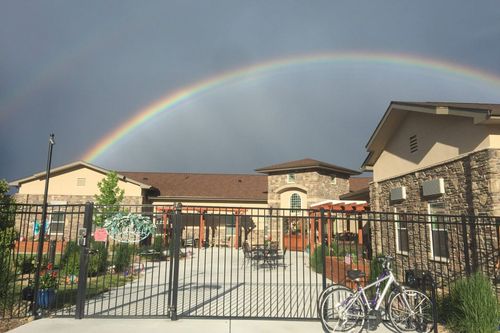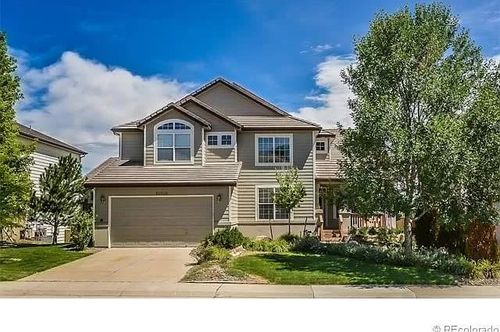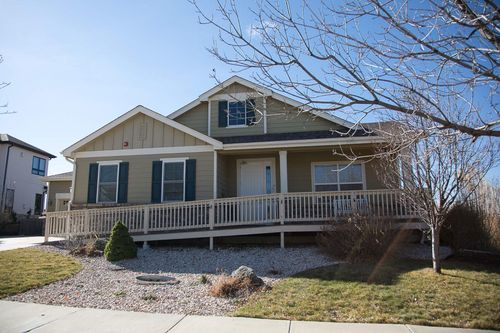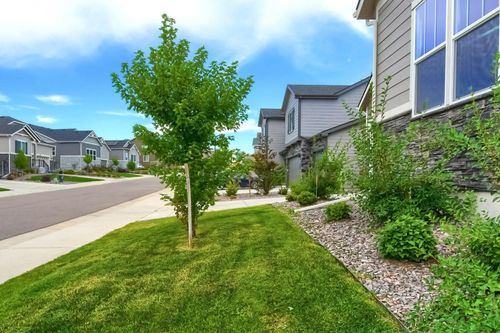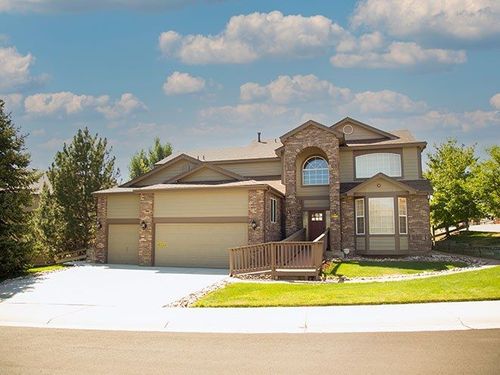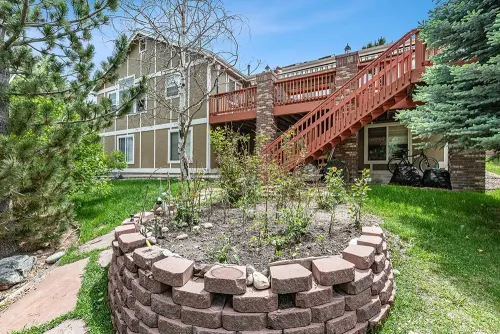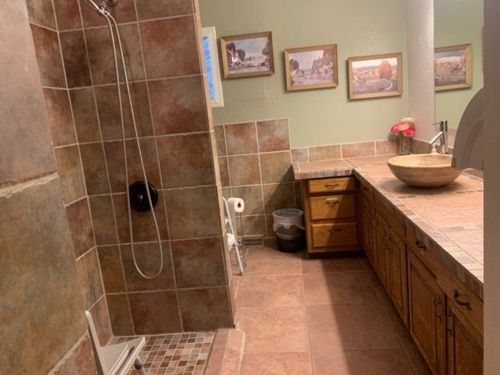
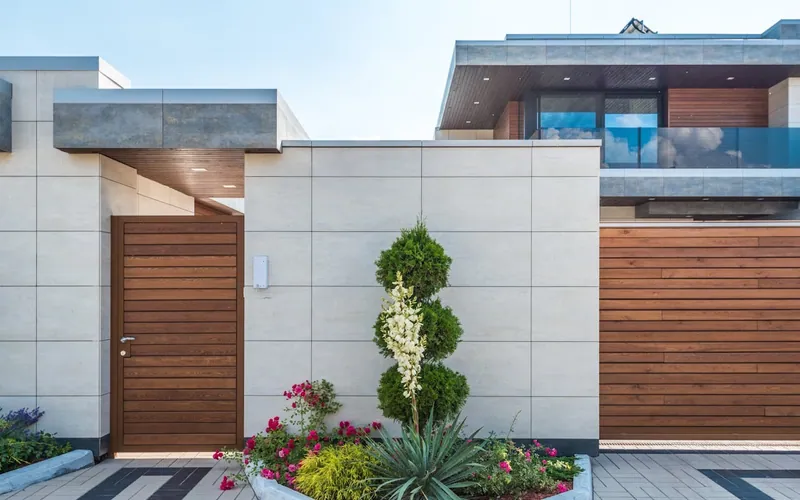
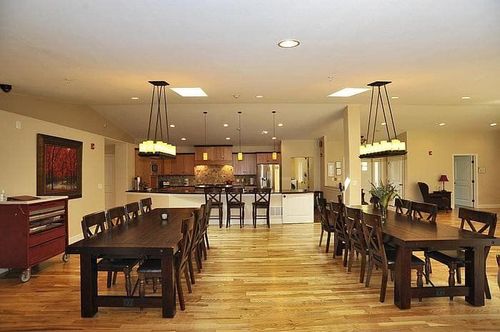
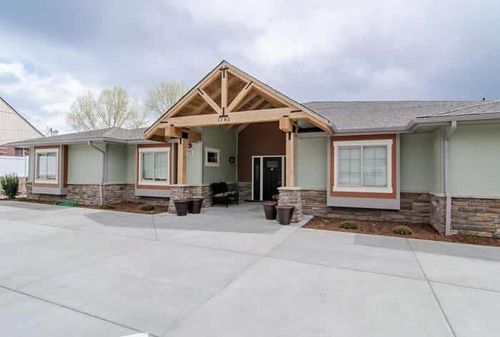
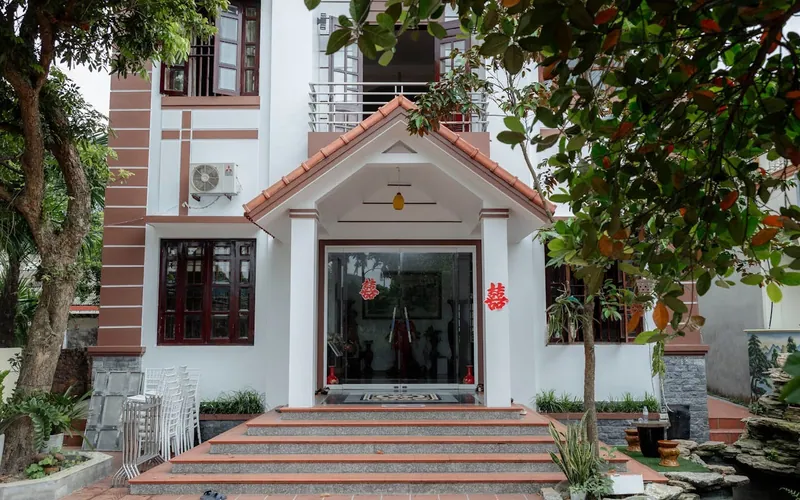
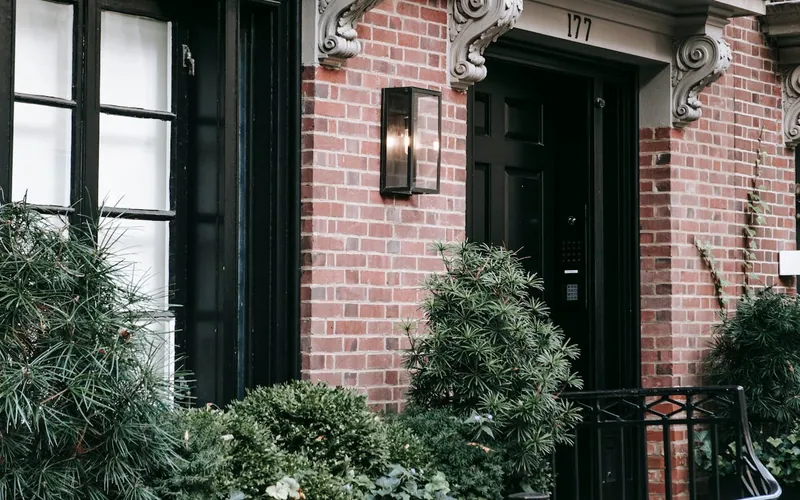
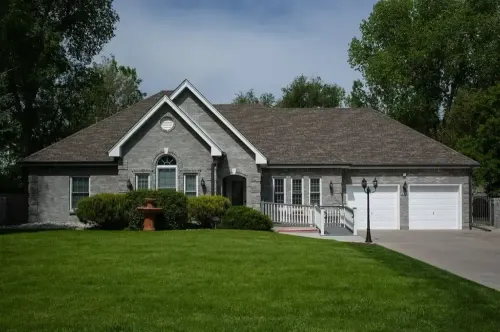
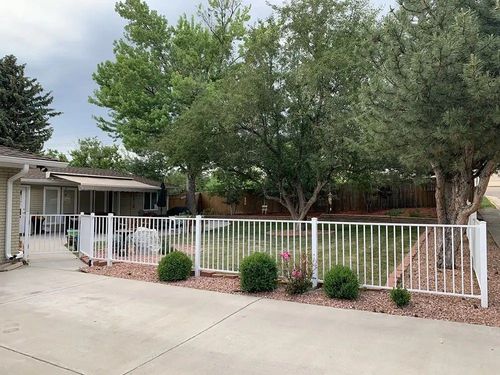
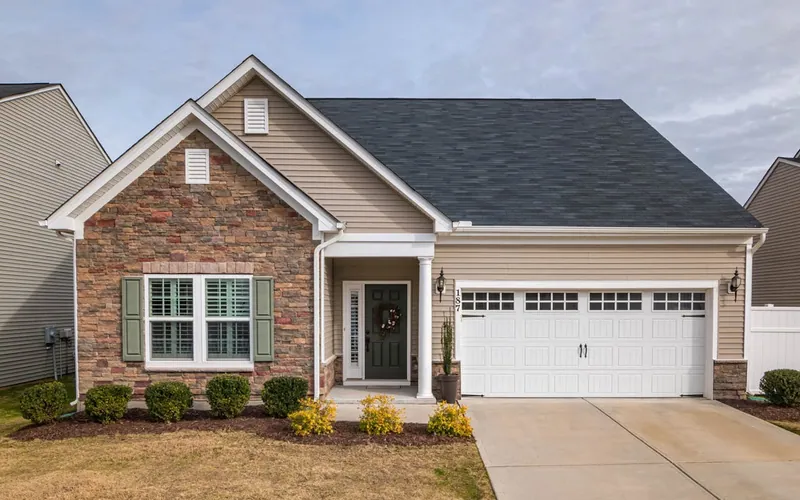
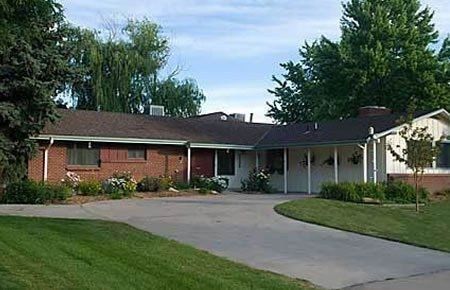
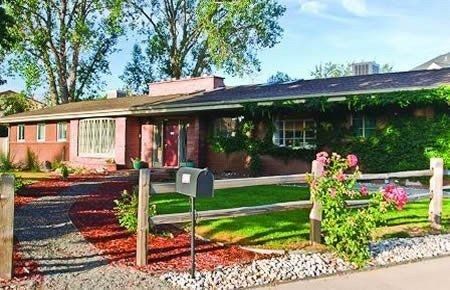
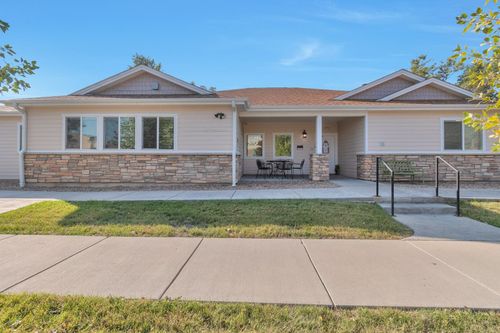
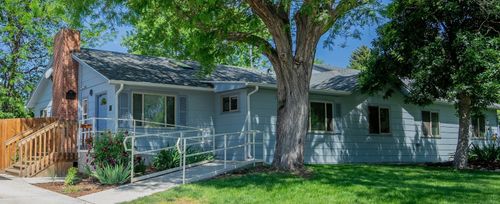
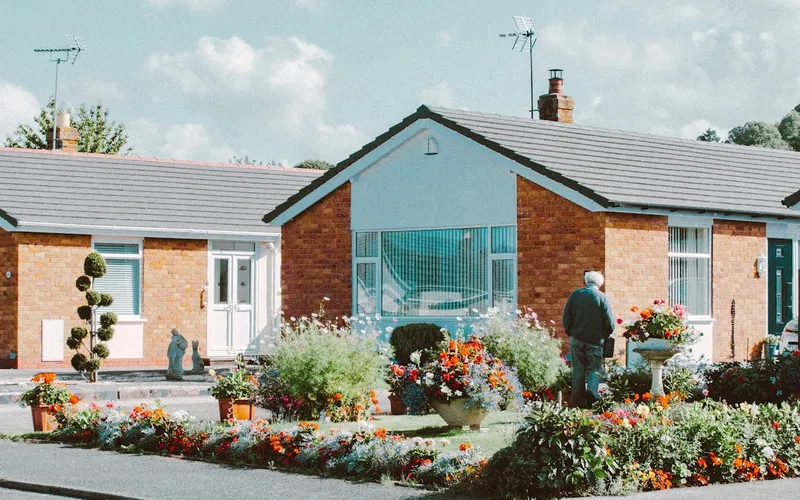
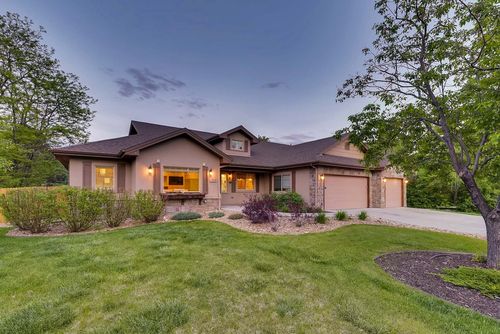
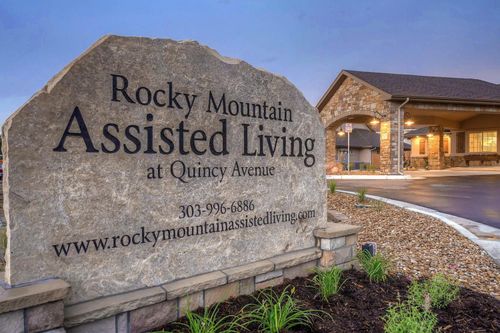
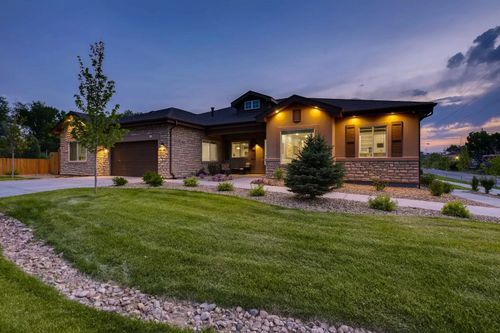
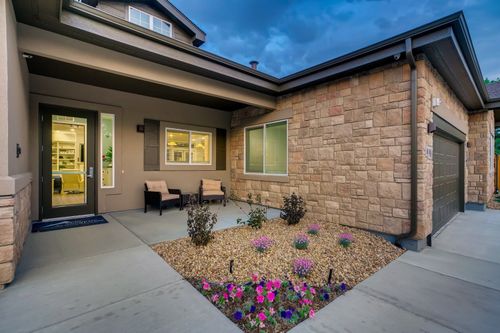
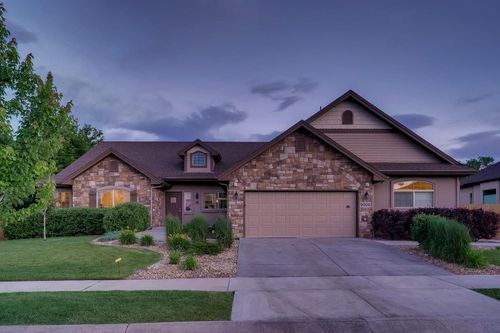
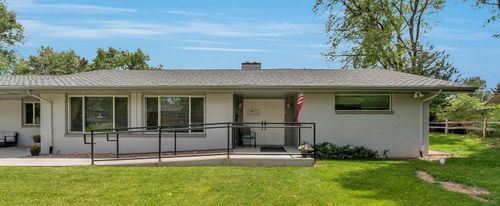
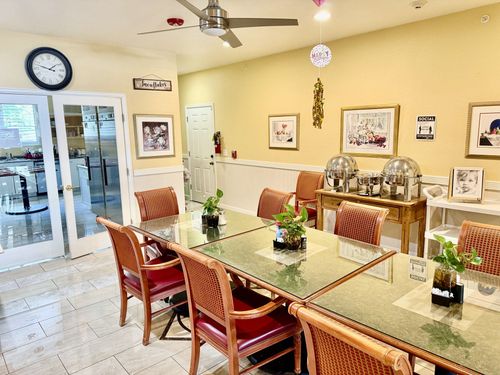
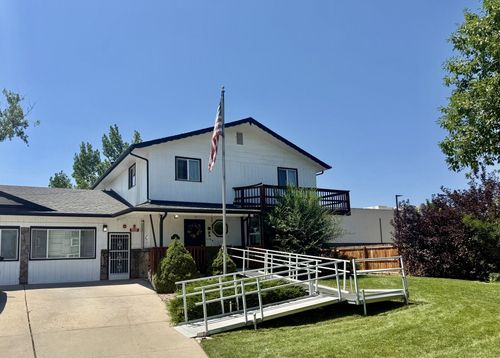

A residential care home in Lakewood is exactly what it sounds like: a regular house on a regular street, with a handful of residents and a caregiver who knows every one of them. The city has an unusually deep bench of them, run by names like Rocky Mountain Assisted Living, which operates separate houses on Virginia, Reed, Newland, and Saulsbury, alongside Assured Senior Living's homes, Applewood Our House on Upham Street, Jaxpointe on Holland, and Gardens Care's Belmar Acres. 28 of these home-style settings sit across Lakewood, most holding roughly eight to sixteen residents, with a few smaller and a couple larger, tucked into the neighborhoods around Belmar and up toward Edgewater rather than on a commercial campus.
Families look here when they have decided a large apartment-style community is the wrong shape for their situation and they want the opposite: fewer people, more individual attention, and a setting that feels like a home rather than a building. A parent who would feel lost wandering the halls of a hundred-apartment complex often settles quickly into a house with eight housemates and one table at dinner.
What Living in a Lakewood Care Home Is Like
The defining feature of a residential care home is the ratio. A house with eight to twelve residents is staffed so that a caregiver covers a few people rather than a whole wing, which means the help is closer and the staff actually know each resident's habits. The Rocky Mountain Assisted Living houses and the Assured homes run on that model: home-cooked meals around a shared table, help with bathing, dressing, grooming, and medication, light housekeeping and laundry, and around-the-clock supervision under one roof.
The care these Lakewood homes provide is assisted living, and in several cases secured memory care. Houses like Rocky Mountain on Newland and Saulsbury, Assured on South Hoyt, and Gardens Care's Belmar Acres are built for dementia, with the small, calm, secured setting that often suits a memory-care resident better than a large building. What a residential care home does not provide is independent living, which carries no daily care need, or skilled nursing, which needs on-site clinical staff and equipment a house cannot hold. A resident whose needs outgrow custodial care steps up to a different setting.
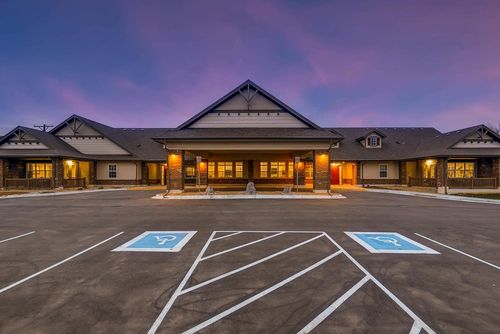
The trade-off against a large community is real. A Lakewood small home has fewer on-site amenities, a shorter activity calendar, and a smaller social circle than a campus like MorningStar at Applewood or Village at Belmar. A larger apartment-style community offers a fuller schedule, more dining and common spaces, a bigger pool of neighbors, and on-site clinical staffing. Both are good fits for different preferences; the small home trades breadth for intimacy.
What a Residential Care Home Costs in Lakewood
Private-pay rates at Lakewood's small homes generally land in the $4,700 to $6,500 a month range, broadly in line with the latest cost-of-care data for Colorado in 2026, which puts the state's assisted-living median near $5,300 a month. A small home is sometimes comparable to a large community and sometimes a modest premium, and the premium, when it exists, buys the low staff ratio and the house setting rather than more amenities.
Because the homes are small, pricing tends to be straightforward, often a base rate with care levels layered on. Several of the Lakewood homes also accept Health First Colorado for residents who qualify, which can change the math for a family funding care through Medicaid.
Availability Among Lakewood's Small Homes
Lakewood sits in Jefferson County, one of the Front Range's larger senior populations, and home-style settings make up a meaningful share of its inventory rather than a single token house. That breadth is part of what makes the city worth searching, since a family has real choice among houses rather than one option. The catch with small homes is simple arithmetic: a house with ten beds has ten beds. The right opening at the right home, the one with secured memory care, or the one on the family's side of the city, can be scarce, and a good fit sometimes means waiting for a specific room rather than taking the first available bed anywhere.
Why Families Choose Residential Care Homes in Lakewood
What draws a family to a Lakewood care home is personal and concrete. A resident eats meals that taste home-cooked, lives among a few familiar faces rather than a crowd, and is cared for by staff who notice when something is off because they see the same people all day. For someone who would shrink in a large building, a house on a quiet Edgewater or Belmar street can be the difference between tolerating a move and actually settling in. The low ratio is not a slogan here; it is the daily texture of the place.
What a Local Advisor Brings to Lakewood
A local advisor knows the Lakewood small homes as individual houses, not a list: which Rocky Mountain Assisted Living address has an opening, which run secured memory care versus assisted living only, the resident count and feel of each, and which sit nearest a family's part of the city. The advisor also knows which homes carry the license type for the care a resident needs and which accept Medicaid.
That turns 28 home-style settings into the two or three houses worth touring for a specific resident, by care level, neighborhood, and the room that is actually open. Talk it through with an advisor about residential care homes in Lakewood, or browse the homes we have reviewed at your own pace.