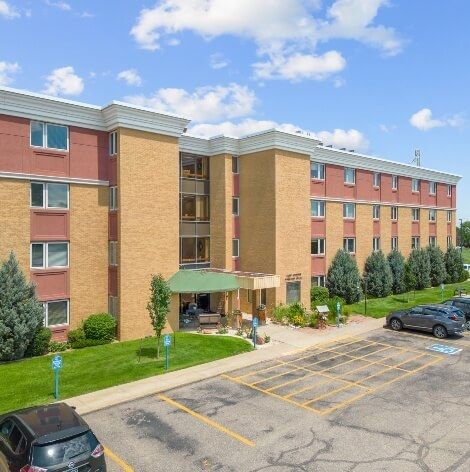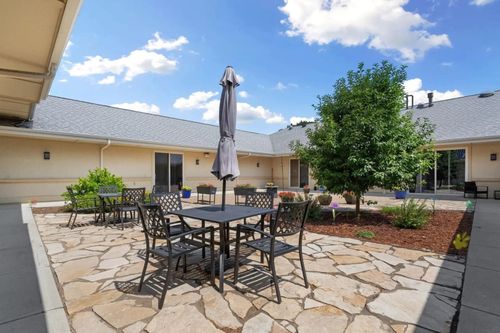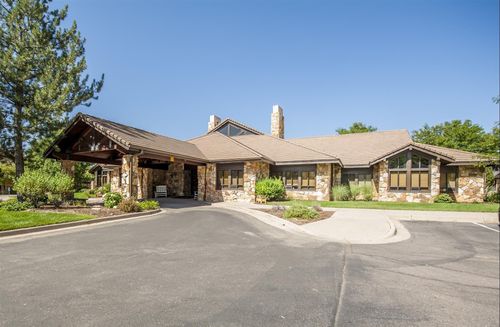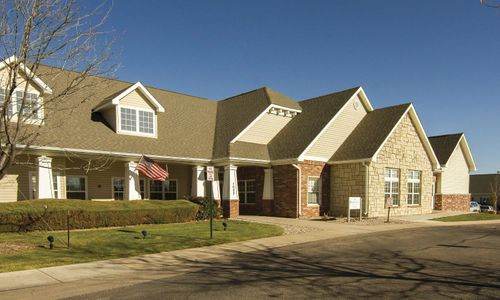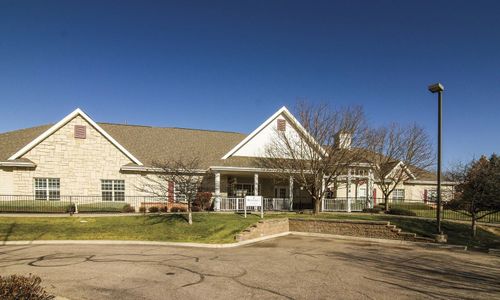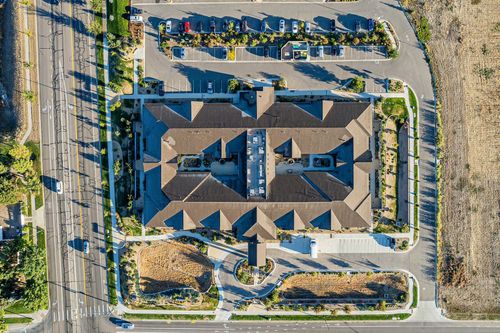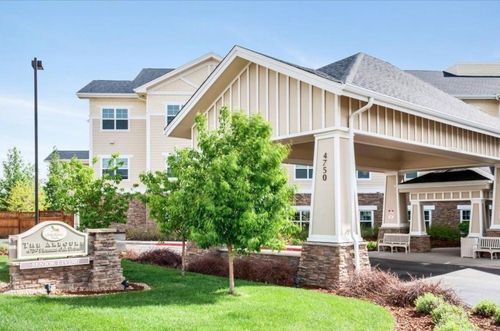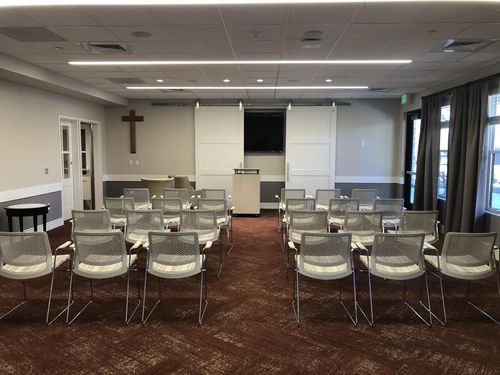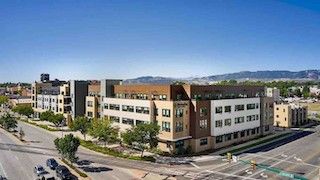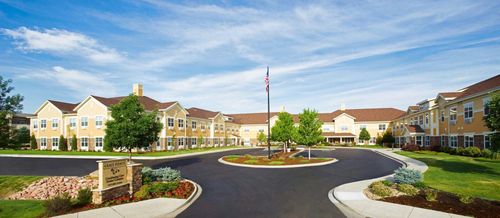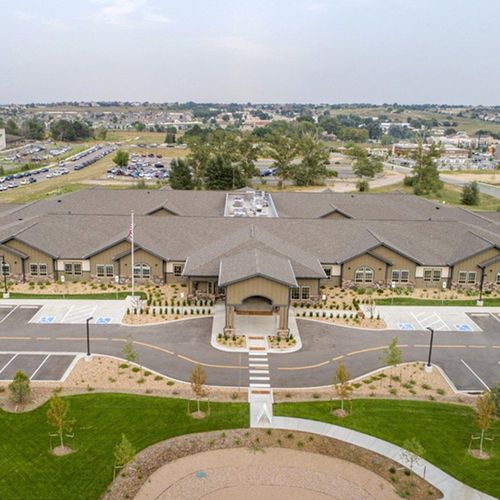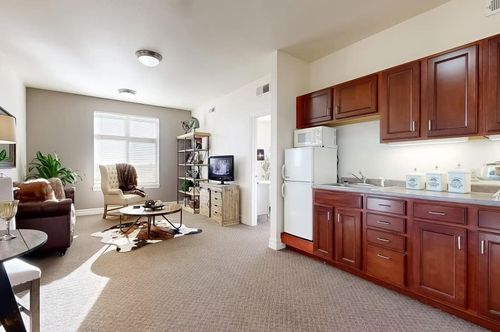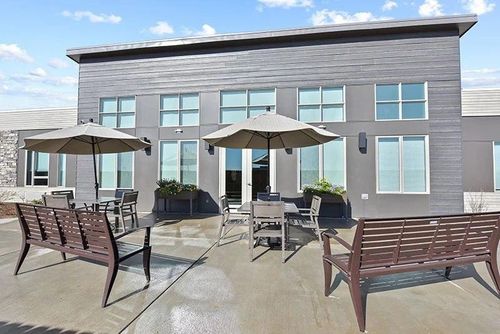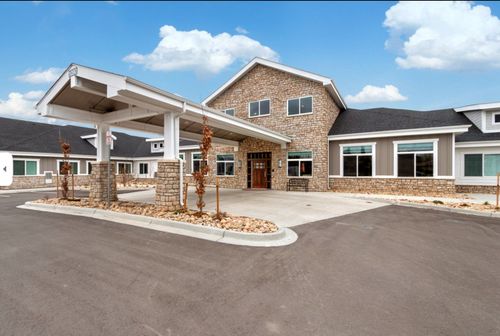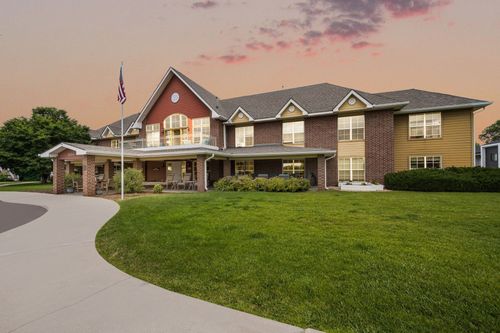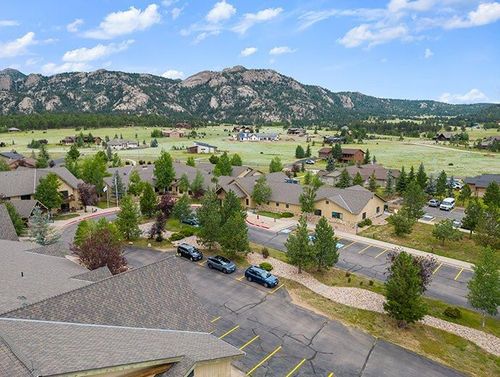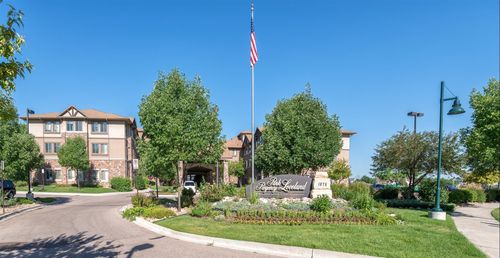
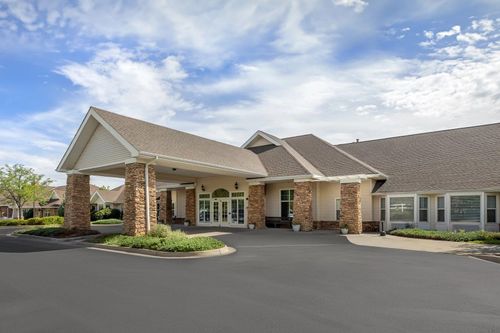
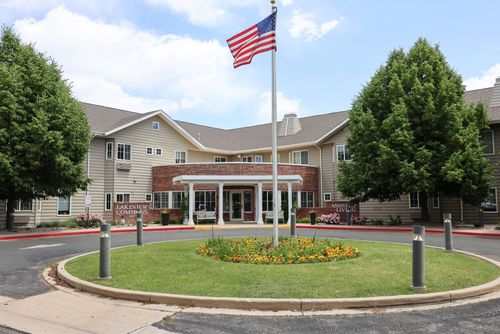
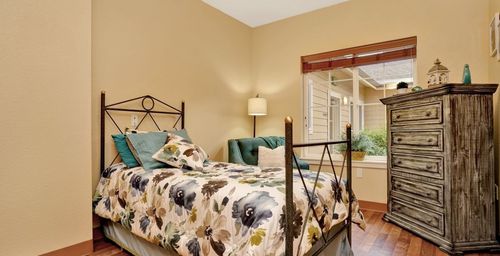
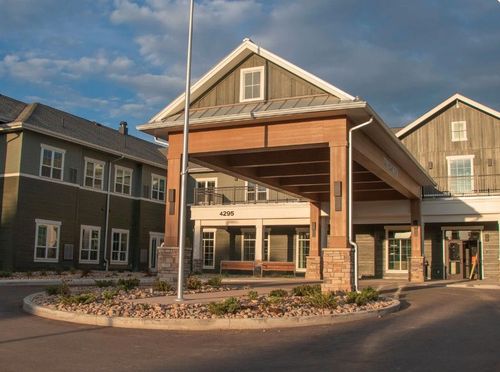

Loveland's memory care options are a small field, a handful of communities that includes Bethesda Gardens Loveland, Brookdale Mariana Butte, Lakeview Commons, Seven Lakes Memory Care, and Stoneridge at Centerra. They differ in size more than their names suggest, with the smallest home holding 48 beds and the largest community reaching 129, so a family weighing a dementia diagnosis is comparing quite different settings under one label.
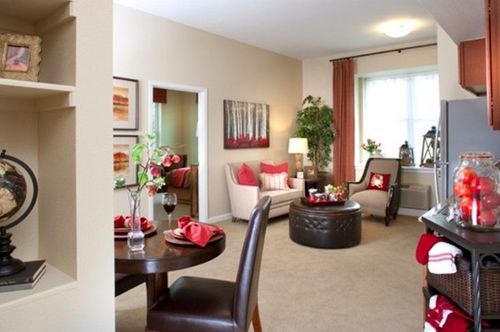
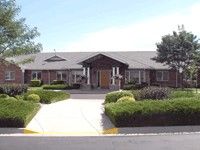
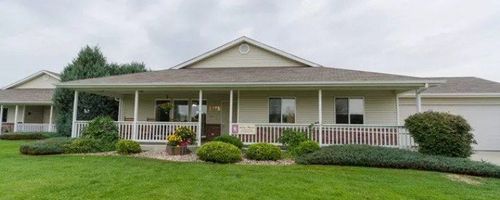
The first question worth asking of any of them is whether the building was designed around memory care from the start or whether the secured space is a wing inside a larger senior living building. Purpose-built settings tend to keep every hallway, dining room, and courtyard inside the secured area. A wing usually shares a front entrance, kitchen, and sometimes staff with the rest of the building, which can feel more familiar to some residents and more crowded to others.
How Days Are Structured in Loveland Memory Care
A good memory care day in Loveland follows a steady rhythm: breakfast at a consistent hour, a morning activity, a walk or time outdoors when the Front Range weather allows, lunch, rest, and an afternoon gathering. Predictability matters more than variety, because familiar sequences lower confusion for people living with dementia. Staff help with bathing, dressing, medications, and meals, and they adjust the pace to the person rather than the clock.
Secured doors and enclosed outdoor space let residents move around freely without anyone needing to follow them. Families visiting should notice whether residents wander comfortably between rooms, whether staff greet people by name, and whether quieter corners exist for someone who tires of group settings. A few communities here welcome pets, which can be a real comfort for a person who has lived with animals for decades.
What Memory Care Costs in Loveland
Starting prices for memory care in Loveland run $6,800 - $11,595/mo, a wide spread that reflects how different the buildings are. Several communities start near the lower end of that range, while at least one sits well above it. That gap usually comes from room type, the level of hands-on care built into the rate, and how much of the building is dedicated to memory care alone.
Families planning a budget should think in terms of $7,759 a month as a starting point, then expect the figure to move as care needs grow. Medication management, incontinence support, and one-to-one help at meals are often priced in tiers. None of the communities here are currently recorded as accepting Medicaid, so most families rely on private funds, long-term care insurance, or veterans benefits, and it helps to map those sources before a move rather than after.
Loveland's Growing Need for Memory Care Along the Front Range
Loveland has a sizable and growing older population, drawn by the Big Thompson corridor, proximity to family in Fort Collins and the Denver metro, and a pace of life that suits retirement. As more residents reach their late seventies and eighties, dementia diagnoses become more common, and families increasingly look close to home instead of moving a relative far away.
With only a handful of communities to choose from, openings can be limited at the moment a family is ready, and the best fit is not always the one with a room available first. Moving quickly on a good match, while still comparing a purpose-built setting against a wing inside a larger building, is the balance most families end up striking.
Why Loveland Families Choose Memory Care Close to Home
The strongest reason is proximity, since a spouse or adult child can stop in on the way home from work, join a meal, or attend a family event without a long drive, and frequent visits tend to help a person with dementia feel anchored. Loveland is compact enough that most communities are a short trip from the hospital, the pharmacy, and the neighborhoods where residents lived for years.
Families also value continuity, because when a person has gone to the same church, shopped at the same grocery store, and known the same neighbors, staying in the community keeps those threads alive. Familiar faces among visitors and even among staff can ease the transition in ways that are hard to replicate elsewhere. Secured settings give families peace of mind that the person is safe while still being part of daily life.
Where a Loveland Memory Care Advisor Helps Most
A local advisor keeps a current sense of which Loveland communities have openings, how long waits tend to run, and how each handles a rising level of care. That matters because the difference between a purpose-built community and a secured wing is rarely visible in a brochure. The advisor can also explain how Medicaid timing works when none of the local communities accept it, and how a hospital discharge date can be matched to a realistic move-in date.
The rest of the work is narrowing, as a handful of communities becomes two or three that fit the person's stage, budget, and routines, with the family's priorities such as pets, room size, and distance from home guiding the order. If a diagnosis is new and the path feels unclear, a short conversation is a reasonable way to begin, and the family can reach out whenever the timing feels right.
Our Loveland directory keeps expanding as we evaluate providers for quality and alignment in 2026. Reach out for a conversation about memory care in Loveland, or look through the communities we have vetted at your own pace.