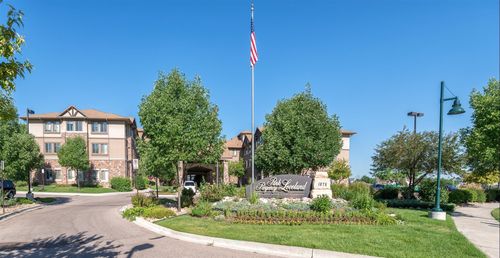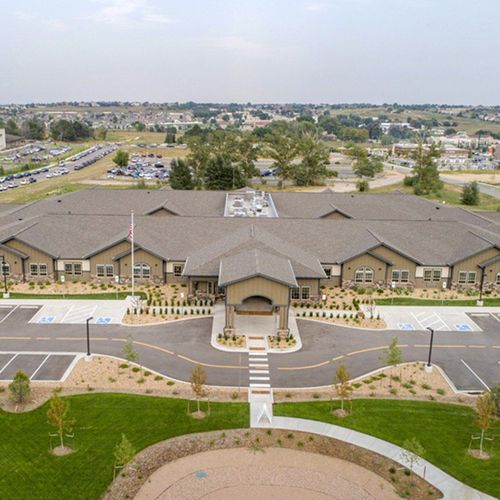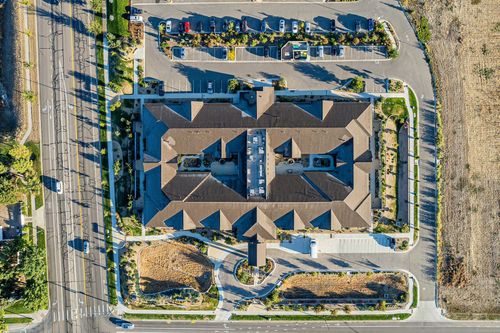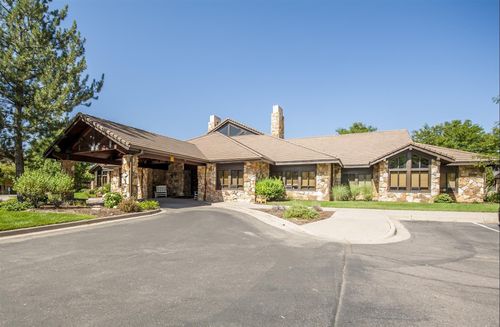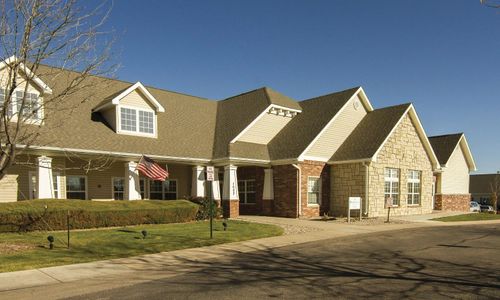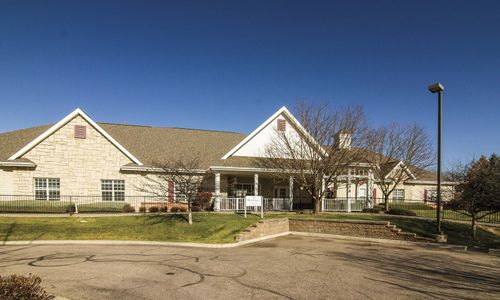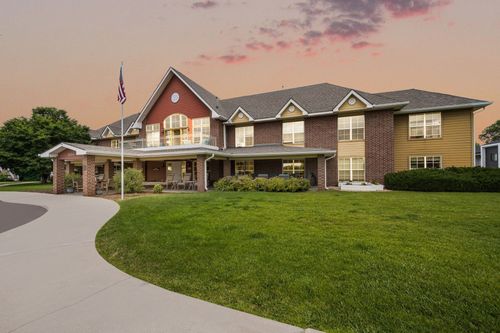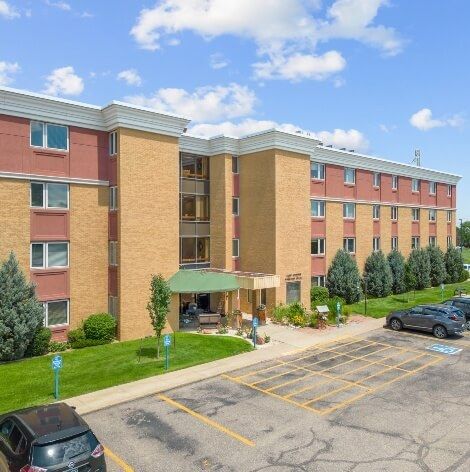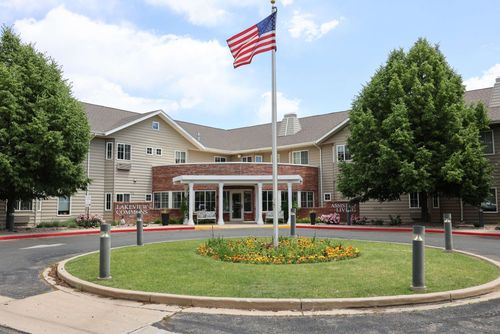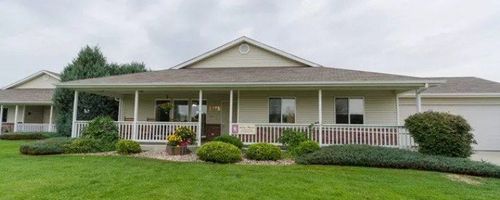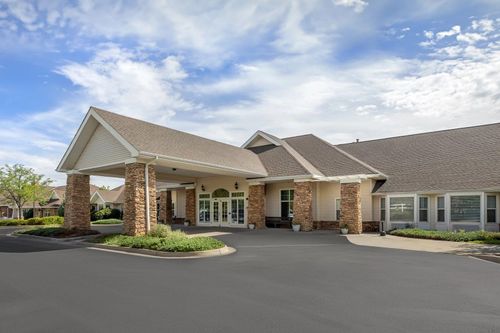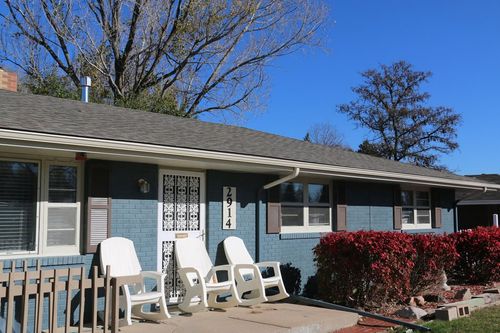

Good Samaritan Society - Water Valley is the community most often named when Windsor families start looking into memory care, and it sits within a small number of options serving the town and its Weld County surroundings. A field this size means the comparison is less about scrolling through dozens of brochures and more about understanding what a secured, dementia-focused setting should look like and whether a given building matches it.
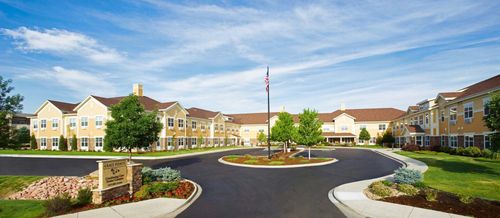
For a family absorbing a new diagnosis, the useful question is how a community is organized. Some are built around memory care from the foundation up, while others fit a secured neighborhood inside a larger senior living building. Both approaches exist across Colorado, and in a town the size of Windsor it pays to ask early which one a particular address represents.
Secured Settings and the Rhythm of a Day
Memory care differs from standard assisted living mainly in how the space and the staff are arranged. Doors and outdoor areas are designed so residents can move freely without leaving the building unnoticed, and the layout tends to be simple enough that a person with dementia can find the dining room or their own door without help. Caregivers are trained to redirect gently rather than correct, which keeps a hard afternoon from turning into a harder evening.
Routines do much of the work. Meals, bathing, medication reminders, music, short walks, and quiet activities usually land at the same times each day, because predictability lowers anxiety for people whose memory no longer holds the day's plan. Families are generally welcome to visit around those routines, and many find that shorter, regular visits suit a resident better than long, tiring ones.
When touring or talking with Windsor communities, it helps to ask how staffing changes overnight and how the team adjusts routines as a resident's needs shift over the months.
How Monthly Rates Take Shape Here
Most families in the area begin their budgeting near $7,433 a month for memory care, and the range for Windsor, from $7,433/mo, reflects how much the final bill depends on the person rather than the town. The starting rate usually covers the room, meals, and a baseline level of supervision, while higher tiers of hands-on help with bathing, dressing, or mobility add to it as care needs grow.
Room type matters as well, since a private suite and a shared room can sit well apart on the same price sheet. It is also worth asking whether a community charges a one-time community fee and how often rates are reviewed after move-in, because a resident's level of care can be reassessed.
Medicaid-accepting memory care is not something families should count on in the Windsor area, so most plan around private savings, long-term care insurance, proceeds from a home sale, or VA benefits for eligible veterans.
Who Is Looking, and How Soon
Windsor has grown steadily as a Northern Colorado town, and many longtime residents now have adult children living in Fort Collins, Greeley, or the Denver area. That spread of family members shapes demand: decisions are often made by people coordinating across several households, and they want a place within reasonable driving distance of everyone.
Because only a small number of memory care communities serve Windsor itself, openings can move at an uneven pace. A suite may be available one month and not the next, so families who have already narrowed their choices tend to move more calmly when a space appears. Starting conversations well before a move is urgent gives everyone room to breathe.
Why Windsor Families Lean Toward Memory Care
Families who stay close to Windsor usually do so for a plain reason: they want to keep visits easy. A community in or near town means a grandchild can stop by after school, a spouse can share a meal, and longtime friends from church or the neighborhood can still drop in without planning a long drive.
The other pull is relief. Caring for someone with dementia at home is a round-the-clock effort, and a secured setting with trained staff lets family members return to being a spouse, daughter, or son rather than a full-time caregiver. Many describe the move as the point when evenings became calmer and time together became more enjoyable.
People also value that a community built for memory care can adapt as a person changes, with consistent faces on the care team and a space designed to be understood at a glance.
Local Guidance on Openings and Timing
A local advisor keeps a working sense of which Windsor-area communities have suites coming available, how each one sets care levels, and which approach, purpose-built or a secured neighborhood within a larger building, tends to suit a particular person. That knowledge saves families from calling around blindly during an already heavy season.
The advisor can also explain how funding timelines work, including what to expect when Medicaid is not an option locally, and how to coordinate a move with a hospital discharge so the date does not rush the decision. From there, narrowing a short list by location, budget, and care needs becomes much more manageable, and if you would like to talk it through, you are welcome to reach out for a short conversation whenever the timing feels right.
We keep expanding our Windsor coverage as we evaluate providers for quality and alignment in 2026. Reach out for a conversation about memory care in Windsor, or browse the communities we have vetted at your own pace.