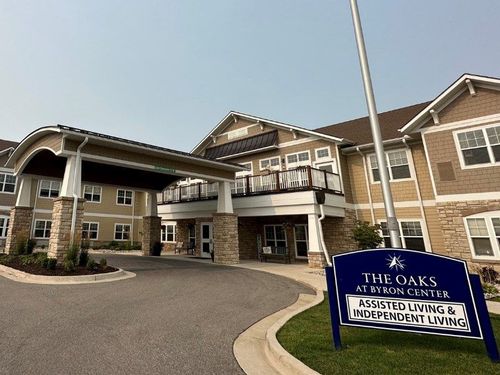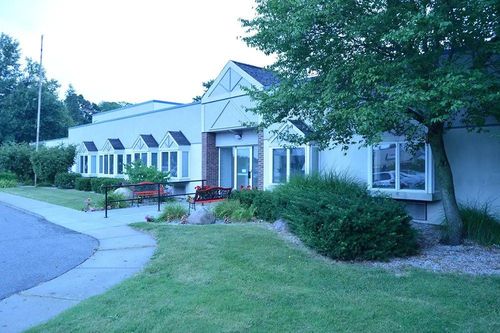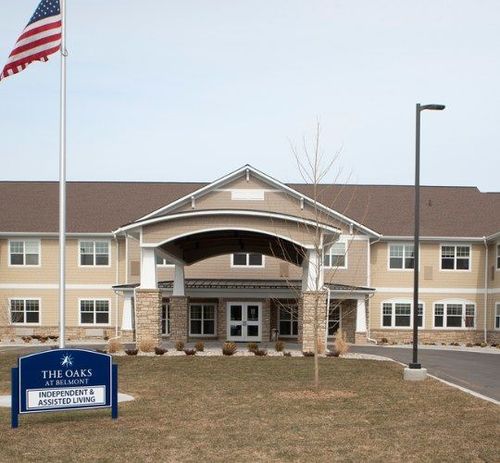
Assisted living at The Oaks at Belmont on West River Drive starts at $4,546 a month, and that figure is what starts most households asking about Medicaid at all. It is also the reason the Medicaid question in Belmont is really a question about sequence, because the campus covers apartments, daily help, secured memory care and nursing on one property, and a resident who arrives paying privately at one end of that ladder may well need a different answer by the time they reach the other.
Kent County holds close to 106,000 residents past sixty-five, and this single campus carries the northern edge of it along the Grand River. What that means practically is that the local Medicaid conversation is not about picking a building. It is about when to start the paperwork, which program applies to the care level in question, and what a household is still expected to pay after approval.
Which Medicaid Route Applies at Which Point
Michigan funds long-term care two different ways, and the difference decides what a household is left holding. The MI Choice waiver covers care services for somebody who meets nursing-facility level of need and the program's financial tests while living at home or in a licensed residential setting, which is the route that reaches assisted living and secured memory care. It does not extend to room and board, so the housing part of the monthly bill is still met by the resident, usually from income.
For licensed nursing care the arrangement differs, because Medicaid pays for the stay itself and the resident contributes a set amount from monthly income rather than facing a separate housing charge. An independent apartment is funded by neither route: there is no care need underpinning it, and no Michigan Medicaid program pays for the accommodation alone. On a campus running all four levels, a resident can therefore change what Medicaid means for them without changing address.
Timing, Assets and the Two Clocks
Eligibility rests on income and on countable assets, with limits that are revised each year, so the first useful step is establishing where a household genuinely stands rather than guessing from a figure somebody half-remembers. Households above the asset limit generally spend down to reach it, and transfers of money or property in the years beforehand are reviewed under a look-back, which is why moving a house into a relative's name shortly before applying so often backfires.
Approval then depends on two determinations that proceed independently: a financial review and an assessment of care need. Either can hold up the other, and neither is fast, which is why an application begun the week a room is needed is an application begun late. Medicare has no role here at all, since it pays for hospital care, short rehabilitation stays and hospice rather than for daily living support.
What This Means for a Belmont Household
Because acceptance and availability are separate things, the practical questions are narrower than they look. How many rooms the campus has funded through Medicaid at a given moment, whether it expects a period of private payment first, and whether the change is possible in the resident's existing room or involves a move within the building: those three answers shape the plan more than eligibility rules do.
The second consideration is the one families underrate, which is what happens after a change in care level. A resident who moves from assisted living into the nursing wing moves between two different Medicaid arrangements, and the paperwork does not follow automatically. Anticipating that transition well before it arrives is what keeps a household from meeting it as a surprise on a month when they have quite enough to think about.
What a Local Advisor Brings to a Belmont Medicaid Plan
The current picture is what a local advisor holds and a website does not: whether a Medicaid-funded room is open on the campus now, what the community's practice is on residents converting from private payment, how long financial reviews and care assessments are actually taking in Kent County at the moment, and whether a household's numbers put them near the threshold or well clear of it.
The other half is sequencing, since starting the financial review at the right point relative to the care assessment routinely saves weeks. If Medicaid is likely to feature in a Belmont plan, even a year out, it is worth a short conversation now rather than a longer one later.
Our directory for Belmont continues to grow as we evaluate providers for quality and alignment in 2026. Start the conversation about medicaid in Belmont, or scan the buildings we cover at your own pace.